Image Source: Adityamadhav83
About Mahanandiswara Swamy Temple
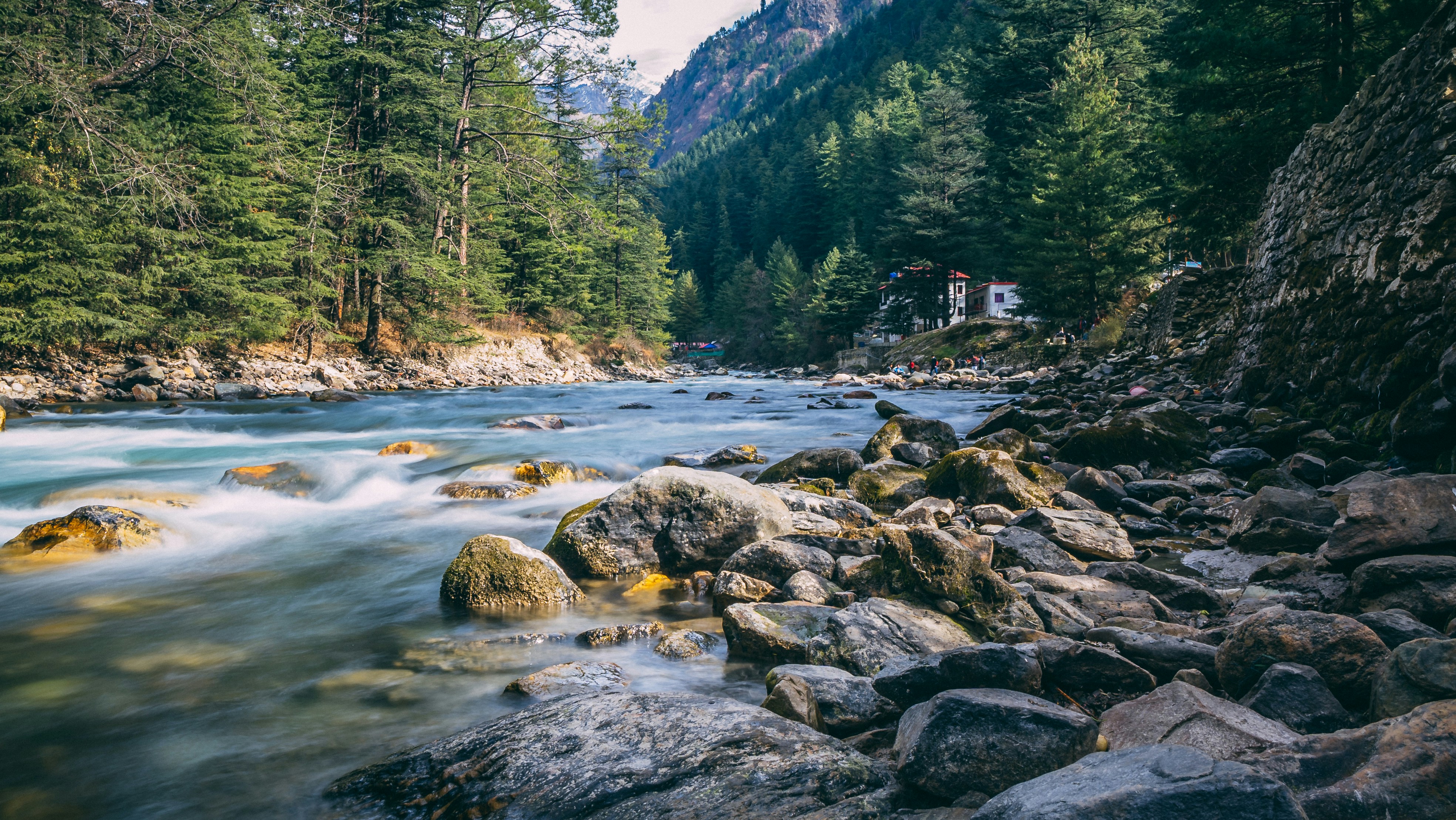
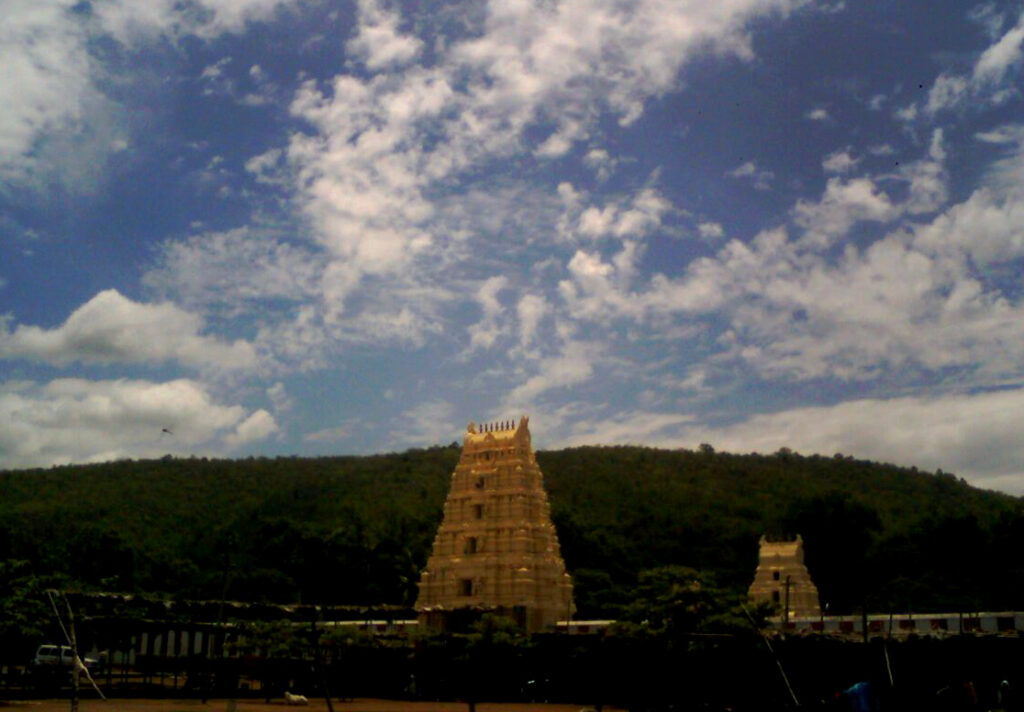
Nestled at the foothills of the lush Nallamala Hills, the Mahanandiswara Swamy Temple is one of the most sacred and peaceful Shiva temples in Andhra Pradesh. Popularly known as Mahanandi Temple, this ancient shrine is dedicated to Lord Shiva, worshipped here as Mahanandiswara Swamy. Located near Nandyal in the Nandyal district, the temple lies around 15 kilometers from the town and attracts pilgrims, spiritual seekers, and nature lovers throughout the year.
What makes the temple truly special is its serene setting. Surrounded by thick forests, green fields, rolling hills, and natural springs, the atmosphere around Mahanandi feels calm and deeply spiritual. Unlike many crowded pilgrimage centers, the temple offers a unique blend of devotion and natural beauty, making it both a religious destination and a relaxing retreat.
Religious Importance of Mahanandi Temple
The temple holds immense significance among devotees of Lord Shiva. It is one of the famous Nava Nandi temples, also known as the Navanandis — a group of nine sacred shrines dedicated to Nandi, the divine bull and vehicle of Lord Shiva. Pilgrims often visit all nine temples as part of a spiritual circuit believed to bring blessings, peace, and prosperity.
The main deity of the temple is a Swayambhu Shiva Lingam, meaning the lingam is believed to have manifested naturally rather than being installed by humans. This gives the shrine extraordinary spiritual importance. Historical inscriptions and ancient references suggest that the temple has existed for more than 1,500 years and has been an important center of Shaivite worship since ancient times.
Devotees believe that prayers offered here help remove negativity, fulfill wishes, and bring mental peace. Many pilgrims also perform special abhishekams and rituals seeking health, prosperity, and spiritual growth.
The Sacred Temple Pools and Natural Springs
One of the most fascinating features of Mahanandi Temple is its crystal-clear freshwater pools, known as pushkarinis. These sacred water tanks are continuously fed by natural underground springs flowing from the Nallamala region. The water remains clean, transparent, and pleasantly cool throughout the year, regardless of the season.
The main tank, called the Kalyani Pushkarini, is situated near the sanctum and is considered highly sacred. Before entering the temple for darshan, many devotees take a ritual bath in these waters, believing it purifies both the body and mind.
What amazes visitors most is the unique water system of the temple. The water continuously flows into the tanks and sanctum without becoming stagnant, and the water level remarkably remains constant even during dry seasons. The natural purity of the spring water has long been regarded as a symbol of divine blessing and spiritual cleansing.
The temple’s sacred pools also add to the tranquil atmosphere, making Mahanandi stand out among Shiva temples in India.
Legends and Mythological Beliefs
Like many ancient temples in India, Mahanandi is deeply connected with mythology and local legends. According to popular belief, Lord Shiva appeared in this region as Mahanandiswara to bless sages and devotees who performed penance in the forests of the Nallamala Hills.
Another legend states that Nandi, the sacred bull of Lord Shiva, once roamed and grazed in this area. This is believed to be the reason behind the establishment of the nine Nandi temples spread across the region.
Local traditions also say that the natural springs surrounding the temple were created through divine intervention to provide water for saints, sages, and pilgrims living in the forested hills. Even today, many devotees consider the spring water sacred and spiritually powerful.
Architecture and Temple Design
The architecture of Mahanandi Temple reflects influences from both the Chalukya and Vijayanagara dynasties. Though not overly grand in appearance, the temple possesses a timeless spiritual charm that captivates visitors.
The sanctum sanctorum, or garbhagriha, houses the sacred Shiva Lingam, while the temple complex contains beautifully carved mandapas, pillared halls, and traditional stone structures. The carvings showcase classical South Indian temple craftsmanship with intricate detailing on pillars and walls.
One of the most unique aspects of the temple architecture is the integration of natural water channels within the sacred space. The flowing spring water passes close to the sanctum, creating an atmosphere that feels both refreshing and divine. The combination of stone architecture, sacred pools, and natural surroundings gives the temple a peaceful and mystical character.
Festivals Celebrated at Mahanandi Temple
The temple becomes especially vibrant during major Hindu festivals dedicated to Lord Shiva. The grandest celebration is Maha Shivaratri, when thousands of devotees gather to offer prayers, perform night-long worship, and participate in special rituals and abhishekams. The temple remains illuminated and spiritually charged throughout the festival.
Another important occasion is Kartika Masam, considered highly auspicious for Shiva worship. During this sacred month, devotees visit the temple in large numbers, light lamps, and take holy baths in the temple tanks.
The annual Brahmotsavam is also celebrated with great devotion and includes religious processions, cultural events, and special ceremonies. During festival periods, the temple atmosphere becomes lively yet deeply spiritual, drawing pilgrims from different parts of Andhra Pradesh and neighboring states.
Natural Beauty Around the Temple
Apart from its religious significance, Mahanandi is also known for its scenic surroundings. The temple area is blessed with greenery, hills, and forest landscapes that create a peaceful environment ideal for relaxation and meditation.
The nearby forests of the Nallamala Hills are rich in biodiversity and are home to various species of birds and wildlife. The fresh air, cool climate, and natural springs make the destination particularly pleasant during monsoon and winter seasons.
Many travelers visiting the temple also explore nearby attractions around Nandyal, including the other Nava Nandi temples, scenic reservoirs, caves, and hill viewpoints.
Best Time to Visit
The ideal time to visit Mahanandi Temple is between October and March, when the weather remains cool and comfortable. The monsoon season also enhances the beauty of the surrounding hills and greenery.
Visitors planning a spiritual trip often prefer visiting during Maha Shivaratri or Kartika Masam to experience the temple’s festive atmosphere and special rituals.
How to Reach Mahanandiswara Swamy Temple
The ancient and highly revered Sri Mahanandeeswara Swamy Devasthanam is located in Mahanandi village near Nandyal in Andhra Pradesh. Dedicated to Lord Shiva, the temple is one of the famous Nava Nandi temples and is renowned for its crystal-clear perennial water springs and centuries-old spiritual heritage. The temple is situated amidst the scenic foothills of the Nallamala Forests, about 18–21 km from Nandyal.
By Air
The nearest major airport is Rajiv Gandhi International Airport. From the airport, visitors can travel to Nandyal by road or rail and then continue to Mahanandi by taxi or bus. Some sources also mention Kadapa Airport and Orvakal Airport as closer regional options depending on flight availability.
By Train
The nearest major railway station is Nandyal Railway Station, located approximately 19–21 km from the temple. Travelers can hire taxis, auto-rickshaws, or use local bus services from Nandyal to reach Mahanandi.
Another nearby railhead is Gajulapalli Railway Station, which is around 6 km from the temple.
By Road
Mahanandi enjoys good road connectivity with Nandyal, Kurnool, Hyderabad, Vijayawada, Tirupati, Bengaluru, and nearby towns. Regular APSRTC buses operate between Nandyal and Mahanandi. Shared autos and private taxis are also readily available.
Common Road Routes
- Nandyal → Mahanandi (approximately 20 km).
- Kurnool → Nandyal → Mahanandi.
- Hyderabad → Kurnool → Nandyal → Mahanandi.
- Bengaluru → Nandyal → Mahanandi.
Google Maps
FAQs
1. Where is Mahanandi Temple located?
Mahanandi Temple is located near Nandyal town in the Nandyal district of Andhra Pradesh, at the foothills of the Nallamala Hills.
2. Why is Mahanandi Temple famous?
The temple is famous for its sacred Shiva Lingam, natural freshwater springs, crystal-clear temple tanks, and its importance as one of the Nava Nandi temples.
3. What are the Nava Nandi temples?
The Nava Nandi temples are nine sacred shrines dedicated to Nandi and Lord Shiva located around the Nandyal region. Mahanandi is considered the most prominent among them.
4. Can visitors take a bath in the temple tank?
Yes, devotees are allowed to take a ritual bath in the sacred pushkarini before entering the temple for darshan.
5. Which is the best time to visit Mahanandi Temple?
The best time to visit is from October to March, especially during Maha Shivaratri and Kartika Masam.
6. How far is Mahanandi Temple from Hyderabad?
The temple is located approximately 250 kilometers from Hyderabad and can be reached by road via Nandyal.
7. Is photography allowed inside the temple?
Photography is generally allowed in the outer areas of the temple complex, but restrictions may apply inside the sanctum.
8. Are there accommodation facilities near the temple?
Yes, guest houses, lodges, and basic accommodation facilities are available near the temple for pilgrims and tourists.