Image Source: Thejesh Ramu
About Bachinagudda
Nestled along the banks of the mighty Krishna River in Karnataka’s Bagalkot district, Bachinagudda is a peaceful destination where history, spirituality, and nature come together beautifully. Located around 3 kilometers from Amingad town, this lesser-known heritage spot offers a fascinating glimpse into Karnataka’s ancient past while also serving as a serene retreat for pilgrims and travelers.
Surrounded by fertile plains, rocky landscapes, and the calm flow of the Krishna River, Bachinagudda has gradually gained attention among history enthusiasts, archaeologists, photographers, and spiritual seekers. Unlike the more crowded heritage destinations nearby, the atmosphere here remains quiet and deeply rooted in local tradition, making it an ideal place for those who enjoy exploring offbeat historical sites.
Prehistoric and Megalithic Heritage
One of the most extraordinary aspects of Bachinagudda is its connection to prehistoric civilization. Archaeological studies carried out in the region have revealed evidence of Megalithic and late Stone Age settlements dating back nearly 3,000 years, roughly between 1200 BCE and 600 BCE.
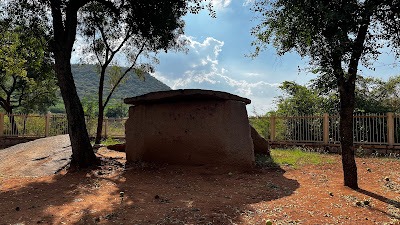
The area is known for its ancient dolmens and cairn circles, which are stone burial structures created by early communities. Dolmens are typically made using large upright stone slabs topped with a massive capstone, forming chamber-like structures that were often used for burials or memorial rituals. These monuments are among the earliest traces of organized human settlement in the Krishna River valley.
Excavations in and around Bachinagudda have also uncovered pottery fragments, iron implements, beads, and remnants of ancient habitation sites. Such discoveries suggest that the region was not merely a ritual space but a thriving settlement with social and cultural activity. Historians believe that these findings help establish North Karnataka as one of the important centers of early human civilization in South India.
The prehistoric remains at Bachinagudda are particularly valuable because they show the cultural continuity of the region — from ancient tribal societies and Megalithic communities to the temple-building dynasties that later flourished here.
Historical Importance During the Chalukyan Era
Bachinagudda’s importance did not end with the prehistoric period. The site continued to thrive during the rule of the Early Chalukyas between the 6th and 12th centuries CE. Since it lies close to major heritage centers such as Badami, Aihole, and Pattadakal, historians believe Bachinagudda may have served as a supporting settlement connected to these great architectural hubs.
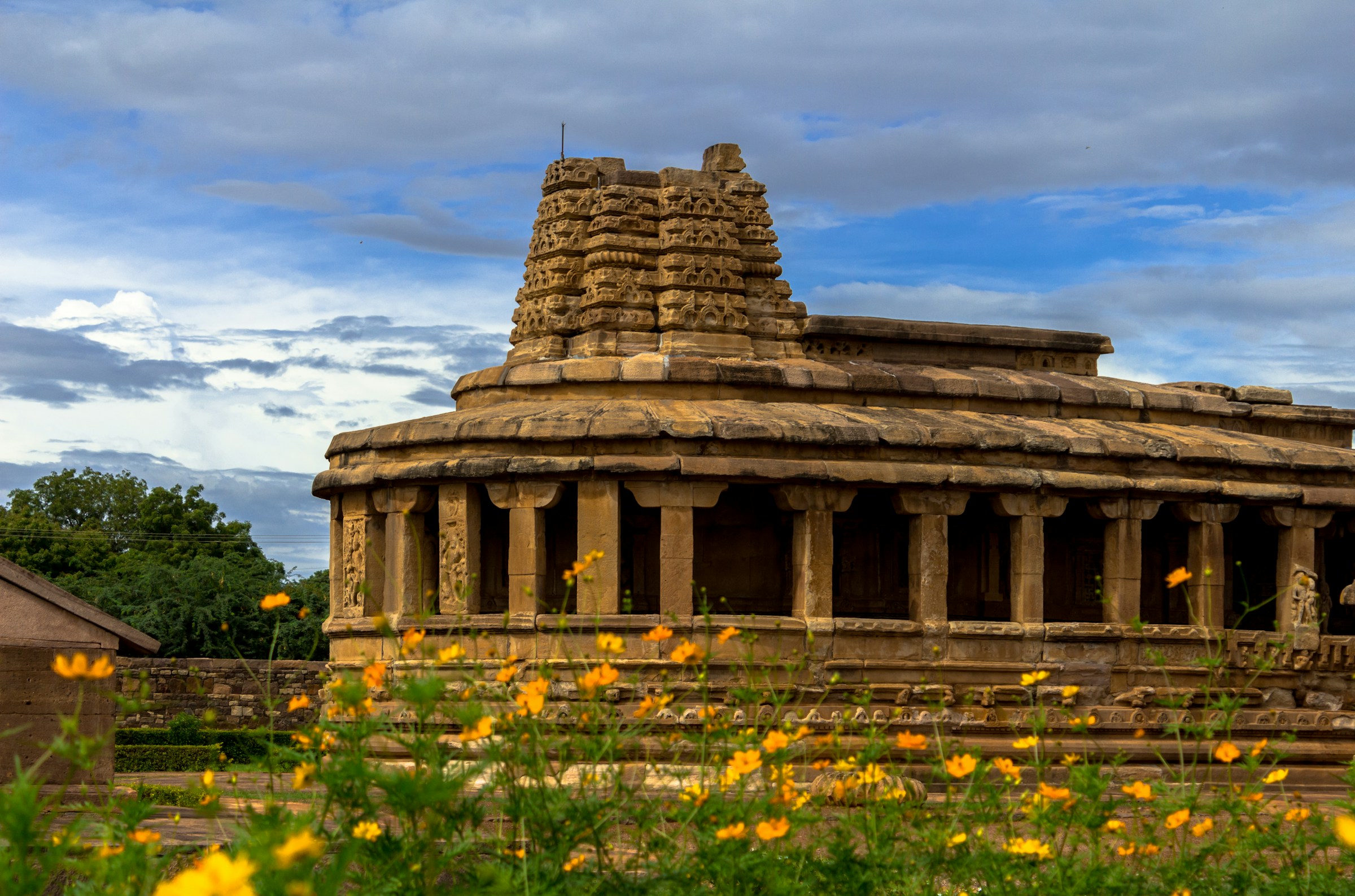
Ruins of old temples, scattered sculptures, inscriptions, and carved stone fragments found in the region point toward active religious and cultural life during the Chalukyan period. The Chalukyas were known for pioneering temple architecture in Karnataka, and traces of their artistic influence can still be seen in the structures around Bachinagudda.
Its location near the Krishna River likely made it strategically important as well. Rivers were essential for trade, agriculture, pilgrimage, and settlement growth, and many ancient communities flourished along their banks. Bachinagudda’s riverside setting would have made it an ideal place for both habitation and religious activity.
Religious and Spiritual Significance
Bachinagudda is also revered as a sacred landscape by local devotees. The area houses shrines dedicated primarily to Lord Shiva along with other Hindu deities. Among them, the Sangameshwara Temple is especially significant because of its location near the river and its spiritual association with purification rituals.
Devotees believe that taking a holy dip in the Krishna River at this site helps cleanse the soul and brings spiritual blessings. Local folklore and oral traditions further add to the sacred identity of the place, with stories linking the region to divine presences and ancient sages.
Even today, villagers from nearby areas regularly visit the temples to perform rituals, offer prayers, and celebrate religious occasions. The spiritual atmosphere becomes especially enchanting during the early morning hours, when temple bells, river sounds, and the peaceful surroundings create a deeply calming experience.
Natural Beauty and Riverside Charm
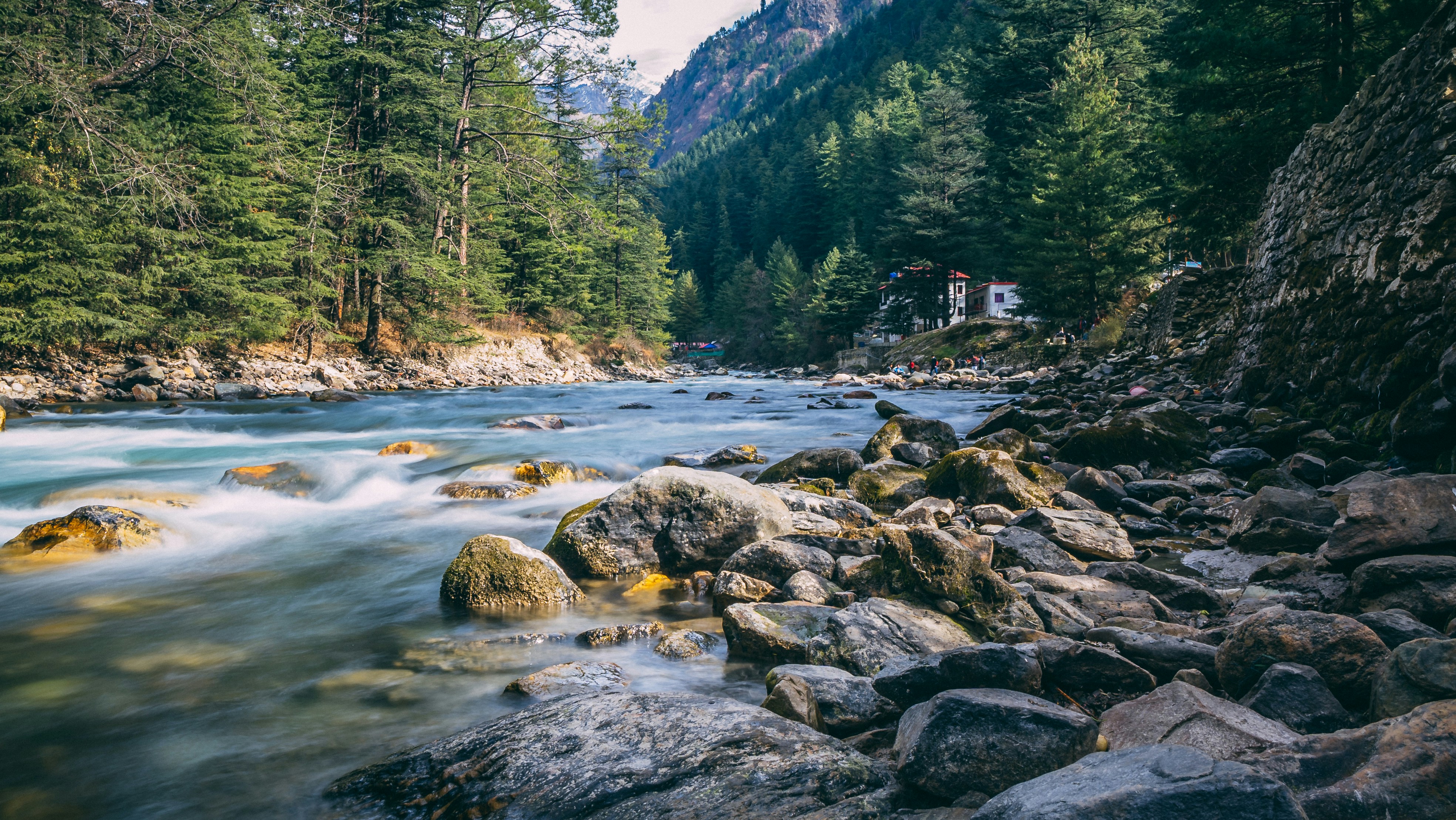
Apart from its archaeological and religious importance, Bachinagudda is admired for its scenic beauty. The gentle flow of the Krishna River, combined with rocky terrain and open landscapes, gives the place a tranquil character that appeals to nature lovers and photographers alike.
Sunrise and sunset are particularly beautiful here, as the golden light reflects off the river waters and ancient stone structures. During the monsoon season, the surrounding greenery becomes more vibrant, adding to the region’s charm.
Unlike heavily commercialized tourist spots, Bachinagudda still retains a raw and untouched atmosphere. Visitors can spend time walking through the riverside paths, exploring ancient stone monuments, or simply enjoying the calm environment away from city crowds.
For travelers visiting nearby heritage destinations such as Badami, Aihole, and Pattadakal, Bachinagudda serves as a rewarding detour that offers a more intimate and less explored historical experience.
Festivals and Local Traditions
Bachinagudda comes alive during major Hindu festivals, especially Maha Shivaratri and Karthika Deepotsava. During these occasions, devotees gather near the temples and riverbanks to participate in prayers, rituals, and cultural celebrations.
One of the most visually striking traditions is the lighting of oil lamps along the riverbank during Karthika Deepotsava. The glowing lamps reflected in the waters of the Krishna River create a mesmerizing sight that attracts both pilgrims and visitors.
Local fairs and community gatherings during festival periods also showcase the traditional culture of North Karnataka through devotional singing, folk performances, and local cuisine. These celebrations demonstrate how Bachinagudda continues to remain a living cultural and spiritual center rather than merely an archaeological site.
Nearby Attractions
Visitors exploring Bachinagudda often combine their trip with nearby heritage destinations in North Karnataka. Some popular places nearby include:
Badami Cave Temples — famous for rock-cut cave temples and Chalukyan architecture.
Aihole — often called the cradle of Indian temple architecture.
Pattadakal — a UNESCO World Heritage Site known for its beautifully carved temples.
Mahakuta Temples — a peaceful temple complex surrounded by natural springs.
Together, these places offer a rich journey through Karnataka’s ancient history, architecture, and spiritual traditions.
Best Time to Visit
The ideal time to visit Bachinagudda is between October and February, when the weather remains pleasant and suitable for sightseeing. The monsoon months also enhance the beauty of the Krishna River and surrounding landscapes, though occasional heavy rains may affect travel.
Early mornings and evenings are considered the best times to experience the peaceful riverside atmosphere and scenic views.
How to Reach Bachinagudda
By Road
Bachinagudda is located about 3 kilometers from Amingad and is well connected by local roads. Regular buses and taxis are available from Bagalkot, Badami, and nearby towns.
By Train
The nearest railway station is Bagalkot Railway Station, situated around 35 kilometers away. It has rail connectivity to major cities and towns within Karnataka.
By Air
The nearest airport is Hubli Airport, located approximately 150 kilometers away. From the airport, travelers can hire taxis or use bus services to reach the region.
Google Maps
FAQs
What is Bachinagudda famous for?
Bachinagudda is known for its prehistoric dolmens, Megalithic burial sites, ancient temples, riverside setting, and historical connection to the Chalukyan era.
Where is Bachinagudda located?
It is located in the Bagalkot district of Karnataka, around 3 kilometers from Amingad town and near the Krishna River.
Are there prehistoric monuments at Bachinagudda?
Yes, the site contains dolmens, cairn circles, and other Megalithic structures believed to date back to around 1200–600 BCE.
Which river flows near Bachinagudda?
The Krishna River flows alongside Bachinagudda and contributes greatly to its scenic and spiritual significance.
Is Bachinagudda connected to the Chalukyas?
Yes, archaeological evidence suggests that Bachinagudda flourished during the Chalukyan period and may have served as a supporting settlement for nearby heritage centers like Aihole and Pattadakal.
What is the best time to visit Bachinagudda?
The best time to visit is from October to February when the climate is pleasant for sightseeing and outdoor exploration.
Are there temples in Bachinagudda?
Yes, Bachinagudda has temples dedicated to Lord Shiva and other Hindu deities, including the revered Sangameshwara Temple.
Can Bachinagudda be visited along with Badami and Pattadakal?
Yes, Bachinagudda is often included in heritage tours covering Badami, Aihole, and Pattadakal because all these sites are located within the same historical region of North Karnataka.