Image Source: Bernard Gagnon
About Durpin Monastery
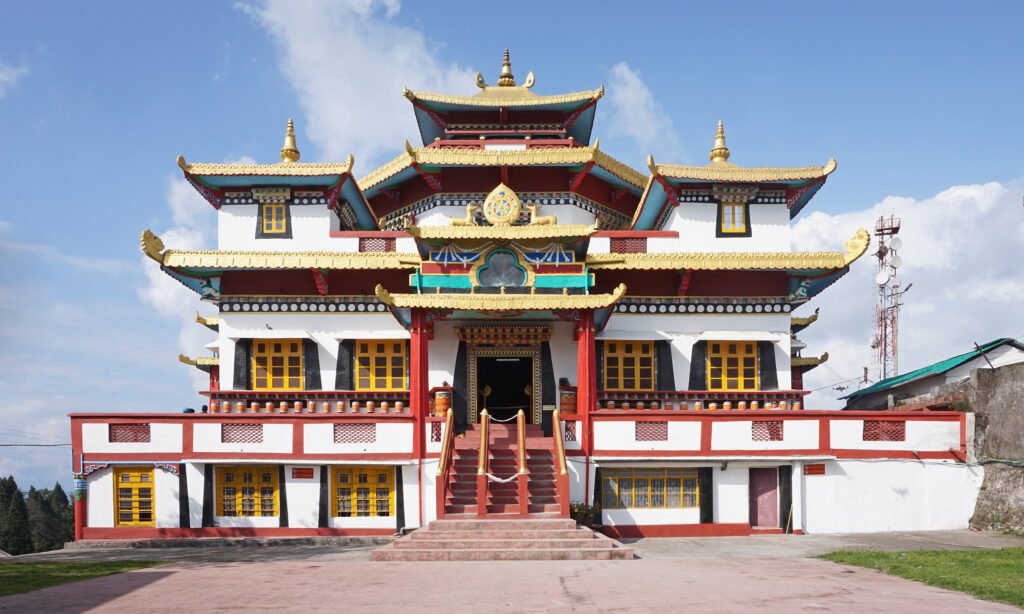
Nestled atop the scenic Durpin Dara Hill in Kalimpong, Durpin Monastery—officially known as Zang Dhok Palri Monastery—is one of the region’s most revered Buddhist landmarks. Established in 1976 under the guidance of His Holiness Dudjom Rinpoche, the monastery is an important center of Tibetan Buddhism and spiritual learning. Surrounded by rolling hills and peaceful landscapes, it offers visitors a quiet retreat away from the rush of everyday life.
The monastery holds deep religious and cultural significance, particularly for followers of the Nyingma school of Tibetan Buddhism. Its tranquil setting, spiritual atmosphere, and rich heritage make it a meaningful destination for pilgrims, Buddhist practitioners, and travelers alike. Whether one visits for prayer, meditation, or sightseeing, Durpin Monastery leaves a lasting impression through its calm surroundings and sacred traditions.
Spiritual and Historical Significance
Durpin Monastery is not only admired for its architecture and location but also for the spiritual treasures it preserves. One of its greatest distinctions is the collection of rare Buddhist scriptures brought from Tibet by the Dalai Lama. Among these are the revered 108 volumes of the Kangyur, sacred texts containing the teachings of the Buddha. These manuscripts make the monastery an important repository of Tibetan Buddhist knowledge and heritage.
The monastery serves as a place where monks engage in prayer, study, and traditional rituals, helping preserve centuries-old Buddhist teachings and practices. Its role as a center of learning and devotion has contributed significantly to Kalimpong’s spiritual identity and cultural landscape.
Architecture and Peaceful Ambiance
The beauty of Durpin Monastery lies not only in its spiritual value but also in its striking architecture and serene environment. The monastery features traditional Tibetan design, marked by vibrant colors, intricate detailing, and sacred symbolism. The prayer halls are adorned with elaborate murals and wall paintings that depict Buddhist deities, stories, and philosophical teachings.
Inside, the atmosphere is peaceful and contemplative. The soft sound of chanting prayers, spinning prayer wheels, and the fragrance of incense create a calming experience for visitors. Fluttering prayer flags surrounding the monastery add both spiritual symbolism and visual charm, representing prayers and blessings carried by the wind.
Major Attractions at Durpin Monastery
One of the primary attractions of Durpin Monastery is its magnificent prayer hall, where visitors can admire detailed paintings and sacred Buddhist artwork. The hall reflects the rich artistic traditions of Tibetan Buddhism and provides insight into its spiritual philosophy.
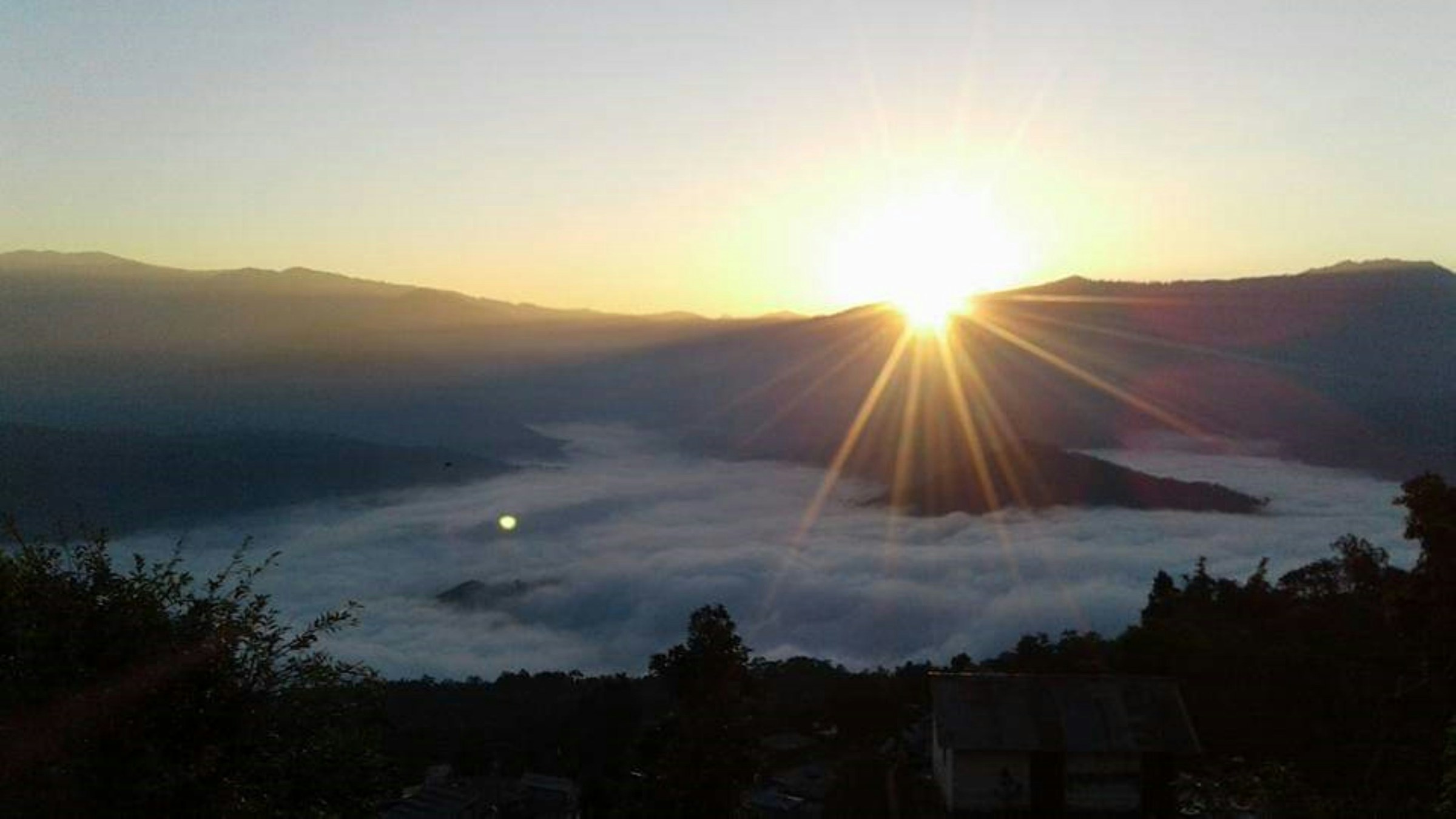
Another major highlight is the monastery’s terrace, which offers breathtaking panoramic views of the surrounding region. From this vantage point, visitors can witness the snow-covered Kanchenjunga range, the winding Teesta River, and the lush green valleys of Kalimpong. These scenic landscapes make the monastery a favorite destination for photographers and nature lovers.
During Buddhist festivals and religious occasions, the monastery comes alive with ceremonial chanting, prayers, masked dances, and traditional rituals. These celebrations provide a rare opportunity for travelers to experience Tibetan Buddhist culture and customs firsthand.
Best Time to Visit
Durpin Monastery can be visited throughout the year, though the ideal time is between March and June or September and December. During these months, the weather remains pleasant, skies are generally clearer, and mountain views are often at their best.
Winter offers crisp air and beautiful Himalayan scenery, while the monsoon season brings lush greenery but may occasionally affect travel plans due to rainfall. Visitors seeking a peaceful and less crowded experience may prefer weekdays or early morning visits.
How to Reach Durpin Monastery
Durpin Monastery is located approximately 3 kilometers from the center of Kalimpong town and is easily accessible by local transport. Visitors can hire taxis or use shared jeeps available throughout the town to reach the monastery comfortably.
For travelers arriving from other parts of India, the nearest railway station is New Jalpaiguri (NJP), situated about 75 kilometers away. The closest airport is Bagdogra Airport, approximately 80 kilometers from Kalimpong, both of which are well connected to major Indian cities.
From NJP or Bagdogra, visitors can hire private cabs or board shared taxis through Siliguri and Teesta Bazaar to reach Kalimpong. Once in town, local transportation options make the journey to Durpin Monastery simple and convenient.
Nearby Attractions
- Durpin Dara Viewpoint (Adjacent)
Located beside the monastery, this viewpoint offers spectacular panoramic views of the Teesta River, Kalimpong town, the Himalayan ranges, and the Jelep La Pass on clear days. - Deolo Hill (Approx. 6 km)
The highest point in Kalimpong, Deolo Hill is famous for its landscaped gardens, adventure activities, paragliding, and breathtaking views of Kanchenjunga and the surrounding valleys. - Pine View Nursery (Approx. 4 km)
One of Asia’s largest cactus nurseries, featuring hundreds of species of cacti, succulents, orchids, and ornamental plants. - Mangal Dham Temple (Approx. 5 km)
A beautiful Hindu temple dedicated to Guru Shri Mangal Das Ji, known for its peaceful atmosphere and elegant architecture. - Dr. Graham’s Homes (Approx. 4 km)
A historic educational institution established in 1900, admired for its Scottish-style architecture, scenic campus, and heritage significance. - Kalimpong Arts and Crafts Centre (Approx. 3 km)
A cultural centre where visitors can explore traditional Tibetan and Himalayan handicrafts, woven textiles, wood carvings, and handmade souvenirs.
Why Visit Durpin Monastery?
Durpin Monastery offers far more than a sightseeing experience. It is a place where spirituality, history, art, and natural beauty come together in harmony. Visitors can immerse themselves in Buddhist culture, admire sacred scriptures and murals, enjoy sweeping Himalayan views, or simply spend time in quiet reflection.
For anyone exploring Kalimpong, Durpin Monastery stands as a destination that combines cultural richness with inner tranquility, making it one of the most memorable attractions in the region.
Google Maps
FAQs
1. What is Durpin Monastery famous for?
Durpin Monastery is famous for its rare Buddhist scriptures, including the 108 volumes of Kangyur gifted by the Dalai Lama, as well as its spiritual significance and panoramic Himalayan views.
2. Where is Durpin Monastery located?
The monastery is situated on Durpin Dara Hill, around 3 kilometers from Kalimpong town in West Bengal, India.
3. Who built Durpin Monastery?
Durpin Monastery was established in 1976 under the guidance of His Holiness Dudjom Rinpoche.
4. What can visitors see at the monastery?
Visitors can explore the prayer halls, admire colorful murals and sacred paintings, view rare Buddhist scriptures, and enjoy scenic vistas of Kanchenjunga, the Teesta River, and Kalimpong valleys.
5. What is the best time to visit Durpin Monastery?
The best time to visit is during spring and autumn, particularly from March to June and September to December, when the weather is pleasant and mountain views are clearer.
6. How much time is needed to explore the monastery?
Most visitors spend around one to two hours exploring the monastery, enjoying the views, and experiencing its peaceful atmosphere.
7. Is Durpin Monastery suitable for families and tourists?
Yes, Durpin Monastery is suitable for families, solo travelers, photographers, spiritual seekers, and anyone interested in Tibetan culture and Himalayan landscapes.