About Mata Mansa Devi Temple
| Location | Panchkula, Haryana, India |
| Dedicated To | Goddess Mansa Devi (Form of Shakti) |
| Significance | One of the most revered Shakti Peethas in North India |
| Built By | Maharaja Gopal Singh of Manimajra (1811-1815) |
| Temple Complex | Consists of the main temple and Patiala Temple |
| Major Festivals | Navratri (March-April & September-October) |
| Best Time to Visit | Navratri, Winter Months (October to March) |
| Entry | Free |
| Opening Hours | 4:00 AM – 10:00 PM (May vary on special occasions) |
| Nearest City | Chandigarh (Approx. 12 km) |
| Nearest Railway Station | Chandigarh Railway Station (Approx. 17 km) |
| Nearest Airport | Chandigarh International Airport (Approx. 27 km) |
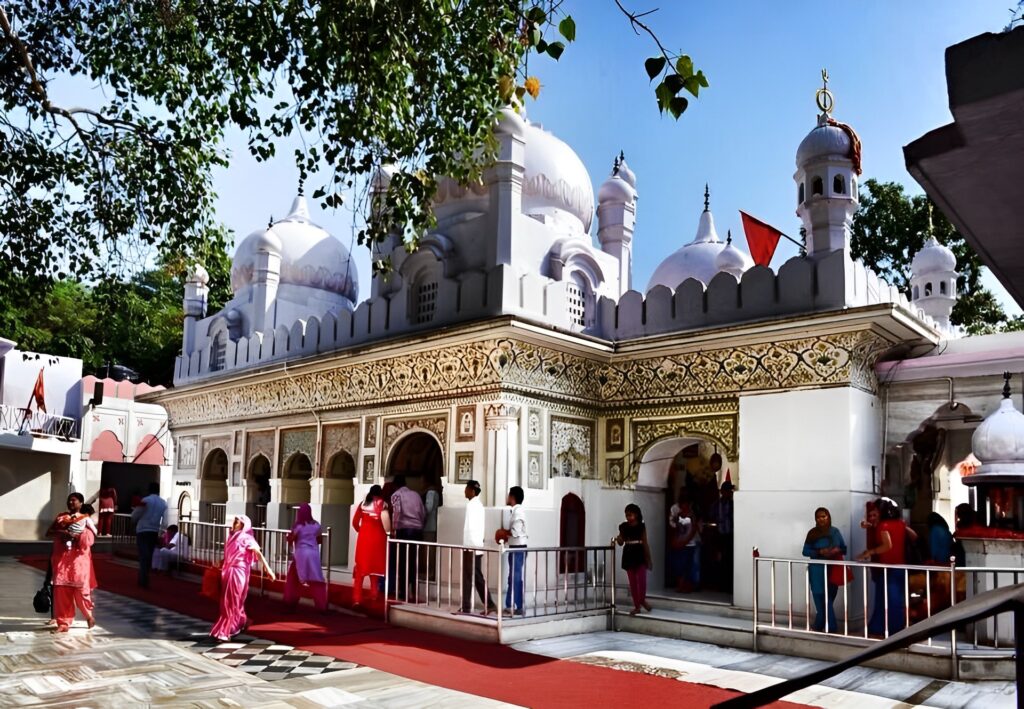
Mata Mansa Devi Temple, one of the prominent Shakti Peeth temples of North India, is situated in the Panchkula district of Haryana. According to Hindu mythology, the forehead of Sati has fallen at this place. When locals visited the place, they started worshipping it in the form of Shillas.
If you talk about the exact locations of the temple, then the shrine complex, spread over an area of 100 acres, is in Bilaspur village, near Sector 13 of Chandigarh. Chandi Mandir, another noted shrine, is 10 km from the temple.
Who Is Mata Mansa Devi?
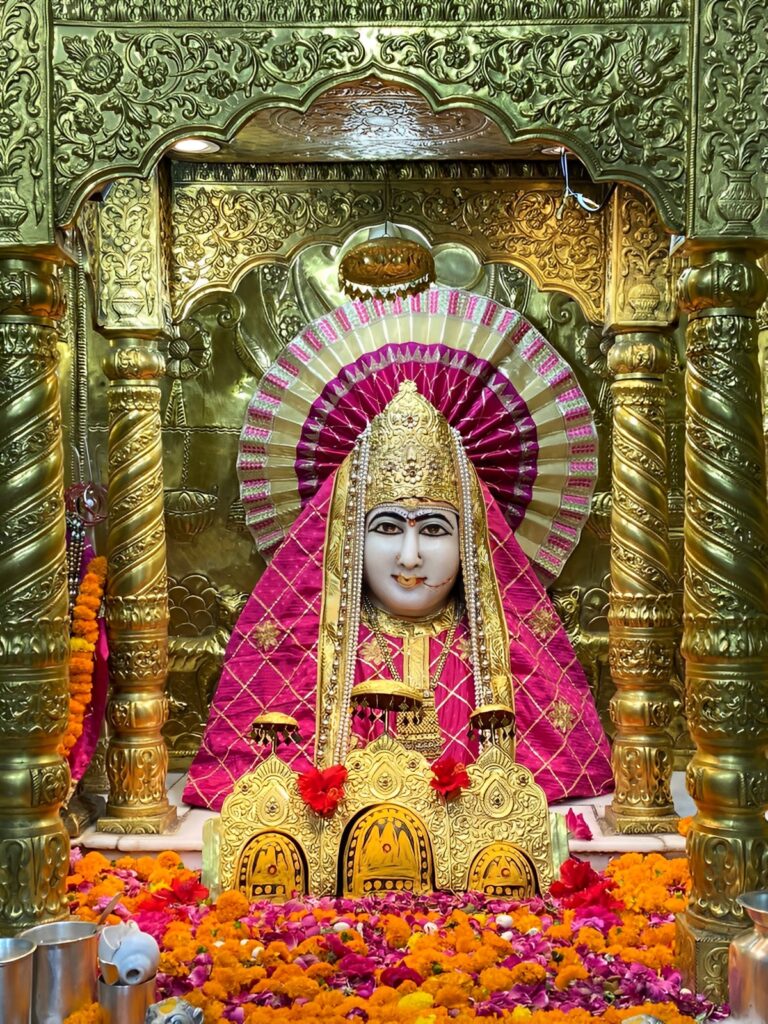
Mata Mansa Devi is traditionally associated with Nag Shakti (serpent power) and is often identified as a manifestation of Goddess Shakti. Local belief holds her to be the daughter of Sage Kashyapa and linked to serpent worship prevalent in the Himalayan foothills. In regional folklore, she is invoked for protection from snakebites, fulfillment of desires, fertility, and family well-being.
History of Mata Mansa Devi Temple
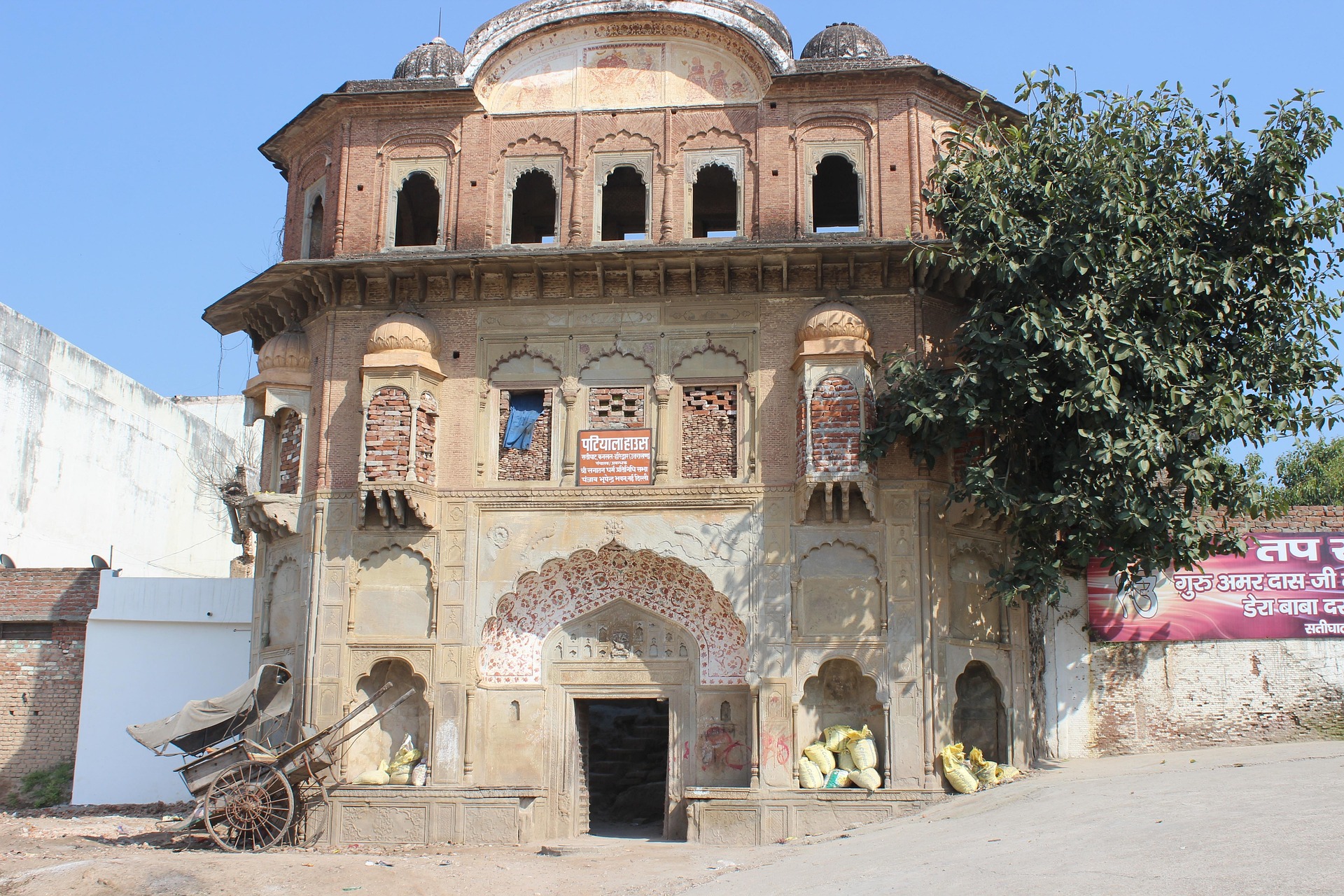
The temple complex was constructed in three phases, which resulted in three temples. The main temple and oldest temple, Shri Mansa Devi Temple, was constructed by Maharaja Gopal Das Singh of Mani Majra during 1811–15. The other temple, Patiala Shivalaya Temple, or Patiala Temple, at a distance of 200 m from Mansa Devi, was constructed by Karam Singh, Maharaja of Patiala, in 1840. The Shiva temple is adorned with 38 panels of wall paintings.
Architecture and Temple Layout
The complex consists of two main temples—the Patiala Temple (older shrine) and the Mani Majra Temple (newer shrine). Built in North Indian Nagara style, the structures feature whitewashed walls, arched entrances, and elevated platforms. The sanctum houses the goddess without a traditional idol, represented symbolically, emphasizing faith over form.
Neglect after Independence
After independence, princely states were merged into PEPSU (the Patiala and East Punjab States Union). The pujaris of the temple became independent to control the affairs of the temple. But unfortunately, they could not maintain the facilities and administration of the temple. When pilgrims visited places during Navratras, it caused havoc.
After the formation of Haryana, the administration and management of temples came under the government of Haryana, who, owing to the popularity of the temple, set up the “Shri Mansa Devi Shrine Board (SMMDSB) Panchkula” by the enactment of Haryana Act No. 14 of 1991.
SMMDSB also manages the Chandi Mandir, after which Chandigarh city is named, and Chandigarh cantonment.
Integration with Regional Shakti Network
Mata Mansa Devi Temple forms part of a larger Shakti pilgrimage circuit that includes Chintpurni, Naina Devi, and Jwala Ji in Himachal Pradesh. This network reflects the continuity of Shakti worship across the Shivalik and lower Himalayan region, blending folk belief with classical Hindu theology.
Festivals
During Navratri mela, lakhs of Hindus flock to the Mansa Devi temple. The months of Ashvin (winter Navratri) and Chaitra (spring Navratri) witness the Navratri festival for nine days. During these two months, accommodation, stay facilities, and making elaborate arrangements are done by the shrine board so that devotees can do darshan of the Mata Mansa Devi mandir. The number of visitors to the melas is so great that the duty magistrate and nodal officers look after the conduct of the meal.
Timing
MANDIR TIMINGS
MANDIR OPENING CLOSING TIME
Summer Timings: 4 AM to 10 PM
Winter Timings: 5 AM to 9 PM
ARTI TIMINGS
MORNING: 5 AM / 6 AM
EVENING: 6 PM / 7 PM
Here’s a concise Nearby Attractions section in the same travel-guide style:
Nearby Attractions of Mata Mansa Devi Temple
Nada Sahib Gurudwara (Approx. 4 km)
Located on the banks of the Ghaggar River, Nada Sahib Gurudwara is one of the most revered Sikh shrines in Haryana. The peaceful atmosphere, beautiful architecture, and spiritual significance attract devotees and visitors throughout the year.
Pinjore Gardens (Approx. 15 km)
Also known as Yadavindra Gardens, this historic Mughal-style garden is famous for its terraced lawns, fountains, palaces, and lush greenery. It is an excellent place for a family outing and evening stroll.
Morni Hills (Approx. 35 km)
The only hill station in Haryana, Morni Hills offers scenic landscapes, trekking trails, dense forests, and beautiful lakes. It is a popular weekend getaway for nature lovers and adventure enthusiasts.
Sukhna Lake (Approx. 8 km)
One of Chandigarh’s most iconic attractions, Sukhna Lake is ideal for boating, walking, and enjoying picturesque sunset views. The lake attracts visitors looking for relaxation and outdoor recreation.
Rock Garden of Chandigarh (Approx. 10 km)
Created by Nek Chand, the Rock Garden is a unique artistic wonder made from recycled materials, sculptures, and waterfalls. It is among the most visited tourist attractions in the Chandigarh region.
Chandigarh Rose Garden (Approx. 11 km)
Officially known as Zakir Hussain Rose Garden, it is one of Asia’s largest rose gardens, featuring thousands of rose varieties along with beautiful landscaped pathways and seasonal flower displays.
How to reach Mata Mansa Devi Temple

By car: The temple is 4 kilometers from the Panchkula bus station.

By train: Chandigarh railway station

By air: Chandigarh airport
- Q: Where is Mata Mansa Devi Temple located?
In Panchkula, Haryana, near the Shivalik foothills.
- Q: Who built the temple?
It was patronized by the Mani Majra rulers in the 18th century.
- Q: When is the best time to visit?
During Navratri or early mornings on regular days.
- Q: Is it connected to other Shakti temples?
Yes, it forms part of the Shivalik Shakti pilgrimage circuit.