About Tso Lhamo Lake
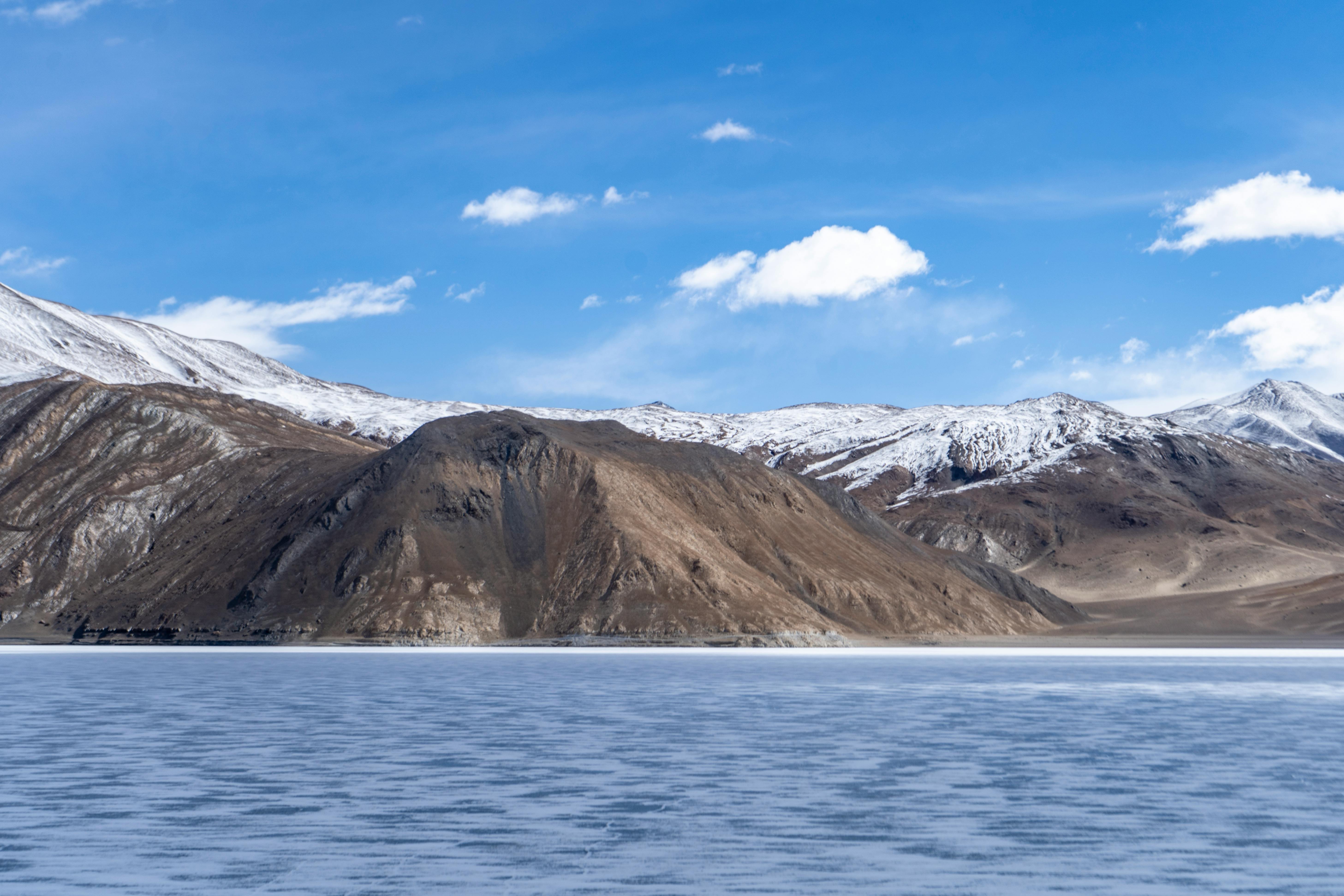
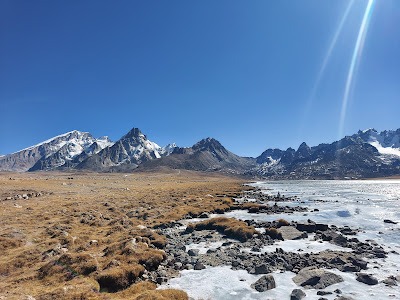
Tso Lhamo Lake, also known as Cholamu Lake, is one of the highest lakes in the world, located in the far northern reaches of Sikkim near the Indo-China border. Sitting at an altitude of over 5,300 meters (17,400 feet), this glacial lake is renowned for its pristine beauty, untouched wilderness, and spiritual significance. Because of its remoteness and difficult accessibility, it remains one of the least explored yet most awe-inspiring destinations in the Himalayas.
Natural Beauty and Significance
Fed by glaciers from the mighty Kangchenjunga and surrounding peaks, Tso Lhamo is the source of the Teesta River, which flows through Sikkim and West Bengal. The lake is surrounded by snow-clad mountains, barren landscapes, and rugged high-altitude terrain, creating a surreal and breathtaking panorama. Its crystal-clear waters reflect the surrounding peaks, giving visitors a sense of tranquility and spiritual connection with nature. Tso Lhamo is also regarded as sacred by both Buddhists and Hindus, with legends associating it with divine blessings.
Travel Tips
Visitors should prepare for altitude sickness, carry warm clothing, and travel with authorized guides due to the sensitive location near the border. The best time to visit is between May and October, as the region remains snowbound for much of the year. Since facilities are minimal, it is recommended to stay in Lachen or Thangu village and make a day trip to the lake.
How to Reach
By Air: The nearest airport is Pakyong Airport near Gangtok, or Bagdogra Airport in West Bengal for wider connectivity.
By Rail: The closest railway station is New Jalpaiguri (NJP).
By Road: From Gangtok, travelers must reach Lachen, from where special permits are required to proceed further towards Tso Lhamo Lake. The route passes through high-altitude villages and military checkpoints.
Nearby Attractions to Tso Lhamo Lake
Although Tso Lhamo Lake is one of the most remote destinations in North Sikkim, several spectacular high-altitude attractions can be explored along the journey. Most of these places are accessible only with special permits and favorable weather conditions.
1. Gurudongmar Lake (Approx. 5–10 km)
One of the highest lakes in the world, Gurudongmar Lake is renowned for its crystal-clear turquoise waters and breathtaking Himalayan surroundings. Revered by both Buddhists and Sikhs, it is one of North Sikkim’s most iconic attractions and is often visited together with Tso Lhamo Lake.
2. Thangu Valley (Approx. 30–35 km)
Situated at an altitude of around 3,900 meters, Thangu Valley is a peaceful Himalayan village surrounded by snow-covered peaks, alpine meadows, and glacial streams. It serves as an important stop for acclimatization before heading toward Gurudongmar and Tso Lhamo.
3. Lachen Village (Approx. 50 km)
Lachen is the gateway to North Sikkim’s high-altitude attractions. This picturesque mountain village offers beautiful views, traditional Bhutia culture, cozy homestays, and the historic Lachen Monastery. Most travelers spend a night here before visiting Tso Lhamo Lake.
4. Chopta Valley (Approx. 25–30 km)
Located on the route to Gurudongmar Lake, Chopta Valley is known for its vast grasslands, colorful alpine flowers during summer, and snow-covered landscapes in winter. The valley is also a great spot for photography and birdwatching.
5. Dongkha La Pass
This high-altitude mountain pass offers panoramic views of the surrounding snow-clad Himalayan ranges and the Tibetan Plateau. Due to its strategic location near the international border, access is generally restricted and depends on permits and road conditions.
6. Teesta River Source
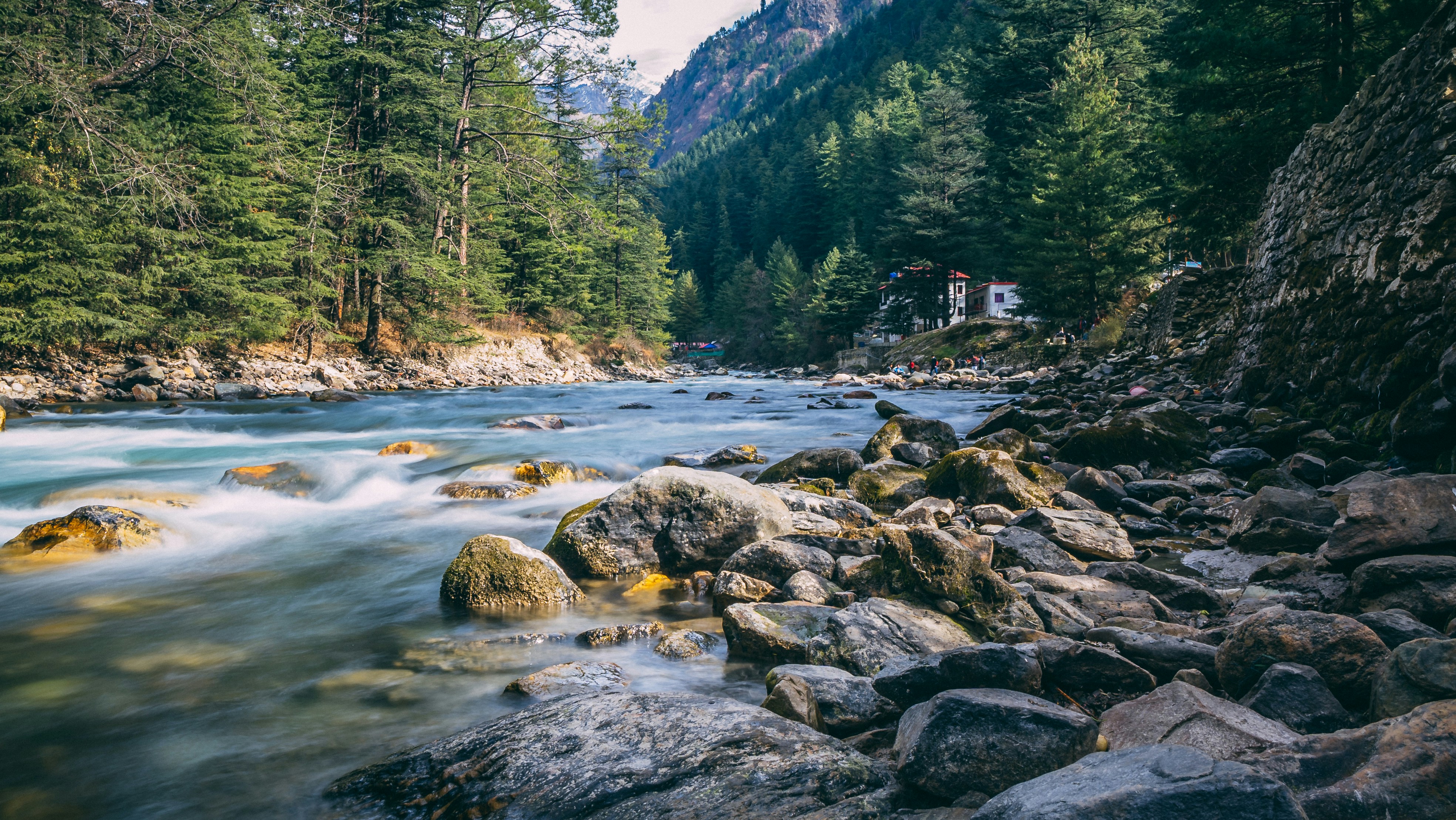
Tso Lhamo Lake is considered one of the primary sources of the Teesta River, one of Sikkim’s most important rivers. Visitors can witness the glacial streams that eventually form this lifeline of the state.
7. Yumthang Valley (Approx. 75–80 km)
Often called the Valley of Flowers, Yumthang Valley is famous for its vibrant rhododendron blooms, lush meadows, hot springs, and spectacular mountain scenery. It is commonly included in North Sikkim itineraries along with Lachen.
8. Shingba Rhododendron Sanctuary
Located near Yumthang Valley, this sanctuary is home to dozens of rhododendron species that bloom during spring, transforming the valley into a colorful landscape. It is a paradise for nature lovers and photographers.
Google Maps
FAQs
1. Where is Tso Lhamo Lake located?
Tso Lhamo Lake is located in the Mangan district of North Sikkim, close to the India–China border. Situated at an altitude of about 5,330 meters (17,490 feet), it is among the highest lakes in the world.
2. Do I need a permit to visit Tso Lhamo Lake?
Yes. Tso Lhamo Lake lies in a restricted border area, and visitors must obtain a Protected Area Permit (PAP). The permit is usually arranged by registered tour operators in Gangtok or Lachen. Indian nationals can visit with the required permits, while foreign nationals are generally not allowed to visit Tso Lhamo Lake due to border restrictions.
3. What is the best time to visit Tso Lhamo Lake?
The best time to visit is from April to June and October to early November, when the roads are relatively accessible and the weather is clear. Heavy snowfall during winter and landslides during the monsoon may make travel difficult.
4. How can I reach Tso Lhamo Lake?
The journey starts from Gangtok to Lachen, where travelers usually stay overnight for acclimatization. From Lachen, visitors travel by a permitted four-wheel-drive vehicle via Thangu and Gurudongmar Lake to reach Tso Lhamo Lake.
5. What is the altitude of Tso Lhamo Lake?
Tso Lhamo Lake is located at an elevation of approximately 5,330 meters (17,490 feet) above sea level, making it one of India’s highest lakes.
6. Is Tso Lhamo Lake suitable for all travelers?
Due to its extreme altitude and low oxygen levels, the lake may not be suitable for everyone. People with heart conditions, respiratory illnesses, or severe altitude sensitivity should consult a doctor before planning the trip.
7. Can I visit Tso Lhamo Lake and Gurudongmar Lake on the same day?
Yes. Many North Sikkim itineraries include both Gurudongmar Lake and Tso Lhamo Lake on the same day, subject to weather conditions, road accessibility, and permits.
8. Are there hotels or restaurants near Tso Lhamo Lake?
No. There are no hotels, restaurants, or permanent tourist facilities near the lake. The nearest accommodation is available in Lachen, while simple tea stalls may be found at Thangu during the tourist season.
9. What should I carry while visiting Tso Lhamo Lake?
Carry warm layered clothing, gloves, a woollen cap, sturdy shoes, sunglasses, sunscreen, drinking water, snacks, personal medicines, and valid government-issued ID proof. Since the weather changes rapidly, windproof and waterproof clothing is highly recommended.
10. Why is Tso Lhamo Lake famous?
Tso Lhamo Lake is famous for its breathtaking high-altitude Himalayan scenery, pristine glacial waters, and its significance as one of the primary sources of the Teesta River. Its remote location, untouched natural beauty, and proximity to the international border make it one of the most exclusive and remarkable destinations in North Sikkim.