Image Source: Ommsmita
About Tikarpada Wildlife Sanctuary
Tikarpada Wildlife Sanctuary, situated in the Angul district of Odisha, is a pristine conservation area known for its rich riverine forest ecosystem. Spread over approximately 208 square kilometers, the sanctuary is a haven for wildlife and a significant ecological zone along the Mahanadi River.
It attracts nature enthusiasts, birdwatchers, and wildlife photographers seeking a glimpse of Odisha’s lesser-explored natural landscapes.
Flora and Fauna
The sanctuary’s dense riverine forests are home to a variety of flora, including tropical deciduous trees, bamboo groves, and medicinal plants. Tikarpada is particularly famous for its diverse fauna, which includes leopards, elephants, spotted deer, sambar, and wild boar. Birdlife is abundant, with species such as kingfishers, woodpeckers, and migratory waterfowl making it an ideal destination for ornithologists.
The sanctuary’s proximity to the Mahanadi River supports rich aquatic biodiversity as well.
Ecological and Conservation Significance
Tikarpada plays a critical role in maintaining the ecological balance of the region. Its riverine forests act as a buffer zone, protecting the riverbanks from erosion and supporting sustainable habitats for both terrestrial and aquatic species.
The sanctuary is part of Odisha’s broader wildlife conservation strategy, providing safe corridors for elephants and other large mammals, while also preserving the biodiversity of central Odisha.
Travel and Visitor Experience
Visitors to Tikarpada Wildlife Sanctuary can enjoy guided safaris, birdwatching tours, and nature trails. The serene environment allows for immersive experiences in natural landscapes, with opportunities to spot wildlife in their natural habitats.
Photography enthusiasts can capture the scenic beauty of the riverine forests, especially during the early morning and late afternoon when wildlife is most active.
How to Reach
Tikarpada Wildlife Sanctuary is located about 60 km from Angul town and 150 km from Bhubaneswar. It is accessible by road, with local taxis, buses, and private vehicles providing transport to the sanctuary entrance.
The nearest railway station is Angul Railway Station, while Biju Patnaik International Airport in Bhubaneswar serves as the closest air connection for long-distance travelers.
Nearby Attractions
- Satkosia Gorge (about 2 km) – A spectacular 22-kilometre gorge carved by the Mahanadi River through the Eastern Ghats. It is one of Odisha’s most scenic natural landmarks and offers breathtaking viewpoints.
- Tikarpada Gharial Research and Conservation Unit (within the sanctuary) – A renowned conservation centre dedicated to the breeding and rehabilitation of the endangered gharial. Visitors can learn about crocodile conservation efforts and observe these reptiles in a protected environment.
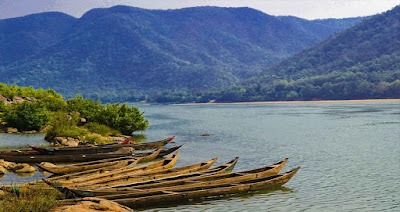
- Mahanadi River (adjacent to the sanctuary) – The river offers seasonal boating, picturesque riverside views, birdwatching opportunities, and excellent photography, especially around the Satkosia Gorge.
- Satkosia Tiger Reserve (within the reserve) – Explore dense forests, diverse wildlife, trekking trails, eco-tourism camps, and one of eastern India’s richest biodiversity hotspots.
- Purunakote Nature Camp (about 25 km) – A peaceful eco-tourism destination known for wildlife sightings, forest trails, and comfortable nature camps.
- Chhotkei Nature Camp (about 35 km) – A hilltop eco-camp offering panoramic views of forests, valleys, and the Satkosia landscape, making it popular with birdwatchers and photographers.
- Badamul Nature Camp (about 50 km) – Situated on the southern side of Satkosia, this eco-camp is known for boating, riverside camping, and scenic views of the Mahanadi.
- Angul (about 60 km) – The nearest major town to the sanctuary, offering accommodation, restaurants, shopping facilities, and serving as the primary gateway to Tikarpada.
Google Maps
FAQs
What is Tikarpada Wildlife Sanctuary famous for?
Tikarpada Wildlife Sanctuary is famous for the Satkosia Gorge, the Gharial Research and Conservation Unit, the scenic Mahanadi River, rich wildlife, boating, trekking, and eco-tourism activities.
What is the best time to visit Tikarpada Wildlife Sanctuary?
The ideal time to visit is October to March, when the weather is pleasant and wildlife sightings, boating, and outdoor activities are at their best.
Which animals can be seen in the sanctuary?
The sanctuary is home to tigers, leopards, Asian elephants, gaur, sambar deer, spotted deer, sloth bears, four-horned antelopes, gharials, mugger crocodiles, and numerous species of resident and migratory birds.
Is boating available at Tikarpada?
Yes. Seasonal boating on the Mahanadi River is one of the sanctuary’s most popular activities, offering excellent views of the Satkosia Gorge and opportunities to spot crocodiles and water birds. Availability depends on river conditions and forest department regulations.
Is safari available in Tikarpada Wildlife Sanctuary?
Yes. Visitors can explore designated tourism areas through guided forest excursions and approved safari routes. Nature walks and eco-tourism activities are also available in permitted zones.
How much time is needed to explore Tikarpada Wildlife Sanctuary?
A stay of 1–2 days is ideal to experience the wildlife sanctuary, boating, the Gharial Conservation Centre, nearby eco-camps, and the scenic Satkosia Gorge.
Are accommodation facilities available near the sanctuary?
Yes. Eco-cottages, forest rest houses, and nature camps are available in and around Tikarpada, Purunakote, Chhotkei, and Badamul. Advance booking is recommended, particularly during the winter tourist season.
Is Tikarpada Wildlife Sanctuary suitable for families?
Yes. It is an excellent destination for families, wildlife enthusiasts, birdwatchers, photographers, and adventure lovers. Visitors should follow all forest guidelines, avoid disturbing wildlife, and help preserve the sanctuary’s natural environment.