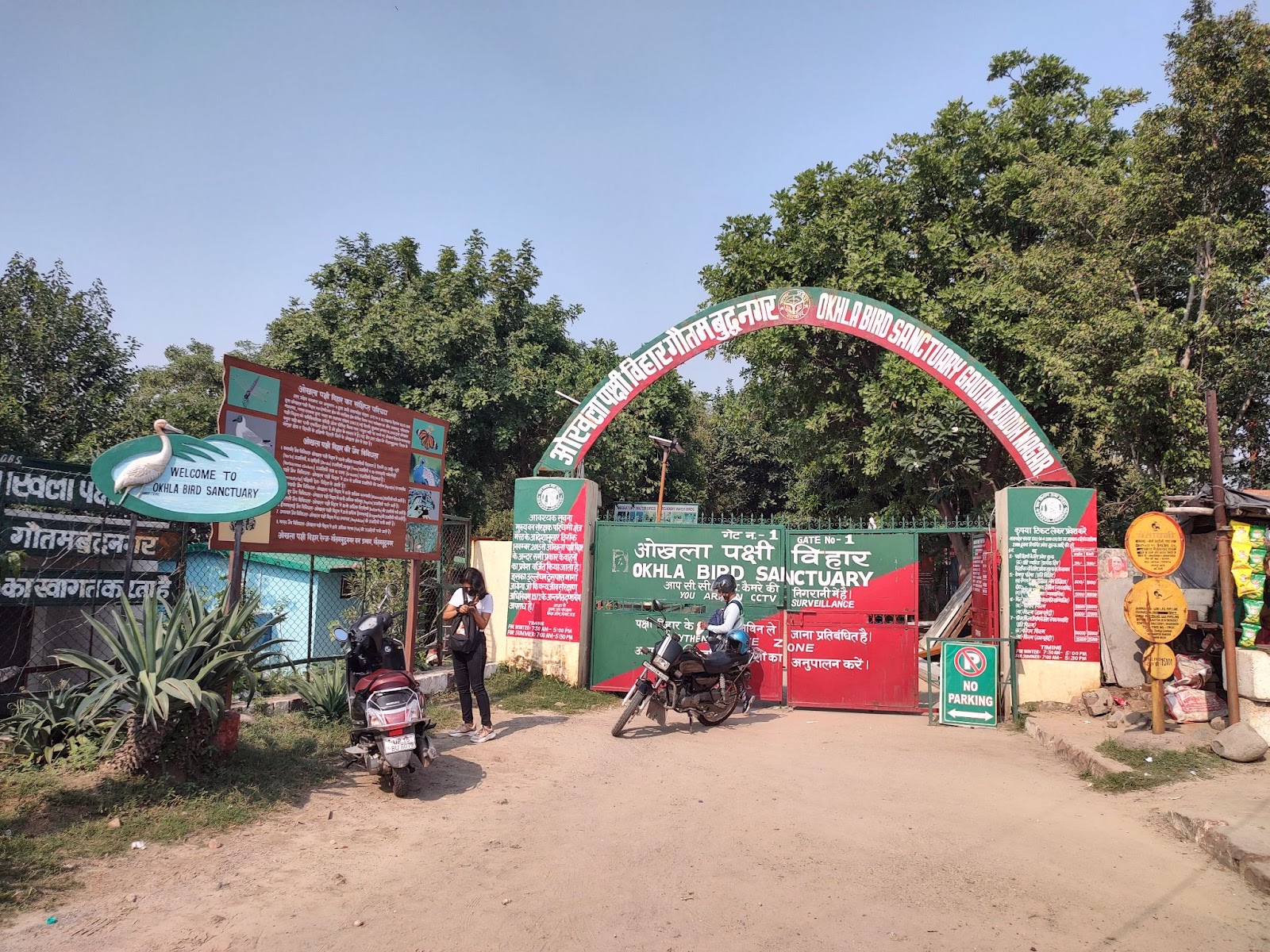
About Okhla Bird Sanctuary
In a city often associated with busy roads, towering buildings, and endless urban development, finding a peaceful natural retreat can feel like a challenge. Fortunately, the Okhla Bird Sanctuary offers a refreshing escape from the hustle and bustle of Delhi-NCR. Located along the banks of the Yamuna River near the Okhla Barrage, this wetland sanctuary is one of the region’s most important habitats for birds and wildlife.
Spread across approximately 4 square kilometers, the sanctuary was officially declared a protected area by the Government of Uttar Pradesh in 1990 under the Wildlife Protection Act of 1972. Despite being surrounded by rapidly growing urban areas such as Noida, Delhi, and Greater Noida, the sanctuary continues to serve as a vital refuge for hundreds of bird species.
The sanctuary lies on the Delhi–Uttar Pradesh border and attracts birdwatchers, photographers, students, researchers, and nature enthusiasts throughout the year.
A Paradise for Birdwatchers
Okhla Bird Sanctuary is considered one of the best birdwatching destinations in northern India. More than 300 species of birds have been recorded here, including both resident and migratory species.
During the winter months, thousands of migratory birds arrive from Central Asia, Siberia, and other colder regions to escape harsh weather conditions. At the peak of the migration season, nearly one lakh birds may be seen in and around the wetlands. The sanctuary’s mix of marshes, open water bodies, grasslands, and woodland patches creates an ideal environment for a remarkable variety of birds.
Early mornings are especially rewarding, as visitors can observe birds feeding, nesting, and flying across the wetlands while enjoying the tranquil atmosphere.
Birds Commonly Seen at the Sanctuary
The sanctuary supports an impressive diversity of avian life. Some of the notable species recorded here include:
- Black-necked Stork.
- Painted Stork.
- Woolly-necked Stork.
- Asian Openbill.
- Eurasian Spoonbill.
- Grey Heron.
- Purple Heron.
- Little Egret.
- Great Egret.
- Indian Cormorant.
- Black-crowned Night Heron.
- Indian Pond Heron.
- Cattle Egret.
- White-throated Kingfisher
- Common Kingfisher.
- River Tern.
- Pheasant-tailed Jacana.
- Black-winged Stilt.
- Red-wattled Lapwing.
- Little Ringed Plover.
- Purple Swamphen.
- Common Moorhen.
- White-breasted Waterhen.
- Indian Roller.
- Little Grebe.
Winter visitors frequently include ducks such as Garganey, Northern Shoveler, Common Teal, and Eurasian Wigeon.
Apart from birds, visitors may also encounter turtles, fish, butterflies, dragonflies, and small mammals that inhabit the wetland ecosystem.
Ecological Importance
The sanctuary plays a critical role in maintaining ecological balance in the Yamuna floodplain region. Wetlands such as Okhla help regulate water flow, improve groundwater recharge, support biodiversity, and provide breeding grounds for numerous aquatic species.
For researchers and environmentalists, the sanctuary serves as an important site for studying migratory patterns, wetland conservation, and urban ecology.
Conservation Challenges
Like many urban wetlands, Okhla Bird Sanctuary faces challenges from expanding infrastructure and urbanization. The development of nearby commercial complexes, roads, the DND Flyway, and recreational facilities has affected parts of the surrounding habitat and disturbed bird populations over time.
Recognizing the ecological significance of the area, the National Green Tribunal (NGT) in 2013 directed that construction activities within a designated eco-sensitive zone around the sanctuary be regulated. In 2014, the Supreme Court upheld the environmental protection measures, highlighting the need to preserve this important wetland ecosystem for future generations.
Guided Tours and Educational Activities
The sanctuary offers guided nature walks and educational tours that can be arranged through the sanctuary administration. These tours are particularly useful for students, first-time birdwatchers, and wildlife enthusiasts.
Experienced guides help visitors identify different species, understand bird behavior, and learn about the ecological importance of wetlands. During migration season, guided tours often increase the chances of spotting rare or uncommon species.
Photography at Okhla Bird Sanctuary
The sanctuary is a favorite destination among wildlife photographers. The combination of water bodies, reeds, migratory birds, and soft morning light creates excellent photography opportunities.
Visitors planning professional photography or videography should check current regulations and obtain any necessary permissions from the authorities before carrying specialized equipment.
Entry Fee
The entry charges are generally as follows:
- Indian Citizen: ₹10.
- Indian Citizen with Vehicle: ₹100.
- Foreign Visitor: ₹250.
- Foreign Visitor with Vehicle: ₹500.
Visitors are advised to verify the latest fees before planning their visit, as charges may change from time to time.
Best Time to Visit
The ideal time to visit Okhla Bird Sanctuary is from November to February.
During these months, migratory birds from Central Asia and Siberia arrive in large numbers, making it the most rewarding season for birdwatching and photography. The pleasant winter weather also makes walking through the sanctuary more comfortable.
Summer visits can still be enjoyable for observing resident bird species, although bird activity is generally lower compared to winter.
Timings
Summer
- 7:00 AM to 5:30 PM
Winter
- 7:30 AM to 5:00 PM
Early morning visits are highly recommended for the best birdwatching experience.
How to Reach Okhla Bird Sanctuary
By Metro
The easiest way to reach the sanctuary is via the Delhi Metro. The nearest metro station is Okhla Bird Sanctuary Metro Station on the Magenta Line, located just a short walk from the entrance.
By Road
The sanctuary is easily accessible from Delhi, Noida, Greater Noida, and Ghaziabad. Visitors can reach it via the DND Flyway, Noida Expressway, or Kalindi Kunj route.
By Rail
The nearest major railway stations are New Delhi Railway Station, Hazrat Nizamuddin Railway Station, and Anand Vihar Terminal.
By Air
The nearest airport is Indira Gandhi International Airport, approximately 30–35 kilometers away depending on the route.
Nearby Attractions
Worlds of Wonder
Located in Noida, this popular amusement and water park is ideal for families looking to combine nature and entertainment in a single day.
The Great India Place (GIP) Mall
One of Noida’s well-known shopping and entertainment destinations, featuring restaurants, cinemas, and retail outlets.
Botanical Garden of Indian Republic
A beautiful green space known for its collection of native and exotic plant species.
Kalindi Kunj Park
Situated along the Yamuna River, this landscaped park is a pleasant spot for relaxation and evening walks.
Akshardham Temple
One of Delhi’s most famous spiritual and cultural landmarks, located a short drive away from the sanctuary.
Travel Tips
- Carry binoculars for a better birdwatching experience.
- Wear comfortable walking shoes.
- Visit early in the morning for maximum bird activity.
- Maintain silence to avoid disturbing wildlife.
- Carry water, sunscreen, and a hat during warmer months.
- Avoid littering and follow sanctuary guidelines.
- Bring a camera with a zoom lens if interested in wildlife photography.
Maps
FAQs
1. Why is Okhla Bird Sanctuary famous?
Okhla Bird Sanctuary is famous for its rich bird diversity and seasonal arrival of thousands of migratory birds from Central Asia and Siberia.
2. What is the best month to visit Okhla Bird Sanctuary?
December and January are generally considered the best months for birdwatching because migratory bird activity is at its peak.
3. Is Okhla Bird Sanctuary suitable for children?
Yes. The sanctuary is an excellent educational destination where children can learn about birds, wetlands, and environmental conservation.
4. How much time is needed to explore the sanctuary?
Most visitors spend between two and four hours exploring the trails, observation points, and wetlands.
5. Which metro station is nearest to Okhla Bird Sanctuary?
Okhla Bird Sanctuary Metro Station on the Delhi Metro Magenta Line is the nearest metro station and provides convenient access to the sanctuary.