Image Source: Jaypee
About Harike Wetland
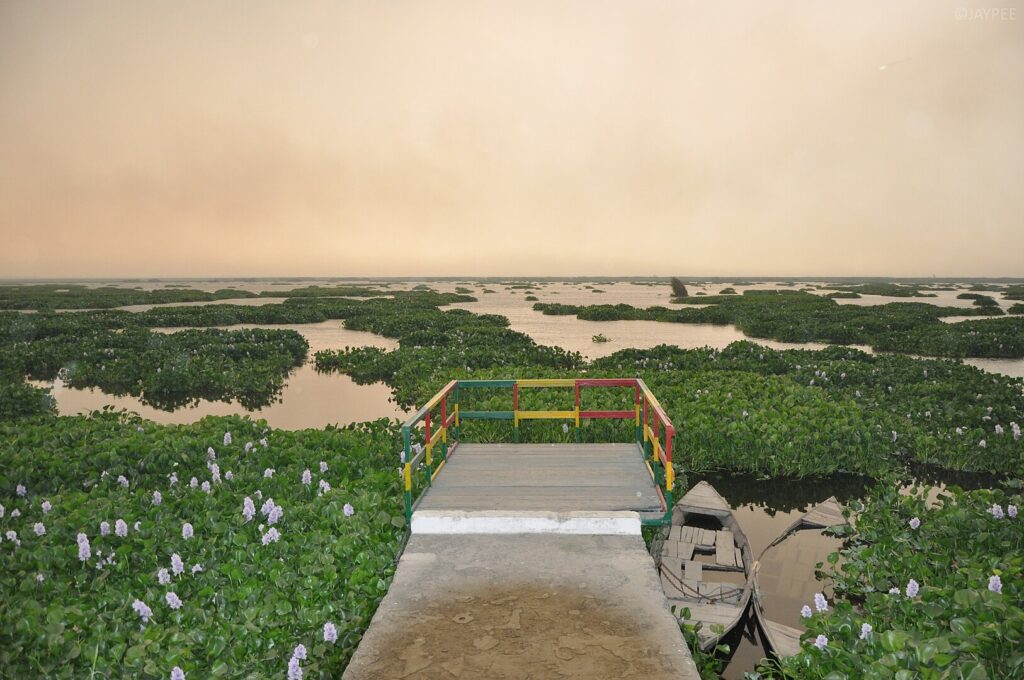
Harike Wetland, also known as Harike Pattan, is the largest freshwater wetland in northern India. Situated at the confluence of the Beas and Sutlej rivers, this sprawling ecosystem spreads across the Tarn Taran, Ferozepur, and Kapurthala districts of Punjab.
Designated a Ramsar Site in 1990, Harike is one of India’s most important bird sanctuaries and wetland reserves—a paradise for nature lovers, ornithologists, and eco-travelers.
Geography
Location: Near Harike town, about 60 km from Amritsar , Punjab.
Size: ~4,100 hectares (41 sq. km), depending on seasonal water levels.
How it formed: The wetland formed after the construction of the Harike Barrage in 1952, where the Beas meets the Sutlej. The reservoir created a vast marshy area and shallow lake, turning it into an ideal habitat for migratory birds and aquatic life. History
The Harike Barrage was built as part of a large irrigation and canal network, supplying water to the Rajasthan Canal (Indira Gandhi Canal) and feeding the Ferozepur and Makhu canals for Punjab’s fertile farmlands.
Over time, the backwaters of the barrage evolved into a rich wetland ecosystem, attracting thousands of migratory birds from as far as Siberia , Central Asia , and Europe every winter. It was officially declared a Wildlife Sanctuary in 1982 and became a Ramsar Site for its international ecological importance in 1990.
What Makes Harike Wetland Special
Birdwatching Paradise
Harike is a major stopover for migratory waterfowl. Over 200 species of birds have been recorded here, including:
- Bar-headed Geese
- Northern Pintails
- Common Teals
- Spot-billed Ducks
- Pied Kingfishers
- And rarities like the White-winged Tern and the endangered Indus River Dolphin in its waters.
Peak birdwatching season is November to February , when the wetland teems with flocks.
Rich Aquatic Biodiversity
The wetland supports endangered freshwater turtles, smooth-coated otters, various fish species, and even the rare Ganges River Dolphin in connected channels.
Nature Trails & Eco-tours
A walk along the bunds (embankments) gives visitors a chance to spot birds, turtles, and marsh flora. Many nature groups and universities conduct guided visits for students and wildlife enthusiasts.
Visitor Guide
Entry Fee:
No formal entry fee for general visits, but special birdwatching or research groups may coordinate with the Punjab Forest Department.
Best Time to Visit:
November to February for migratory birds; the wetland is greenest and teeming with life.
How to Reach:
By Road: About 60 km from Amritsar, 35 km from Tarn Taran, and 70 km from Ferozepur. Taxis or local buses can reach Harike town.
Nearest Railway Station: Amritsar or Tarn Taran.
Nearest Airport: Sri Guru Ram Dass Jee International Airport, Amritsar. Where to Stay
Harike town has limited stay options; most visitors stay in Amritsar or Tarn Taran and make it a day trip.
Where to eat: Local dhabas on the way; pack your own food and water if spending a few hours near the wetland. Travel Tips
Carry binoculars and a good zoom camera for bird photography.
Go early in the morning for the best sightings.
Dress modestly, carry sunscreen, and wear comfortable shoes.
Respect the sanctuary rules: don’t litter, avoid loud noise, and stay on marked paths.
Conservation Concerns
While beautiful, Harike Wetland faces threats:
- Pollution from upstream rivers.
- Encroachment and siltation.
- Poaching and illegal fishing.
Several conservation programs are underway by the Punjab Forest Department, local NGOs, and birding groups to restore and protect this vital ecosystem.
How to Reach Harike Wetland
Harike Wetland, also known as Harike Bird Sanctuary, is located at the confluence of the Beas and Sutlej rivers in Punjab. Spread across the districts of Tarn Taran, Ferozepur, and Kapurthala, it is the largest wetland in northern India and a designated Ramsar Site. The wetland is famous for its rich biodiversity and attracts thousands of migratory birds from Siberia, Central Asia, and Europe during the winter months.
By Air:
The nearest airport is Sri Guru Ram Dass Jee International Airport, Amritsar, about 60 km from Harike Wetland. Another option is Chandigarh International Airport, approximately 220 km away. From the airport, taxis and rental cars are readily available.
By Train:
The nearest railway stations are Makhu (about 10 km) and Ferozepur Cantonment (around 35 km). Amritsar Junction is another major railhead with excellent connectivity to cities across India. Visitors can hire taxis or use local transport from these stations.
By Road:
Harike Wetland is well connected by road from Amritsar (60 km), Ferozepur (35–40 km), Tarn Taran (35 km), Jalandhar (70 km), and Kapurthala (60 km). Regular buses and taxis operate from nearby cities, while self-driving is a convenient option.
Nearby Attractions
- Harike Barrage (Within the Wetland) – Built across the Sutlej River, the barrage creates the vast Harike Lake and offers excellent viewpoints for birdwatching, photography, and sunset views.
- Harike Bird Sanctuary (Within the Wetland) – Home to more than 400 species of resident and migratory birds, the sanctuary is a paradise for birdwatchers. Winter visitors include bar-headed geese, pintails, pochards, shovelers, and numerous other waterfowl.
- Khemkaran (Around 25 km) – A historic border town known for its role during the 1965 Indo-Pak War, including the famous Battle of Asal Uttar.
- Asal Uttar War Memorial (Around 30 km) – A memorial dedicated to the soldiers who fought in the Battle of Asal Uttar, one of India’s most significant tank battles.
- Tarn Taran Sahib (Around 35 km) – Home to the historic Gurdwara Sri Tarn Taran Sahib, renowned for having one of the largest sacred sarovars (holy ponds) in Sikhism.
- Ferozepur Cantonment (Around 35 km) – Visit attractions such as the Saragarhi Memorial, National Martyrs Memorial (Hussainiwala), and other historic landmarks associated with India’s freedom movement.
- Hussainiwala Border (Around 45 km) – Famous for the daily retreat ceremony and the National Martyrs Memorial, where Shaheed Bhagat Singh, Rajguru, and Sukhdev were cremated.
- Goindwal Sahib (Around 55 km) – One of Sikhism’s most sacred pilgrimage sites, known for the historic Baoli Sahib with its 84 steps and its association with Guru Amar Das Ji.
- Kapurthala (Around 60 km) – Often called the “Paris of Punjab,” Kapurthala is famous for the Jagatjit Palace, Moorish Mosque, and beautiful Indo-French architecture.
- Amritsar (Around 60 km) – A perfect extension to your trip, Amritsar is home to the Golden Temple, Jallianwala Bagh, Partition Museum, and the vibrant local markets and food streets.
Google Maps
FAQs
1. Why is Harike Wetland famous?
Harike Wetland is famous as the largest wetland in northern India, a Ramsar Site, and one of the country’s most important habitats for migratory birds and wetland wildlife.
2. What is the best time to visit Harike Wetland?
The ideal time to visit is November to February, when thousands of migratory birds arrive, making it the best season for birdwatching and photography.
3. Can visitors go birdwatching at Harike Wetland?
Yes. Harike is one of India’s premier birdwatching destinations, with observation trails and excellent opportunities to spot ducks, geese, eagles, storks, herons, and many other bird species. Binoculars are highly recommended.
4. Is boating available at Harike Wetland?
Boating is generally restricted and requires prior permission from the concerned authorities, as the wetland is a protected wildlife sanctuary.
5. How far is Harike Wetland from Amritsar?
Harike Wetland is approximately 60 km from Amritsar and can be reached in about 1.5 hours by road.
6. Are accommodation facilities available nearby?
Accommodation is available in Amritsar, Ferozepur, Tarn Taran, and Kapurthala, where visitors can find hotels ranging from budget stays to premium options.
7. Is Harike Wetland suitable for family trips?
Yes. Families, birdwatchers, photographers, students, and nature enthusiasts can enjoy the peaceful surroundings, birdlife, and scenic landscapes. It is also an excellent destination for educational and eco-tourism visits.
8. What should visitors carry while visiting Harike Wetland?
Carry binoculars, a camera with a zoom lens, drinking water, comfortable walking shoes, sunscreen, a hat, and insect repellent. Early morning is the best time for birdwatching, so arriving soon after sunrise is recommended.