Image Source: AshLin
About the Tangsa Tribe
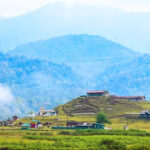
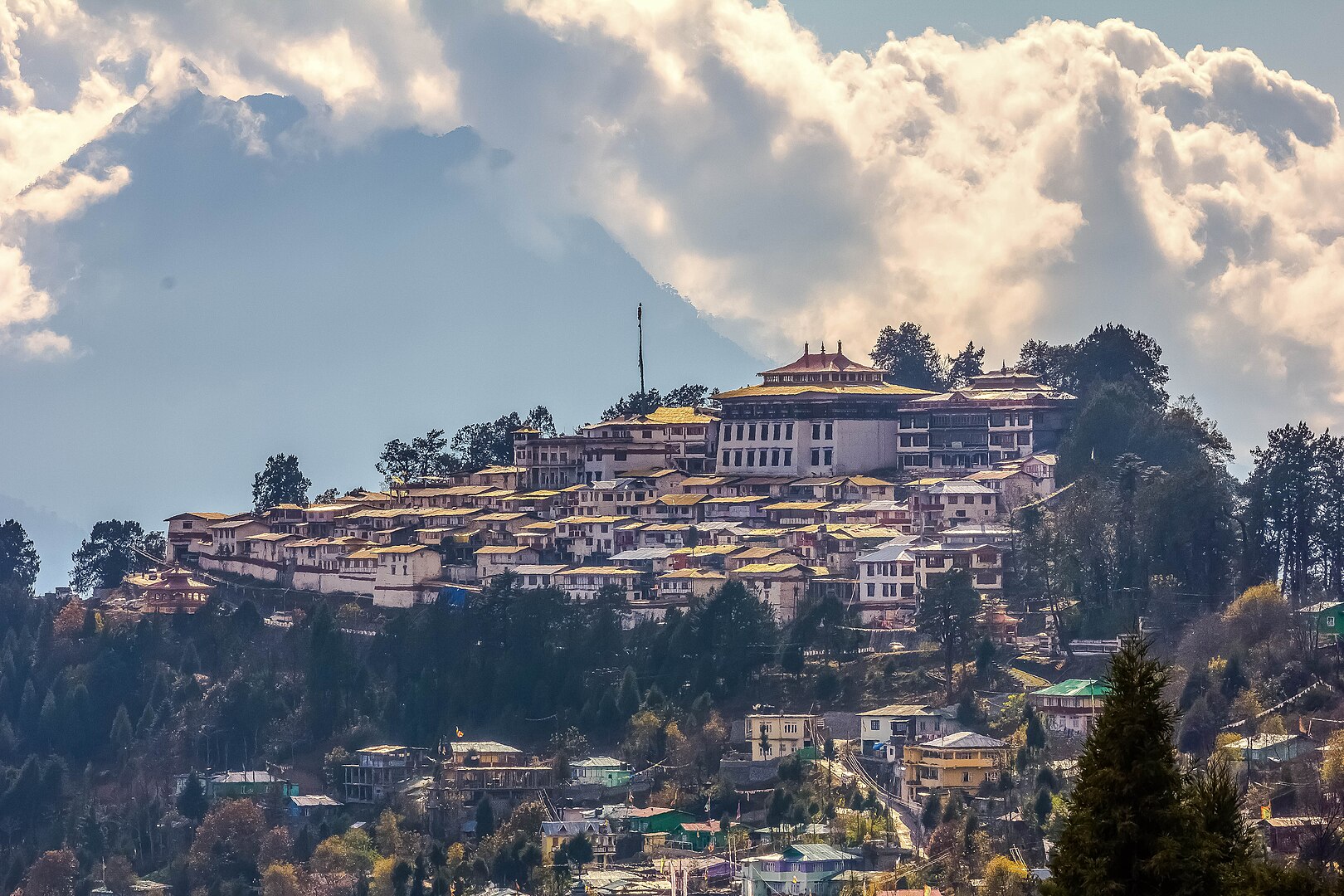
In the far southeastern corner of Arunachal Pradesh, where mist-covered hills merge with thick forests near the Patkai mountain range, lives the Tangsa tribe — one of the most culturally rich communities of Northeast India. Primarily found in the Changlang District region, the Tangsa people are known for their deep-rooted traditions, close relationship with nature, and warm hospitality. Their villages, tucked away among rolling hills and bamboo groves, offer visitors a glimpse into a way of life that has remained closely tied to ancestral customs for generations.
A journey into Tangsa country feels less like a regular trip and more like stepping into a living cultural landscape. Every home, festival, song, and ritual reflects a strong sense of identity and community. Unlike heavily commercialized tourist destinations, Tangsa villages still preserve an authentic rhythm of life shaped by agriculture, oral traditions, and respect for the environment.
Life in a Tangsa Village
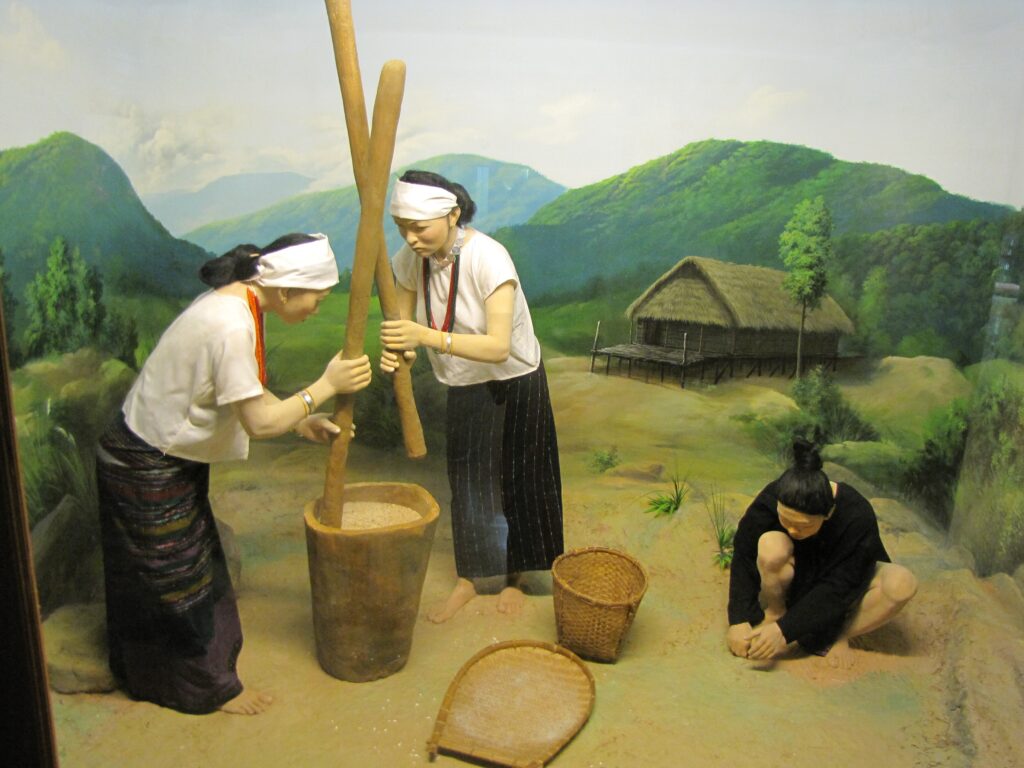
Walking through a Tangsa village is a peaceful and immersive experience. Traditional homes are usually built on raised bamboo stilts, designed to withstand the region’s heavy rainfall and uneven terrain. Constructed using bamboo, timber, cane, and palm leaves, these houses blend naturally into the surrounding forests and hillsides. Smoke rising from kitchen fires, children playing along narrow pathways, and villagers working in nearby paddy fields create a scene that feels untouched by modern chaos.
The villages are often surrounded by dense greenery, vegetable gardens, and terraced agricultural fields. Community life remains strong, and it is common to see elders sitting together discussing village matters while sipping locally brewed tea or traditional rice beer. Hospitality is an important part of Tangsa culture, and visitors are frequently welcomed with genuine warmth.
Agriculture forms the backbone of daily life. Many Tangsa families practice shifting cultivation and grow crops such as rice, millet, maize, and vegetables. Fishing, weaving, and handicrafts also play an important role in sustaining village livelihoods.
Traditional Crafts and Cultural Skills
The Tangsa people are highly skilled artisans. Women are particularly known for their weaving traditions, producing colorful shawls, skirts, and handwoven textiles using indigenous patterns that often symbolize clan identity or local beliefs. Bamboo and cane craftwork are equally impressive, with villagers creating baskets, mats, tools, and household items entirely by hand.
Wood carving is another respected craft among the community. Decorative carvings and traditional tools often reflect motifs inspired by animals, forests, and tribal folklore. Watching these crafts being made offers visitors a deeper appreciation of how closely Tangsa life is connected to natural resources and inherited knowledge.
Festivals and Celebrations
Festivals are among the best times to experience Tangsa culture. They are vibrant occasions filled with music, dance, rituals, and communal feasting. Two of the most important festivals celebrated by the Tangsa tribe are Mol and Sakrat.
Mol, celebrated in April, marks the agricultural cycle and is associated with prayers for prosperity, good harvests, and community well-being. Traditional dances, rhythmic drumming, and ceremonial gatherings transform the villages into lively cultural spaces during this period.
Sakrat, celebrated in January, is another important festival that brings families and communities together. It is observed with feasts, folk songs, and rituals that honor ancestral traditions. During festival celebrations, visitors may be invited to taste local delicacies such as smoked meat, bamboo shoot curry, boiled herbs, fermented dishes, and millet-based beverages.
The dances performed during these festivals are not merely entertainment; they are expressions of history, spirituality, and identity passed down through generations.
Spiritual Beliefs and Traditions
One of the most fascinating aspects of Tangsa society is the coexistence of different belief systems. Traditional animist practices continue to influence village life, even as Buddhism and Christianity have also become part of the community over time. This blend of faiths has created a unique cultural atmosphere where ancient rituals and modern religious practices exist side by side.
Nature occupies a sacred place in Tangsa belief systems. Forests, rivers, hills, and animals are often associated with spiritual significance. Many traditional rituals revolve around maintaining harmony between humans and the natural world.
Storytelling is another important cultural tradition. In the evenings, elders often gather around fires to share tales of clan origins, heroic ancestors, forest spirits, and myths connected to the land. These oral traditions help preserve the tribe’s history and cultural memory in a region where stories have long been passed down verbally rather than through written records.
Food and Local Cuisine
Tangsa cuisine reflects the simplicity and richness of hill life. Meals are usually prepared using fresh local ingredients gathered from forests, farms, and rivers. Rice is the staple food, accompanied by boiled vegetables, smoked or dried meat, bamboo shoots, herbs, and fermented preparations.
Unlike heavily spiced mainstream Indian cuisine, Tangsa dishes focus more on natural flavors and traditional cooking methods. Smoked pork, fish cooked in bamboo tubes, and leafy vegetable stews are common delicacies in many villages. Locally brewed millet or rice beer is also an important part of social and ceremonial gatherings.
Natural Beauty Around Tangsa Villages
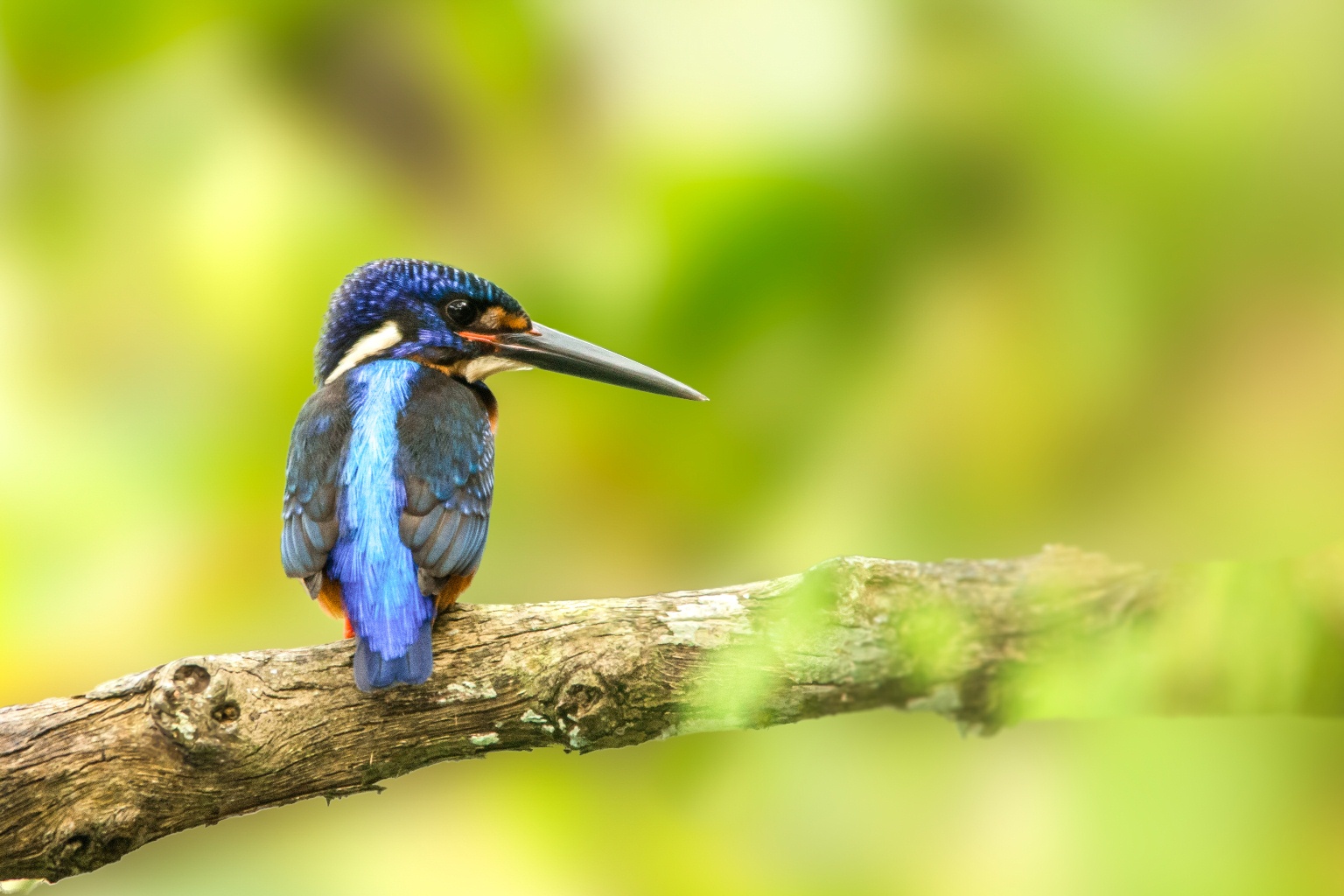
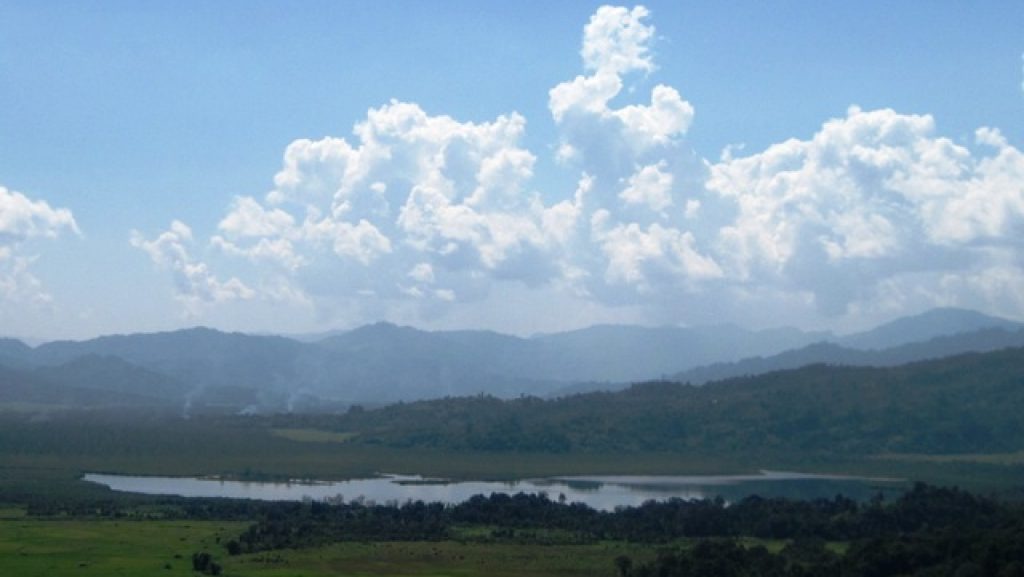
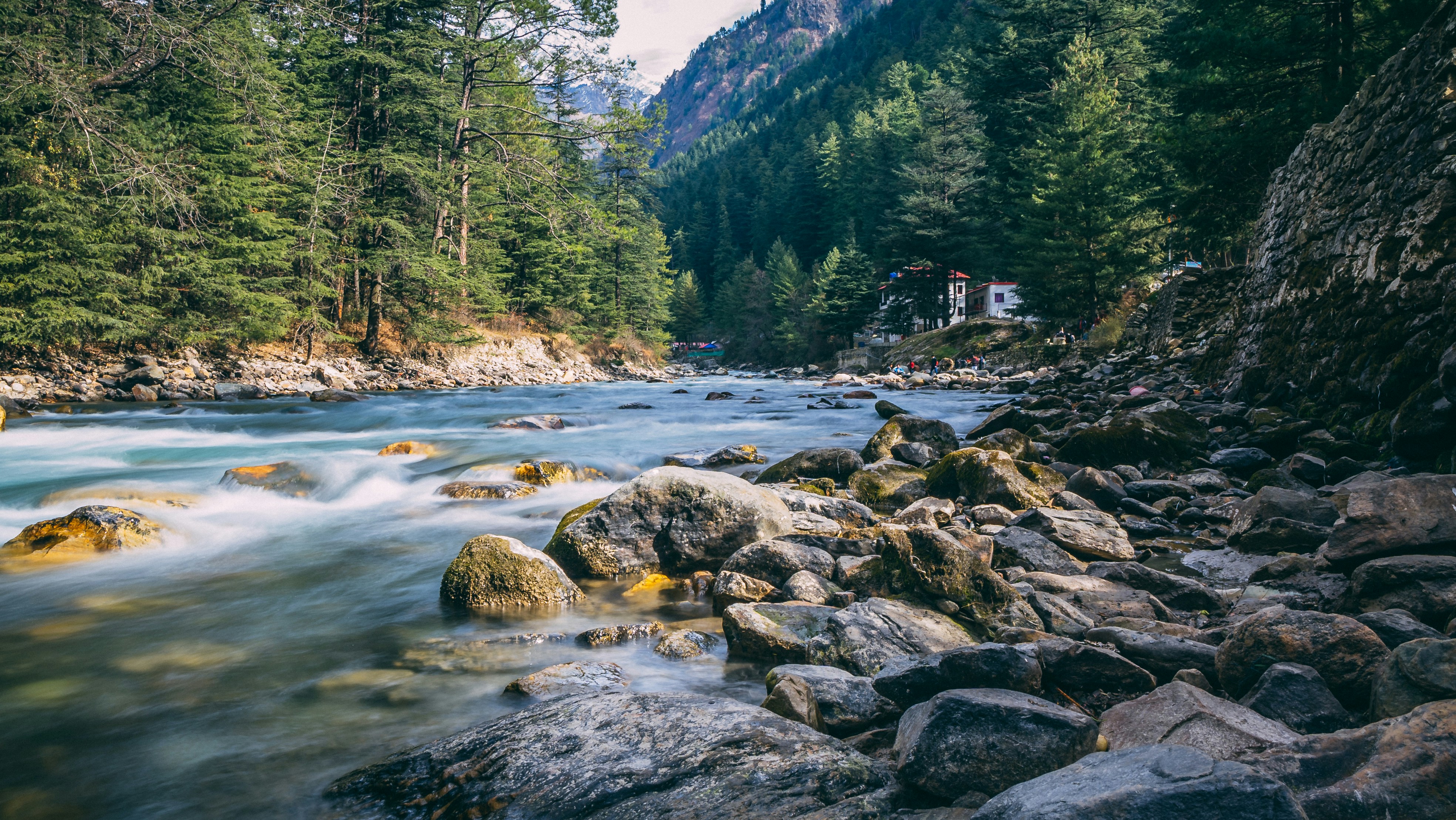
The landscape surrounding Tangsa settlements is breathtakingly beautiful. Dense forests, rolling hills, mountain streams, and misty valleys create a serene environment ideal for travelers interested in culture, photography, and nature exploration. The region is also rich in biodiversity, with many rare birds, orchids, butterflies, and wildlife species found in the forests of eastern Arunachal Pradesh.
Because the area remains relatively less explored, visitors often experience a sense of tranquility rarely found in crowded tourist destinations. Early mornings are especially magical, with fog drifting through the hills and birdsong echoing through the forests.
How to Reach
By Air
The nearest airport is Dibrugarh Airport in Assam, located around 120 kilometers from Changlang. From the airport, taxis and shared vehicles are available for onward travel to Tangsa-inhabited areas.
By Rail
The nearest major railway station is Tinsukia Railway Station, which is well connected to major cities in Assam and other parts of India. Road transport from Tinsukia provides access to Changlang district.
By Road
Changlang district is connected through mountain roads and highways linking it to Assam and other parts of Arunachal Pradesh. The road journey itself is scenic, passing through tea gardens, river valleys, dense forests, and hill landscapes.
Best Time to Visit
The best time to visit Tangsa villages is between October and March, when the weather remains cool, pleasant, and suitable for travel. Clear skies during these months also provide excellent views of the surrounding hills and forests.
Travelers interested in experiencing local culture should consider visiting during festival periods. April is especially lively because of the Mol festival, while January offers the opportunity to witness Sakrat celebrations.
The monsoon season, from June to September, transforms the landscape into a lush green paradise, but heavy rainfall can make road travel difficult due to landslides and slippery mountain routes.
FAQs
Where are the Tangsa people mainly found?
The Tangsa tribe primarily inhabits the Changlang district of Arunachal Pradesh near the India–Myanmar border. Some Tangsa communities are also found in neighboring regions of Assam and Myanmar.
What is the Tangsa tribe known for?
The Tangsa people are known for their vibrant festivals, bamboo stilt houses, weaving traditions, oral storytelling, and strong connection with nature and ancestral customs.
Can tourists visit Tangsa villages?
Yes, visitors can explore Tangsa villages, especially in Changlang district. However, travelers to Arunachal Pradesh usually require an Inner Line Permit (ILP), while foreign tourists may need additional permits.
Which festivals are important in Tangsa culture?
Mol and Sakrat are among the most important festivals celebrated by the Tangsa community. These festivals include traditional dances, rituals, feasts, and cultural performances.
What food is commonly eaten in Tangsa villages?
Tangsa cuisine commonly includes rice, smoked meat, bamboo shoot dishes, boiled vegetables, herbs, fish preparations, and locally brewed millet or rice beer.
What makes Tangsa villages unique?
Tangsa villages stand out because of their preserved tribal traditions, eco-friendly lifestyles, traditional bamboo architecture, and the peaceful coexistence of animist beliefs, Buddhism, and Christianity.
Is the region suitable for eco-tourism?
Yes, the region is ideal for eco-tourism and cultural tourism. Its untouched forests, rich biodiversity, and traditional village life make it attractive for travelers seeking authentic experiences away from crowded destinations.