Image Source: Tason Pujen
About Monigong Village
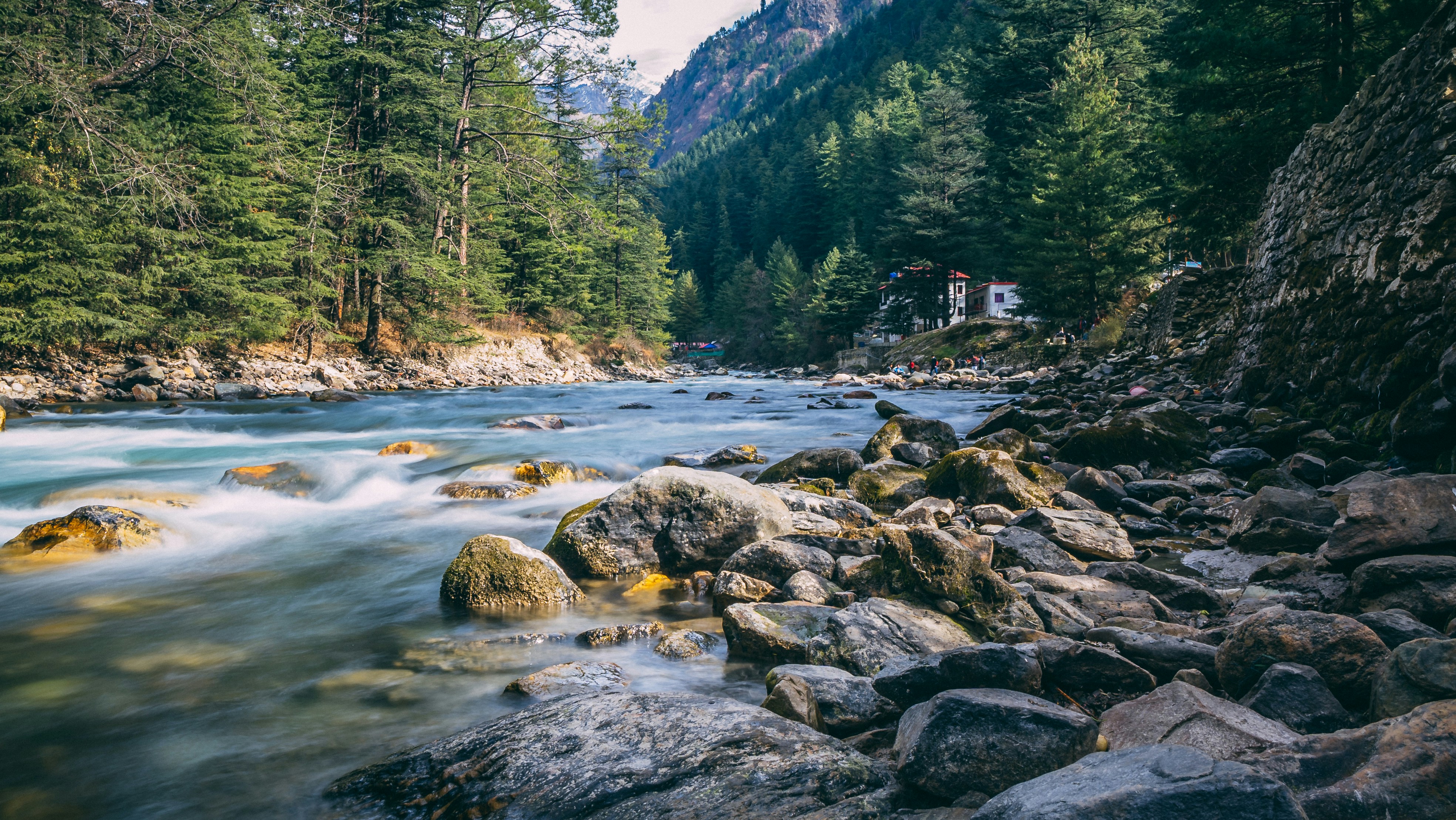
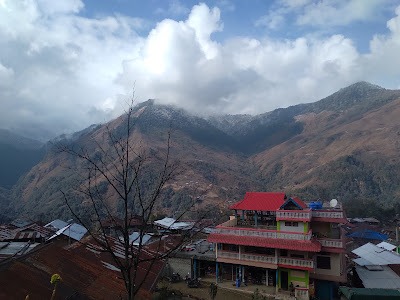
Tucked away in the remote mountains of the Shi-Yomi district of Arunachal Pradesh, Monigong Village feels like a hidden world untouched by the rush of modern life. Surrounded by towering Himalayan ranges, dense forests, and winding rivers, this small high-altitude settlement offers an experience that is raw, peaceful, and deeply connected to nature. For travelers seeking solitude, tribal culture, and offbeat Himalayan landscapes, Monigong is one of the most fascinating destinations in Northeast India.
Shi-Yomi district itself is among the newer districts of Arunachal Pradesh. It was officially formed on 9 December 2018 after being carved out of the former West Siang district. Despite administrative changes, the region has retained its traditional identity, with villages like Monigong preserving centuries-old customs, architecture, and lifestyles.
What makes Monigong truly special is its remoteness. The journey here is long and demanding, but that is exactly what protects its authenticity. Unlike crowded hill stations, Monigong remains quiet and untouched, where mountain winds, prayer flags, forests, and tribal traditions shape everyday life.
The Journey to Monigong
Reaching Monigong is not simply about arriving at a destination — it is an adventure through some of the wildest and most scenic landscapes in Arunachal Pradesh. The winding mountain roads pass through deep valleys, roaring rivers, waterfalls, pine forests, and isolated tribal settlements. Every turn reveals dramatic Himalayan scenery that feels straight out of a travel documentary.
Travelers usually pass through towns such as Aalo and Mechuka before continuing toward Monigong. As the roads climb higher into the mountains, the surroundings become increasingly rugged and beautiful. Along the way, you may spot grazing yaks, hanging wooden bridges, and traditional homes perched on steep slopes.
The final stretch toward the village is especially memorable. Clouds drift slowly across the valleys, mountain peaks appear and disappear behind mist, and the silence of the region creates a sense of complete escape from urban life.
Natural Beauty and Landscape
Monigong is blessed with extraordinary natural beauty. The village is surrounded by thick forests, alpine meadows, terraced fields, and snow-fed streams. During the early mornings, the mountains are often wrapped in mist while the crisp Himalayan air carries the scent of pine and wet earth.
The region changes character with every season. In winter, the higher slopes may receive snowfall, transforming the landscape into a white Himalayan paradise. During spring, rhododendrons bloom across the valleys, adding bright colors to the mountainsides. Summer brings lush greenery, while autumn offers clear skies and stunning panoramic views.
Nature lovers will find plenty to explore around Monigong. The surrounding forests are rich in Himalayan birdlife, and several trekking routes lead toward alpine lakes, hidden valleys, and remote mountain passes. The untouched environment makes the area ideal for trekking, photography, camping, and wildlife observation.
At night, the village becomes incredibly peaceful. With almost no light pollution, the sky fills with countless stars, creating one of the most mesmerizing nighttime experiences in the Eastern Himalayas.
Tribal Culture and Traditional Life
Monigong is home to communities belonging mainly to the Adi and Memba tribes, both of whom have preserved their cultural heritage for generations. Life here remains closely connected to agriculture, seasonal cycles, and community traditions.
The villagers are known for their warm hospitality and simple lifestyle. Traditional wooden houses with sloping roofs dominate the settlement, reflecting the architectural style suited to the cold mountain climate. Many homes still use wood-fired kitchens, where families gather during chilly evenings.
Handicrafts continue to play an important role in daily life. Women are skilled in traditional weaving, producing colorful garments and shawls using age-old techniques. Basket-making, wood carving, and bamboo craft are also widely practiced in the village.
Festivals are deeply rooted in local beliefs and agricultural traditions. During celebrations, villagers wear traditional attire and perform folk dances accompanied by rhythmic music and local instruments. These festivals are not merely performances for tourists but genuine expressions of cultural identity and community spirit.
Local Food and Cuisine
Food in Monigong reflects the simplicity and richness of tribal mountain life. Most dishes are prepared using locally grown ingredients, fresh herbs, and traditional cooking methods.
Smoked meat is especially popular in the region and is often cooked slowly over woodfire for enhanced flavor. Fresh river fish, bamboo shoot curries, wild leafy vegetables, and rice-based dishes are commonly served in local homes. The cuisine is generally less oily and relies heavily on natural flavors.
One of the traditional beverages of the region is apong, a locally brewed rice beer that holds cultural importance during gatherings and festivals. Sharing food and drink with villagers is often one of the most memorable parts of visiting Monigong.
Trekking and Adventure Opportunities
Monigong serves as an excellent base for exploring remote Himalayan trails. Adventure seekers can undertake treks through high-altitude valleys, forest routes, and isolated hamlets rarely visited by outsiders.
The trekking routes around the village offer spectacular views of mountains, rivers, and untouched wilderness. Since tourism here is still limited, many trails remain pristine and uncrowded. Travelers looking for authentic offbeat trekking experiences in Arunachal Pradesh often consider Monigong a hidden gem.
Camping in the surrounding valleys can also be a rewarding experience, especially for photographers and nature enthusiasts who want to witness sunrise and sunset over the Himalayan landscape.
How to Reach Monigong Village
By Air
The nearest airport is in Pasighat, which is connected to cities like Guwahati. From Pasighat, travelers must continue by road through Aalo and Mechuka before reaching Monigong.
By Rail
The nearest railway station is Murkongselek Railway Station in Assam. From there, travelers need to hire local transport for the long mountain journey into Arunachal Pradesh.
By Road
Monigong can be reached through the Aalo–Mechuka–Monigong route. Although the roads can be rough in some stretches, the journey offers spectacular views of waterfalls, valleys, forests, and remote tribal villages.
Travelers should also remember that visiting Arunachal Pradesh requires an Inner Line Permit (ILP) for Indian citizens, while foreign nationals need a Protected Area Permit (PAP).
Best Time to Visit
The best time to visit Monigong is between October and April. During these months, the weather remains relatively clear and pleasant, making road travel and trekking easier. Autumn and winter offer excellent mountain views, crisp air, and beautiful landscapes.
Winter months can become quite cold, especially during December and January, but the possibility of snowfall adds a magical charm to the region.
The monsoon season, from June to September, transforms the area into a lush green paradise. However, heavy rainfall often causes landslides and difficult road conditions, making travel more challenging during this period.
Google Maps
FAQs
Where is Monigong Village located?
Monigong Village is located in the Shi-Yomi district of Arunachal Pradesh in the Eastern Himalayas near the Indo-Tibetan region.
Why is Monigong famous?
Monigong is known for its untouched Himalayan beauty, tribal culture, remote mountain setting, traditional lifestyle, and offbeat trekking opportunities.
Which tribes live in Monigong?
The village is mainly inhabited by the Adi and Memba tribal communities, both known for their rich cultural traditions and handicrafts.
Is Monigong suitable for trekking?
Yes, Monigong is an excellent destination for trekking enthusiasts. The surrounding region offers remote mountain trails, alpine landscapes, and pristine forests.
What kind of food is available in Monigong?
Local cuisine includes smoked meat, bamboo shoot dishes, rice-based meals, river fish, and traditional beverages like apong (rice beer).
Do tourists need permission to visit Monigong?
Yes. Indian tourists require an Inner Line Permit (ILP) to enter Arunachal Pradesh, while foreign tourists need a Protected Area Permit (PAP).
Is Monigong safe for travelers?
Monigong is generally considered safe for travelers. However, due to its remote location, visitors should travel with proper planning, sufficient supplies, and updated road information.
What is the best season to visit Monigong?
October to April is considered the best time because of clear skies, pleasant weather, and better road conditions.