Image Source: Indranii
Introduction
The rafting stretch from Pangin to Boleng in Arunachal Pradesh is one of the most exciting and scenic river adventures in Northeast India. Flowing through the breathtaking landscapes of the Siang district, this section of the mighty Siang River offers a thrilling mix of powerful rapids, untouched forests, dramatic mountain scenery, and glimpses of tribal life along the riverbanks.
For adventure lovers, the journey is far more than just rafting. It is an immersive experience that combines adrenaline, nature, and culture in one unforgettable expedition. The Siang River, which later becomes the Brahmaputra as it enters Assam, originates in Tibet and carries immense geographical, cultural, and spiritual importance throughout the region. Its fast-moving turquoise waters, surrounded by deep valleys and lush greenery, create a rafting experience that feels both wild and deeply peaceful at the same time.
The Beauty of the Siang River
The Pangin to Boleng stretch showcases the Siang River at its most spectacular. The river cuts through rugged Himalayan terrain, passing beneath towering cliffs and dense subtropical forests that remain largely untouched by mass tourism. The scenery constantly changes during the journey, from narrow rocky gorges to wide-open valleys lined with terraced fields and traditional villages.
One of the most striking features of the Siang is its color. Depending on the season and sunlight, the river appears emerald green, turquoise, or deep blue, making the landscape look almost surreal. Early mornings often bring mist-covered hills and cool mountain air, while sunsets cast golden reflections across the water.
The remoteness of the region adds to its charm. Unlike crowded rafting destinations elsewhere in India, the Siang still feels raw, pristine, and undiscovered. The silence between rapids is often broken only by birdsong, flowing water, and the sounds of nature echoing through the valleys.
A Thrilling Rafting Experience
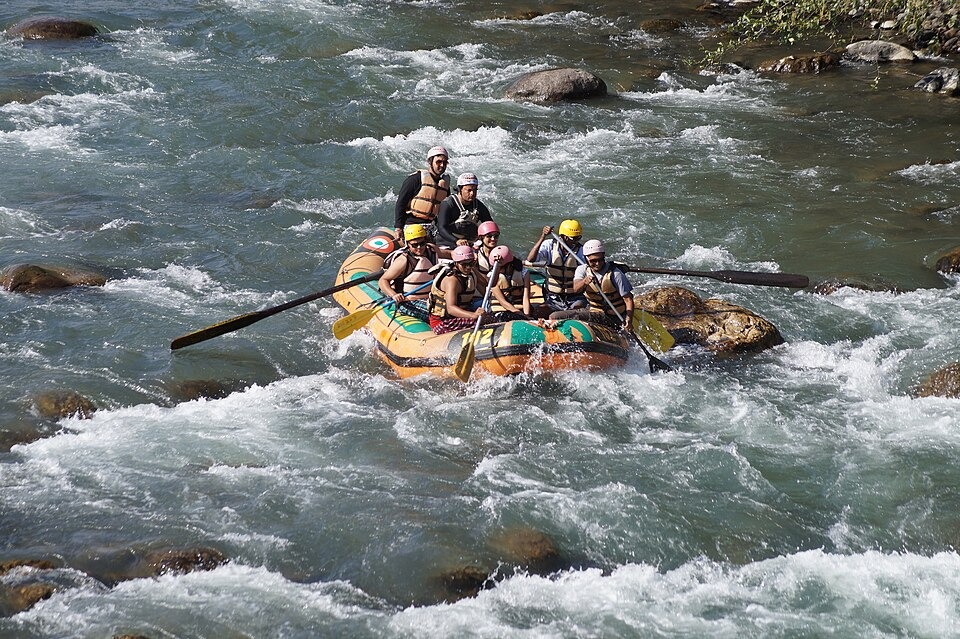
Rafting from Pangin to Boleng is famous for its exciting Grade III and Grade IV rapids, making it suitable for both experienced rafters and adventurous beginners accompanied by trained guides. The river’s changing character keeps the journey dynamic and engaging throughout.
One of the notable rapids along the route is Ninge Ting, known for its strong currents, swirling waves, and technical challenges. Navigating these rapids requires teamwork, quick reflexes, and coordinated paddling, adding an intense rush of excitement to the expedition.
Between the challenging stretches, the river also offers calmer sections where rafters can relax and absorb the beauty around them. These peaceful moments allow travelers to float gently downstream while admiring the surrounding mountains and forests. Some rafting groups even stop at sandy riverbanks for short breaks, photography, or riverside meals.
The rafting season generally runs from October to March, when water conditions are favorable and the weather remains pleasant. During this period, the skies are usually clear, visibility is excellent, and the river becomes ideal for adventure activities.
Cultural Encounters Along the Route
One of the most unique aspects of this rafting journey is the opportunity to witness the lifestyle of the local Adi tribe, one of Arunachal Pradesh’s prominent indigenous communities. Small villages with bamboo houses can be seen along the riverbanks, offering a glimpse into a traditional way of life that has remained closely connected to nature for generations.
As the raft moves downstream, it is common to spot local fishermen casting nets into the river or villagers carrying out daily activities near the water. Children often wave enthusiastically at passing rafting groups, adding warmth and human connection to the adventure.
The Adi people are known for their rich cultural heritage, traditional festivals, handwoven textiles, and close relationship with the Siang River. For many local communities, the river is not merely a waterway but a sacred and life-giving force that shapes their identity and traditions.
Wildlife and Natural Environment
The forests surrounding the Siang River are rich in biodiversity. The region is home to numerous bird species, butterflies, and Himalayan plant life. During the rafting journey, travelers may hear the calls of exotic birds echoing through the forests or spot colorful butterflies fluttering near the riverbanks.
The untouched environment also makes the journey feel incredibly refreshing. Since the area remains relatively isolated, pollution and commercialization are minimal. This helps preserve the river’s natural purity and makes the entire experience feel authentic and deeply connected to nature.
Camping beside the river is another popular part of multi-day rafting expeditions. Spending a night under the stars beside the roaring Siang, surrounded by mountains and forests, becomes a memorable highlight for many travelers.
Nearby Attractions
Pangin
The scenic town of Pangin serves as the starting point for the famous river rafting expedition. Located at the confluence of the Siang and Siyom rivers, Pangin is surrounded by lush green hills and offers breathtaking views of the powerful river systems that shape the landscape of central Arunachal Pradesh.
Boleng
The picturesque town of Boleng is the usual endpoint of the rafting route. Known for its tranquil environment, traditional Adi villages, and beautiful river scenery, Boleng provides visitors with an authentic glimpse into the culture and lifestyle of the Siang Valley.
Siang River
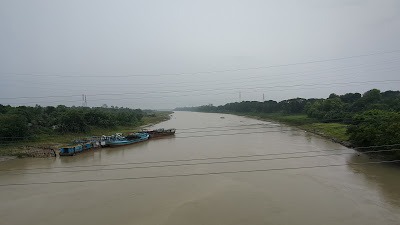
The mighty Siang River is the highlight of the region and one of India’s premier river rafting destinations. Originating as the Yarlung Tsangpo in Tibet, the river flows through dramatic gorges, dense forests, and remote tribal landscapes before entering Assam as the Brahmaputra.
Siyom River Confluence
The spectacular confluence of the Siyom River and the Siang River near Pangin is a major natural attraction. The meeting of the two rivers creates a stunning panorama and is considered one of the most scenic river junctions in Arunachal Pradesh.
Pasighat
Often called the gateway to Arunachal Pradesh, Pasighat lies downstream from the rafting route. The town is known for its riverside beauty, vibrant Adi culture, local markets, and adventure tourism opportunities including rafting, angling, and nature excursions.
Kekar Monying
Also known as the Hanging Rock, Kekar Monying is an important cultural and historical landmark of the Adi people. According to local tradition, it served as a strategic defense point against British forces during the colonial period.
Daying Ering Memorial Wildlife Sanctuary
Located near Pasighat, Daying Ering Memorial Wildlife Sanctuary is a haven for birdwatchers and nature enthusiasts. The sanctuary protects wetlands, grasslands, and riverine habitats that support migratory birds and diverse wildlife.
Yinkiong
Situated further upstream in the Siang Valley, Yinkiong is known for its dramatic mountain scenery, traditional tribal settlements, and access to some of the most remote and untouched landscapes in Arunachal Pradesh. It is an excellent destination for travelers seeking adventure beyond the rafting experience.
How to Reach Pangin
Pangin is located around 50 kilometers from Pasighat, which serves as the main gateway to the Siang region. Pasighat is well connected by road to Dibrugarh in Assam and to other major towns in Arunachal Pradesh, including Itanagar.
By Air
The nearest airport is Dibrugarh Airport in Assam. From there, travelers can hire taxis or take shared vehicles to Pasighat and then continue onward to Pangin by road.
By Train
The nearest major railway station is Murkongselek in Assam, though Dibrugarh Railway Station offers better connectivity with larger Indian cities.
By Road
Road journeys to Pangin are incredibly scenic, passing through rolling hills, suspension bridges, river valleys, and dense greenery. Though the roads can be winding, the views along the way make the journey worthwhile.
Most rafting operators arrange transportation, rafting equipment, safety gear, guides, meals, and accommodation as part of the rafting package.
Best Time to Visit
The ideal time for rafting from Pangin to Boleng is between October and March. During these months:
The river remains clearer and safer for rafting.
Weather conditions are pleasant and comfortable.
The surrounding landscapes appear lush and vibrant.
Visibility is excellent for photography and sightseeing.
The monsoon season is generally avoided because heavy rainfall can increase river levels and make rafting dangerous.
Safety and Preparation Tips
Before beginning the expedition, rafting teams conduct safety briefings and provide essential gear such as helmets, life jackets, and paddles. Professional river guides accompany every group to ensure safety throughout the journey.
Travelers should carry:
Quick-dry clothes.
Waterproof bags.
Sunscreen and sunglasses.
Basic medicines.
Extra footwear suitable for water activities.
Physical fitness is helpful, though prior rafting experience is not always necessary for shorter expeditions.
Conclusion
Rafting from Pangin to Boleng is more than just an adventure sport. It is a journey into the untamed heart of Arunachal Pradesh, where powerful rapids meet breathtaking Himalayan scenery and ancient tribal culture. Every bend in the Siang River reveals something unforgettable, whether it is a roaring rapid, a quiet riverside village, or a sunset glowing over emerald waters.
For travelers seeking an experience that combines thrill, nature, and cultural richness, the Pangin to Boleng rafting expedition stands out as one of India’s most extraordinary river adventures.
Google Maps
FAQs
Is rafting from Pangin to Boleng suitable for beginners?
Yes, beginners can participate with trained guides, especially on guided group expeditions. However, basic physical fitness is recommended because some rapids can be challenging.
What is the difficulty level of the rapids?
The route mainly features Grade III and Grade IV rapids, offering a balance of excitement and technical rafting.
How long does the rafting trip usually take?
Depending on the package and river conditions, the trip can last from a single day to multiple days with riverside camping.
What is the best season for Siang River rafting?
The best time is from October to March, when the river conditions are safer and the weather is pleasant.
Are permits required to visit Arunachal Pradesh?
Yes, Indian travelers require an Inner Line Permit (ILP), while foreign nationals need a Protected Area Permit (PAP).
Can camping be included in the rafting trip?
Yes, many rafting operators offer overnight camping on sandy riverbanks along the Siang River.
Is the Siang River connected to the Brahmaputra?
Yes, the Siang River enters Assam and eventually becomes the Brahmaputra River.
Are there accommodation options near Pangin and Boleng?
Yes, both Pangin and Boleng have basic guesthouses, homestays, and small lodges for travelers.