Image Source: XaxaBaba
About Bhismaknagar Fort
Tucked away in the lush green landscapes of the Lower Dibang Valley in Arunachal Pradesh, Bhismaknagar Fort is one of the most fascinating archaeological treasures in Northeast India. Surrounded by forested hills, rivers, and mist-covered valleys, the fort carries an atmosphere of mystery that instantly captures the imagination of visitors. Dating back to around the 8th to 10th century CE, the site is believed to have once been a thriving political and cultural center of the region.
Bhismaknagar is not just an ancient ruin; it is a place where history and mythology blend beautifully. Local traditions connect the fort to the legendary King Bhismaka from the Mahabharata, who is believed to have been the father of Princess Rukmini, the wife of Lord Krishna. Because of this association, the fort holds both historical and spiritual importance for local communities. While archaeologists link the structure to the Chutia Kingdom and early tribal rulers of the region, the legends surrounding it continue to keep its cultural identity alive.
History
Historians and archaeologists consider Bhismaknagar one of the earliest known fortified settlements in the northeastern Himalayan region. Excavations carried out at the site have revealed evidence of an advanced settlement with planned structures, religious spaces, water management systems, and defensive architecture.
The fort is believed to have been constructed under the influence of the Chutia rulers, possibly with the involvement of the Idu Mishmi tribe, who have lived in this region for centuries. Its location was strategically important because it connected the Brahmaputra Valley with the eastern Himalayan trade routes. Merchants, travelers, and tribal communities moving through these routes would likely have passed through this area, making Bhismaknagar an important administrative and military center during its peak.
The discovery of terracotta plaques, decorative pottery, stone carvings, and remnants of temples indicates that the settlement was culturally rich and economically active. These findings suggest that Bhismaknagar was much more than a military fortification — it functioned as a flourishing urban center with organized civic planning.
Mythological Connection
One of the most captivating aspects of Bhismaknagar Fort is its deep connection to Indian mythology. According to local folklore, this was once the capital of King Bhismaka, whose daughter Rukmini fell in love with Lord Krishna. The story of Krishna eloping with Rukmini before her arranged marriage is one of the most celebrated legends in Hindu tradition.
Because of this association, many locals consider the fort sacred. The legends surrounding Rukmini and Krishna continue to shape the cultural identity of the region, and the annual Bhismaknagar Festival celebrates this heritage through traditional dance performances, folk music, rituals, and cultural programs. The festival attracts visitors from different parts of Arunachal Pradesh and neighboring states, turning the ancient ruins into a lively cultural gathering space.
Architecture and Structural Design
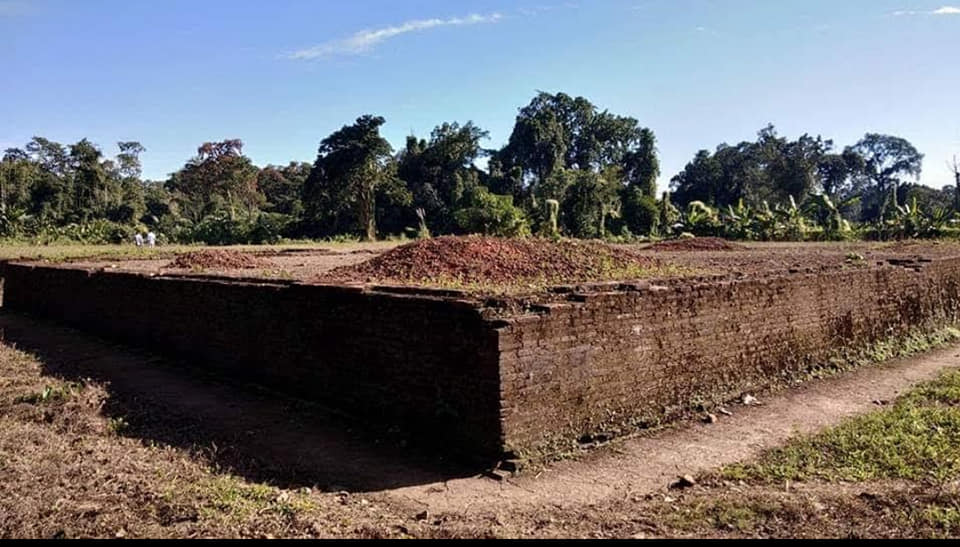
Bhismaknagar Fort spreads across nearly 10 square kilometers, making it one of the largest ancient fort complexes in Arunachal Pradesh. Even in ruins, the scale of the structure reflects the importance and power it once held.
Massive Defensive Walls
The fort’s walls were built using finely cut stone blocks held together with mud mortar. Some sections of the walls are nearly 6 meters thick and rise up to 4.5 meters high. These sturdy defenses were designed not only to protect against invasions but also to withstand the harsh climate and natural erosion common in the hilly terrain of the Northeast.
Gates and Layout
The fort complex contains three major entrances along with six interconnected gates leading into different sections of the settlement. The layout reflects careful urban planning, with separate zones likely used for administration, residential purposes, and religious activities.
Palace Complex and Temples
Archaeological excavations have uncovered remains of palace structures, temples, water reservoirs, and drainage systems. The existence of such sophisticated infrastructure suggests that the inhabitants had developed knowledge of engineering and city planning far ahead of their time.
Terracotta Art and Stone Craftsmanship
Fragments of terracotta figurines and decorative motifs discovered at the site reveal the artistic abilities of the people who lived here centuries ago. Some stone structures still display carvings and ornamental patterns despite years of weathering and natural decay. The craftsmanship seen in the ruins provides valuable insight into the cultural and artistic traditions of early medieval Northeast India.
Natural Beauty Around the Fort
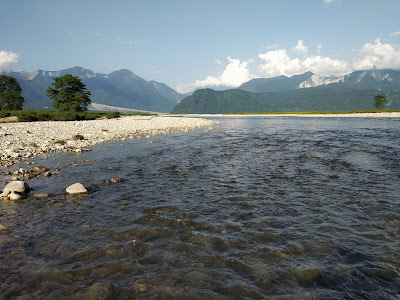
One of the most remarkable aspects of visiting Bhismaknagar Fort is its scenic setting. Dense forests, rolling hills, and peaceful surroundings create an atmosphere that feels almost untouched by modern development. The journey to the fort itself is beautiful, especially during the monsoon and post-monsoon seasons when the entire valley becomes vibrant green.
Birdsong, cool mountain air, and the quietness of the ruins make the place ideal for travelers who enjoy history, photography, and nature together. Unlike crowded tourist destinations, Bhismaknagar offers a calm and immersive experience where visitors can explore ancient history in a serene environment.
Best Time to Visit
The best time to visit Bhismaknagar Fort is between October and April, when the weather remains pleasant and travel conditions are better. Winters are cool and comfortable, making it easier to explore the ruins and surrounding landscapes.
The monsoon season brings heavy rainfall to the region, which enhances the greenery but can also make roads slippery and difficult to navigate. Travelers planning a monsoon trip should check road conditions in advance.
How to Reach Bhismaknagar Fort
Bhismaknagar Fort is located around 30 kilometers from Roing in the Lower Dibang Valley district.
By Air
The nearest airport is Dibrugarh Airport in Assam, located roughly 150 kilometers away. From the airport, travelers can reach Roing by road through Tinsukia and the Dhola–Sadiya Bridge.
By Rail
The nearest major railway station is Tinsukia Junction, which is well connected to major cities in Assam and other parts of India.
By Road
Bhismaknagar can be reached by road from Roing. The construction of the Dhola–Sadiya Bridge has significantly improved connectivity between Assam and eastern Arunachal Pradesh. Shared taxis and local vehicles are available from Roing to the fort area.
Nearby Attractions of Bhismaknagar Fort
1. Roing
Located about 30 km from Bhismaknagar Fort, Roing is the headquarters of Lower Dibang Valley district and serves as the gateway to many attractions in eastern Arunachal Pradesh. The town is known for its scenic surroundings, tribal culture, and pleasant climate.
2. Mehao Lake
One of the most beautiful natural attractions near Roing, Mehao Lake is a pristine freshwater lake surrounded by dense forests and mountains. It is an excellent destination for nature lovers, photographers, and birdwatchers.
3. Mehao Wildlife Sanctuary
Spread across a vast area of tropical and subtropical forests, the sanctuary is home to clouded leopards, hoolock gibbons, Himalayan black bears, and numerous bird species. It offers excellent opportunities for wildlife observation and trekking.
4. Sally Lake
Located near Roing, Sally Lake is a popular recreational spot known for its serene environment, boating facilities, and scenic views of the surrounding hills.
5. Mayudia Pass
Situated at an altitude of around 2,655 meters, Mayudia Pass is famous for its snow-covered landscapes during winter and panoramic views of the Eastern Himalayas. It is one of the most visited tourist destinations in the region.
6. Hunli
Hunli is a picturesque town surrounded by mountains, forests, and river valleys. It serves as an important stop for travelers heading toward Anini and Upper Dibang Valley.
7. Dibang River
One of Arunachal Pradesh’s major rivers, the Dibang River flows through spectacular gorges and valleys. The river offers breathtaking scenery and numerous photography opportunities.
8. Nehru Van Udyan
Located near Roing, this well-maintained park features gardens, walking trails, and picnic spots, making it a popular destination for families and visitors.
9. Rukmini Nati
According to local legends, Rukmini Nati is associated with Princess Rukmini, the daughter of King Bhismaka. The site holds cultural and mythological significance for visitors interested in the Krishna-Rukmini story.
10. Nijomaghat
A historically important location on the Assam-Arunachal border, Nijomaghat is known for its colonial-era history and beautiful river landscapes.
Why Bhismaknagar Fort Matters Today
Bhismaknagar Fort is not only an archaeological site but also an important symbol of the rich cultural heritage of Northeast India. It reflects the region’s ancient political systems, artistic traditions, mythological beliefs, and connections with broader Indian civilization.
For historians, it offers clues about early kingdoms and trade networks in the eastern Himalayas. For travelers, it provides a rare opportunity to explore a lesser-known heritage site surrounded by breathtaking natural beauty. And for local communities, it remains a place deeply tied to identity, folklore, and tradition.
Google Maps
FAQs
Where is Bhismaknagar Fort located?
Bhismaknagar Fort is located in the Lower Dibang Valley district of Arunachal Pradesh, about 30 km from Roing.
Why is Bhismaknagar Fort famous?
The fort is famous for its archaeological importance, massive ancient fortifications, and its legendary connection to King Bhismaka and Princess Rukmini from the Mahabharata.
Who built Bhismaknagar Fort?
Historians believe the fort was built during the early medieval period under the influence of the Chutia rulers, possibly with the involvement of the Idu Mishmi tribe.
What can visitors see at the fort?
Visitors can explore ancient stone walls, gateways, temple remains, palace structures, water tanks, drainage systems, and archaeological ruins spread across a large area.
What is the best time to visit Bhismaknagar Fort?
The ideal time to visit is from October to April when the weather is cool and pleasant.
Is Bhismaknagar Fort connected to the Mahabharata?
According to local legends, Bhismaknagar was the capital of King Bhismaka, father of Princess Rukmini, who later married Lord Krishna.
How far is Bhismaknagar from Roing?
The fort is approximately 30 kilometers from Roing and can be reached by local taxis or private vehicles.
Are there accommodation facilities nearby?
Most travelers stay in Roing, where hotels, guesthouses, and homestays are available for tourists.