Image Source: Raquib Raja
About Tawang War Memorial
Set amidst the dramatic landscapes of Arunachal Pradesh, the Tawang War Memorial is one of the most emotional and meaningful landmarks in the region. Surrounded by the towering Eastern Himalayas and fluttering prayer flags, the memorial stands as a tribute to the bravery of Indian soldiers who sacrificed their lives during the 1962 Sino-Indian War.
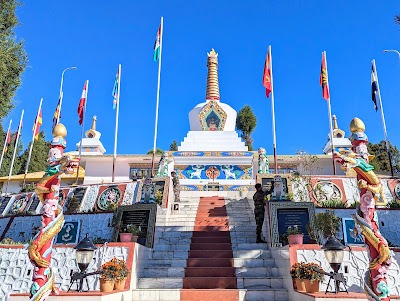
Located a short distance from the heart of Tawang town, the memorial rises about 40 feet high in the form of a Buddhist-style stupa. More than just a tourist attraction, it is a place of remembrance, patriotism, and reflection. The memorial honors over 2,420 Indian soldiers who fought under extremely difficult conditions in the high-altitude border areas of Arunachal Pradesh.
The peaceful atmosphere around the monument, combined with the mountain scenery and the sound of prayer chants, creates a deeply moving experience for visitors. Whether you are interested in history, military heritage, or Himalayan culture, the Tawang War Memorial leaves a lasting impression.
Historical Importance of the Memorial
The memorial was built and is maintained by the Indian Army as a mark of respect for the soldiers who defended the region during the 1962 war between India and China. The names of the fallen soldiers are engraved on black granite plaques in golden lettering, allowing visitors to pay homage to the men who gave their lives for the nation.
The Tawang sector witnessed some of the most intense battles during the war. Indian troops fought bravely in difficult mountain terrain and freezing temperatures, particularly around Se La Pass and Bum La Pass. Despite being heavily outnumbered and facing harsh weather conditions, the soldiers displayed extraordinary courage and determination.
Inside the memorial complex, there is a small museum displaying photographs, uniforms, weapons, documents, and personal belongings connected to the war. These exhibits offer a glimpse into the realities faced by soldiers stationed in these remote Himalayan frontiers.
The memorial also reflects the cultural identity of Tawang. Its Buddhist architectural style symbolizes peace and spiritual strength, while its military significance represents sacrifice and resilience. This blend of spirituality and patriotism makes the site unique among India’s war memorials.
Architecture and Main Features
Main Stupa
The central structure resembles a traditional Buddhist chorten, painted in white and crowned with a golden finial. The architecture reflects the Tibetan Buddhist influence that is deeply rooted in Tawang’s culture.
Memorial Wall
One of the most touching sections of the complex is the memorial wall where the names of martyrs are engraved. Visitors often spend quiet moments here reading the names and paying silent tribute.
Museum and Gallery
The museum section contains war relics, photographs, military uniforms, and historical records related to the 1962 conflict. Audio-visual presentations are sometimes organized for visitors to better understand the events of the war.
Eternal Flame
An eternal flame burns within the complex as a symbol of the undying spirit and courage of the soldiers who lost their lives defending the nation.
Prayer Wheels and Flags
Prayer wheels and colorful Buddhist prayer flags surround the memorial, adding a spiritual atmosphere to the site. The combination of military honor and Buddhist traditions gives the memorial a peaceful yet powerful character.
Local Experience Around the Memorial
Visiting the Tawang War Memorial is not only about history; it is also an opportunity to experience the unique culture of Tawang. In the evenings, the Indian Army occasionally organizes a light and sound show that narrates the story of the 1962 war and the bravery of Indian soldiers. The show, combined with the cold mountain air and illuminated memorial, creates a memorable experience.
The area around the memorial offers panoramic views of Tawang Valley, especially during sunrise and sunset. During winter, the snow-covered mountains surrounding the site make the landscape exceptionally beautiful.
Local markets nearby sell traditional Monpa handicrafts, woolen clothing, prayer flags, and handmade souvenirs. Visitors can also try local Arunachali dishes such as thukpa, momos, zan, and butter tea at small cafés and eateries in Tawang town.
Best Time to Visit
The best time to visit the Tawang War Memorial is between October and April when the skies remain relatively clear and the Himalayan views are at their best.
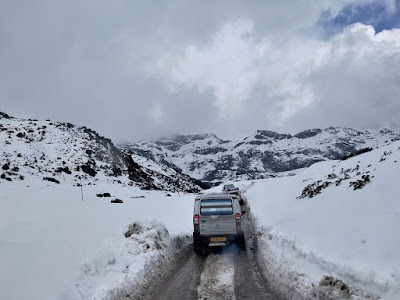
Winter months from December to February transform the region into a snowy wonderland, though temperatures can fall below freezing and roads may occasionally become difficult due to snowfall.
The summer season from May to June is also pleasant, with green valleys and comfortable daytime weather. Monsoon months, however, can bring landslides and road disruptions in the mountain areas.
How to Reach Tawang War Memorial
By Air
The nearest airport is Tezpur Airport in Assam, located around 330 kilometers away. Some travelers also prefer using Dibrugarh or Guwahati airports for better connectivity. From there, taxis and shared vehicles are available for Tawang.
By Rail
The closest railway station is Rangapara North Railway Station in Assam, approximately 320 kilometers from Tawang.
By Road
Tawang is connected by road through the scenic Bhalukpong–Bomdila–Dirang route. The memorial itself is located only about 1 kilometer from the main town area, making it easily accessible by taxi, bike, or even on foot.
The drive to Tawang is considered one of the most beautiful mountain journeys in Northeast India, passing through high-altitude passes, waterfalls, monasteries, and alpine landscapes.
Nearby Attractions
Tawang Monastery
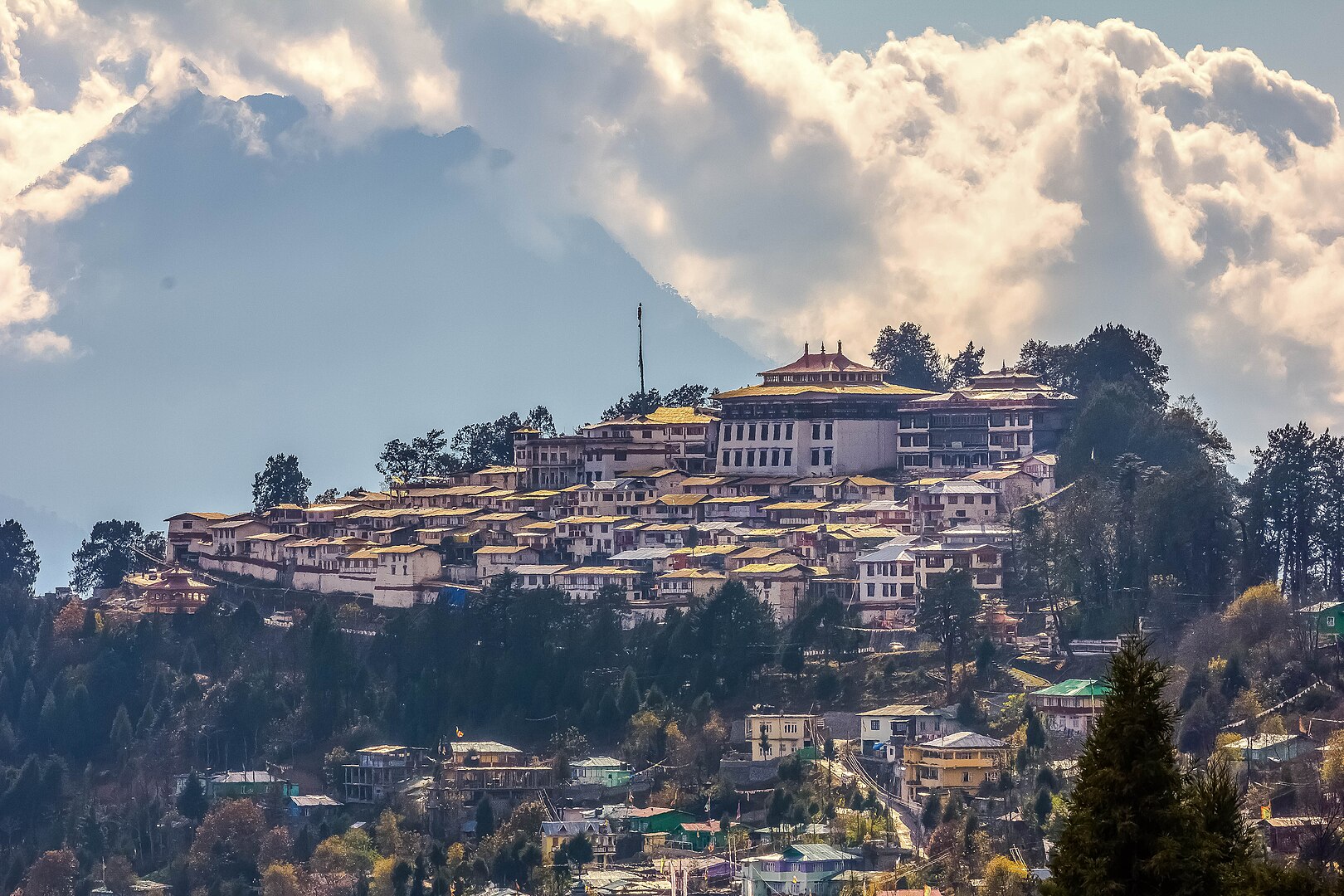
One of the largest Buddhist monasteries in India, Tawang Monastery is famous for its giant Buddha statue, ancient scriptures, and peaceful atmosphere.
Bum La Pass
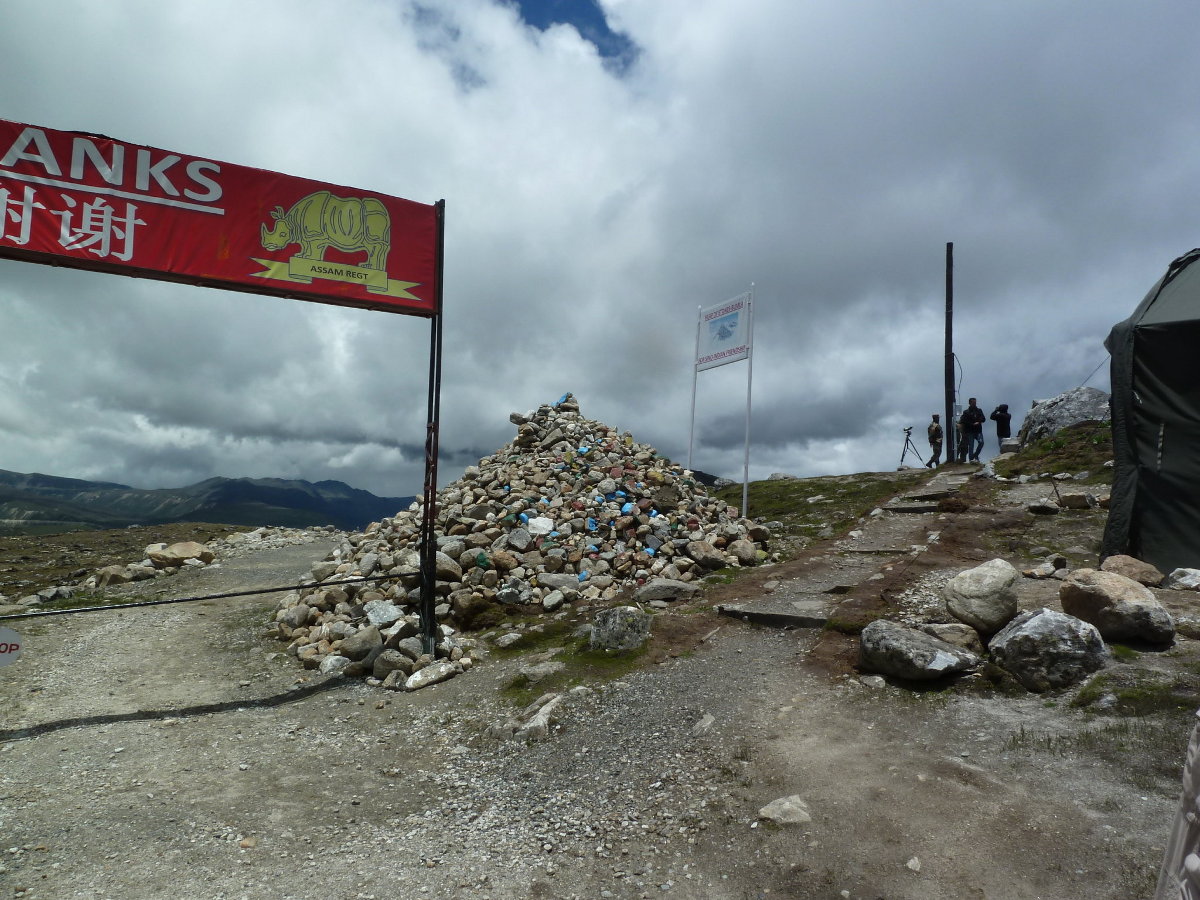
Located near the India-China border, Bum La Pass is known for its historical significance and breathtaking snow-covered scenery.
Se La Pass
Situated at an altitude of over 13,000 feet, Se La Pass is among the most scenic mountain passes in Arunachal Pradesh and remains covered in snow for much of the year.
Urgelling Monastery
This monastery is believed to be the birthplace of the 6th Dalai Lama and holds immense spiritual importance.
Giant Buddha Statue
The towering Buddha statue overlooking Tawang town offers beautiful panoramic views of the valley and surrounding mountains.
Travel Tips for Visitors
- Carry warm clothing throughout the year, as temperatures in Tawang can drop suddenly.
- Respect the peaceful environment of the memorial and maintain silence near the memorial walls.
- Photography is allowed in most areas, but always follow local guidelines.
- Keep your ID proof handy, as Arunachal Pradesh requires an Inner Line Permit (ILP) for Indian tourists.
- Start road journeys early in the day because mountain weather can change quickly.
- Acclimatize properly if you are not used to high-altitude travel.
Google maps
FAQs
Why is the Tawang War Memorial famous?
The memorial is famous for honoring the Indian soldiers who lost their lives during the 1962 Sino-Indian War. It is also known for its scenic Himalayan location and unique Buddhist-style architecture.
Is there any entry fee for the memorial?
No, entry to the Tawang War Memorial is generally free for visitors.
How much time is needed to explore the memorial?
Most visitors spend around 1 to 2 hours exploring the memorial, museum, and surrounding viewpoints.
Can visitors attend the light and sound show?
Yes, evening light and sound shows are sometimes organized by the Indian Army, depending on weather and operational schedules.
What is the best season to visit Tawang War Memorial?
October to April is considered the best time due to clear weather and beautiful mountain views.
Is the memorial suitable for family visits?
Yes, the memorial is suitable for families, history enthusiasts, photographers, and cultural travelers alike.
Do tourists need a permit to visit Tawang?
Yes, Indian tourists require an Inner Line Permit (ILP) to enter Arunachal Pradesh, while foreign nationals need a Protected Area Permit (PAP).