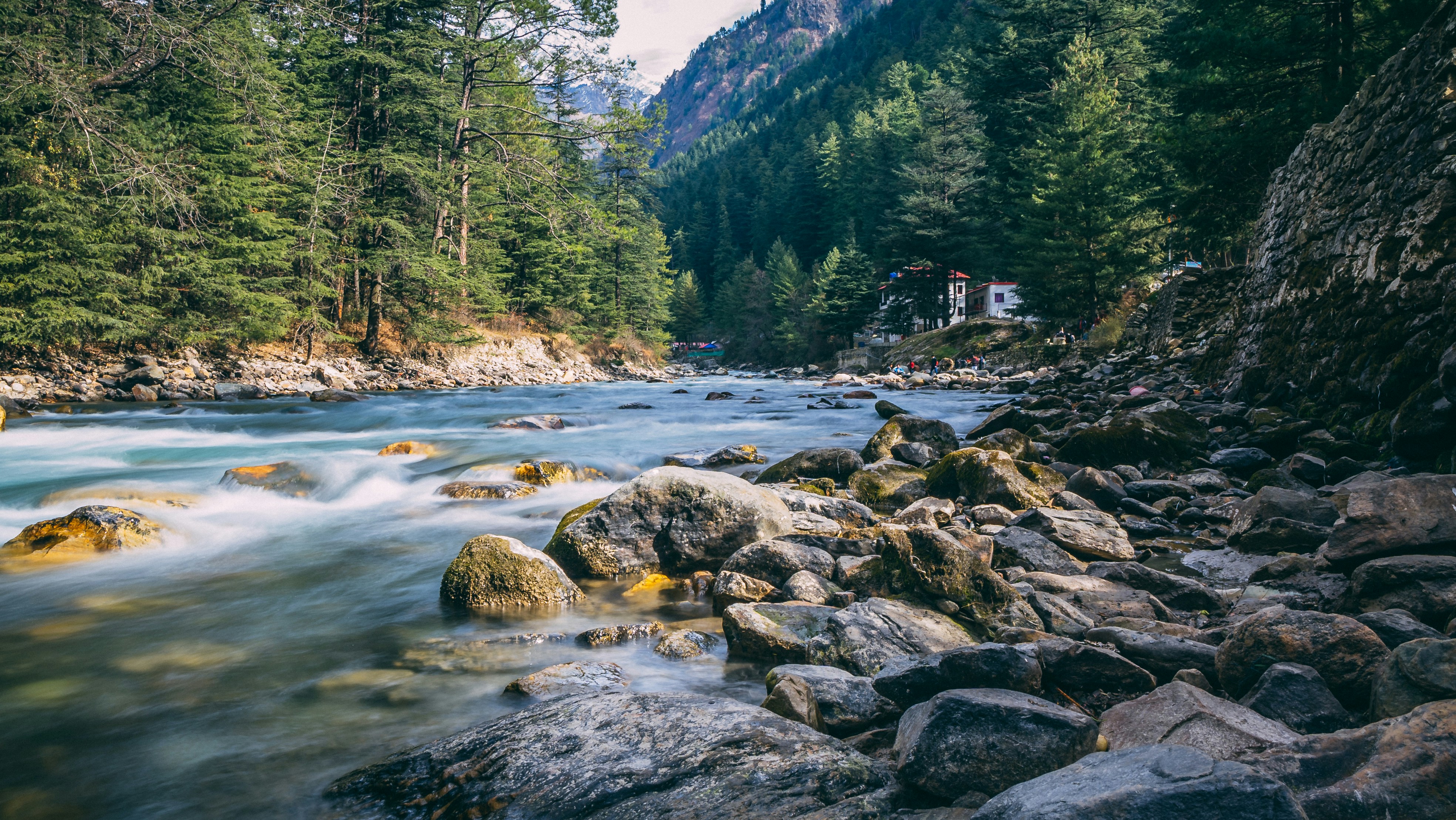
Image Source: Vikramjit Kakati
About Tawang Monastery
Perched dramatically on a hill overlooking the beautiful town of Tawang in Arunachal Pradesh, Tawang Monastery is one of the most iconic spiritual landmarks in Northeast India. Surrounded by towering Himalayan mountains, drifting clouds, and colorful prayer flags, the monastery creates an atmosphere that feels peaceful, timeless, and deeply spiritual. Known locally as Galden Namgey Lhatse, which translates to “celestial paradise in a clear night,” the monastery truly lives up to its name.
Founded in 1680 by the respected Buddhist monk Merak Lama Lodre Gyamtso under the guidance of the 5th Dalai Lama, Tawang Monastery belongs to the Gelugpa sect of Tibetan Buddhism, often called the Yellow Hat tradition. It is the largest monastery in India and the second-largest Buddhist monastery in the world after the Potala Palace monastery complex in Tibet. Over the centuries, it has become not only a place of worship but also a center of learning, culture, and spiritual guidance for the Monpa people and Buddhist communities across the Himalayan region.
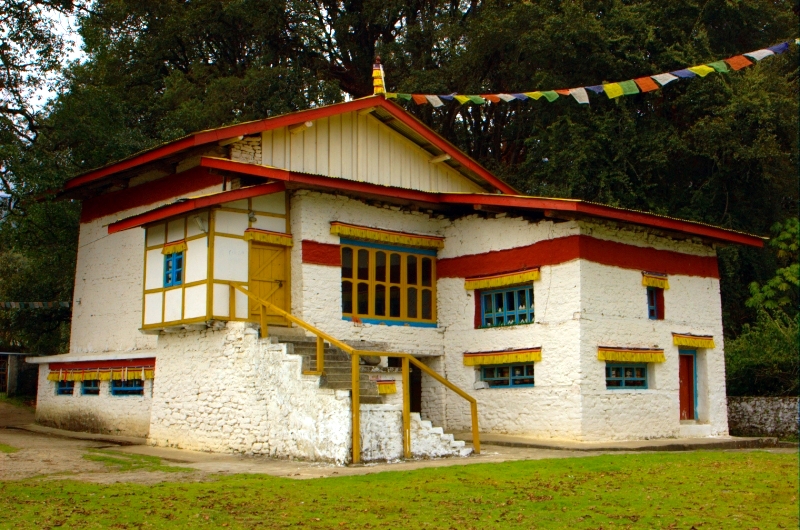
The monastery’s massive white structure, golden rooftops, giant prayer wheels, and intricately painted walls immediately capture attention. Inside, visitors are greeted by the calming scent of incense, the sound of chanting monks, and rows of ancient scriptures preserved carefully in the monastery library. The atmosphere is both grand and intimate, making it one of the most unforgettable destinations in Arunachal Pradesh.
Architecture and Spiritual Atmosphere
Tawang Monastery resembles a small fortified village perched on the mountainside. The complex houses residential quarters for monks, assembly halls, classrooms, libraries, museums, and open courtyards. The main prayer hall, known as the Dukhang, is the spiritual heart of the monastery. Inside stands a magnificent 28-foot-high golden statue of Lord Buddha, radiating serenity and devotion.
The walls of the monastery are decorated with vibrant murals depicting Buddhist teachings, deities, and scenes from Tibetan mythology. Beautiful thangka paintings, carved wooden windows, and traditional Tibetan-style architecture add to its artistic richness. Every corner of the monastery reflects centuries of Buddhist heritage and craftsmanship.
One of the most memorable experiences here is simply sitting quietly and absorbing the peaceful surroundings. As monks chant prayers in deep rhythmic tones and prayer flags flutter in the cold mountain breeze, visitors often find a sense of calm rarely experienced elsewhere.
Unique Experiences and Activities
Explore the Monastic Complex
Walking through the monastery complex feels like stepping into another world. Visitors can wander through prayer halls, narrow pathways, courtyards, monk residences, and meditation spaces while admiring traditional Tibetan architecture. The monastery library contains ancient handwritten Buddhist scriptures and rare manuscripts that offer insight into centuries of spiritual scholarship.
Attend Prayer Ceremonies
The monastery comes alive during morning and evening prayer sessions. Watching hundreds of monks chant together while traditional instruments echo through the halls is a deeply moving experience. Even visitors unfamiliar with Buddhism often find the ceremonies spiritually uplifting.
Experience the Festivals
Tawang Monastery is famous for its colorful festivals, especially Losar and Torgya. During these celebrations, monks perform sacred mask dances known as Cham dances, accompanied by traditional music and rituals intended to ward off negative energies. The monastery becomes vibrant with local culture, traditional clothing, and festive gatherings.
Learn About Monpa Culture
The monastery offers valuable insight into the traditions of the Monpa tribe, the indigenous community of the Tawang region. Their customs, language, food, festivals, and spiritual practices are closely connected with Tibetan Buddhism. Visitors can explore local handicrafts, textiles, and cultural traditions that have been preserved for generations.
Photography and Scenic Views
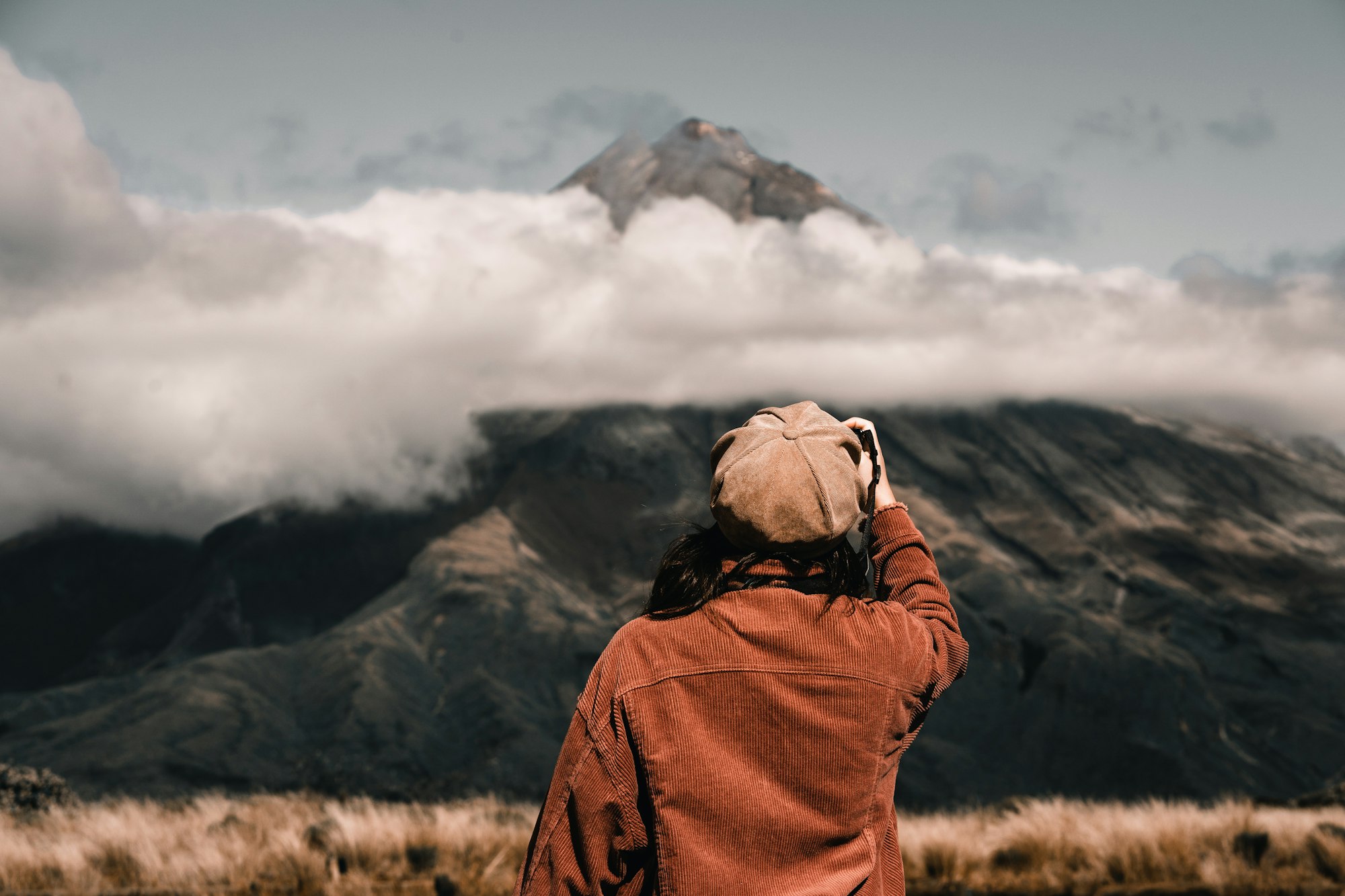
The monastery offers breathtaking panoramic views of Tawang Valley and the surrounding snow-covered Himalayan peaks. Sunrise and sunset are especially magical, when golden light falls across the monastery walls and clouds drift below the mountains. Photography enthusiasts will find endless opportunities to capture landscapes, architecture, monks, and vibrant prayer flags.
Interact with the Monks
Visitors sometimes have the opportunity to speak with resident monks and young students studying Buddhist philosophy. These interactions provide fascinating insights into monastic life, meditation practices, discipline, and spiritual teachings.
Historical and Cultural Importance
Tawang Monastery has played an important role in the religious and cultural history of the eastern Himalayas for centuries. Beyond being a spiritual center, it also served historically as an educational institution and an important center of regional administration.
The monastery shares a strong connection with Tibetan Buddhism and the lineage of the Dalai Lamas. It is also associated with the 6th Dalai Lama, Tsangyang Gyatso, who was born in the Tawang region.
During the 1962 Sino-Indian War, the monastery witnessed turbulent times as conflict reached the region. Despite these historical challenges, Tawang Monastery remained a symbol of resilience, peace, and faith. Today, it continues to preserve Buddhist traditions while promoting harmony, education, and cultural identity in the region.
Best Time to Visit
The ideal time to visit Tawang Monastery is between March and June, when the weather remains pleasant and the mountain landscapes are lush and vibrant. Clear skies during these months offer excellent views of the surrounding valleys and peaks.
Another excellent season is from September to November, when the monsoon has passed and the air becomes crisp and fresh. This period is perfect for sightseeing, photography, and attending monastery festivals.
Winter, from December to February, transforms Tawang into a snowy wonderland. The monastery looks stunning under a blanket of snow, creating an incredibly peaceful atmosphere. However, temperatures can drop below freezing, and roads may occasionally become difficult due to snowfall, especially near Sela Pass.
How to Reach Tawang Monastery
By Road
Tawang is well connected by road from Assam and other parts of Arunachal Pradesh. The journey from Bomdila to Tawang via the spectacular Sela Pass is considered one of the most scenic drives in Northeast India. Travelers usually hire taxis or take shared vehicles from Tezpur or Guwahati.
By Air
The nearest airports are located in Tezpur and Guwahati. From there, travelers continue by road to Tawang, which can take several hours depending on weather and road conditions.
By Rail
The nearest major railway station is in Guwahati, Assam. From Guwahati, visitors can continue their journey by road toward Tawang.
Travel Tips for Visitors
- Carry warm clothing throughout the year, as temperatures can change quickly in the mountains.
- Since Tawang lies at a high altitude, visitors should acclimatize properly and stay hydrated.
- Respect monastery rules and maintain silence inside prayer halls.
- Photography may be restricted in certain sacred areas, so always ask permission.
- Indian tourists require an Inner Line Permit (ILP) to enter Arunachal Pradesh, while foreign tourists need a Protected Area Permit (PAP).
Nearby Attractions
While visiting Tawang Monastery, travelers can also explore nearby attractions such as Tawang War Memorial, Madhuri Lake, Nuranang Falls, and the breathtaking high-altitude Bum La Pass near the Indo-China border.
Google Maps
FAQs
Why is Tawang Monastery famous?
Tawang Monastery is famous for being the largest Buddhist monastery in India and one of the largest in the world. It is renowned for its spiritual significance, stunning Himalayan location, ancient Buddhist traditions, and vibrant festivals.
Which Buddhist sect does Tawang Monastery belong to?
The monastery belongs to the Gelugpa sect of Tibetan Buddhism, also known as the Yellow Hat sect.
Is photography allowed inside the monastery?
Photography is generally allowed in many outdoor areas of the monastery, but some prayer halls and sacred sections may restrict photography. It is always best to ask before taking pictures.
How much time is needed to explore Tawang Monastery?
Most visitors spend around 2 to 3 hours exploring the monastery complex, though those interested in photography, culture, or meditation may choose to stay longer.
Does Tawang Monastery receive snowfall?
Yes, the monastery receives snowfall during winter, especially between December and February, creating a beautiful snowy landscape.
Can tourists attend prayer sessions?
Yes, visitors are usually allowed to observe prayer ceremonies respectfully. Morning prayers are especially peaceful and memorable.
Is Tawang Monastery suitable for family trips?
Absolutely. The monastery is suitable for families, solo travelers, photographers, spiritual seekers, and cultural enthusiasts alike.
Are there accommodations near the monastery?
Yes, Tawang town offers a range of hotels, guesthouses, and homestays suitable for different budgets, many with scenic mountain views.