Image Source: Rajyashree Shankar
About Dihing River
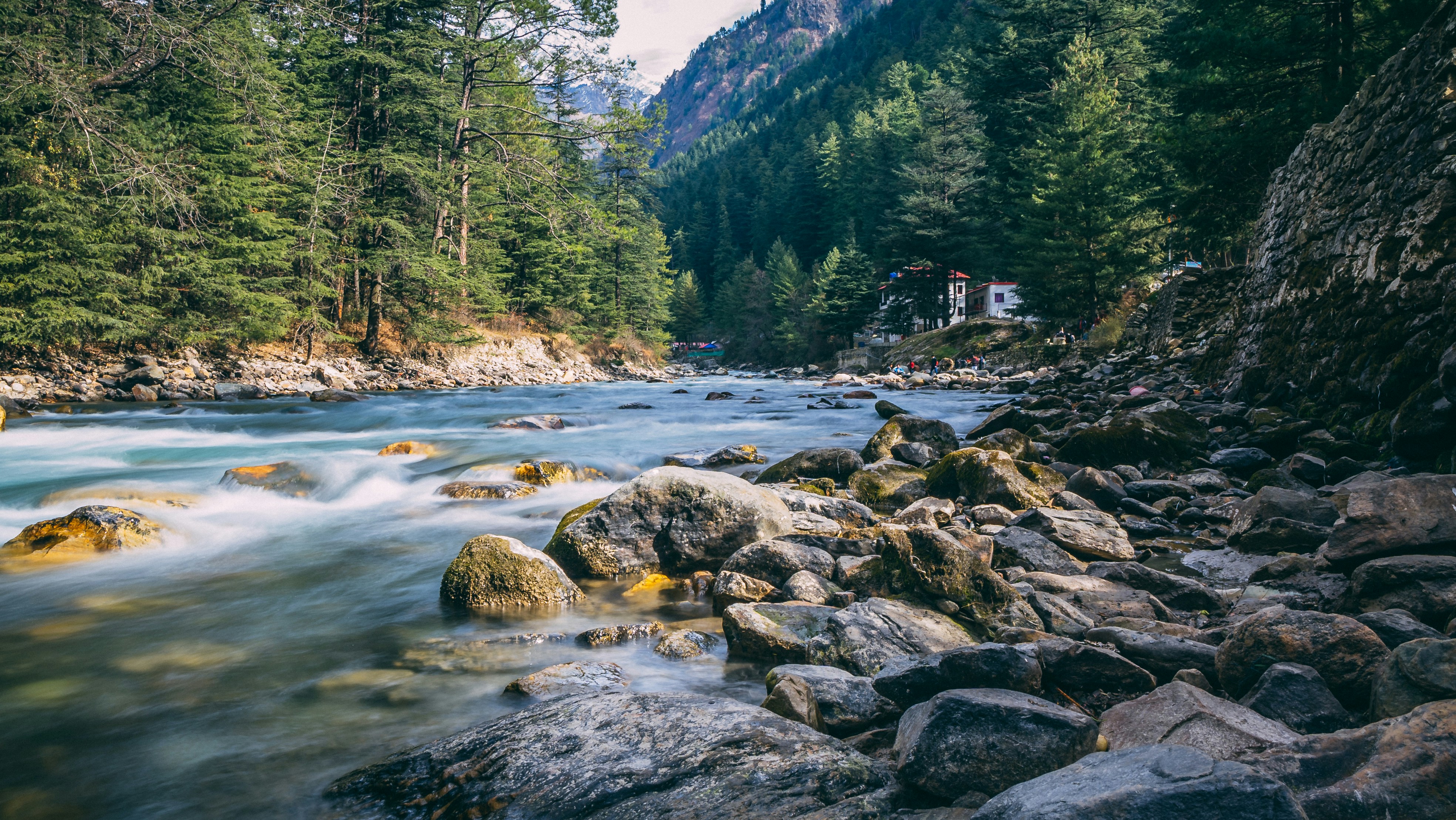
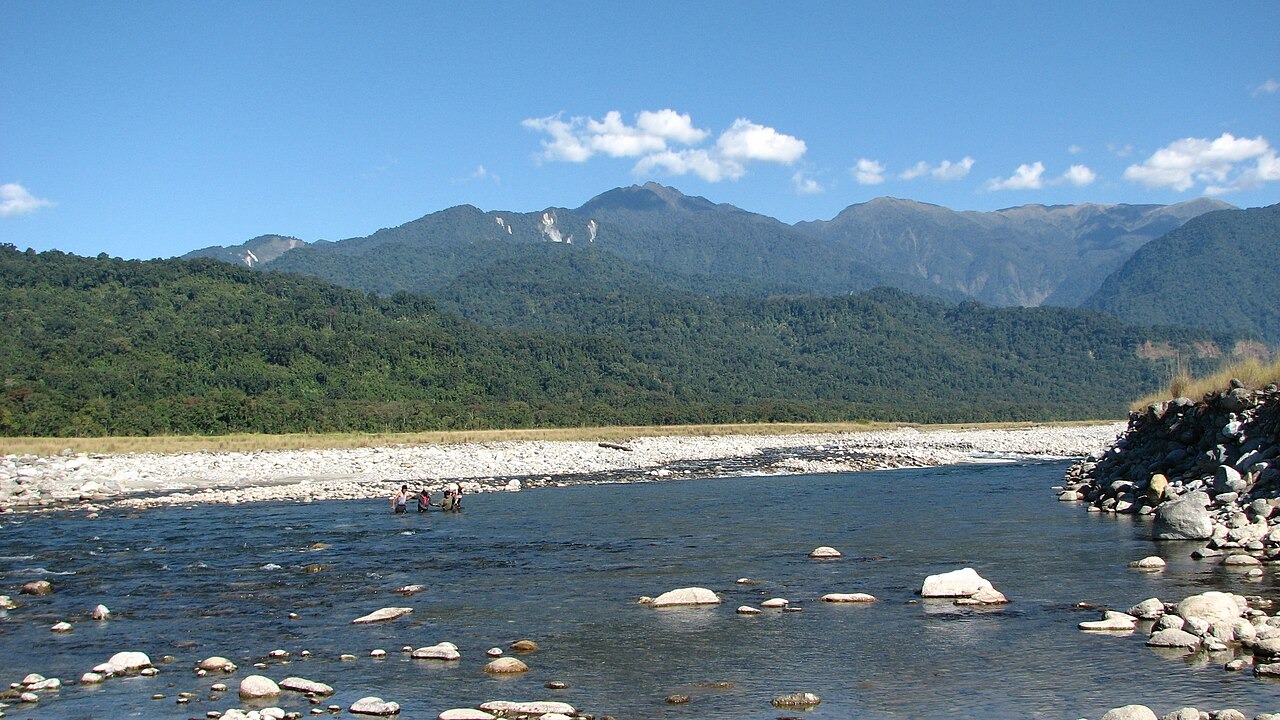
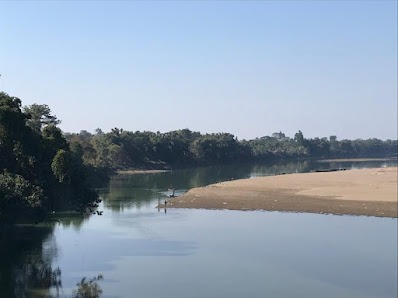
Noa-Dihing River flows through the lush eastern edge of Arunachal Pradesh, carving its way through dense forests, fertile plains, and remote tribal villages. It originates in the Patkai Hills near the Indo–Myanmar border and eventually joins the mighty Brahmaputra River in Assam.
This river is known for its shifting course and rich biodiversity. As it winds through regions like Namdapha National Park and the Deban area, it supports a thriving ecosystem filled with rare wildlife and thick tropical greenery. Beyond its natural beauty, the Noa-Dihing plays a vital role in sustaining local communities, agriculture, and the region’s delicate ecological balance.
Local Significance & Culture
For the Mishmi tribes, the Noa-Dihing River is much more than just a waterway—it’s deeply woven into everyday life. The river provides food, serves as a means of transport, and holds strong cultural importance.
Many local festivals and traditions include rituals dedicated to river spirits, believed to protect the waters and bless the community with prosperity. The river also influences farming cycles, as seasonal floods bring nutrient-rich silt that makes the land more fertile. In many ways, life here moves in rhythm with the river.
Nearby Attractions Around Dihing River
Namdapha National Park
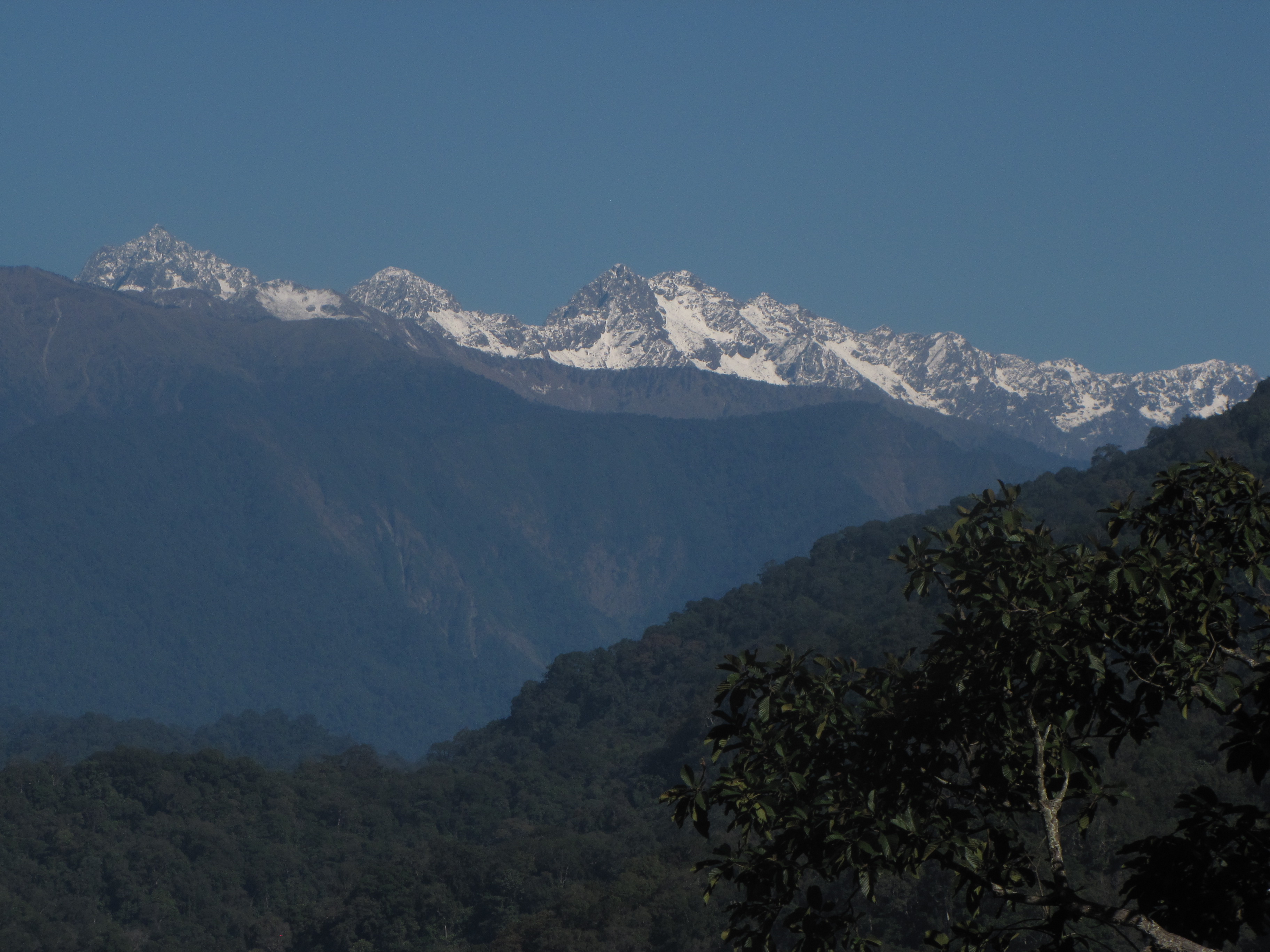
One of India’s largest and most biodiverse protected areas, Namdapha National Park lies within the Dihing River basin. The park is famous for its dense rainforests, spectacular mountain scenery, and rare wildlife, including clouded leopards, red pandas, hoolock gibbons, and hundreds of bird species.
Miao
The charming town of Miao serves as the gateway to Namdapha National Park. Surrounded by forests and hills, Miao offers visitors an opportunity to experience local tribal culture, scenic landscapes, and the natural beauty of the Noa-Dihing Valley.
Deban
Located inside Namdapha National Park, Deban is a picturesque riverside destination overlooking the Noa-Dihing River. It is a popular base for wildlife exploration, trekking, birdwatching, and nature photography.
Vijaynagar
The remote settlement of Vijaynagar is one of the most isolated inhabited regions in Arunachal Pradesh. Surrounded by mountains, forests, and river valleys, it offers adventurous travelers a chance to explore some of the state’s most untouched landscapes.
Kamlang Wildlife Sanctuary
Situated near the Dihing River region, Kamlang Wildlife Sanctuary is known for its rich biodiversity, evergreen forests, and diverse wildlife. The sanctuary is home to elephants, leopards, hornbills, and several rare Himalayan species.
Lake of No Return
Located near the India-Myanmar border, Lake of No Return is associated with fascinating local legends and wartime history. The mysterious lake is surrounded by dense forests and adds an intriguing dimension to the region’s natural heritage.
Stilwell Road
The historic Stilwell Road passes through parts of the Dihing Valley and is an important reminder of World War II history. Built to connect India with China through Myanmar, the route attracts history enthusiasts as well as adventure travelers.
Jairampur
The small town of Jairampur is known for its cultural diversity, Buddhist heritage, and proximity to the historic Stilwell Road. It serves as an excellent stop for travelers exploring the Dihing River region and eastern Arunachal Pradesh.
How to Reach
- Nearest Towns: Miao (the main gateway to Namdapha National Park), Roing, and Namsai.
- By Air: The nearest major airport is in Dibrugarh (around 160 km from Miao).
- By Rail: Tinsukia railway station is the closest well-connected railhead.
- By Road: You can drive from Dibrugarh or Tinsukia via Namsai or Jagun to reach key access points along the river.
Best Time to Visit
- November to March: This is the best time to visit, with clear skies, pleasant weather, and perfect conditions for camping, birdwatching, and photography.
- Monsoon (June to September): The river swells and looks dramatic, but water activities can be risky due to strong currents and flooding.
Google Maps
FAQs
1. Where does the Noa-Dihing River originate?
It begins in the Patkai Hills near the Indo–Myanmar border in Arunachal Pradesh.
2. Why is the river important to local communities?
It supports daily life by providing water, food, transportation, and fertile land for farming, along with cultural and spiritual significance.
3. Can tourists visit the river easily?
Yes, the river can be accessed from towns like Miao, Namsai, and Roing, with good road connectivity from Dibrugarh and Tinsukia.
4. Is it safe to visit during the monsoon?
While the scenery is beautiful, the monsoon season can be dangerous due to flooding and strong currents, so caution is advised.
5. What activities can be done here?
Visitors can enjoy nature walks, birdwatching, photography, and exploring nearby forests and national parks.
6. Which nearby attraction should I combine with this visit?
A trip to the Noa-Dihing River is best combined with exploring Namdapha National Park, known for its incredible biodiversity.