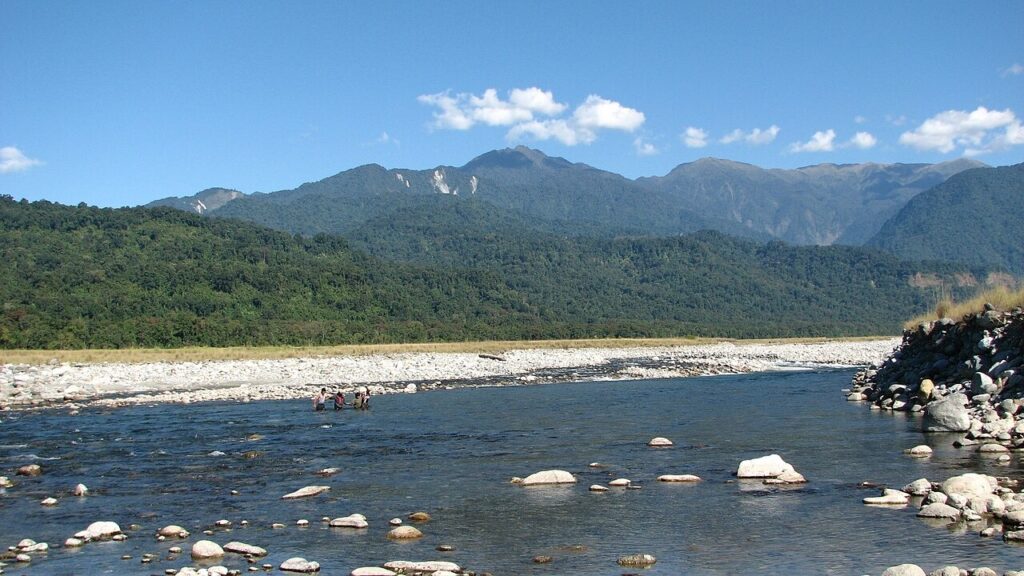
Image Source: Rohit Naniwadekar
About Namdapha Jungle Trek
Hidden deep in the far eastern corner of Arunachal Pradesh, the Namdapha Jungle Trek is one of the most thrilling wilderness experiences in India. This trek takes travelers into the heart of Namdapha National Park, a vast and untouched rainforest known for its extraordinary biodiversity, rugged landscapes, and remote forest trails. Spread across nearly 1,985 square kilometers in the Changlang district, Namdapha is among the largest protected areas in the Eastern Himalayas and is globally recognized for its ecological richness.
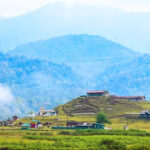
Unlike many commercial trekking routes in India, Namdapha offers a raw and authentic jungle adventure. The trails pass through dense tropical rainforests, bamboo groves, hanging vines, river valleys, and mist-covered hills where nature still exists in its purest form. Trekking here feels less like a typical hike and more like stepping into a hidden world untouched by modern development.
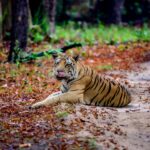
One of the most fascinating aspects of Namdapha National Park is its incredible wildlife diversity. The park is famously known as the only place in the world where four species of big cats—the tiger, leopard, snow leopard, and clouded leopard—are believed to coexist within the same landscape. Though sightings are extremely rare due to the dense forests, the very possibility adds a sense of mystery and excitement to the trek.
A Journey Through Untamed Rainforests
The Namdapha Jungle Trek is not just about reaching a destination; it is about experiencing the wilderness itself. The adventure usually begins from Deban, a beautiful forest camp located on the banks of the Noa-Dihing River. Surrounded by thick forests and mountain views, Deban serves as the entry point into the deeper parts of the national park.
As trekkers move further inside, the environment changes dramatically. Narrow jungle trails wind through giant trees covered in moss and orchids, while the sounds of birds and insects echo throughout the forest. Hornbills fly overhead, hoolock gibbons swing through the trees, and colorful butterflies appear along the trail. During quiet moments, trekkers may even hear rustling in the undergrowth caused by civets, deer, or smaller forest animals.
The trek can extend toward remote camps such as Hornbill Camp, Firmbase, and beyond to Gandhigram, one of the remotest villages in Arunachal Pradesh. Gandhigram is located near the Indo-Myanmar border and is home to the Lisu community, a tribe known for their deep knowledge of forest survival and traditional lifestyles. Interacting with local villagers adds a cultural dimension to the journey, making the experience even more memorable.
Wildlife and Biodiversity
Namdapha is considered one of India’s most important biodiversity hotspots. Due to its unique geographical location and varying altitudes, the park supports a remarkable range of ecosystems—from tropical evergreen forests to alpine meadows at higher elevations.
The region is home to rare and endangered species such as red pandas, Himalayan black bears, marbled cats, slow lorises, and several species of hornbills. Birdwatchers especially find Namdapha fascinating, as hundreds of bird species inhabit the forest. The park is also rich in reptiles, butterflies, orchids, and medicinal plants.
What makes the trek truly special is the feeling of exploring a living rainforest where every corner hides something new. Even if wildlife sightings are limited, the atmosphere of the jungle itself becomes the highlight of the journey.
Trek Difficulty and Route Information
The Namdapha Jungle Trek is moderately challenging and requires good physical fitness. Trails can be muddy, slippery, and humid, especially after rainfall. Depending on the chosen route, the trek can last anywhere between 2 to 7 days.
Shorter treks around Deban and Haldibari are suitable for beginners and nature lovers who want to experience the rainforest without venturing too deep. Longer expeditions toward Firmbase or Gandhigram are more demanding and involve crossing streams, walking through thick jungle terrain, and camping in remote forest locations.
Because the area is isolated and wild, hiring local guides and porters is highly recommended. Their knowledge of the terrain, weather, and wildlife is invaluable during the trek.
Best Time to Visit Namdapha
The ideal time for the Namdapha Jungle Trek is between November and March. During these months, the weather remains relatively dry and comfortable for trekking. The forests are lush, river levels are manageable, and wildlife sightings become more frequent.
Winter mornings in Namdapha are cool and misty, creating a magical atmosphere inside the rainforest. Summers can be humid, while the monsoon season from June to September brings heavy rainfall, making trails slippery and difficult to navigate.
Travelers planning deeper expeditions should always check weather conditions and forest permissions in advance.
How to Reach Namdapha National Park
The main gateway to Namdapha National Park is the town of Miao in Arunachal Pradesh. Miao is well connected by road to towns in Assam such as Dibrugarh and Tinsukia.
The nearest airport is located in Dibrugarh, while Tinsukia serves as the nearest major railway station. From these towns, travelers can hire taxis or take local transport to reach Miao. From Miao, a scenic drive through forest roads leads to Deban Forest Rest House, which acts as the starting point for most trekking routes.
Indian travelers usually require an Inner Line Permit (ILP) to enter Arunachal Pradesh, while foreign nationals need a Protected Area Permit (PAP). Additional permissions from the forest department may also be necessary for trekking into core forest zones.
Nearby Attractions of Namdapha Jungle
Namdapha Jungle, located within the renowned Namdapha National Park, is one of India’s richest and most pristine rainforest ecosystems. Spread across the Eastern Himalayas in Arunachal Pradesh’s Changlang district, the jungle is home to dense tropical forests, rare wildlife, scenic rivers, and remote tribal settlements. Its extraordinary biodiversity and untouched wilderness make it a paradise for nature lovers, wildlife enthusiasts, birdwatchers, and trekkers.
1. Deban Forest Camp
Situated on the banks of the Noa-Dihing River, Deban serves as the main entry point to Namdapha. Surrounded by lush forests and picturesque landscapes, it is the most popular base camp for visitors exploring the jungle. The area offers excellent opportunities for birdwatching, wildlife spotting, and nature photography.
2. Noa-Dihing River
Flowing through Namdapha’s dense forests, the Noa-Dihing River creates stunning river valleys, sandy banks, and scenic viewpoints. The river is ideal for photography, riverside walks, and observing the rich biodiversity of the region.
3. Miao
Miao is a charming town that serves as the gateway to Namdapha National Park. Surrounded by forests and hills, Miao offers cultural experiences, local markets, and access to several eco-tourism destinations.
4. Haldibari
Located near the park boundary, Haldibari is known for its scenic forest landscapes and serves as an important transit point for travelers entering the Namdapha region. The area provides excellent opportunities for nature walks and birdwatching.
5. Hornbill Camp
This popular eco-tourism destination near the park offers visitors a chance to experience the rainforest environment while enjoying comfortable accommodation. The area is particularly famous for sightings of hornbills and other exotic bird species.
6. Firmbase
Firmbase is one of the trekking camps located deep inside Namdapha. Surrounded by dense rainforest, it provides a unique wilderness experience and serves as a stopover for trekkers exploring the interior of the park.
7. Bulbulia
Bulbulia is another beautiful trekking destination within Namdapha. The trail leading to this area passes through tropical forests rich in orchids, butterflies, birds, and wildlife.
8. Gandhigram
Gandhigram is a settlement near the park known for its agricultural landscapes and cultural diversity. It offers insights into the lifestyle of local communities living near the rainforest.
9. Vijaynagar
Vijaynagar is one of the most remote inhabited regions of Arunachal Pradesh. Accessible mainly through trekking routes and limited air services, it offers spectacular mountain scenery and an unforgettable wilderness experience.
10. Miao Museum
The museum in Miao showcases the culture, traditions, handicrafts, and history of local tribal communities such as the Tangsa, Singpho, Lisu, and Chakma. It provides valuable cultural context for visitors exploring the Namdapha region.
Camping and Accommodation
Accommodation options inside Namdapha are simple and nature-focused. Deban Forest Guest House is the most popular stay option near the park entrance and offers basic facilities amidst beautiful surroundings.
For deeper treks, camping becomes part of the adventure. Trekkers often stay in temporary camps near rivers or forest clearings. Nights in Namdapha are incredibly peaceful, filled with the sounds of insects, flowing water, and distant wildlife calls.
Since facilities are limited, travelers should carry essential trekking gear, medicines, warm clothing, rain protection, and sufficient supplies.
Why Namdapha Jungle Trek is Unique
What separates Namdapha from other trekking destinations is its untouched wilderness. This is not a place of crowded tourist trails or luxury camps. Instead, it offers solitude, raw adventure, and a rare opportunity to experience one of the last great rainforests of India.
The trek appeals to wildlife enthusiasts, birdwatchers, photographers, adventure seekers, and anyone who wants to disconnect from urban life and reconnect with nature. Every trail, river crossing, and forest camp in Namdapha carries a sense of exploration that is difficult to find elsewhere.
For travelers seeking an offbeat Himalayan jungle expedition, the Namdapha Jungle Trek remains one of the most extraordinary adventures in Northeast India.
Google Maps
FAQs
Is the Namdapha Jungle Trek suitable for beginners?
Yes, shorter trekking routes around Deban and nearby forest areas are suitable for beginners. However, longer jungle expeditions require good fitness and prior trekking experience.
How many days are required for the trek?
The duration depends on the route. Short treks may take 2 to 3 days, while deeper jungle expeditions toward Gandhigram can take up to 7 days or more.
Do I need permits to visit Namdapha?
Yes, Indian travelers need an Inner Line Permit (ILP) for Arunachal Pradesh, while foreign nationals require a Protected Area Permit (PAP). Forest entry permissions are also necessary.
What wildlife can be seen in Namdapha National Park?
The park is home to hornbills, hoolock gibbons, red pandas, clouded leopards, civets, Himalayan black bears, and many rare bird species.
What is the best season for the Namdapha Jungle Trek?
The best time to visit is from November to March when the weather remains dry and favorable for trekking.
Are guides necessary for the trek?
Yes, hiring local guides is strongly recommended, especially for longer routes inside the dense forest areas.
Is mobile network available inside the park?
Mobile connectivity is very limited or completely unavailable in deeper forest regions, especially beyond Deban.
Can families visit Namdapha?
Families and nature lovers can visit Deban and nearby forest areas comfortably, but deeper jungle treks are more suitable for experienced trekkers and adventure travelers.