Image Source: Rohit Naniwadekar
About Namdapha National Park
Hidden in the far eastern corner of Arunachal Pradesh, Namdapha National Park is one of India’s wildest and most untouched natural landscapes. Sprawling across nearly 2,000 square kilometres in the Eastern Himalayas, the park is a remarkable blend of dense rainforests, misty mountains, roaring rivers, and remote valleys. Recognized as part of the globally important Indo-Burma biodiversity hotspot, Namdapha is celebrated for its extraordinary ecological richness and dramatic wilderness.
Unlike many popular national parks that focus mainly on jeep safaris, Namdapha offers a far more immersive experience. Here, nature feels raw and untamed. Thick jungle trails replace tourist roads, rivers cut through dense forests, and the sounds of birds and insects dominate the silence. For trekkers, wildlife enthusiasts, birdwatchers, photographers, and adventure seekers, the park feels less like a tourist destination and more like an expedition into one of the last great wildernesses of India.
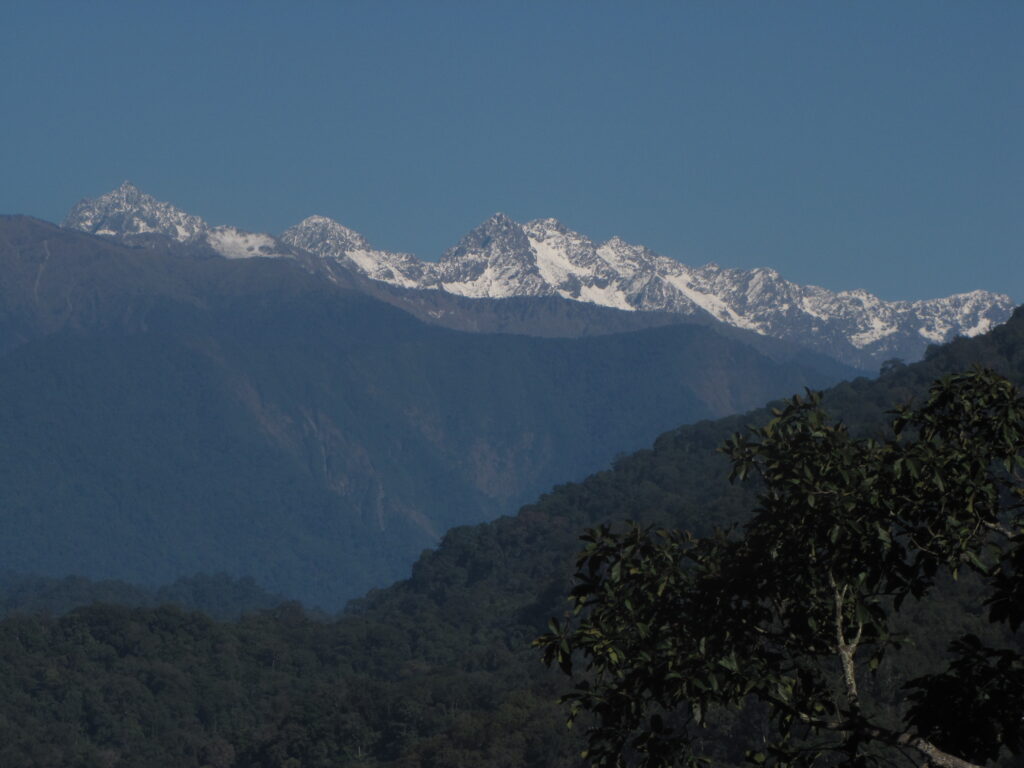
One of the most fascinating aspects of Namdapha is its incredible range of habitats. The altitude rises from around 200 meters above sea level to over 4,500 meters, creating multiple climatic zones within a single protected area. Tropical evergreen forests slowly transition into temperate woodlands, alpine meadows, and snow-covered highlands. This rare geographical variation supports an astonishing variety of plant and animal life.
A Rare Haven for Wildlife
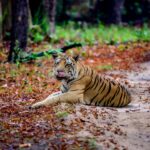
Namdapha is internationally known for its exceptional biodiversity. It is often described as one of the few places on Earth where four species of big cats are believed to coexist in the same landscape — the tiger, leopard, snow leopard, and clouded leopard. This alone makes the park unique among wildlife destinations worldwide.
Apart from these elusive predators, the forests shelter several rare and endangered animals. Visitors may encounter the graceful red panda in higher elevations, while the dense canopies echo with the calls of hoolock gibbons, India’s only ape species. Other mammals found here include Asiatic black bears, barking deer, wild boars, civets, Himalayan serows, and the rare Malayan sun bear.
Birdlife in Namdapha is equally extraordinary. More than 450 bird species have been recorded, making the park a paradise for birdwatchers. Vibrant hornbills glide above the forests, while wren-babblers, laughing thrushes, flycatchers, and rare migratory birds thrive in the park’s diverse ecosystems. The critically endangered white-bellied heron has also been sighted here, adding to the ecological importance of the region.
Trekking Through the Eastern Himalayas
Namdapha is best explored on foot. Trekking routes take visitors deep into forests where giant ferns, bamboo groves, orchids, and towering trees create a truly prehistoric atmosphere. One of the most popular routes begins at Deban and passes through areas such as Hornbill Camp, Bulbulia, and Firmbase.
The experience of trekking here is very different from Himalayan mountain treks elsewhere in India. Instead of barren landscapes and open ridges, Namdapha’s trails move through humid rainforests, hanging bridges, elephant grasslands, and river crossings. Mist often settles over the valleys, creating an almost dreamlike setting.
Trekkers frequently spot butterflies, exotic birds, and animal tracks along the trails. Nights in the forest are equally memorable, with the sounds of cicadas, frogs, and distant wildlife creating a true jungle atmosphere.
The Beauty of the Noa-Dihing River
Flowing through the park like a lifeline, the Noa-Dihing River adds another dimension to Namdapha’s beauty. Its clear waters, forested banks, and rocky stretches create ideal settings for riverside camping, photography, and peaceful exploration.
Sunrise along the river is particularly magical. Morning mist rises slowly from the water while birds become active in the surrounding forests. Many visitors spend hours simply observing the changing colours of the landscape and listening to the sounds of the jungle awakening.
The river also supports local communities and wildlife, making it an essential part of the park’s ecosystem.
Indigenous Tribes and Local Culture
The forests surrounding Namdapha are home to several indigenous communities, each with unique traditions and lifestyles. Among them, the Lisu (Yobin) tribe is especially well known. Their villages, often built on bamboo stilts, reflect generations of adaptation to forest life.
Visitors to these villages can learn about traditional hunting practices, bamboo craftsmanship, weaving techniques, and local food culture. The hospitality of the local people adds warmth to the otherwise rugged wilderness experience.
Nearby regions are also inhabited by Chakma, Tangsa, and Singpho communities, whose cultures contribute to the rich human diversity of the area. Responsible tourism helps support these communities while encouraging preservation of traditional knowledge and sustainable living practices.
History and Conservation Importance
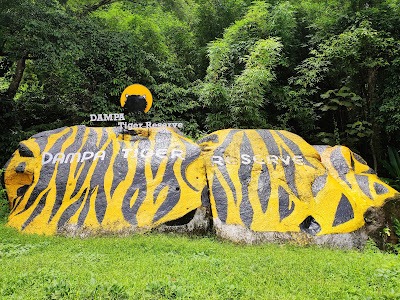
Namdapha was first declared a wildlife sanctuary in 1972 before becoming a national park and tiger reserve in 1983 under India’s Project Tiger initiative. Since then, it has become one of the country’s most significant conservation areas.
The park’s enormous ecological value lies in its ability to support species from tropical, temperate, and alpine ecosystems within a single protected landscape. Scientists and conservationists consider it one of the most biologically important regions in South Asia.
However, the park also faces challenges. Illegal logging, poaching, habitat pressure, and difficult terrain make conservation work demanding. Eco-tourism and responsible travel play an important role in supporting awareness and sustainable protection efforts.
Best Time to Visit
The ideal time to visit Namdapha National Park is between November and March. During these months, the weather remains relatively cool and dry, making trekking and wildlife exploration more comfortable. Forest trails are more accessible, rivers are calmer, and chances of spotting wildlife improve.
The monsoon season from June to September transforms the park into a lush green paradise, but travel becomes difficult due to heavy rainfall, slippery paths, swollen rivers, and leeches. While experienced monsoon trekkers may enjoy the dramatic scenery and blooming orchids, the season is generally not recommended for casual travellers.
How to Reach Namdapha National Park
The nearest gateway town to the park is Miao in Changlang district. Most visitors begin their journey from Assam before travelling by road into Arunachal Pradesh.
By Air
The nearest airport is Dibrugarh Airport, located around 160 kilometres away. The airport has regular flights connecting major cities such as Guwahati and Kolkata.
By Rail
The closest major railway station is Tinsukia Junction railway station. From there, travellers continue by road through Namsai and Miao.
By Road
Shared taxis, private vehicles, and state-run buses connect Dibrugarh and Tinsukia with Miao. Road conditions can vary greatly, especially during the rainy season, so sturdy vehicles are preferred.
Accommodation Options
Accommodation inside the park is basic but highly scenic. Forest Rest Houses at Deban provide an unforgettable stay surrounded by dense forests and river views. These lodges are ideal for nature lovers who want to experience the sounds and atmosphere of the jungle after sunset.
Miao also offers guesthouses, small hotels, and homestays managed by local families. Staying with local hosts gives visitors an opportunity to learn more about the region’s culture and daily life.
Camping is another popular option for trekkers exploring deeper parts of the park, though it usually requires guides and prior permission.
Essential Travel Tips
Travelling to Namdapha requires preparation because of its remote and rugged terrain.
- Indian visitors need an Inner Line Permit (ILP) to enter Arunachal Pradesh.
- Foreign nationals require a Protected Area Permit (PAP).
- Hiring local guides is strongly recommended, especially for trekking routes.
- Carry trekking shoes with strong grip, rain protection, insect repellent, binoculars, and extra batteries.
- Mobile network coverage is limited inside the park.
- Avoid carrying plastic waste and respect wildlife habitats and tribal customs.
Google Maps
FAQs
Where is Namdapha National Park located?
Namdapha National Park is located in the Changlang district of Arunachal Pradesh in northeastern India, close to the India-Myanmar border.
Why is Namdapha National Park famous?
The park is famous for its exceptional biodiversity, dense rainforests, and the rare presence of four big cat species — tiger, leopard, snow leopard, and clouded leopard — within the same landscape.
What is the best time to visit Namdapha National Park?
The best time to visit is from November to March when the weather remains pleasant and forest trails are easier to access.
Is trekking allowed in Namdapha National Park?
Yes, trekking is one of the main attractions of the park. Popular trekking routes begin from Deban and pass through deep forests and remote campsites.
Are permits required to visit Namdapha?
Yes. Indian nationals need an Inner Line Permit (ILP), while foreign nationals require a Protected Area Permit (PAP).
Can tourists stay inside the park?
Yes, visitors can stay at Forest Rest Houses in Deban or camp in designated trekking areas with permission and guides.
Which animals can be seen in Namdapha National Park?
The park is home to tigers, clouded leopards, red pandas, hoolock gibbons, Asiatic black bears, hornbills, and hundreds of bird species.
Is Namdapha suitable for family trips?
Namdapha is better suited for nature lovers, trekkers, photographers, and adventure travellers. Families can visit the easier-access areas like Deban and Miao, but deeper exploration requires physical fitness and preparation.