Image Source: Joli
About the Subansiri River
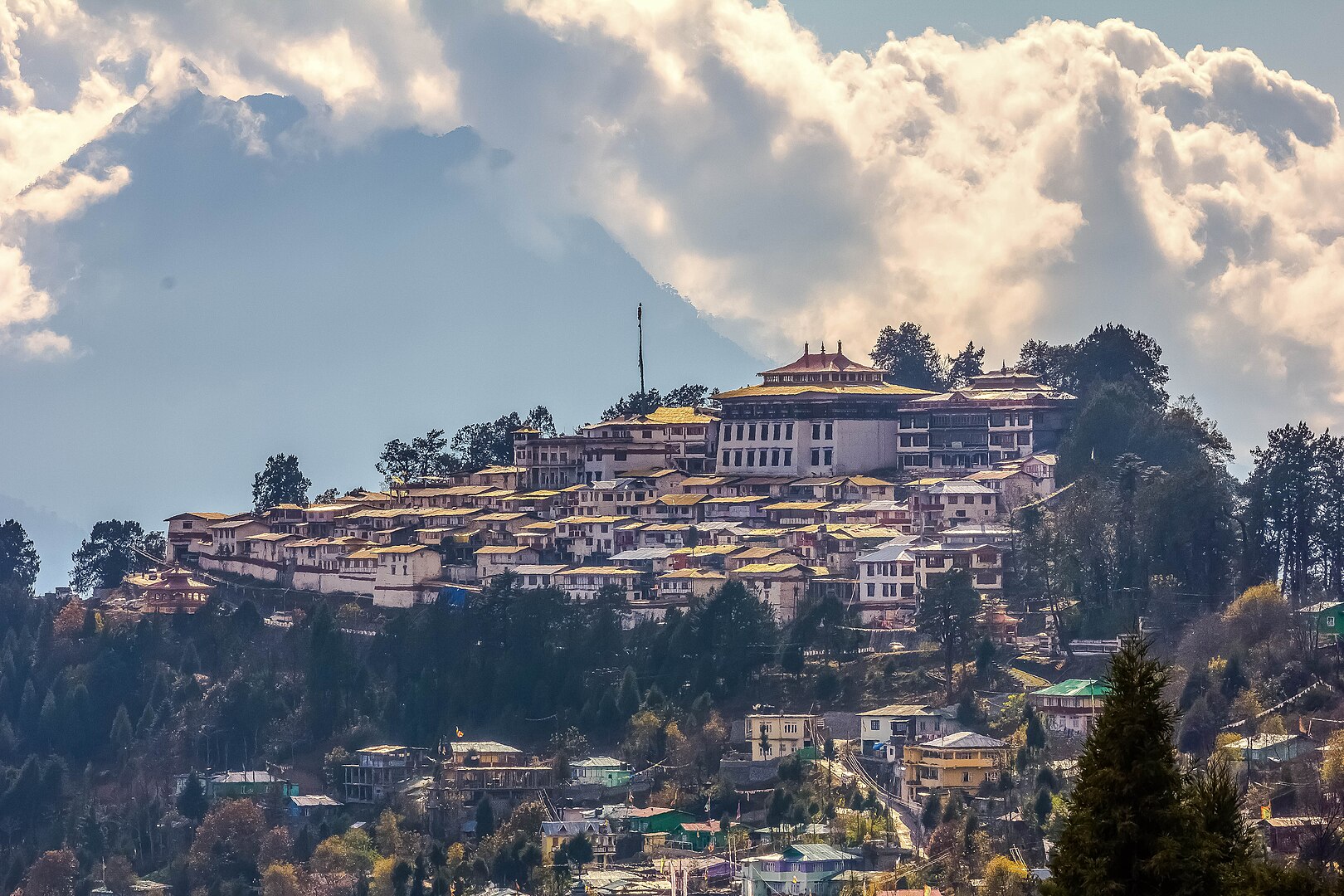
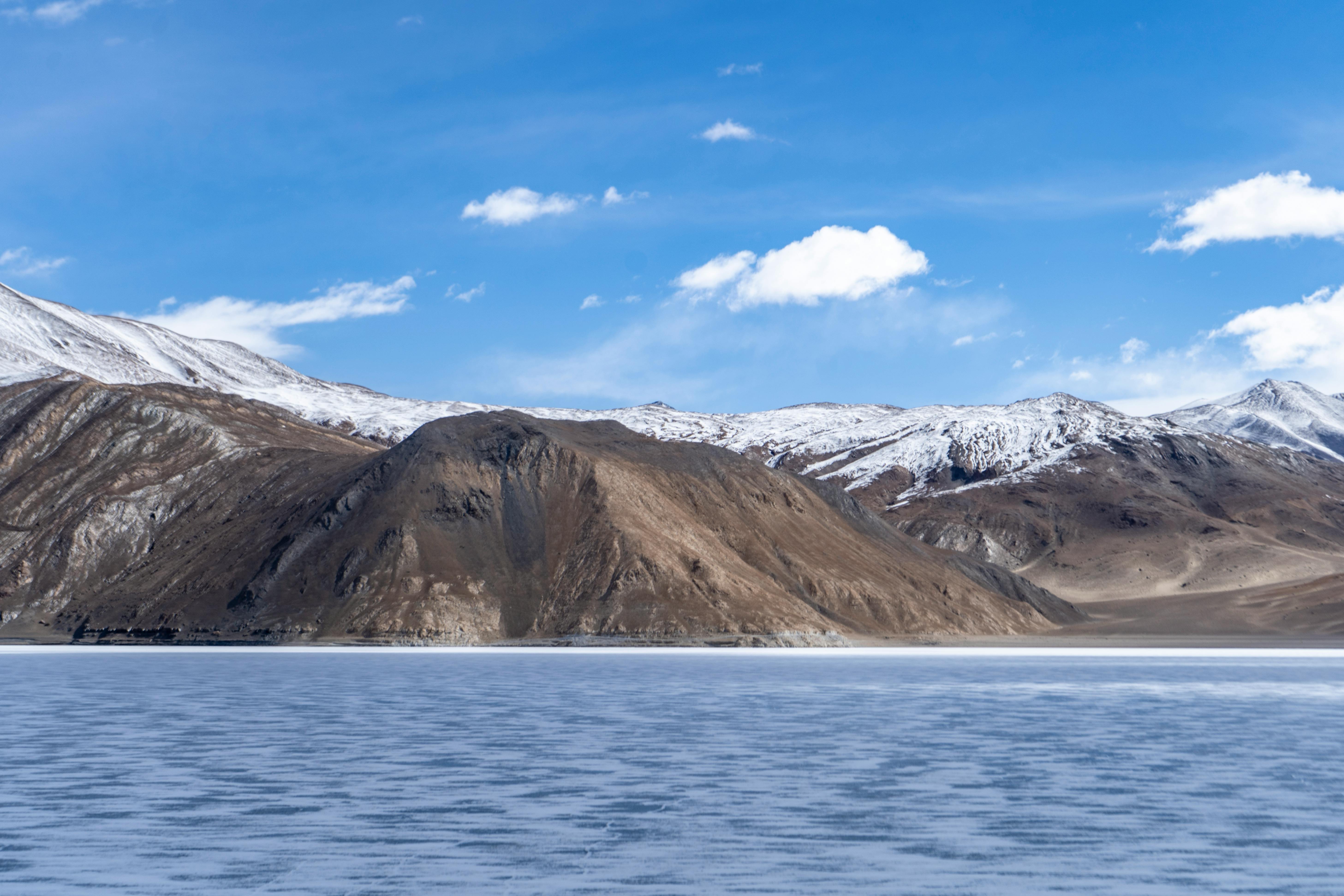
Flowing down from the snow-covered mountains of Tibet into the lush landscapes of Arunachal Pradesh, the Subansiri River is one of the most powerful and beautiful tributaries of the Brahmaputra. Often referred to as the “Gold River,” the name is believed to have originated from traces of gold dust that were once reportedly found in its sands by local communities. Wild, untamed, and deeply connected to the culture of Northeast India, the Subansiri is far more than just a river—it is the lifeline of the valleys and tribes that thrive along its banks.
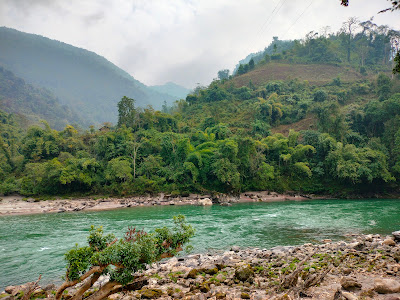
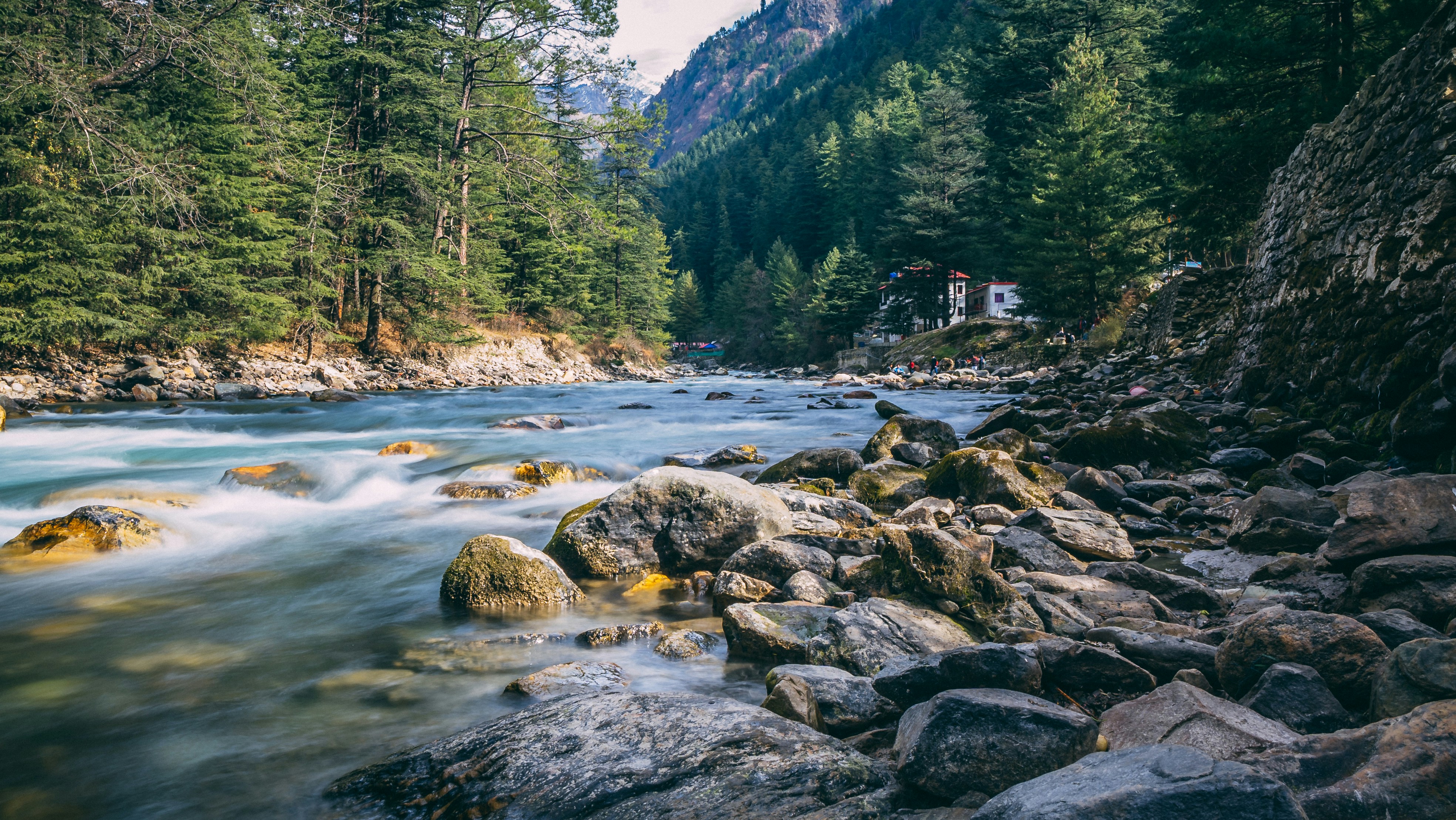
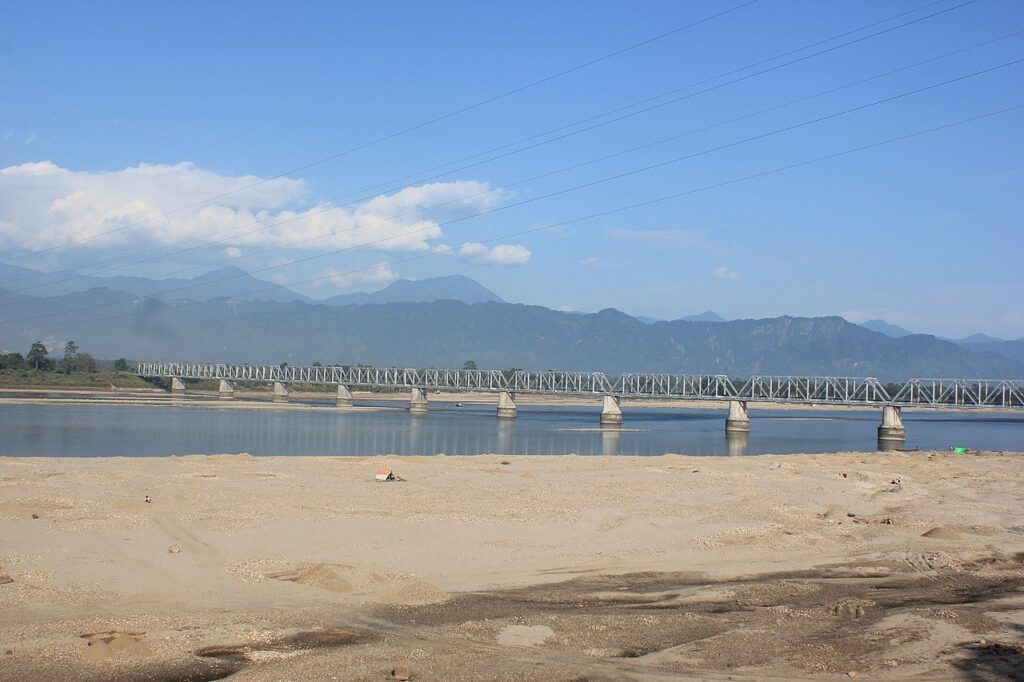
As the river enters India, it carves its way through the rugged terrain of Upper Subansiri and Lower Subansiri districts of Arunachal Pradesh. Along its journey, it creates breathtaking gorges, dense forests, river islands, and fertile valleys that support both wildlife and human settlements. The scenery constantly changes from roaring rapids and rocky cliffs to peaceful riverside villages and sandy riverbanks, making the Subansiri Valley one of the most scenic yet lesser-explored destinations in Northeast India.
The river is also known for its ecological richness. Thick forests surrounding the valley are home to rare Himalayan flora and fauna, while the river itself supports diverse aquatic life. The untouched beauty of the region attracts nature lovers, photographers, birdwatchers, trekkers, and adventure seekers looking to experience a raw and authentic side of Arunachal Pradesh.
Natural Beauty and Landscape
One of the most striking features of the Subansiri River is the dramatic landscape through which it flows. The upper stretches are surrounded by steep Himalayan slopes covered in pine forests, while the lower valleys open into greener and more fertile terrain. During sunrise and sunset, the river reflects shades of silver and gold, creating mesmerizing views that leave a lasting impression on travelers.
The riverbanks near towns like Daporijo and areas around Ziro offer beautiful camping spots and panoramic viewpoints. In winter, the skies remain clear, and the cool mountain air makes the region perfect for outdoor activities. During the monsoon season, the river swells dramatically, transforming into a roaring force of nature surrounded by lush greenery and mist-covered hills.
The Subansiri basin is also rich in biodiversity. Migratory birds, riverine species, and dense forest ecosystems make the valley an important ecological zone in Northeast India. Birdwatchers often visit the region to spot hornbills, kingfishers, eagles, and other Himalayan bird species.
Adventure Activities on the Subansiri River
White-Water Rafting and Kayaking
The Subansiri River is considered one of the finest rafting destinations in Northeast India. Its fast-flowing waters and challenging rapids attract adventure enthusiasts from across the country. Rapids range from Grade II to Grade IV, making the river suitable for both beginners and experienced rafters. The thrill of navigating through narrow gorges and turbulent currents while surrounded by untouched wilderness creates an unforgettable experience.
Kayaking is also gaining popularity in the region, especially among experienced paddlers looking for challenging Himalayan rivers.
Riverside Camping
The wide sandy banks near Daporijo and surrounding villages provide ideal camping locations. Spending a night beside the river under a sky full of stars is one of the most memorable experiences in the Subansiri Valley. Campfires, traditional tribal food, and the sound of flowing water create a peaceful atmosphere far away from crowded tourist destinations.
Fishing and Angling
The river is home to several freshwater fish species, including the famous golden mahseer, which is highly valued among anglers. Fishing in the Subansiri is not just a recreational activity but also part of the local lifestyle in many villages along the river.
Trekking and Hanging Bridges
Traditional bamboo suspension bridges built by local tribes connect remote villages across the river. Walking across these hanging bridges is both thrilling and scenic. Short hikes through forests and river valleys also offer opportunities to explore tribal settlements, waterfalls, and hidden viewpoints.
Tribal Culture and Cultural Significance
The Subansiri River holds deep cultural and spiritual importance for the indigenous tribes living in the valley. Communities such as the Tagin, Apatani, and Hill Miri have depended on the river for generations for farming, fishing, transportation, and daily life.
For the Apatani tribe of Ziro Valley, water from the river system plays an essential role in their famous wet rice cultivation practices. Among the Tagin people, the river is often regarded as a sacred force that protects and nourishes the land. Many traditional stories and legends describe the Subansiri as a divine guardian blessed by nature spirits.
Festivals celebrated in the region also reflect this close relationship with nature and rivers. The Dree Festival of the Apatani tribe is associated with agricultural prosperity and prayers for a successful harvest, while the Si-Donyi festival of the Tagin community celebrates harmony between humans and nature. During these celebrations, traditional dances, rituals, music, and community feasts bring villages to life.
Traveling through the Subansiri Valley also offers visitors a chance to experience authentic tribal hospitality, local cuisines, bamboo houses, and unique cultural traditions that remain largely untouched by urban influence.
Places to Explore Around the Subansiri Valley
Daporijo
Located on the banks of the Subansiri River, Daporijo is one of the main towns in Upper Subansiri district. It serves as a gateway to rafting expeditions and nearby tribal villages. The hanging bridges around Daporijo are among the town’s biggest attractions.
Ziro Valley
Although slightly away from the main river course, Ziro Valley is closely linked to the Subansiri basin. Famous for its Apatani culture, green rice fields, and pine-covered hills, Ziro is one of Arunachal Pradesh’s most beautiful destinations.
Tale Valley Wildlife Sanctuary
This protected forest area near Ziro is known for dense forests, orchids, rare wildlife, and trekking routes. It is ideal for nature lovers exploring the Subansiri region.
Along Village Routes and Tribal Settlements
Many remote villages located along the Subansiri and its tributaries offer a glimpse into traditional tribal life. Wooden houses, terraced fields, and riverside landscapes make these settlements culturally and visually fascinating.
How to Reach the Subansiri River Valley
By Air
The nearest airport is Lilabari Airport in Assam, which is located near North Lakhimpur. From there, travelers can continue by road toward Ziro, Daporijo, and other parts of the Subansiri Valley.
By Rail
North Lakhimpur Railway Station is the nearest major railhead and connects the region with Guwahati and several towns in Assam.
By Road
The Trans-Arunachal Highway (NH-13) connects the Subansiri region with other parts of Arunachal Pradesh and Assam. Roads leading to Ziro and Daporijo offer spectacular mountain and valley views during the journey.
Travelers visiting Arunachal Pradesh generally require an Inner Line Permit (ILP), which can be obtained online or from designated offices.
Best Time to Visit
The ideal time to visit the Subansiri River Valley is between October and April. During these months, the weather remains pleasant, skies stay clear, and river activities such as rafting, camping, and trekking can be enjoyed safely.
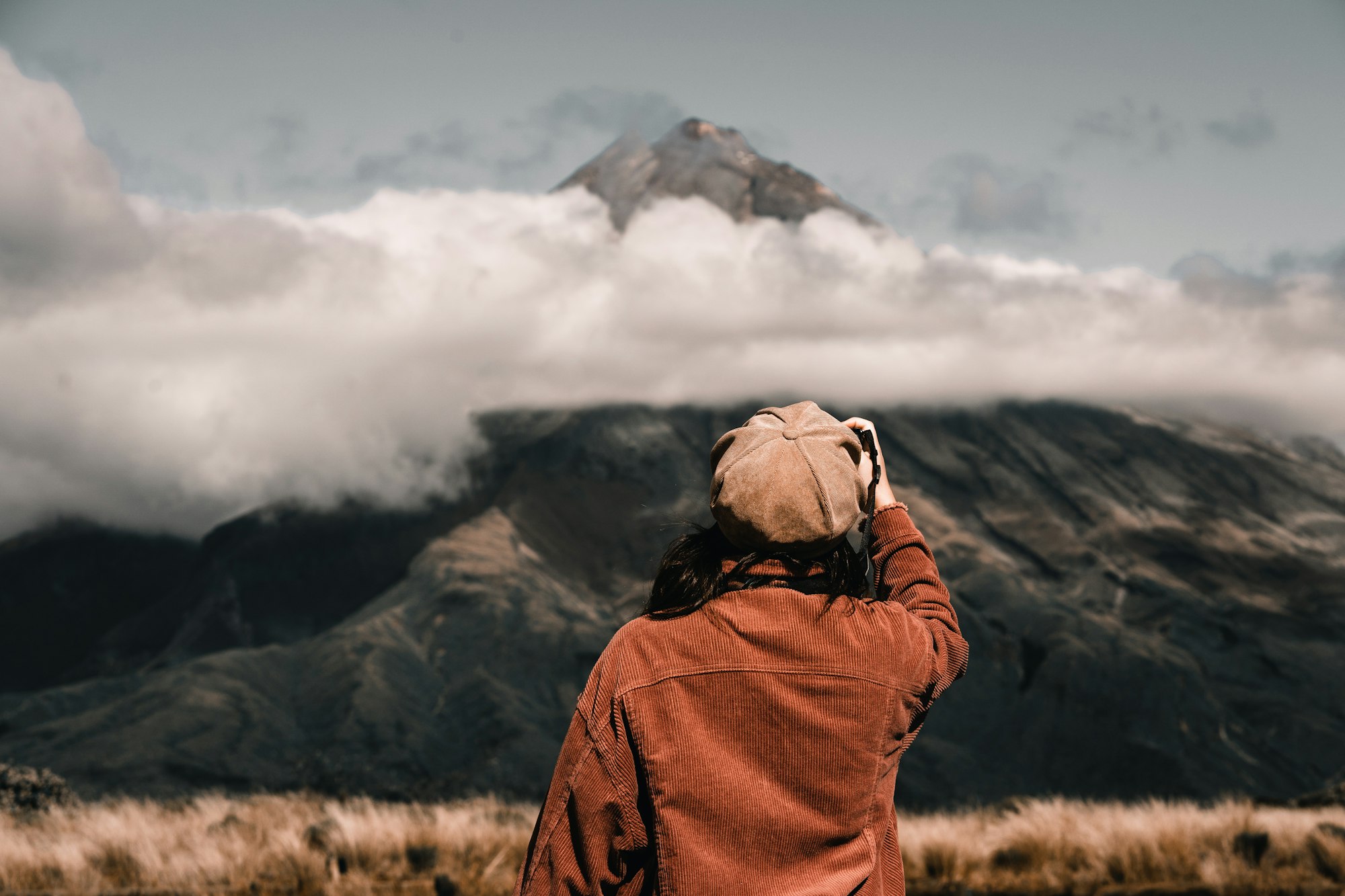
Winter also offers excellent visibility for photography and birdwatching. The cool climate and scenic mountain views make this season perfect for cultural exploration and outdoor adventures.
The monsoon season from May to September transforms the valley into a lush green paradise, but heavy rainfall causes the river to swell significantly. Landslides and strong currents may affect travel and adventure activities during this period.
Nearby Attractions of Subansiri River Valley
The Subansiri River Valley in Arunachal Pradesh is one of the most scenic regions in Northeast India, known for its pristine rivers, forested mountains, tribal culture, and adventure opportunities. The valley stretches through the Upper and Lower Subansiri districts, offering several fascinating places to explore.
1. Daporijo
Daporijo is the principal town along the Subansiri River and serves as a gateway to the valley. Surrounded by lush hills and the river’s crystal-clear waters, the town is famous for its traditional bamboo suspension bridges, local tribal culture, and picturesque landscapes. It is also a popular base for rafting and trekking expeditions.
2. Menga Cave Temple
Located near the confluence of the Subansiri and Menga rivers, this natural cave temple is one of the most important spiritual sites in the region. Visitors can explore the cave’s mysterious tunnels and admire its unique geological formations.
3. Kamala Reserve Forest
Nature lovers can visit this dense reserve forest known for its rich biodiversity, birdlife, and scenic landscapes. The forest offers opportunities for wildlife observation, photography, and peaceful nature walks.
4. Ligu Village
Just a few kilometers from Daporijo, Ligu provides an authentic rural tourism experience. Visitors can stay in local homestays, learn about the traditions of indigenous communities, and enjoy the tranquil countryside atmosphere.
5. Gegu Seria Lake
This beautiful high-altitude lake is reached through a challenging trek from Limeking. Surrounded by mountains and untouched wilderness, it is a paradise for trekkers and adventure enthusiasts.
6. Taksing
Situated near the Indo-Tibetan border, Taksing is known for its dramatic mountain scenery, remote Himalayan landscapes, and rich cultural heritage. It is one of the least-explored destinations in Arunachal Pradesh.
7. Nacho
A scenic hill settlement surrounded by rugged mountains and forests, Nacho is a great destination for trekking, hiking, and experiencing the untouched beauty of the Eastern Himalayas.
8. Talley Valley Wildlife Sanctuary
One of Arunachal Pradesh’s most important protected areas, Talley Valley is famous for its dense forests, rare orchids, alpine meadows, and wildlife including clouded leopards and several endemic bird species.
9. Ziro Valley
Located in the Lower Subansiri region, Ziro Valley is renowned for its terraced paddy fields, pine-covered hills, and the unique culture of the Apatani tribe. It is one of the most visited destinations in Arunachal Pradesh.
10. Subansiri River Rafting Zone
Adventure seekers can enjoy white-water rafting on the Subansiri River, which features exciting rapids, spectacular gorges, and pristine Himalayan scenery. The rafting stretches around Daporijo are considered among the best in Northeast India.
Why the Subansiri River is Special
What makes the Subansiri River truly unique is the combination of natural beauty, adventure, and living tribal culture. Unlike heavily commercialized tourist destinations, the Subansiri Valley still feels raw, peaceful, and deeply connected to nature. Here, travelers can experience roaring Himalayan rivers, ancient tribal traditions, dense forests, and quiet mountain landscapes all within the same journey.
For those seeking an offbeat destination in Northeast India, the Subansiri River offers an unforgettable blend of wilderness, culture, and exploration.
Google Maps
FAQs
Where does the Subansiri River originate?
The Subansiri River originates in the Tibetan Himalayas before entering Arunachal Pradesh and eventually joining the Brahmaputra River in Assam.
Why is the Subansiri called the “Gold River”?
The river earned the nickname “Gold River” because local accounts mention traces of gold dust once being found in its sands.
Is rafting available on the Subansiri River?
Yes, the river is famous for white-water rafting and kayaking, with rapids ranging from moderate to challenging levels.
Which tribes live near the Subansiri River?
The major tribes associated with the Subansiri basin include the Tagin, Apatani, and Hill Miri communities.
What is the best time to visit the Subansiri Valley?
October to April is considered the best time due to pleasant weather and safer conditions for travel and adventure activities.
Do travelers need a permit to visit the Subansiri region?
Yes, Indian travelers require an Inner Line Permit (ILP) to enter Arunachal Pradesh, while foreign nationals need a Protected Area Permit (PAP).
Which town is best for exploring the Subansiri River?
Daporijo is one of the best base towns for exploring the river, rafting routes, and nearby tribal villages.
Is the Subansiri Valley suitable for nature photography?
Absolutely. The valley offers dramatic river landscapes, forests, tribal villages, wildlife, and stunning Himalayan scenery, making it ideal for photography enthusiasts.