Image Source: Shreya Ramakrishnan
About Kameng River
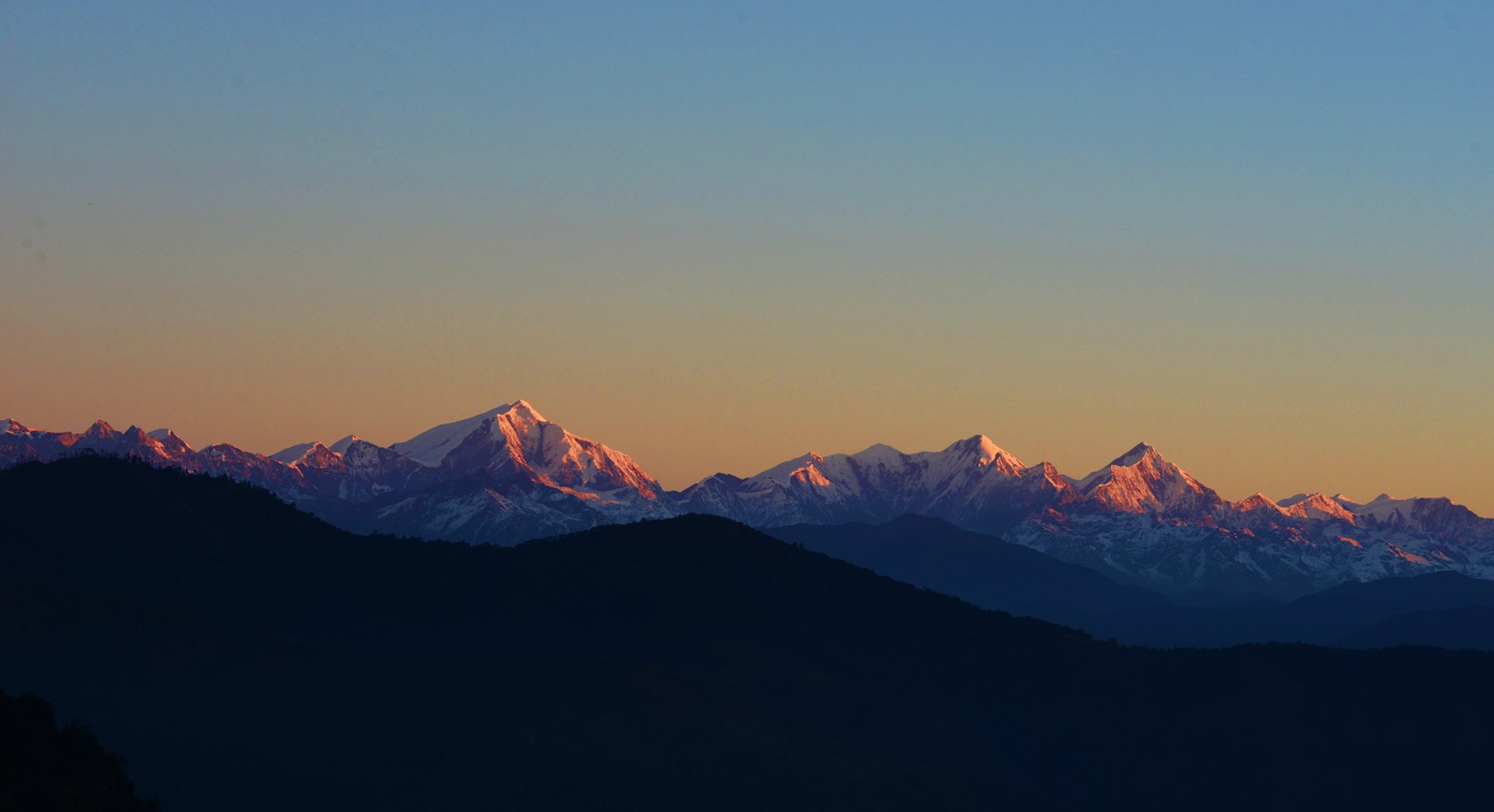
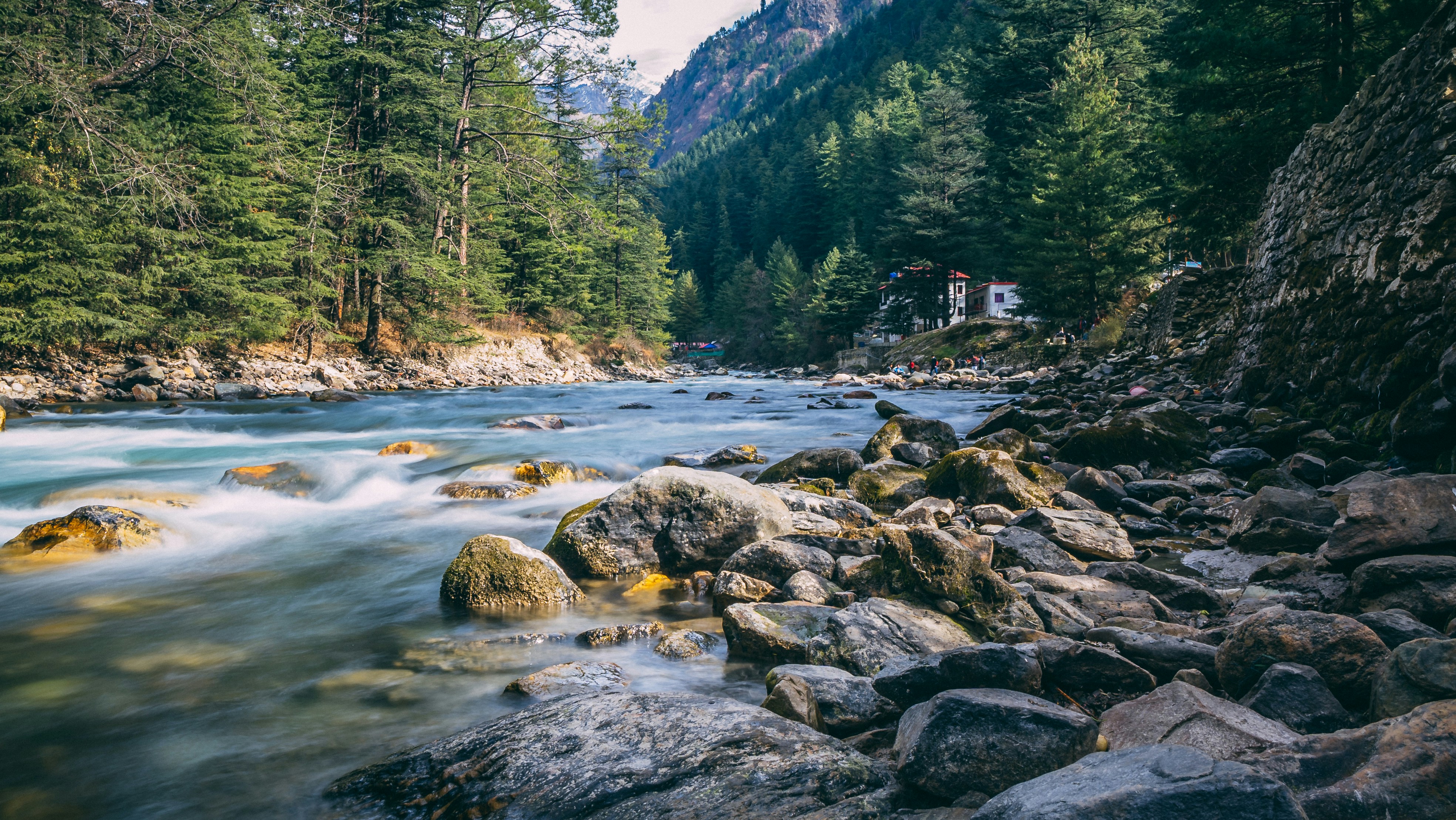
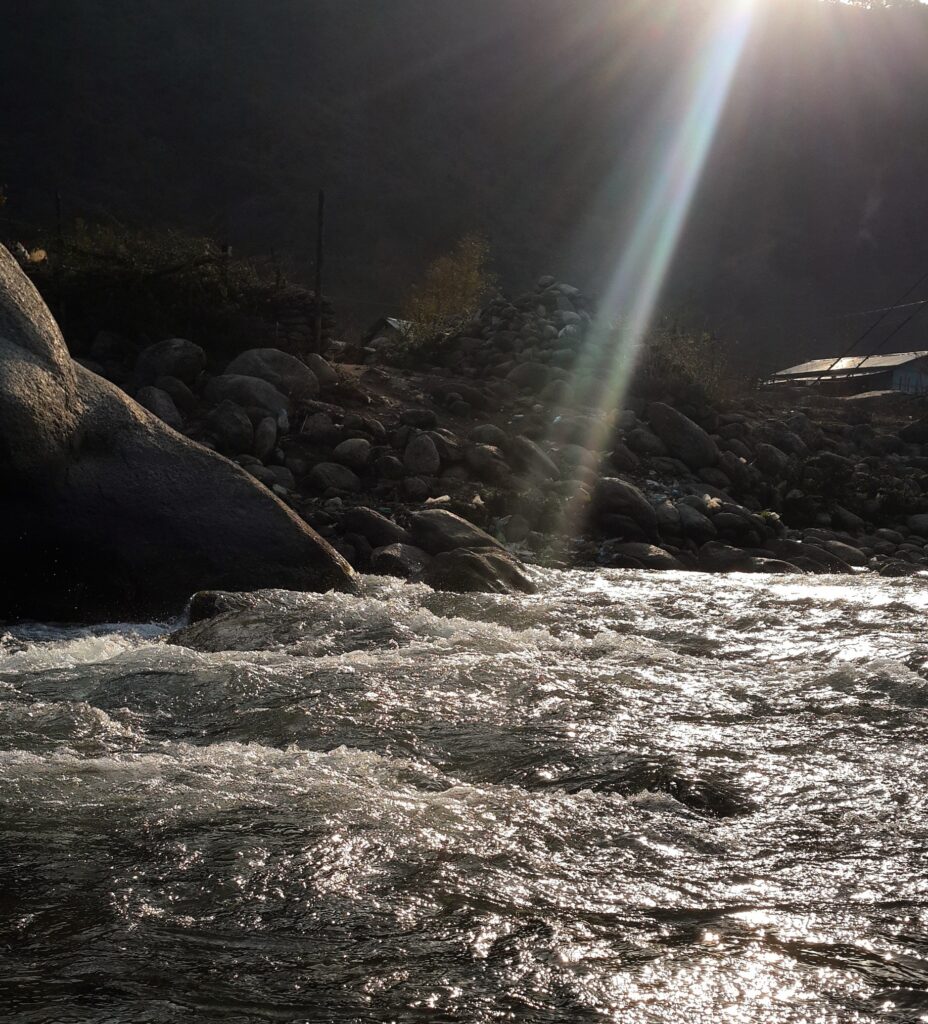
Flowing through the rugged mountains and dense forests of western Arunachal Pradesh, the Kameng River is one of Northeast India’s most spectacular Himalayan rivers. Known locally as the Kaming, this powerful river begins near the icy glaciers around the towering Gorichen Peak close to the Indo-China border. From there, it races through deep valleys, thick forests, and remote tribal regions before eventually joining the mighty Brahmaputra River in Assam.
The Kameng is far more than just a river. It is the lifeline of the region, supporting local communities, wildlife, agriculture, and traditional ways of life. Along its journey, the river creates dramatic gorges, fertile riverbanks, and breathtaking landscapes that attract adventure seekers, photographers, and nature lovers alike. Its fast-flowing waters, surrounded by untouched forests and mountains, make it one of the most scenic rivers in Arunachal Pradesh.
The river also passes close to several ecologically rich areas, including Pakke Tiger Reserve and Eaglenest Wildlife Sanctuary, both of which are famous for rare birds, orchids, butterflies, and Himalayan wildlife. Because of this, the Kameng Valley is considered one of the biodiversity hotspots of Northeast India.
Adventure Activities on the Kameng River
White-Water Rafting and Kayaking
The Kameng River is widely regarded as one of India’s top destinations for white-water rafting. Its powerful currents and challenging rapids create an unforgettable experience for thrill seekers. The rafting stretch between Seppa and Bhalukpong is especially popular, offering Grade III and Grade IV rapids that cut through thick forests and isolated mountain terrain.
Kayaking enthusiasts also visit the river to navigate its technical rapids and fast-moving channels. Unlike crowded rafting destinations, the Kameng still feels raw, wild, and relatively untouched, which adds to the excitement of the journey.
Camping Along the Riverbanks
One of the best ways to experience the beauty of the Kameng is by camping beside the river. Sandy riverbanks and forest clearings provide ideal camping spots where visitors can enjoy peaceful nights under the stars. Early mornings often reveal mist rising from the river, while sunsets paint the valley in shades of orange and gold.
The sounds of flowing water, chirping birds, and rustling forests create a deeply calming atmosphere. Many rafting expeditions include overnight riverside camps that allow travelers to fully immerse themselves in the wilderness of Arunachal Pradesh.
Fishing and Angling
The Kameng River is also known for its rich fish population, particularly the famous golden mahseer. Anglers from different parts of India visit the region hoping to catch this powerful freshwater fish. Fishing in the Kameng is not only about the sport but also about experiencing the peaceful surroundings and pristine natural environment.
Local communities have traditionally depended on the river for fishing, and many villages still practice sustainable fishing methods passed down through generations.
Wildlife, Birdwatching, and Nature Trails
The forests surrounding the Kameng River are a paradise for wildlife enthusiasts and birdwatchers. Areas near Pakke Tiger Reserve are home to elephants, clouded leopards, barking deer, and numerous species of butterflies and reptiles.
Birdwatchers can spot rare species such as hornbills, kingfishers, eagles, and migratory water birds along the riverbanks. The nearby Eaglenest Wildlife Sanctuary is internationally famous among birding enthusiasts for sightings of rare Himalayan birds.
Nature trails through bamboo forests, mountain slopes, and riverside villages offer travelers an opportunity to explore the untouched beauty of the region on foot.
Cultural and Spiritual Importance
For the indigenous Nyishi tribe and several other tribal communities living in the Kameng Valley, the river holds deep cultural and spiritual significance. Many locals consider the Kameng a sacred gift of nature that sustains both life and tradition.
Traditional bamboo and cane suspension bridges built across the river are remarkable examples of indigenous engineering and craftsmanship. These bridges connect remote villages and symbolize the river’s role in bringing communities together.
During local festivals and ceremonies, prayers and rituals are often performed to honor the river and seek blessings for prosperity, safety, and good harvests. Even today, the Kameng continues to shape the identity, folklore, and daily life of the people living along its banks.
Best Time to Visit Kameng River
October to April
This is considered the best season to visit the Kameng River. The weather remains pleasant, skies stay mostly clear, and river conditions are ideal for rafting, camping, fishing, and sightseeing. Winter also provides excellent opportunities for birdwatching and photography.
May to September
The monsoon season transforms the valley into a lush green paradise. However, heavy rainfall causes the river to swell rapidly, creating strong currents and increasing the risk of landslides. Adventure activities are often limited during this period, though the landscapes become incredibly vibrant and scenic.
Nearby Attractions Around Kameng River
Pakke Tiger Reserve
Located along the lower reaches of the Kameng River, Pakke Tiger Reserve is one of Northeast India’s most important wildlife sanctuaries. The reserve is home to Bengal tigers, elephants, clouded leopards, hornbills, and numerous bird species. Its dense forests and rich biodiversity make it a must-visit destination for nature lovers and wildlife enthusiasts.
Seijosa
The small town of Seijosa serves as a gateway to Pakke Tiger Reserve and is known for its scenic surroundings along the Kameng River. Visitors can enjoy birdwatching, nature walks, and interactions with local communities.
Bhalukpong
Nestled on the banks of the Kameng River, Bhalukpong is a popular tourist destination known for river rafting, angling, and picturesque landscapes. The town also marks the entry point into Arunachal Pradesh from Assam and offers beautiful views of the river valley.
Tipi Orchid Research Centre
Situated near Bhalukpong, Tipi Orchid Research Centre houses one of India’s largest collections of orchids. Visitors can explore hundreds of orchid species while learning about the region’s remarkable floral diversity.
Bomdila
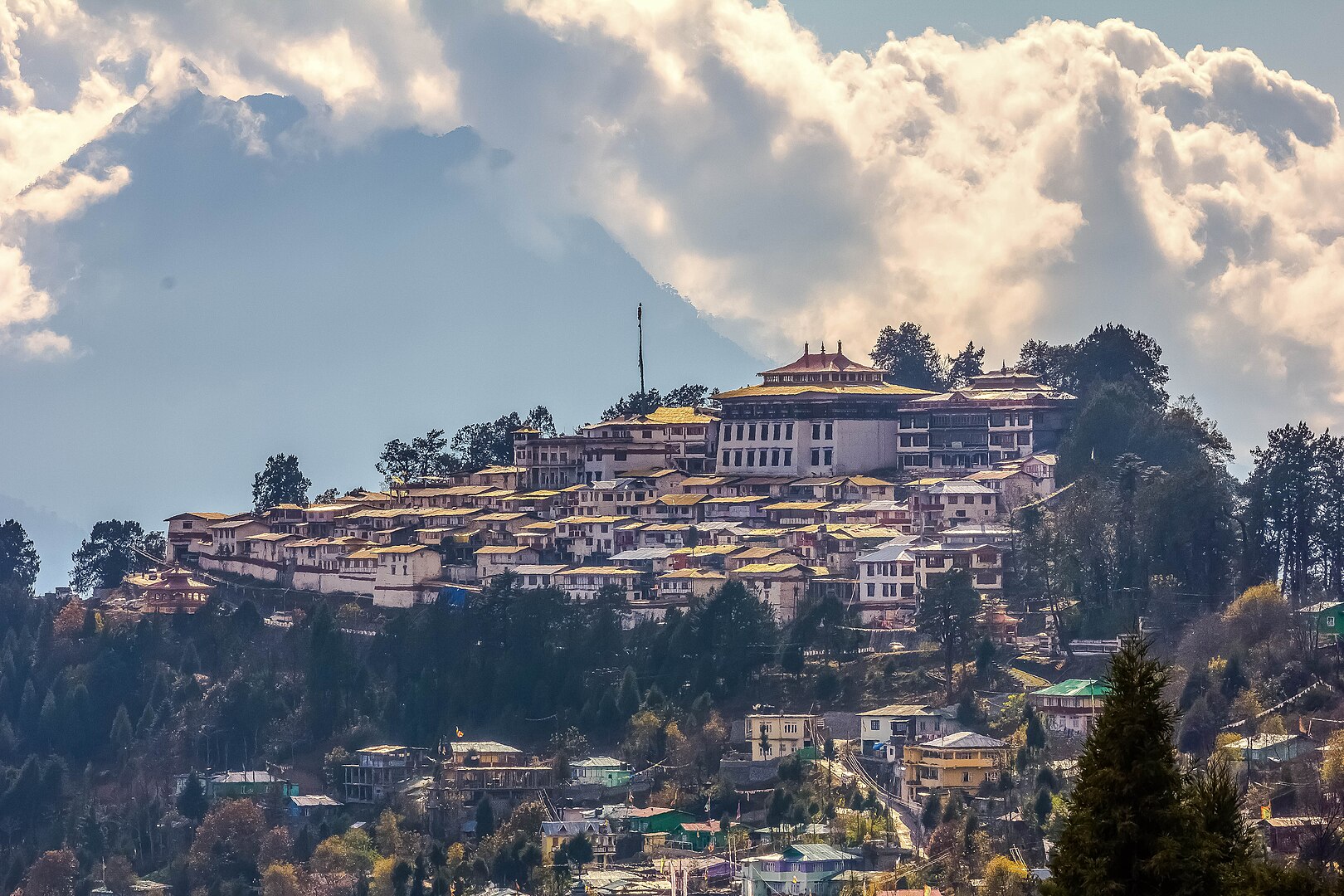
The hill town of Bomdila lies upstream along the Kameng basin and is famous for its monasteries, apple orchards, and panoramic Himalayan views. It is an excellent stop for travelers exploring western Arunachal Pradesh.
Dirang
Located in the scenic Kameng Valley, Dirang is known for its hot water springs, traditional Monpa villages, and beautiful riverfront landscapes. The town offers a perfect blend of cultural experiences and natural beauty.
Sela Pass
A few hours from the upper Kameng region, Sela Pass is one of the most spectacular mountain passes in India. Surrounded by snow-covered peaks and alpine lakes, it provides breathtaking views and is a highlight of any journey through the region.
How to Reach Kameng River
By Air
The nearest airport is Tezpur Airport in Assam, located around 40 kilometers from Bhalukpong. From the airport, taxis and shared vehicles are available for onward travel.
By Rail
The nearest railway connections are at Rangapara North Railway Station and Tezpur in Assam, both connected to major cities like Guwahati.
By Road
The Kameng region is accessible via the Trans-Arunachal Highway, which connects western Arunachal Pradesh with Assam and other parts of the state. Scenic mountain roads pass through forests, valleys, and tribal settlements, making the road journey itself a memorable experience.
Nearby Places to Explore
Travelers visiting the Kameng River often combine their trip with nearby destinations such as Bomdila, Dirang, and Tawang. These places are known for monasteries, mountain landscapes, apple orchards, and unique tribal culture.
Wildlife enthusiasts can also explore Pakke Tiger Reserve and Eaglenest Wildlife Sanctuary for trekking, jungle safaris, and birdwatching experiences.
Google Maps
FAQs
Why is the Kameng River famous?
The Kameng River is famous for its thrilling white-water rafting routes, rich biodiversity, scenic Himalayan landscapes, and cultural importance among tribal communities in Arunachal Pradesh.
Is rafting safe in the Kameng River?
Yes, rafting is generally safe during the dry season when conducted with trained guides and certified rafting operators. However, rafting during the monsoon season can be risky because of strong currents and rising water levels.
Which is the best place for rafting on the Kameng River?
The stretch between Seppa and Bhalukpong is considered one of the best sections for rafting due to its exciting rapids and beautiful forest scenery.
What wildlife can be seen near the Kameng River?
Visitors may spot hornbills, kingfishers, elephants, deer, butterflies, and several rare Himalayan bird species in the forests surrounding the river.
Do travelers need permits to visit the Kameng region?
Yes, Indian tourists usually require an Inner Line Permit (ILP) to enter Arunachal Pradesh, while foreign tourists need a Protected Area Permit (PAP).
What is the best season to visit the Kameng River?
The ideal time to visit is from October to April when the weather is pleasant and adventure activities are fully operational.