Image Source: Ashish Ahirwar
Introduction
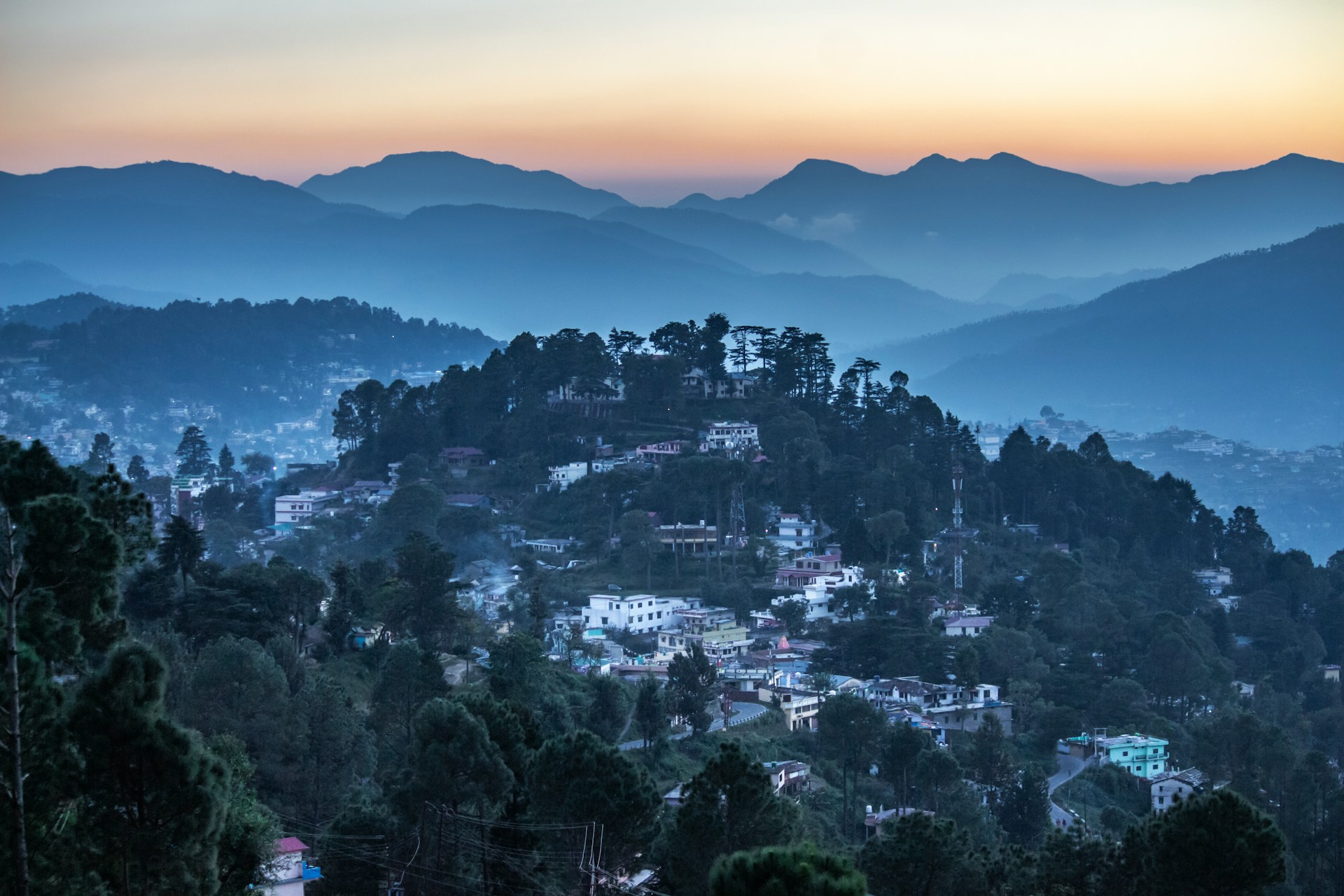
Nestled amidst scenic landscapes on the outskirts of Chanderi, Ramnagar Palace is one of the region’s lesser-known yet fascinating historical attractions. Located about 5 km from the heart of Chanderi in Madhya Pradesh, this heritage site combines history, architecture, natural beauty, and archaeology in one peaceful setting. Surrounded by greenery and overlooking the tranquil Mehjatiya Lake, Ramnagar offers visitors a glimpse into the royal past of Bundelkhand while providing a quiet escape from the crowds.
Whether you are a history enthusiast, architecture lover, photographer, or simply someone looking to explore the hidden treasures of Chanderi, Ramnagar Palace is worth adding to your itinerary.
History and Architecture
Ramnagar was originally developed as a royal hunting retreat and later evolved into an important heritage site. The palace can be reached through a scenic route that passes through the famous Kati Ghati Gateway, one of Chanderi’s iconic landmarks.
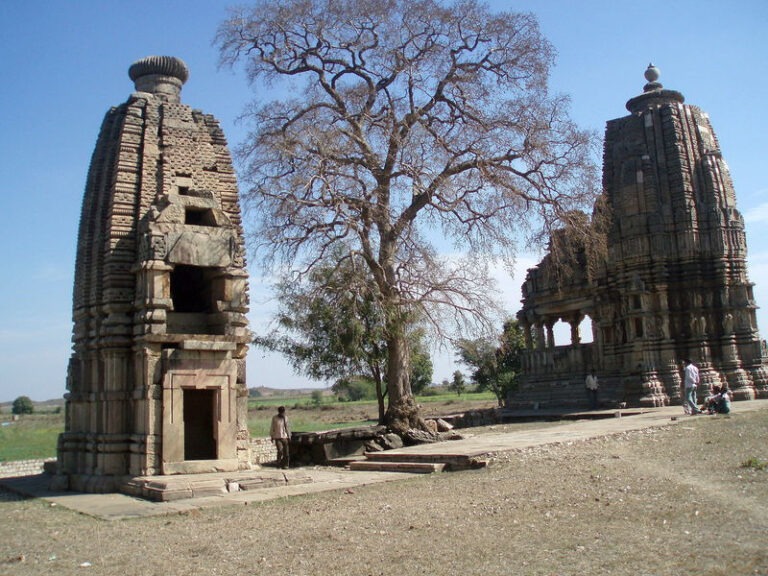
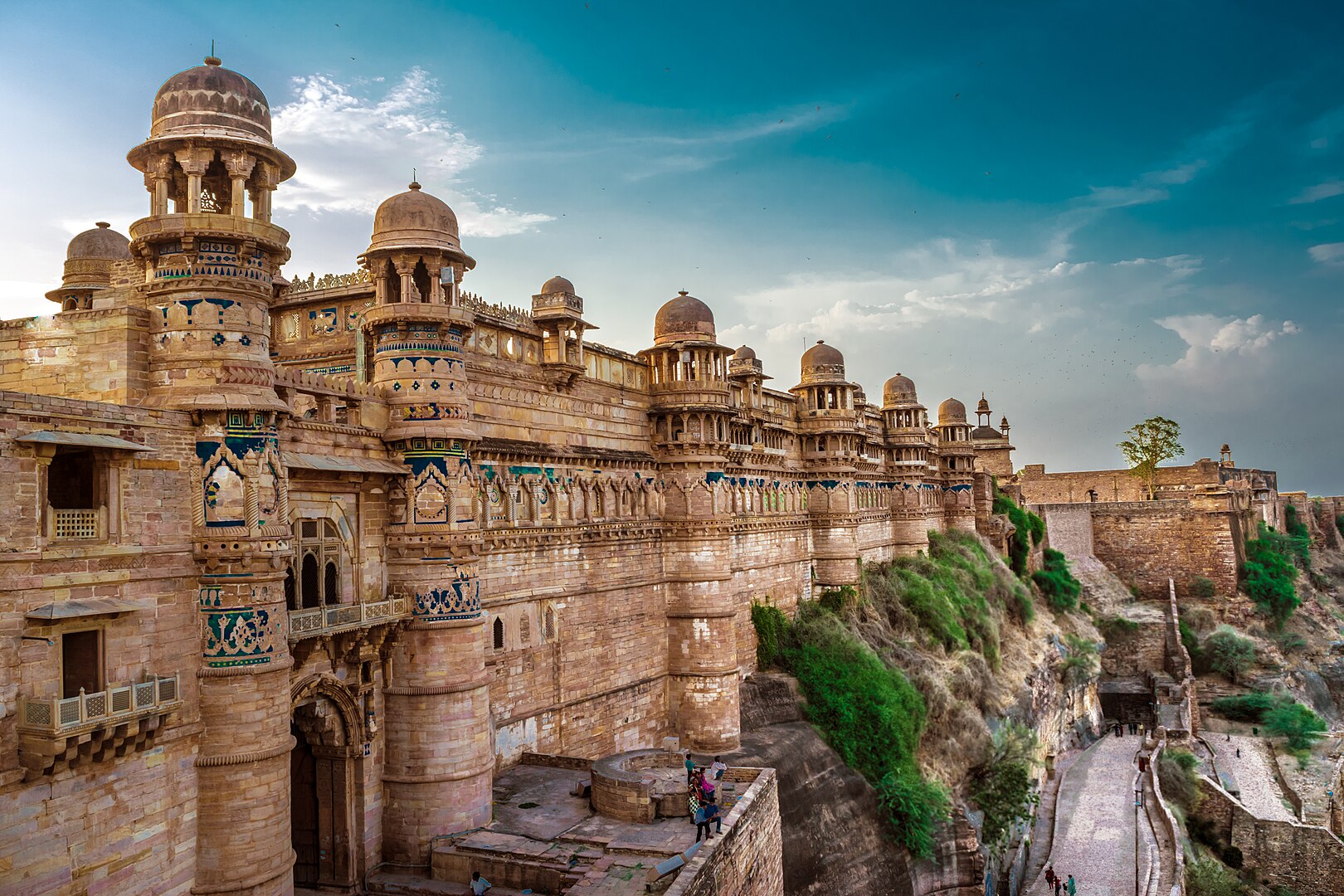
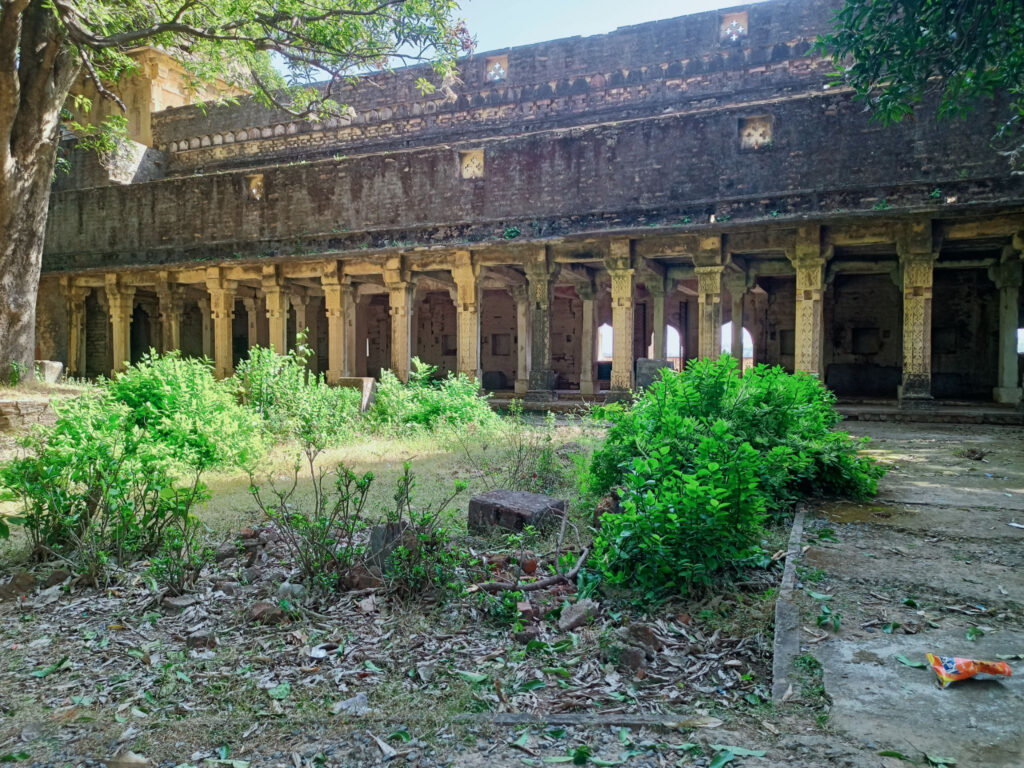
The grand entrance gate of Ramnagar Palace was constructed by Maharaja Durjan Singh Bundela in 1698 AD. Historical accounts suggest that the strategic location of this route was significant during military campaigns in the region. The palace itself was built using large stone blocks, many of which vary in size, shape, and decorative style. Even in its partially ruined condition, the structure reflects the craftsmanship and architectural traditions of the Bundela rulers.
Today, visitors can explore the remnants of the palace complex and admire its weathered walls, gateways, and historical ambiance that transport them back several centuries.
Ramnagar Museum
One of the major attractions within the complex is the archaeological museum maintained by the Madhya Pradesh Department of Archaeology. The museum preserves numerous artifacts collected from villages that were submerged following the construction of the Rajghat Dam, also known as Lakshmibai Sagar.
The collection includes:
- Fragments of ancient Hindu temples.
- Sculptures of various deities.
- Intricately carved architectural remains.
- Rare Sati stones dating from the 9th to 12th centuries and the 16th to 18th centuries.
These exhibits provide valuable insights into the religious, cultural, and artistic heritage of the Chanderi region.
Mehjatiya Lake
Adding to the charm of Ramnagar is the beautiful Mehjatiya Lake located beside the palace. Originally known as Bahjat Khan Talab, the lake was named after Governor Bahjat Khan and later came to be known as Mehjatiya Lake.
The serene water body, coupled with the surrounding greenery, creates a picturesque setting that attracts nature lovers and photographers. During the monsoon and winter months, the area becomes especially beautiful, making it an ideal spot for relaxation and sightseeing.
Local Experience
Unlike many crowded tourist destinations, Ramnagar offers a peaceful atmosphere where visitors can spend time exploring historical ruins, learning about local heritage, and enjoying scenic views. The site is particularly appealing for travelers interested in offbeat destinations around Chanderi. Early mornings and evenings provide the best lighting for photography and pleasant weather for exploration.
How to Reach Ramnagar Palace
By Road
Ramnagar Palace is situated approximately 5 km from Chanderi Bus Stand and is easily accessible by auto-rickshaw, taxi, or private vehicle. The route passes through the historic Kati Ghati Gateway, making the journey itself an enjoyable experience.
By Rail
The nearest railway stations are Lalitpur (Uttar Pradesh) and Mungaoli (Madhya Pradesh). From either station, visitors can hire a taxi or take local transport to reach Chanderi and then continue to Ramnagar Palace.
By Air
The nearest major airport is Raja Bhoj Airport in Bhopal, located around 230 km away. From Bhopal, travelers can reach Chanderi by road and then proceed to Ramnagar Palace.
Nearby Attractions
Kati Ghati Gateway
A remarkable rock-cut gateway carved into a hill, Kati Ghati is one of Chanderi’s most recognizable landmarks and serves as the entrance route to Ramnagar.
Chanderi Fort
Overlooking the town, this historic fort offers panoramic views and showcases centuries of regional history.
Badal Mahal Gate
An impressive architectural structure known for its elegant design and historical significance.
Jama Masjid
One of the oldest and largest mosques in Chanderi, featuring beautiful Afghan-style architecture.
Battisi Baoli
A historic stepwell known for its unique design and importance in Chanderi’s water management system.
Koshak Mahal
A grand unfinished palace commissioned during the Sultanate period, famous for its distinctive architecture.
Maps
FAQs
What is Ramnagar Palace famous for?
Ramnagar Palace is known for its historical ruins, archaeological museum, Bundela-era architecture, and the scenic Mehjatiya Lake.
How far is Ramnagar Palace from Chanderi?
The palace is located approximately 5 km from Chanderi town and can be reached within 10–15 minutes by road.
Is there an entry fee for Ramnagar Palace?
Entry regulations may change over time. Visitors are advised to check with local tourism authorities before planning their visit.
What can be seen in the Ramnagar Museum?
The museum houses temple fragments, ancient sculptures, idols, and Sati stones collected from submerged villages of the Rajghat Dam region.
Which is the best time to visit Ramnagar?
The ideal time to visit is between October and March when the weather is pleasant. Monsoon season also offers beautiful views of the surrounding greenery and lake.
Can photography be done at Ramnagar Palace?
Yes, photography is generally popular among visitors due to the historic architecture, ruins, and scenic surroundings.
How much time is required to explore Ramnagar?
Most visitors spend 1–2 hours exploring the palace ruins, museum, and nearby lake area.