Image Source: Ram Niwas Bardwa
About Sheetla Mata Mandir, Gurugram
The sacred Sheetla Mata Mandir is one of the oldest and most respected temples dedicated to Goddess Sheetla in North India. Located in the heart of Gurugram, the temple is a major center of devotion and faith, attracting millions of devotees from Haryana, Delhi, Rajasthan, Uttar Pradesh, and other parts of the country every year. Revered as a powerful form of the Divine Mother, Maa Sheetla is worshipped as the protector against diseases, suffering, and negative energies. For generations, people have visited this temple seeking blessings for good health, family well-being, peace of mind, and prosperity.
The atmosphere around the temple is deeply spiritual. From the sound of temple bells and devotional chants to the sight of devotees carrying offerings and prayers in their hearts, the entire complex radiates faith and devotion. Despite being located in a rapidly modernizing city, the temple continues to preserve its ancient traditions and cultural significance.
Mythological and Historical Importance
The history of Sheetla Mata Mandir is closely linked with ancient Indian mythology and regional folklore. According to popular belief, the area where the temple now stands was once associated with the legendary guru Guru Dronacharya from the Mahabharata. It is believed that this region formed part of his ancient gurukul, where the Pandavas and Kauravas received training in warfare and martial arts. This connection gives the temple an aura of sacred antiquity and spiritual depth.
In Hindu scriptures, especially the Skanda Purana, Goddess Sheetla is described as a divine healer entrusted with the responsibility of protecting humanity from diseases and epidemics. Traditionally, she has been worshipped as the goddess who guards people from illnesses such as smallpox and seasonal infections. In rural and urban communities alike, devotees continue to seek her blessings for physical and emotional healing.
The temple itself is believed to be around 250–300 years old in its present form, although the worship of the goddess in this region is considered much older. According to local legend, the original idol was once located in Keshopur near Delhi. A devotee named Singha Jat is said to have received divine instructions in a dream from the goddess, directing him to establish her shrine in Gurugram. Following this vision, the idol was relocated, and the temple gradually evolved into one of the most important pilgrimage sites in the Delhi–NCR region.
Spiritual Significance of Maa Sheetla
For devotees, Maa Sheetla is much more than a deity—she is considered a compassionate mother who listens to prayers and protects her devotees from harm. The temple is especially famous for beliefs related to healing and protection. Many people visit the shrine seeking relief from illness, mental stress, family problems, and negative influences.
The goddess is also worshipped as a Kuldevi, or ancestral deity, by several communities including Jats, Brahmins, Gurjars, Kshatriyas, and Vaishya families. Because of this deep-rooted cultural connection, many families continue the tradition of visiting the temple across generations.
Parents often bring their children to seek blessings for health and long life, while newly married couples visit for harmony and prosperity. Women frequently pray here for fertility, family happiness, and the well-being of their children. The faith associated with the temple is so strong that many devotees lovingly describe it as a “spiritual healing place,” where devotion and prayer provide emotional comfort and hope.
Sacred Rituals and Temple Traditions
One of the most unique traditions of the temple is associated with the sacred banyan tree near the entrance. Devotees tie red threads, mouli, or chunni on its branches while making wishes or prayers. This ritual symbolizes surrendering one’s worries and desires to the divine mother, with the belief that sincere prayers are eventually fulfilled.
Offerings made at the temple commonly include red dupattas, coconuts, sweets, and murmura (puffed rice), which are considered especially dear to Maa Sheetla. Devotees also light diyas and participate in special prayers seeking blessings for protection and good health.
The temple is particularly popular for conducting mundan ceremonies, the traditional first haircut ritual for children. Many families also choose the temple premises for important religious ceremonies and family rituals because of its sacred reputation.
Festivals Celebrated at the Temple
The grandest celebration at Sheetla Mata Mandir is Sheetla Ashtami, also known as Basoda. This festival is celebrated a few days after Holi during the Hindu month of Chaitra. The occasion is dedicated to Goddess Sheetla and symbolizes protection from seasonal diseases during changing weather conditions.
During Sheetla Ashtami, the temple witnesses massive crowds of devotees who arrive from different states to seek blessings. Long queues, devotional singing, special rituals, and continuous prayers create a vibrant spiritual atmosphere throughout the day and night. Traditional food prepared a day earlier is also offered to the goddess as part of the Basoda tradition.
Another major festival celebrated with great devotion is Navratri. During Navratri, the temple is beautifully decorated with flowers and lights, and special bhajans, aartis, and religious programs are organized daily. The energy during these festivals transforms the temple into a powerful center of devotion and celebration.
Architecture and Temple Atmosphere
Unlike many grand temples known for elaborate carvings and monumental architecture, Sheetla Mata Mandir is admired more for its spiritual aura than architectural extravagance. The temple complex has a peaceful and welcoming atmosphere that instantly makes devotees feel connected to the divine.
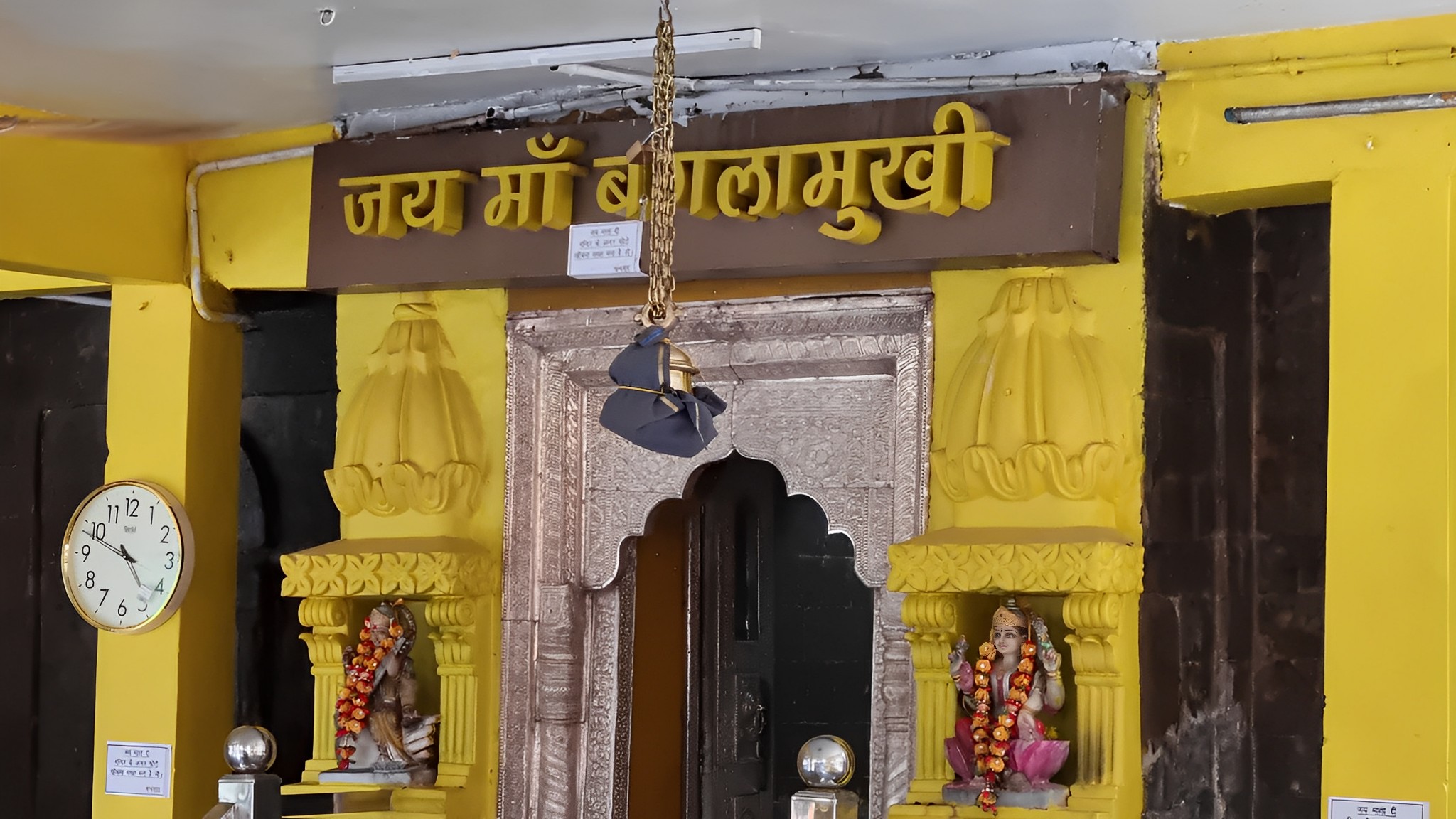
The sanctum houses the sacred idol of Maa Sheetla, beautifully adorned with flowers, clothes, and offerings brought by devotees. Around the main shrine, there are smaller temples dedicated to other Hindu deities, creating a complete spiritual environment for worshippers.
Open spaces, shaded resting areas, and continuous devotional chants add to the calm and meditative experience. Even during crowded festival days, many devotees describe feeling a strong sense of peace and faith within the temple premises.
Location and How to Reach
Sheetla Mata Mandir is located in Gurugram, Haryana, and is easily accessible from Delhi and nearby NCR cities.
Nearest Metro Stations
- Delhi Metro Yellow Line
- MG Road Metro Station – around 6 km away
- IFFCO Chowk Metro Station – around 7 km away
From the metro stations, visitors can hire auto-rickshaws, taxis, or local transport to reach the temple conveniently.
By Road
The temple is well connected through major roads and highways. Regular buses, cabs, and private vehicles make travel easy from Delhi, Faridabad, Noida, and other neighboring cities.
Best Time to Visit
While the temple remains open throughout the year, visiting during early mornings or weekdays offers a calmer experience. Those wishing to witness the temple’s grand spiritual celebrations often visit during Sheetla Ashtami or Navratri.
Role in Community and Cultural Life
Sheetla Mata Mandir is not just a religious site—it is an important cultural and social center for the local community. For centuries, families have passed down the tradition of visiting the temple from one generation to another. Important life events such as childbirth celebrations, mundan ceremonies, marriages, and thanksgiving rituals are often associated with the temple.
The temple also represents the enduring power of collective faith. Devotees from different social backgrounds come together here with shared devotion and spiritual belief. In many ways, the temple serves as a bridge between ancient traditions and modern life, preserving cultural values while continuing to inspire millions.
Google Maps
FAQs
1. Why is Sheetla Mata Mandir famous?
The temple is famous for its association with Goddess Sheetla, who is worshipped as the protector against diseases and negative energies. It is also known for its healing beliefs and historical significance.
2. Where is Sheetla Mata Mandir located?
The temple is located in Gurugram, Haryana, and is easily accessible from Delhi and other NCR cities.
3. Which is the nearest metro station to the temple?
MG Road Metro Station and IFFCO Chowk Metro Station on the Yellow Line are the nearest metro stations.
4. What offerings are made to Maa Sheetla?
Devotees commonly offer red dupattas, coconuts, murmura (puffed rice), sweets, and chunni at the temple.
5. What is the significance of the banyan tree in the temple?
Devotees tie sacred threads or chunni on the banyan tree while making wishes and prayers, believing that Maa Sheetla fulfills sincere desires.
6. Which festival is most important at the temple?
Sheetla Ashtami (Basoda) is the most important festival celebrated at the temple, attracting massive numbers of devotees every year.
7. Is photography allowed inside the temple?
Photography rules may vary depending on temple management and crowd conditions. Visitors are advised to follow the instructions displayed at the premises.
8. Can mundan ceremonies be performed at the temple?
Yes, the temple is widely known for conducting mundan ceremonies and other family rituals.
9. What is the best time to visit the temple?
Early mornings and weekdays are ideal for peaceful darshan, while festival periods offer a more vibrant spiritual atmosphere.
10. Is the temple suitable for family visits?
Yes, the temple is highly family-friendly and visited by people of all age groups seeking blessings and spiritual peace.