Image Source: Amit Shah
About Bhimbetka Kuldevi Temple
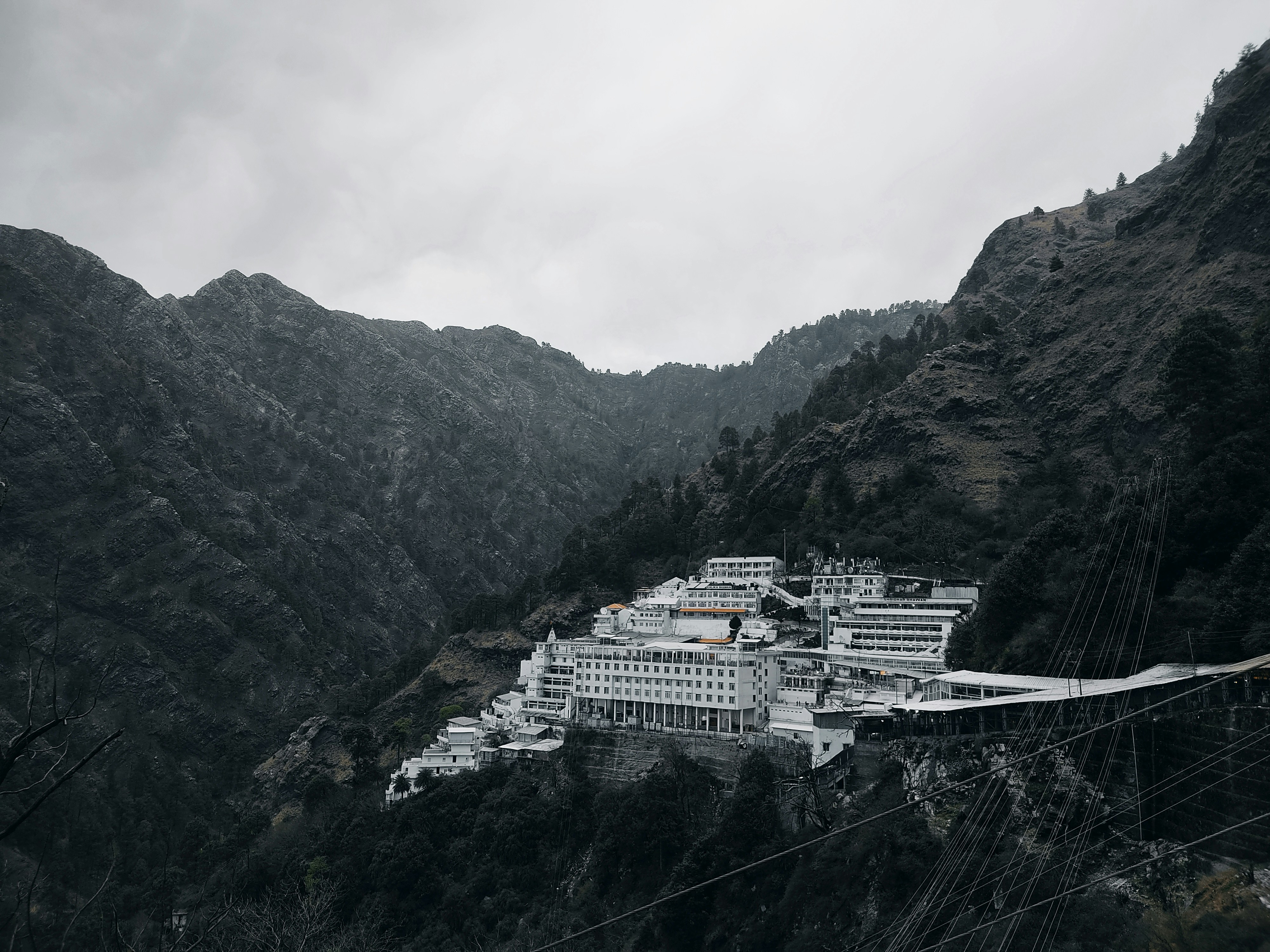
Dedicated to Goddess Vaishno Devi, Bhimbetka Kuldevi is a revered temple located near the famous Bhimbetka rock shelter (UNESCO heritage site) in Madhya Pradesh. Set amidst ancient caves and rock formations, it attracts both pilgrims and history enthusiasts alike. The Goddess Vaishno Devi is believed to be the Kuldevi (family deity) of the Pandavas.
Mythology
It is believed, according to the locals, that the Pandavas established the temple to seek the blessing of their kuldevi while having a difficult time in exile. The strongest of the Pandava brothers, Bheem is believed to have meditated here. A large rock formation near the temple, known as ‘Bheem ki Baithak’ or ‘Seat of Bheem,’ is the place where Bheem had meditated.
Fairs and Festivals
The first lighting of the Holi bonfire and Ram Navami are the major notable traditions that are celebrated at the temple. During this time, devotees gather to offer prayers and seek the blessing of the deity.
Other key attractions
Bhimbetka Rock Shelters
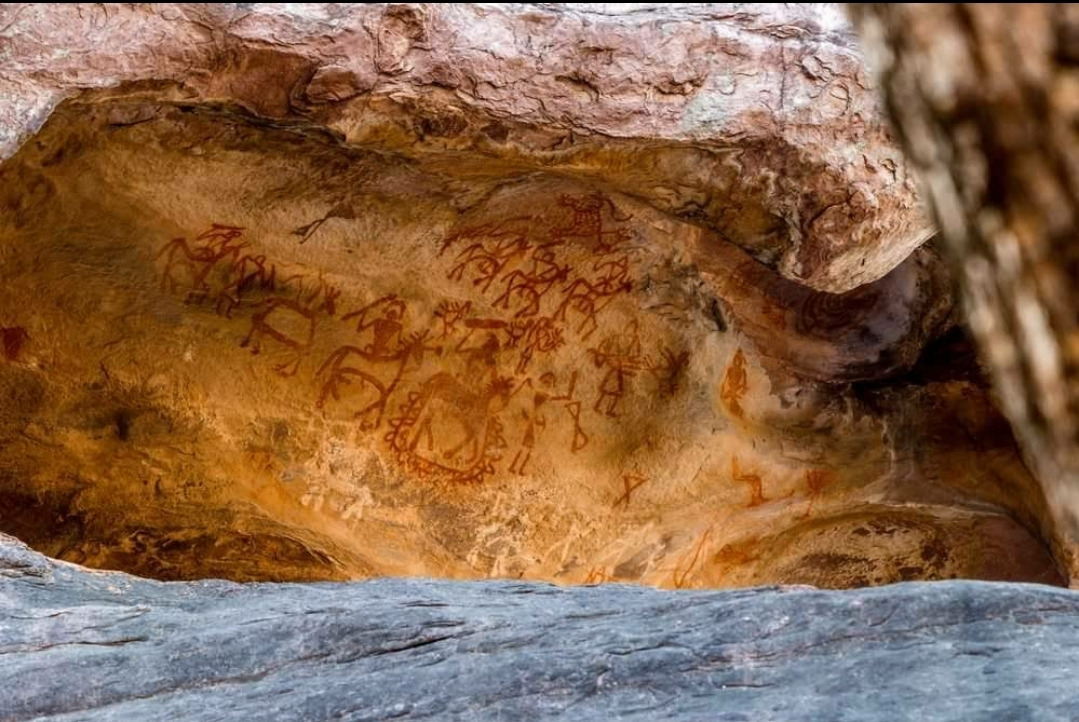
A UNESCO World Heritage site, the Bhimbetka rock shelters are situated near the temple. These prehistoric caves are famous for Mesolithic cave paintings that depict early human life and cultural practices. It is hardly a 1 km distance from the temple.
Location
Bhimbetka Kuldevi Temple is situated around 3 kilometres from the Bhimbetka Bus Stop and approximately 45 km from Bhopal, the state capital of Madhya Pradesh.
Timings
The temple is open daily from 6:00 AM to 8:00 PM, with special poojas conducted during major festivals.
Entry Fee
There is no entry fee for visiting the temple, but visitors may need to pay a nominal fee for entering the Bhimbetka Rock Shelters.
How to Reach
By Air
The nearest airport is Raja Bhoj Airport, Bhopal, located about 50 km away from the temple. Regular taxis and buses are available from the airport to Bhimbetka.
By Train
The closest railway station is Obedullaganj Railway Station, around 9 km from the temple. Major trains connecting Bhopal and surrounding regions halt here.
By Road
Bhimbetka is well-connected by road, with frequent buses and private taxis available from Bhopal and Hoshangabad. The route offers scenic views of lush green forests and hilly terrain.
Nearby Attractions
Bhimbetka Rock Shelters
A UNESCO World Heritage Site famous for its prehistoric cave paintings and rock shelters dating back thousands of years. It is one of India’s most important archaeological sites and attracts history enthusiasts from around the world.
Auditorium Cave
One of the largest and most impressive caves in the Bhimbetka complex, known for its cathedral-like appearance and fascinating prehistoric significance.
Bheem Ki Baithak
Located near the temple, this large rock formation is believed in local folklore to be the seat of Bhima from the Mahabharata. It offers beautiful views of the surrounding valley.
Ratapani Wildlife Sanctuary
Surrounding the Bhimbetka region, this wildlife sanctuary is home to diverse flora and fauna, making it a great destination for nature lovers and wildlife enthusiasts.
Bhojpur Temple
Located about 35 km from Bhimbetka, this historic Shiva temple is famous for its massive monolithic Shiva Lingam and remarkable architecture.
Best Time to Visit
The best time to visit Bhimbetka Kuldevi Temple is during the winter months (October to February), when the weather is pleasant for exploring both the temple and the nearby rock shelters.
Timings, Entry Fees, and
The Bhimbetka Kuldevi Temple welcomes visitors between 7 a.m. and 6 p.m., allowing ample time to explore its spiritual aura and natural surroundings. The entry fee for Indian nationals is Rs. 25, while foreigners are charged Rs. 500. For those arriving on two-wheelers, the fee is Rs. 100, and for cars, it is Rs. 300. The temple is easily accessible and makes for a rewarding experience for pilgrims and tourists alike.
Location of Bhimbetka Kuldevi Temple
FAQs
1. Who is the presiding deity of Bhimbetka Kuldevi Temple?
The temple is dedicated to Goddess Vaishno Devi, who is believed to be the Kuldevi (family deity) of the Pandavas according to local traditions.
2. Why is the temple historically significant?
Local legends state that the Pandavas established the shrine during their exile and worshipped their Kuldevi here. The temple is housed within a natural cave amid ancient rock formations.
3. What are the temple timings?
The temple is generally open from 7:00 AM to 6:00 PM. Visitors should verify timings locally during festivals and special occasions.
4. Is there an entry fee for the temple?
There is usually no separate entry fee for the temple, though visitors entering the Bhimbetka archaeological site may need to purchase tickets for the protected monument area.
5. What is the best time to visit?
The ideal time to visit is between October and March, when the weather is pleasant for sightseeing and exploring the nearby rock shelters.
6. Are there any major festivals celebrated here?
Yes. The temple is particularly known for its Ram Navami fair and unique Holi traditions, when the first ceremonial bonfire is lit here before celebrations begin in nearby villages.
7. How much time is needed for a visit?
Most visitors spend about 30 minutes to 1 hour at the temple. If combined with a visit to the Bhimbetka Rock Shelters, plan for at least half a day.
8. Is the temple suitable for elderly visitors?
The temple requires a short walk and involves some uneven rocky terrain. Elderly visitors should wear comfortable footwear and proceed carefully.
9. Can the temple be visited along with Bhimbetka Rock Shelters?
Yes. Most tourists visit both attractions on the same trip since they are located very close to each other.
10. What makes Bhimbetka Kuldevi Temple unique?
Its combination of mythology, cave-temple architecture, connection with the Pandavas, and proximity to one of India’s most important prehistoric heritage sites makes it a unique spiritual and historical destination.