Dharamshala
About Dharamshala
Nestled in the shadow of the majestic Dhauladhar Range, Dharamshala is one of the most captivating hill destinations in northern India. Located in the Kangra district of Himachal Pradesh, this picturesque mountain town combines breathtaking Himalayan scenery with Tibetan culture, Buddhist spirituality, colonial history, and adventure tourism. Unlike many hill stations that are known solely for their natural beauty, Dharamshala offers a unique blend of mountains, monasteries, bustling markets, and cultural experiences that make it one of India’s most distinctive travel destinations.
At an elevation ranging from approximately 1,250 to 2,000 meters, Dharamshala is divided into two main sections—Lower Dharamshala and Upper Dharamshala, commonly known as McLeod Ganj. While Lower Dharamshala serves as the administrative and commercial center, McLeod Ganj is famous worldwide as the residence of the Tibetan spiritual leader, His Holiness the Dalai Lama, and the headquarters of the Tibetan government-in-exile.
Whether you are a backpacker seeking mountain adventures, a spiritual traveler exploring Buddhist culture, a photographer chasing Himalayan landscapes, or a family looking for a peaceful getaway, Dharamshala has something for everyone.
The History of Dharamshala
The history of Dharamshala stretches back centuries, though it gained prominence during British rule. The region was originally inhabited by the Gaddi community, a semi-nomadic pastoral tribe known for their deep connection with the mountains and traditional shepherding lifestyle.
Following the British annexation of the Kangra Valley in the nineteenth century, Dharamshala developed as a military cantonment and hill retreat. Several churches, government buildings, and colonial residences were constructed during this period, many of which still stand today.
The most significant chapter in Dharamshala’s modern history began in 1959 when the Dalai Lama fled Tibet following the Tibetan uprising and was granted asylum in India. Dharamshala subsequently became the center of the Tibetan exile community. Today, Tibetan monasteries, cultural institutions, schools, museums, and markets have transformed the town into a vibrant center of Tibetan heritage outside Tibet itself.
Geography and Natural Beauty
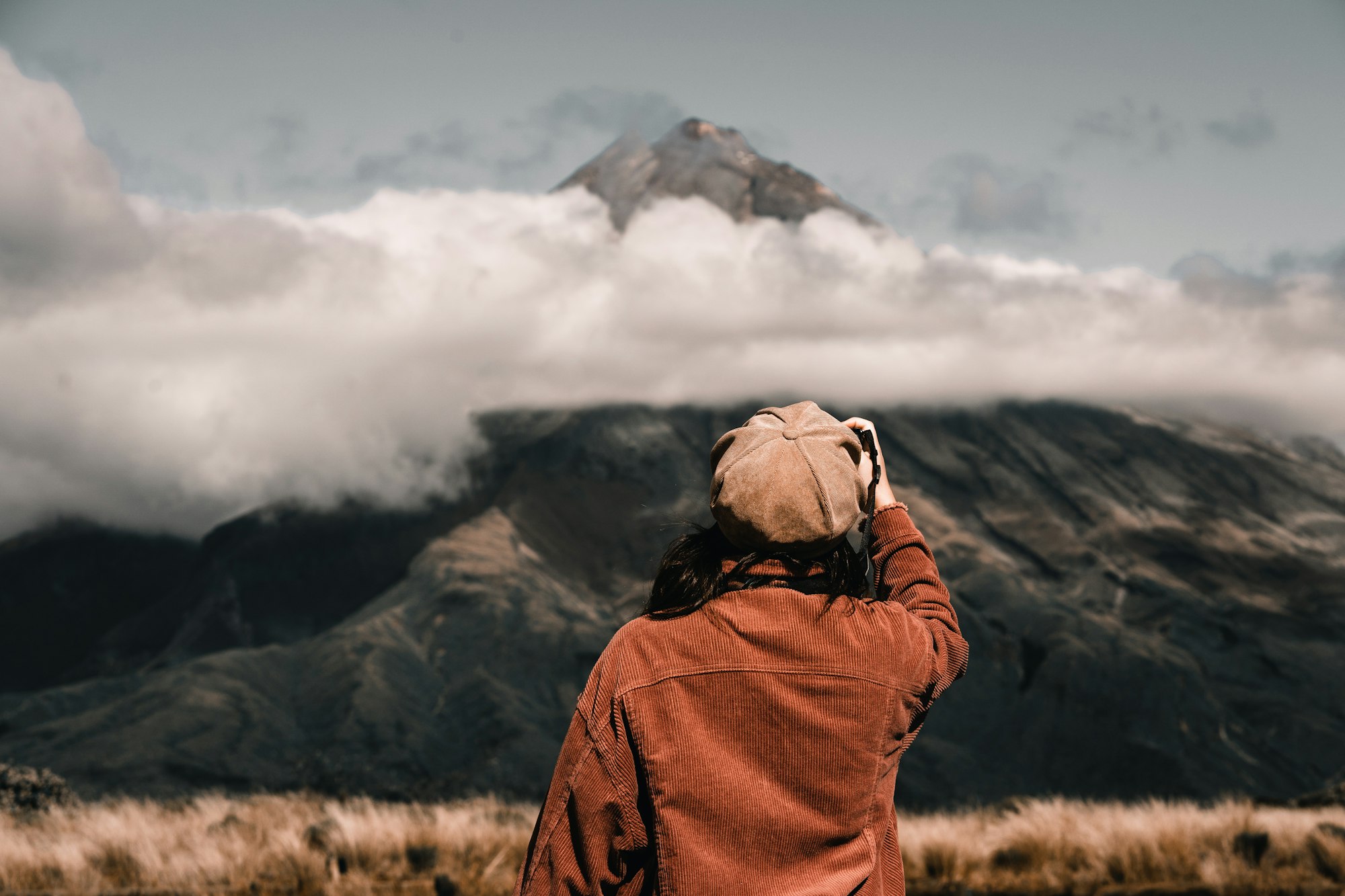
Dharamshala sits amidst the spectacular Kangra Valley, with the snow-clad Dhauladhar Mountains rising dramatically behind the town. This stunning contrast between lush green valleys and rugged mountain peaks creates some of the most breathtaking scenery in Himachal Pradesh.
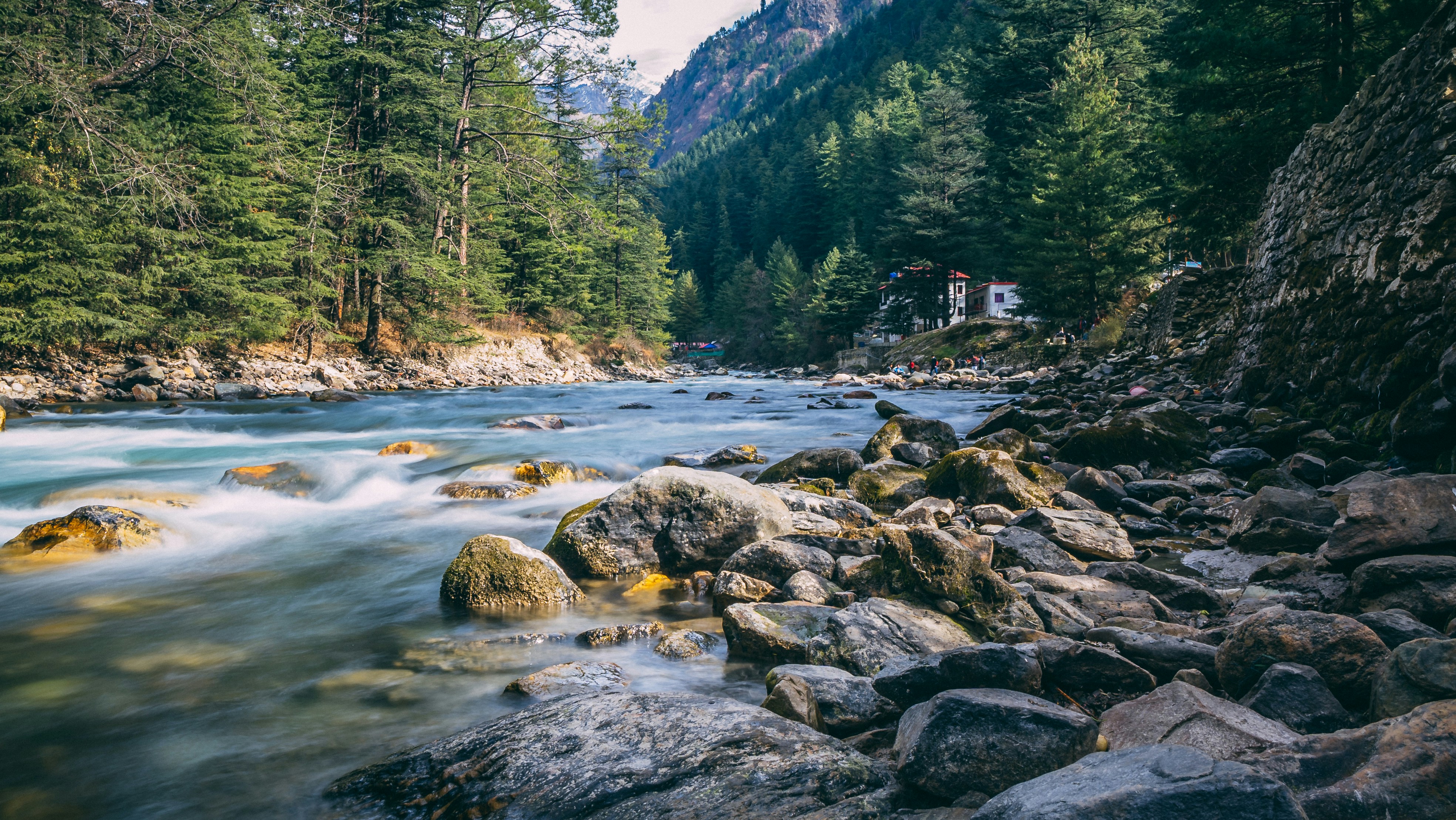
Dense forests of deodar, pine, oak, and cedar surround the region, while streams and waterfalls flow down from the higher reaches of the Himalayas. During winter, the upper slopes often receive snowfall, adding another layer of beauty to the landscape.
The region’s climate remains pleasant for most of the year. Summers are cool and comfortable compared to the plains, while winters bring chilly temperatures and occasional snowfall in higher areas.
McLeod Ganj: The Soul of Dharamshala
No visit to Dharamshala is complete without exploring McLeod Ganj. Often called “Little Lhasa,” this vibrant hill town is the cultural heart of the Tibetan community in India.
Colorful prayer flags flutter across the streets, monks in maroon robes walk between monasteries, and cafés serve everything from Tibetan momos to international cuisine. The atmosphere is unlike anywhere else in India.
Walking through the narrow lanes of McLeod Ganj offers visitors an opportunity to experience Tibetan culture firsthand. Bookstores, handicraft shops, meditation centers, and monasteries line the streets, creating a fascinating blend of spirituality and everyday life.
Tsuglagkhang Complex: Residence of the Dalai Lama
The Tsuglagkhang Complex is one of Dharamshala’s most important attractions. It serves as the official residence of the Dalai Lama and functions as the spiritual center of the Tibetan community.
Visitors can explore peaceful prayer halls, Buddhist temples, meditation areas, and large prayer wheels. The atmosphere is remarkably serene, attracting pilgrims, monks, and travelers from around the world.
Many visitors spend hours simply observing monks engaged in prayer, meditation, and philosophical discussions within the complex.
Namgyal Monastery
Located within the Tsuglagkhang Complex, Namgyal Monastery is considered one of the most significant Tibetan monasteries outside Tibet.
The monastery provides visitors with an opportunity to learn about Tibetan Buddhism, observe monastic life, and experience a peaceful spiritual environment. The sound of chanting monks, spinning prayer wheels, and fluttering prayer flags creates a deeply calming atmosphere.
Bhagsu Nag and Bhagsu Waterfall
Just a short walk from McLeod Ganj lies the popular village of Bhagsu. Known for its ancient temple and scenic waterfall, the area attracts both pilgrims and tourists.
The Bhagsu Nag Temple is dedicated to Lord Shiva and has long been revered by local communities. Nearby, the Bhagsu Waterfall cascades down rocky cliffs surrounded by cafés and viewpoints.
The trail leading to the waterfall is particularly lively, with small shops and eateries offering refreshments and local snacks.
Triund Trek: The Crown Jewel of Dharamshala
For adventure enthusiasts, the Triund Trek is one of the most rewarding experiences in the region. The trek begins near McLeod Ganj and ascends through forests of oak and rhododendron before reaching the spectacular Triund ridge.
The panoramic views from Triund are extraordinary. On one side lie the towering Dhauladhar peaks, while on the other stretches the vast Kangra Valley.
Many trekkers choose to stay overnight at Triund to witness sunset, stargazing, and sunrise over the Himalayas. The trek is considered moderately easy, making it suitable for beginners with reasonable fitness levels.
Naddi Village and Sunset Point
Located a few kilometers from McLeod Ganj, Naddi Village offers some of the finest mountain views in the region. Less crowded than the town center, Naddi provides a peaceful escape for travelers seeking tranquility.
The famous Sunset Point here attracts visitors every evening as the sun dips behind the Himalayan peaks, painting the sky in shades of orange, pink, and gold.
Photographers often consider Naddi one of the best locations in Dharamshala for capturing the Dhauladhar Range.
Dal Lake: A Quiet Himalayan Retreat
Surrounded by deodar forests, Dal Lake offers a peaceful atmosphere away from the busy tourist areas. While smaller than many Himalayan lakes, its scenic surroundings make it a pleasant place for nature walks and relaxation.
A small temple located near the lake adds to its spiritual ambiance, especially during local festivals.
Norbulingka Institute
The Norbulingka Institute plays a vital role in preserving Tibetan art, culture, and craftsmanship. Beautiful gardens, traditional architecture, workshops, and cultural exhibitions make it one of Dharamshala’s most fascinating attractions.
Visitors can observe artisans creating intricate thangka paintings, wood carvings, statues, and traditional handicrafts using centuries-old techniques.
The institute provides valuable insight into Tibetan cultural heritage and artistic traditions.
St. John in the Wilderness Church
Hidden amidst tall deodar trees, St. John in the Wilderness is one of Dharamshala’s most historic landmarks. Built in 1852, this neo-Gothic church reflects the town’s colonial heritage.
The peaceful surroundings, stained-glass windows, and historic architecture create a tranquil atmosphere that appeals to both history enthusiasts and photographers.
Local Culture and Tibetan Influence
What makes Dharamshala truly unique is the harmonious coexistence of Himachali and Tibetan cultures. Traditional Gaddi villages exist alongside Tibetan monasteries, while local markets offer a fascinating mix of Himalayan handicrafts and Tibetan products.
The region hosts numerous cultural festivals, religious celebrations, and community events throughout the year. Visitors often find themselves immersed in an environment that encourages reflection, learning, and cultural exchange.
Food Experiences in Dharamshala
Dharamshala’s food scene is among the most diverse in the Himalayas. Tibetan cuisine dominates many menus, but visitors can also enjoy Himachali, North Indian, and international dishes.
Popular local specialties include:
- Momos.
- Thukpa.
- Tingmo bread.
- Tibetan butter tea.
- Thenthuk.
- Siddu.
- Madra.
- Himachali Dham.
The cafés of McLeod Ganj have become famous among travelers for their mountain views, cozy interiors, and multicultural atmosphere. Many establishments serve organic coffee, homemade cakes, and healthy Himalayan cuisine.
Best Time to Visit Dharamshala
March to June
Spring and summer offer pleasant temperatures and clear mountain views. This is the best season for sightseeing, trekking, and outdoor activities.
July to September
Monsoon transforms the region into a lush green paradise. While the scenery becomes spectacular, occasional landslides and heavy rainfall can affect travel plans.
October to November
Many travelers consider autumn the ideal time to visit. Clear skies, comfortable weather, and excellent visibility create perfect conditions for photography.
December to February
Winter brings cold temperatures and occasional snowfall in higher areas such as McLeod Ganj, Naddi, and Triund. Snow-covered landscapes make this a magical season for mountain lovers.
How to Reach Dharamshala
By Air
The nearest airport is Kangra Airport (Gaggal), located approximately 15 kilometers from Dharamshala.
By Rail
The nearest major railway station is Pathankot, which is well connected to major Indian cities.
By Road
Dharamshala is connected by regular bus services from Delhi, Chandigarh, Amritsar, Shimla, and other major cities. The scenic drive through the Kangra Valley is a memorable experience in itself.
Responsible Tourism in Dharamshala
Dharamshala’s natural environment and cultural heritage are among its greatest treasures. Travelers can help preserve the region by avoiding littering, respecting religious sites, minimizing plastic use, and supporting local businesses and artisans.
Responsible tourism ensures that future generations can continue to enjoy the beauty and cultural richness of this Himalayan destination.
Final Thoughts
Dharamshala is much more than a hill station. It is a place where towering mountains meet ancient spirituality, where Tibetan traditions thrive alongside Himachali culture, and where adventure and tranquility coexist in perfect harmony.
Whether you are meditating in a monastery, trekking to Triund, exploring vibrant Tibetan markets, watching the sunset from Naddi, or simply enjoying a cup of tea overlooking the Himalayas, Dharamshala offers experiences that stay with you long after the journey ends.
For travelers seeking a destination that combines natural beauty, cultural depth, spiritual significance, and Himalayan adventure, Dharamshala remains one of the most rewarding places to visit in India.