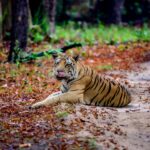
Kanha National Park
Few wildlife destinations in India capture the imagination quite like Kanha National Park. Known for its vast meadows, dense sal forests, thriving tiger population, and remarkable conservation success stories, Kanha is often regarded as one of the finest national parks in Asia. This spectacular wilderness offers visitors a chance to experience the untamed beauty of central India while witnessing some of the country’s most iconic wildlife species in their natural habitat.
Located in the Maikal Hills of Madhya Pradesh, Kanha is not only a premier tiger reserve but also a biodiversity hotspot that inspired conservationists, wildlife photographers, and nature lovers for generations. The park’s stunning landscapes of open grasslands, forested valleys, bamboo thickets, and seasonal streams create an environment that feels almost untouched by time.
Whether you are visiting for thrilling tiger safaris, birdwatching adventures, wildlife photography, or simply to reconnect with nature, Kanha National Park promises an unforgettable journey into one of India’s greatest wilderness areas.
About Kanha National Park
Kanha National Park forms the core area of the larger Kanha Tiger Reserve and covers approximately 940 square kilometers, while the entire reserve extends over 2,000 square kilometers including buffer zones.
Situated across the Mandla and Balaghat districts of Madhya Pradesh, Kanha is one of the largest protected areas in central India. The reserve is celebrated for its successful wildlife management, healthy predator populations, and scenic landscapes that rank among the most beautiful in the country.
Kanha gained international recognition through its conservation achievements, particularly the recovery of the endangered hard-ground barasingha, a species once on the brink of extinction.
Today, the reserve stands as one of India’s flagship wildlife destinations and remains a crucial component of the country’s tiger conservation network.
History of Kanha National Park
The forests of Kanha have been protected in various forms since the early twentieth century. During British rule, portions of the region were designated as reserve forests to safeguard valuable timber resources and wildlife.
In 1933, parts of the present-day reserve were declared a sanctuary. Conservation efforts expanded significantly after India’s independence, leading to the establishment of Kanha National Park in 1955.
A major milestone came in 1973 when Kanha became one of the first reserves selected under India’s ambitious Project Tiger initiative.
Over the decades, scientific management, habitat restoration, anti-poaching measures, and community participation have transformed Kanha into one of the world’s most respected conservation success stories.
The Inspiration Behind The Jungle Book
Kanha is often associated with The Jungle Book due to its resemblance to the landscapes described in the famous story.
Although author Rudyard Kipling never specifically identified Kanha as the exact setting, many historians and naturalists believe that the forests of central India, including Kanha, inspired the wilderness portrayed in the book.
The park’s dense forests, grassy clearings, predators, and rich wildlife make it easy for visitors to imagine the adventures of Mowgli unfolding within these landscapes.
Geography and Landscape
One of Kanha’s greatest attractions is its breathtaking landscape diversity.
The reserve lies within the Satpura-Maikal ecosystem and features:
- Rolling plateaus.
- Dense sal forests.
- Bamboo thickets.
- Open meadows.
- Seasonal streams.
- Forested hills.
- Wetlands.
The elevation ranges from approximately 450 to 900 meters above sea level.
Among Kanha’s most distinctive features are its vast grasslands, locally known as maidans. These open meadows were formed after the relocation of villages from the park’s core zone and now serve as prime grazing habitats for herbivores.
The combination of forests and grasslands creates excellent wildlife viewing opportunities throughout the reserve.
Flora of Kanha National Park
Kanha supports an extraordinary variety of plant life.
The dominant vegetation includes:
- Sal forests.
- Mixed deciduous forests.
- Bamboo groves.
- Grasslands.
- Riverine vegetation.
Common tree species found in the park include:
- Sal.
- Bamboo.
- Tendu.
- Mahua.
- Arjun.
- Saja.
- Bija.
- Jamun.
The forests undergo dramatic seasonal transformations. During the monsoon, the landscape turns lush green, while summer reveals golden grasslands and open forest floors that improve wildlife visibility.
The park’s vegetation supports a complex ecosystem that sustains hundreds of animal and bird species.
Wildlife of Kanha National Park
Kanha is among India’s premier wildlife destinations because of its exceptional biodiversity and healthy predator-prey balance.
Tigers
The Bengal tiger is undoubtedly the star attraction of Kanha.
The reserve supports a robust tiger population and is considered one of the best places in India for tiger safaris. The extensive grasslands and well-managed tourism zones often provide excellent opportunities for observing these magnificent predators.
A tiger emerging from the sal forest at dawn is a sight that many visitors never forget.
Leopards
Leopards inhabit the park’s dense forests and rocky areas.
Although more elusive than tigers, these adaptable predators are frequently recorded throughout the reserve and occasionally spotted during safaris.
Indian Wild Dogs (Dholes)
Kanha is renowned for its population of dholes, one of India’s most efficient predators.
These highly social animals hunt cooperatively and are among the most exciting species to encounter during a safari.
The Famous Barasingha Conservation Success
Kanha is globally recognized for saving the hard-ground barasingha from extinction.
The Hard-ground Barasingha, also known as the swamp deer, was once reduced to fewer than 70 individuals in the wild.
Through decades of dedicated conservation efforts, habitat restoration, scientific breeding programs, and strict protection measures, Kanha successfully revived the population.
Today, the barasingha has become the symbol of the reserve and one of India’s greatest wildlife conservation achievements.
Other Mammals Found in Kanha
The reserve supports more than 40 mammal species.
Frequently sighted animals include:
- Barasingha.
- Spotted Deer (Chital).
- Sambar Deer.
- Barking Deer.
- Indian Gaur.
- Wild Boar.
- Sloth Bear.
- Jungle Cat.
- Indian Fox.
- Jackal.
- Hanuman Langur.
- Rhesus Macaque.
- Indian Giant Squirrel.
Large herbivore populations provide an abundant prey base for predators and contribute to the park’s ecological balance.
Birdwatching in Kanha
Kanha is a paradise for bird enthusiasts, with more than 300 recorded bird species.
Notable species include:
- Crested Serpent Eagle.
- Changeable Hawk-Eagle.
- Indian Pitta.
- Green Bee-eater.
- Indian Roller.
- Paradise Flycatcher.
- Malabar Pied Hornbill.
- Peafowl.
- Woodpeckers.
- Drongos.
- Kingfishers.
- Vultures.
The diversity of habitats within the reserve attracts both resident and migratory birds throughout the year.
Early morning safaris are especially rewarding for birdwatchers.
Safari Experience in Kanha
A safari through Kanha’s forests and grasslands is the highlight of any visit.
Jeep Safari
Open jeep safaris provide the best wildlife viewing opportunities.
Experienced guides and drivers track animal movements while helping visitors understand the park’s ecology and wildlife behavior.
Popular Safari Zones
Kanha is divided into several tourism zones, including:
- Kanha Zone.
- Kisli Zone.
- Mukki Zone.
- Sarhi Zone.
Each zone offers unique landscapes and wildlife experiences.
The Kanha and Mukki zones are particularly popular among wildlife photographers due to their frequent predator sightings.
Morning Safari
Morning safaris provide excellent chances of observing predators returning from nighttime activity.
The soft morning light also creates ideal photography conditions.
Evening Safari
Evening drives offer opportunities to witness wildlife gathering in meadows and around water sources before sunset.
Best Time to Visit Kanha National Park
October to February
Winter offers cool temperatures, clear skies, and pleasant safari conditions.
This period is ideal for families, birdwatchers, and first-time visitors.
March to June
Summer is widely considered the best season for wildlife sightings.
As water sources become limited, animals congregate near waterholes, significantly improving viewing opportunities.
Tiger sightings are often particularly rewarding during this period.
July to September
The park generally remains closed during the monsoon season.
The forests receive heavy rainfall, allowing vegetation to regenerate and wildlife habitats to recover.
Nearby Attractions
Several destinations complement a visit to Kanha.
Mandla
A historic town known for its cultural heritage and scenic location along the Narmada River.
Jabalpur
A major gateway city featuring attractions such as the famous Bhedaghat and Marble Rocks.
Phen Wildlife Sanctuary
A buffer conservation area connected to the Kanha landscape that supports additional wildlife habitats.
Tribal Villages Around Kanha
Several indigenous communities live around the reserve, offering insights into local traditions, handicrafts, and forest-based cultures.
How to Reach Kanha National Park
By Air
Nearest airports include:
- Jabalpur Airport (approximately 160 km).
- Raipur Airport (approximately 250 km).
- Nagpur Airport (approximately 260 km).
By Rail
Nearest railway stations include:
- Jabalpur Railway Station.
- Gondia Railway Station.
Most visitors hire taxis from these stations to reach the park.
By Road
Approximate distances:
- Jabalpur: 160 km.
- Nagpur: 260 km.
- Raipur: 250 km.
- Mandla: 65 km.
The journey passes through scenic forests, villages, and agricultural landscapes.
Where to Stay
Kanha offers accommodation options for every type of traveler.
Choices include:
- Luxury jungle lodges.
- Wildlife resorts.
- Boutique eco-retreats.
- Nature camps.
- Forest rest houses
- Budget guesthouses.
Many properties provide naturalist-led safaris, birdwatching sessions, village tours, and conservation-focused experiences.
Advance reservations are strongly recommended, especially between November and June.
Local Communities and Culture
The forests around Kanha are closely linked to indigenous communities such as the Baiga and Gond tribes.
These communities possess generations of traditional ecological knowledge and maintain strong cultural ties to the forest landscape.
Visitors can learn about local handicrafts, traditional agriculture, folk music, and regional cuisine through community-based tourism initiatives.
Supporting local communities helps strengthen conservation efforts and sustainable livelihoods.
Responsible Tourism Guidelines
To help protect Kanha’s fragile ecosystem:
- Maintain silence during safaris.
- Never feed wildlife.
- Avoid littering.
- Follow park regulations.
- Stay within designated tourism routes.
- Respect wildlife viewing distances.
- Support eco-friendly tourism practices.
Responsible travel contributes directly to long-term conservation success.
Why Kanha National Park Should Be on Your Travel List
Kanha National Park represents the very best of India’s wildlife heritage. Its thriving tiger population, breathtaking meadows, dense sal forests, rich biodiversity, and globally recognized conservation achievements make it one of the most rewarding wildlife destinations in Asia.
The park offers far more than tiger sightings. It provides an opportunity to witness a healthy ecosystem functioning as nature intended, where predators roam freely, barasingha graze across vast grasslands, and ancient forests continue to support extraordinary biodiversity.
Whether you are tracking a tiger through morning mist, photographing barasingha in golden grasslands, listening to birdsong beneath towering sal trees, or simply soaking in the serenity of the wilderness, Kanha creates experiences that remain etched in memory for a lifetime.
For anyone seeking an authentic and unforgettable wildlife adventure in India, Kanha National Park deserves a place at the very top of the travel list.