Kedarnath
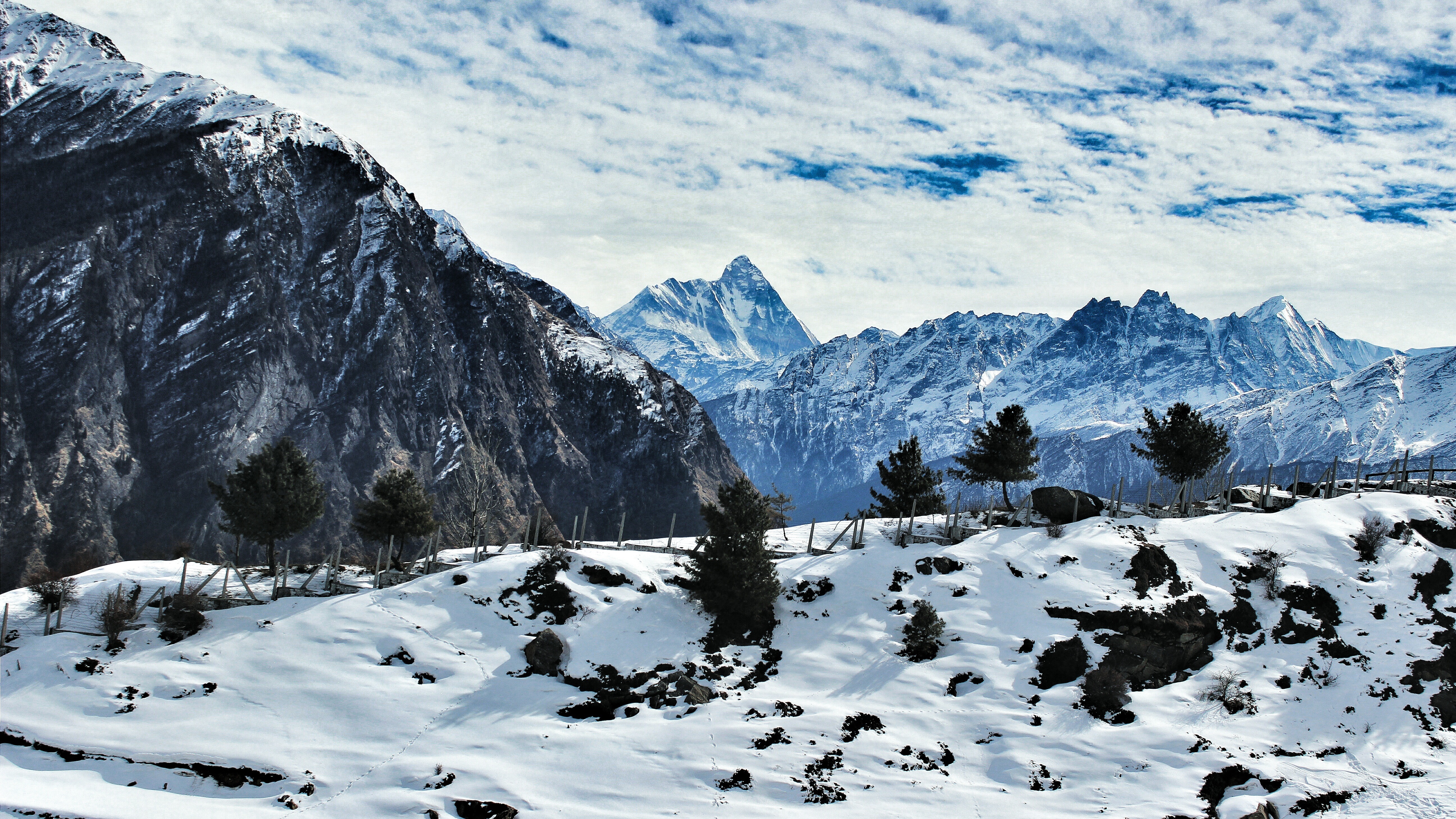
Nestled amidst the towering snow-clad peaks of the Garhwal Himalayas, Kedarnath is more than just a pilgrimage destination. It is a place where spirituality, history, mythology, adventure, and natural beauty come together in a way few places on Earth can match. Situated at an altitude of approximately 3,583 meters (11,755 feet) above sea level in Uttarakhand, Kedarnath is one of the most revered Hindu pilgrimage sites and forms an integral part of the famous Char Dham Yatra.
Every year, hundreds of thousands of pilgrims, trekkers, photographers, and nature lovers undertake the challenging yet rewarding journey to this remote Himalayan shrine. The sight of the ancient Kedarnath Temple standing against the dramatic backdrop of the majestic Kedarnath Peak creates a spiritual and visual experience that remains etched in memory forever.
Whether you are visiting for religious devotion, Himalayan landscapes, or a life-changing trekking experience, this detailed guide will help you understand everything about Kedarnath—from its history and mythology to travel tips, nearby attractions, weather, accommodation, and local experiences.
About Kedarnath
Kedarnath is home to the sacred Kedarnath Temple, one of the twelve revered Jyotirlingas dedicated to Lord Shiva. Located in the upper Mandakini River valley, the temple sits amidst some of the most spectacular mountain scenery in the Himalayas.
The settlement around the temple remains active only for a few months each year. Due to heavy snowfall, the region becomes inaccessible during winter, and the temple doors are closed. During this period, the deity is ceremonially shifted to Omkareshwar Temple in Ukhimath, where worship continues until the reopening of Kedarnath in summer.
The atmosphere in Kedarnath is unique. Even during peak pilgrimage season, the towering mountains, glacial streams, and crisp mountain air create a feeling of isolation from the outside world. Unlike many religious destinations that are crowded with commercial activities, Kedarnath retains a sense of raw wilderness and spiritual tranquility.
The area surrounding the temple is dominated by towering Himalayan peaks, including Kedarnath Peak, Kedar Dome, and Bharatekuntha. The Mandakini River, originating from nearby glaciers, adds to the serene beauty of the region. As visitors approach the shrine, they are greeted by a landscape that feels both majestic and sacred.
Mythological Significance of Kedarnath
Kedarnath occupies a special place in Hindu mythology and is closely associated with the epic Mahabharata.
According to legend, after the Kurukshetra War, the Pandavas sought forgiveness from Lord Shiva for the sins committed during the battle. Shiva, unwilling to meet them, disguised himself as a bull and fled into the Himalayas. When the Pandavas discovered him, the bull began disappearing into the ground.
It is believed that the hump of the bull appeared at Kedarnath, while other body parts emerged at four different locations. Together, these sites became known as the Panch Kedar temples:
- Kedarnath.
- Tungnath.
- Rudranath.
- Madhyamaheshwar.
- Kalpeshwar.
These five temples are among the most sacred pilgrimage sites dedicated to Lord Shiva in the Himalayas. Devotees believe that visiting the Panch Kedar shrines helps attain spiritual purification and divine blessings.
Another legend connects Kedarnath with Nara and Narayana, the twin sages believed to be incarnations of Lord Vishnu. It is said that they performed intense penance here and pleased Lord Shiva, who manifested as a Jyotirlinga and agreed to reside permanently in Kedarnath.
History of Kedarnath Temple
The exact origins of Kedarnath Temple remain uncertain, but tradition attributes its construction to the Pandavas. Historians generally believe the present stone structure dates back more than a thousand years.
The temple is often associated with the great philosopher-saint Adi Shankaracharya, who is believed to have revived pilgrimage traditions in the Himalayas during the 8th century. His samadhi is located behind the temple complex and remains an important spiritual site for visitors.
Over the centuries, Kedarnath became a major center of pilgrimage despite its remote location and harsh climatic conditions. Pilgrims from across India undertook difficult journeys through mountain trails to seek the blessings of Lord Shiva.
One of the most remarkable aspects of Kedarnath Temple is its architectural resilience. Built from massive stone slabs without modern engineering technology, the structure has survived centuries of earthquakes, avalanches, and extreme weather.
Its strength became particularly evident during the devastating floods of 2013. While much of the surrounding town was destroyed, the temple remained largely unharmed. A massive boulder that came to rest behind the shrine diverted the force of the floodwaters. Today, this boulder is revered by pilgrims and is commonly known as Bhim Shila.
Architecture of Kedarnath Temple
The architecture of Kedarnath Temple is simple yet awe-inspiring.
Constructed from large grey stone blocks, the temple stands on a raised platform and represents classic Himalayan temple architecture. Unlike the highly ornate temples of North and South India, Kedarnath’s beauty lies in its simplicity, strength, and harmony with the surrounding landscape.
The temple consists of:
- A spacious assembly hall (Mandapa).
- A sanctum sanctorum (Garbhagriha).
- Ancient stone carvings.
- Sculptures of Hindu deities.
- The unique conical Shiva lingam worshipped by devotees.
The entrance is adorned with statues and intricate carvings, while the interior remains relatively simple and solemn. The thick stone walls help the structure withstand the severe weather conditions of the high Himalayas.
The temple’s orientation, design, and construction techniques continue to fascinate historians, archaeologists, and architects studying ancient Himalayan engineering.
The Kedarnath Trek
One of the defining experiences of visiting Kedarnath is the trek.
The journey begins from Gaurikund, the last motorable point before the temple. The trek to Kedarnath covers approximately 16 to 18 kilometers and is considered moderately challenging.
The route ascends through rugged mountain terrain and offers breathtaking views throughout the journey. Pilgrims and trekkers pass through forests, waterfalls, glacial streams, and alpine meadows while gradually gaining altitude.
Important stops along the route include:
- Jungle Chatti.
- Bheembali.
- Linchauli.
- Base Camp.
The path is well-maintained and equipped with medical facilities, rest shelters, food stalls, and emergency services during the pilgrimage season.
For those unable to trek, pony, mule, palki, and helicopter services are also available. Nevertheless, many visitors consider the trek itself to be a deeply spiritual experience, symbolizing devotion, perseverance, and faith.
Helicopter Services to Kedarnath
Helicopter services have made Kedarnath more accessible to elderly pilgrims and those with limited time.
Popular helicopter departure points include:
- Phata.
- Sersi.
- Guptkashi.
The flight lasts only a few minutes but offers spectacular aerial views of snow-covered peaks, deep valleys, glaciers, and winding rivers.
Advance booking is strongly recommended, especially during the peak pilgrimage months of May and June. Weather conditions in the Himalayas can affect flight schedules, so travelers should keep some flexibility in their plans.
Best Time to Visit Kedarnath
Summer (May to June)
Summer marks the beginning of the pilgrimage season. Temperatures range between 5°C and 20°C, making it the most comfortable time to visit. Snow remains visible on nearby peaks, creating stunning landscapes.
Monsoon (July to August)
The monsoon season brings heavy rainfall to the region. Landslides and road disruptions are common, making travel more challenging. Visitors should monitor weather forecasts carefully before planning a trip during this period.
Autumn (September to October)
Many experienced travelers consider autumn the best season to visit Kedarnath. The skies are generally clear, mountain views are spectacular, and the crowds are relatively smaller than in summer.
Winter (November to April)
The temple remains closed due to heavy snowfall. The region becomes inaccessible, and worship shifts to Omkareshwar Temple in Ukhimath. During winter, Kedarnath transforms into a frozen landscape covered in deep snow.
Nearby Attractions Around Kedarnath
Bhairavnath Temple
Located on a hill overlooking Kedarnath, Bhairavnath Temple is dedicated to Bhairav, the guardian deity of the region. The short uphill hike offers excellent panoramic views of the Kedarnath valley and surrounding mountains.
Vasuki Tal
Situated at an altitude of approximately 4,150 meters, Vasuki Tal is a beautiful high-altitude glacial lake known for its crystal-clear waters and dramatic mountain scenery.
The trek to the lake is challenging but highly rewarding for experienced hikers and adventure enthusiasts.
Gandhi Sarovar
Also known as Chorabari Tal, Gandhi Sarovar is a glacial lake located near Kedarnath. The site gained national importance because a portion of Mahatma Gandhi’s ashes was immersed here.
Triyuginarayan Temple
This ancient temple is believed to be the place where Lord Shiva and Goddess Parvati were married. An eternal flame burns at the temple and is said to have been burning since the divine wedding ceremony.
Guptkashi
Guptkashi serves as an important base town for Kedarnath pilgrims. It is known for its ancient temples, scenic surroundings, and stunning views of the Chaukhamba range.
Wildlife and Natural Beauty
The Kedarnath region lies within the influence of the Kedarnath Wildlife Sanctuary, one of the largest protected areas in the western Himalayas.
The sanctuary supports diverse wildlife, including:
- Himalayan musk deer.
- Snow leopard.
- Himalayan black bear.
- Red fox.
- Blue sheep (Bharal).
- Himalayan monal.
The landscape changes dramatically with altitude. Dense forests of pine, oak, and rhododendron gradually give way to alpine meadows and rocky mountain terrain.
During spring and early summer, many slopes become covered with colorful wildflowers, creating spectacular scenery for nature lovers and photographers.
Local Food Around Kedarnath
Due to its remote location, food options in Kedarnath are simple but filling.
Common dishes available include:
- Aloo Puri.
- Rajma Chawal.
- Khichdi.
- Maggi Noodles.
- Tea and Coffee.
- Parathas.
- Simple Vegetarian Thalis.
In nearby towns such as Guptkashi, Sonprayag, and Rudraprayag, travelers can also enjoy traditional Garhwali cuisine.
Popular local dishes include:
- Kafuli.
- Chainsoo.
- Phaanu.
- Jhangora Kheer.
- Mandua Roti.
Trying regional Garhwali food provides a deeper connection to the culture and traditions of the Himalayan communities.
Accommodation in Kedarnath
Accommodation options cater to a wide range of travelers.
Guest Houses
Budget-friendly guest houses are available for pilgrims seeking basic lodging facilities.
Dharamshalas
Several religious organizations operate affordable dharamshalas that provide simple accommodations.
GMVN Rest Houses
Government-run accommodations offer reliable facilities and are popular among families and organized groups.
Camps and Tents
Seasonal camping options are available near the pilgrimage route and base areas.
Hotels in Guptkashi and Sonprayag
Many visitors prefer staying in lower-altitude towns and traveling to Kedarnath early in the morning.
Advance booking is highly recommended during the pilgrimage season due to heavy demand.
Essential Travel Tips
- Complete Char Dham registration before your journey.
- Carry valid identification documents.
- Pack warm clothing even during summer.
- Wear comfortable trekking shoes.
- Keep rain gear readily available.
- Stay hydrated during the trek.
- Avoid rushing and allow time for acclimatization.
- Follow local weather advisories.
- Carry basic medicines and personal essentials.
- Avoid littering and respect the fragile Himalayan environment.
How to Reach Kedarnath
By Air
The nearest airport is Jolly Grant Airport in Dehradun, approximately 240 kilometers from Gaurikund.
By Rail
The nearest major railway stations are:
- Haridwar.
- Rishikesh.
Both stations are well-connected to major Indian cities.
By Road
Road connectivity is available up to Sonprayag and Gaurikund.
Regular buses and shared taxis operate from Haridwar, Rishikesh, Rudraprayag, Srinagar, and Guptkashi during the pilgrimage season.
From Gaurikund, visitors continue to Kedarnath by trekking, pony, palki, or helicopter.
Local Experiences That Make Kedarnath Special
Beyond the temple visit, Kedarnath offers several memorable experiences.
Watching the first rays of sunrise illuminate the snow-covered peaks surrounding the temple is truly unforgettable. The evening aarti at the temple creates an atmosphere filled with devotion and serenity.
Walking through the bustling pilgrim route, interacting with local Garhwali residents, enjoying a hot cup of tea in the chilly mountain air, and witnessing the dramatic Himalayan landscapes all contribute to the unique character of the journey.
For photographers, the changing weather, mountain vistas, prayer ceremonies, and alpine scenery provide countless opportunities to capture remarkable images.
Why Kedarnath Should Be on Your Travel List
Kedarnath is not merely a temple visit—it is a complete Himalayan experience. The ancient shrine, dramatic mountain scenery, spiritual atmosphere, challenging trek, and centuries-old traditions combine to create one of India’s most remarkable journeys.
Whether you arrive as a devotee seeking blessings, a trekker searching for adventure, a photographer chasing Himalayan vistas, or a traveler exploring India’s cultural heritage, Kedarnath offers an experience that is both deeply personal and profoundly unforgettable.
Standing before the ancient stone temple while the towering peaks of the Garhwal Himalayas glow in the golden light of sunrise is a moment that perfectly captures the essence of Kedarnath—a place where faith, nature, history, and the Himalayas come together in extraordinary harmony.