Madurai
Introduction to Madurai
Known as the “Athens of the East,” Madurai is one of the oldest continuously inhabited cities in the world and among the most culturally significant destinations in South India. Situated on the banks of the Vaigai River in Tamil Nadu, Madurai is a city where ancient history, magnificent temple architecture, vibrant markets, traditional cuisine, and living heritage come together in a remarkable way.
With a history spanning more than 2,500 years, Madurai has served as a major center of Tamil culture, literature, trade, and religion since the era of the Pandya Kingdom. Unlike many historical cities that preserve their past in monuments alone, Madurai remains a living heritage city where centuries-old traditions continue to shape everyday life.
In 2026, improved infrastructure, better transportation networks, enhanced tourism facilities, and ongoing heritage conservation efforts have made Madurai one of the most rewarding destinations for cultural travelers, pilgrims, photographers, and history enthusiasts.
Whether you are visiting to admire the grandeur of Meenakshi Amman Temple, taste authentic Tamil cuisine, explore ancient monuments, or experience the city’s bustling streets and colorful festivals, Madurai offers an unforgettable journey into the heart of Tamil civilization.
Why Visit Madurai in 2026?
Madurai stands apart from many Indian cities because it combines historical depth with vibrant modern life. It is a destination where every street, temple, market, and festival reflects centuries of cultural continuity.
Reasons to visit Madurai include:
- Magnificent Meenakshi Amman Temple.
- Rich Tamil cultural heritage.
- Ancient history dating back over two millennia.
- Spectacular Dravidian architecture.
- Traditional South Indian cuisine.
- Historic palaces and monuments.
- Colorful local markets.
- Religious festivals and temple celebrations.
- Excellent connectivity across South India.
- Easy access to nearby hill stations and heritage sites.
History of Madurai
Madurai’s history is deeply intertwined with the development of Tamil civilization. Ancient Tamil literature describes the city as an important center of learning, commerce, and culture long before many modern cities came into existence.
The city served as the capital of the Pandya Kingdom, one of South India’s most powerful dynasties. Historical records indicate that Madurai was a thriving trading center connected with ancient Rome, Southeast Asia, and various parts of the Indian subcontinent.
Madurai is also associated with the legendary Tamil Sangams, gatherings of poets and scholars who contributed significantly to classical Tamil literature. Over the centuries, the city was ruled by the Pandyas, Cholas, Vijayanagara rulers, Madurai Nayaks, and later the British.
Today, traces of these various periods can still be seen in the city’s temples, monuments, traditions, and urban layout.
Meenakshi Amman Temple: The Heart of Madurai
The magnificent Meenakshi Amman Temple is the spiritual and cultural center of Madurai.
Dedicated to Goddess Meenakshi and Lord Sundareswarar, the temple is considered one of the finest examples of Dravidian architecture in India. Its towering gopurams, intricate sculptures, colorful carvings, and sacred halls attract millions of devotees and tourists every year.
The present structure largely dates to the 16th and 17th centuries, when the Nayak rulers expanded and beautified the temple complex.
Highlights of Meenakshi Temple
- Four massive gateway towers (Gopurams)
- Thousands of colorful sculptures
- Hall of Thousand Pillars
- Sacred Golden Lotus Tank
- Remarkable Dravidian architecture
- Daily temple rituals and ceremonies
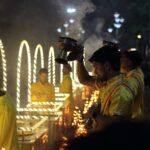
- Spectacular evening procession of deities
The temple is not merely a religious site but also a masterpiece of South Indian art and architecture.
Temple Timings and Visitor Information
While timings may vary during festivals and special occasions, the temple generally follows this schedule:
| Activity | Approximate Timing |
|---|---|
| Temple Opening | 5:00 AM |
| Morning Darshan | 5:00 AM – 12:30 PM |
| Afternoon Break | 12:30 PM – 4:00 PM |
| Evening Darshan | 4:00 PM – 9:30 PM |
Important Visitor Guidelines
- Dress modestly.
- Footwear must be removed before entering.
- Photography restrictions may apply in certain areas.
- Early mornings are best for peaceful darshan.
- Festival days attract large crowds.
The Architectural Marvel of Meenakshi Temple
One of the most remarkable aspects of the temple is its architectural complexity.
The temple complex covers approximately 14 acres and contains numerous shrines, mandapams, corridors, tanks, and towers. The tallest gopuram rises to more than 50 meters and is covered with thousands of brightly painted sculptures depicting gods, goddesses, mythical creatures, and scenes from Hindu mythology.
The Hall of Thousand Pillars remains one of the most admired sections of the temple. Despite its name, the hall contains slightly fewer than one thousand pillars, each showcasing exquisite craftsmanship.
Visitors often spend several hours exploring the temple’s architectural details and artistic treasures.
Thirumalai Nayakkar Palace
Among Madurai’s most important historical landmarks is Thirumalai Nayakkar Palace.
Built in the 17th century by King Thirumalai Nayak, the palace reflects a unique blend of Dravidian and Indo-Islamic architectural styles.
Highlights
- Massive arches and columns.
- Grand central courtyard.
- Royal audience halls.
- Historical exhibits.
- Evening sound and light show.
The palace provides fascinating insights into the grandeur of the Nayak dynasty and their contribution to Madurai’s development.
Gandhi Memorial Museum
History enthusiasts should not miss the Gandhi Memorial Museum.
The museum houses photographs, documents, letters, and artifacts related to India’s freedom struggle. One of its most significant exhibits is a piece of cloth believed to have been worn by Mahatma Gandhi at the time of his assassination.
The museum offers valuable insights into India’s modern history and independence movement.
Vandiyur Mariamman Teppakulam
The vast temple tank known as Vandiyur Mariamman Teppakulam is one of the largest temple tanks in South India.
Built during the Nayak period, the tank becomes the focal point of the famous Float Festival, during which beautifully decorated temple deities are taken around the water on illuminated floats.
The area is particularly attractive during sunset and festival seasons.
Local Markets of Madurai
Madurai’s bustling markets provide an authentic glimpse into daily life.
Popular shopping areas include:
- Puthu Mandapam Market.
- East Masi Street.
- South Avani Moola Street.
- Chithirai Street.
Visitors can shop for:
- Temple souvenirs.
- Brassware.
- Traditional jewelry.
- Cotton textiles.
- Sungudi sarees.
- Handicrafts.
- Spices and local snacks.
The markets surrounding Meenakshi Temple remain among the city’s most vibrant attractions.
Best Food to Try in Madurai
Madurai is widely regarded as one of Tamil Nadu’s best food destinations.
The city’s cuisine reflects centuries of culinary traditions and is known for its bold flavors and unique recipes.
Popular Vegetarian Dishes
Idli
Madurai’s soft, fluffy idlis are famous throughout Tamil Nadu.
Pongal
A comforting rice and lentil preparation often served for breakfast.
Dosa
Available in numerous varieties and served with chutneys and sambar.
Jigarthanda
Madurai’s signature beverage, made from milk, almond gum, ice cream, and traditional ingredients.
Kari Dosa
A popular local specialty featuring layered dosa and flavorful toppings.
Murukku
A crunchy snack commonly purchased as a souvenir.
Festivals of Madurai
Madurai’s cultural calendar is packed with religious and community celebrations.
Chithirai Festival
The most important festival of Madurai celebrates the celestial marriage of Goddess Meenakshi and Lord Sundareswarar.
The festival attracts lakhs of devotees and transforms the city into a vibrant center of celebration.
Float Festival
Held at Vandiyur Mariamman Teppakulam, this festival features beautifully decorated floats carrying temple deities across the water.
Navaratri
Nine days of devotion, music, dance, and cultural performances.
Meenakshi Temple Festivals
Numerous temple festivals occur throughout the year, each accompanied by processions, rituals, and cultural events.
Best Time to Visit Madurai
October to March
This is the most pleasant season for visiting.
Advantages include:
- Comfortable temperatures.
- Ideal sightseeing weather.
- Festival celebrations.
- Better conditions for photography.
April to June
Summer can be extremely hot, with temperatures often exceeding 40°C.
July to September
Monsoon brings moderate rainfall and greener surroundings.
Top Places to Visit Around Madurai
Alagar Kovil
Located amidst scenic hills, Alagar Kovil is a beautiful temple dedicated to Lord Vishnu.
The peaceful setting and surrounding greenery make it a popular excursion from Madurai.
Pazhamudircholai
Situated near Alagar Kovil, Pazhamudircholai Murugan Temple is one of the six sacred abodes of Lord Murugan.
The temple’s forested location adds to its spiritual atmosphere.
Samanar Hills
The ancient Jain site known as Samanar Hills contains rock-cut caves, inscriptions, and sculptures dating back centuries.
History lovers and trekkers often visit for its archaeological significance and panoramic views.
Kodaikanal
Located approximately 120 kilometers from Madurai, Kodaikanal is one of South India’s most famous hill stations.
Many travelers combine a Madurai trip with a visit to Kodaikanal.
Shopping in Madurai
Madurai is particularly famous for:
- Sungudi sarees.
- Brass lamps.
- Temple jewelry.
- Bronze statues.
- Handloom products.
- Religious artifacts.
- Traditional handicrafts.
Shopping around the temple area remains a favorite activity for visitors.
How to Reach Madurai
By Air
Madurai Airport connects the city with major Indian destinations and selected international routes.
By Train
Madurai Junction is one of Tamil Nadu’s busiest railway stations and offers excellent connectivity.
By Road
Well-maintained highways connect Madurai with:
- Chennai.
- Coimbatore.
- Tiruchirappalli.
- Rameswaram.
- Kanyakumari.
- Bengaluru.
Where to Stay in Madurai
Popular accommodation areas include:
Temple Area
Ideal for pilgrims and first-time visitors.
Goripalayam
Known for comfortable mid-range hotels.
Alagarkoil Road
Offers a variety of modern accommodations.
City Center
Convenient for sightseeing, shopping, and dining.
Accommodation options range from budget lodges to luxury hotels.
Suggested 3-Day Madurai Itinerary
Day 1
- Early morning Meenakshi Temple visit.
- Explore temple complex.
- Visit Puthu Mandapam.
- Evening temple ceremony.
Day 2
- Thirumalai Nayakkar Palace.
- Gandhi Memorial Museum.
- Vandiyur Mariamman Teppakulam.
- Local food exploration.
Day 3
- Alagar Kovil.
- Pazhamudircholai.
- Samanar Hills.
- Shopping and departure.
Travel Tips for 2026
- Start sightseeing early to avoid afternoon heat.
- Carry water while exploring the city.
- Dress conservatively when visiting temples.
- Try Jigarthanda from reputed local vendors.
- Remove footwear before entering religious sites.
- Book accommodation in advance during major festivals.
- Keep cash for local markets and street shopping.