Image Source: Vikash Meena
Kumbhalgarh Fort: A Majestic Stronghold of Mewar
Nestled in the rugged hills of the Aravalli range, Kumbhalgarh Fort stands as one of Rajasthan’s most impressive and historically rich forts. Located in the Rajsamand district of Rajasthan, this massive fortification was built during the 15th century under the rule of Rana Kumbha. The construction, carried out between 1443 AD and 1458 AD, was overseen by the renowned architect Mandan, who designed it to be nearly impregnable.
Perched at an altitude of about 3,500 feet above sea level and surrounded by thirteen rugged mountain peaks, the fort occupies a strategic position on a hill ridge. This natural elevation, combined with its massive defensive walls, made Kumbhalgarh one of the most secure fortresses in medieval India. In fact, it served as a refuge for the rulers of Mewar during times of conflict.
A Glimpse into Its Rich History
Kumbhalgarh Fort wasn’t built from scratch—it stands on the remains of an earlier structure believed to date back to the 2nd century BC, associated with a Jain prince named Samprati. However, it was Rana Kumbha who transformed this site into a grand fortress that symbolized the power and resilience of the Mewar kingdom.
The fort holds immense historical importance, especially because it is closely linked to the legendary Rajput ruler Maharana Pratap. It is widely believed that Maharana Pratap was born within the fort complex, adding to its cultural and emotional significance for Rajasthan.
Architecture: Strength Meets Grandeur
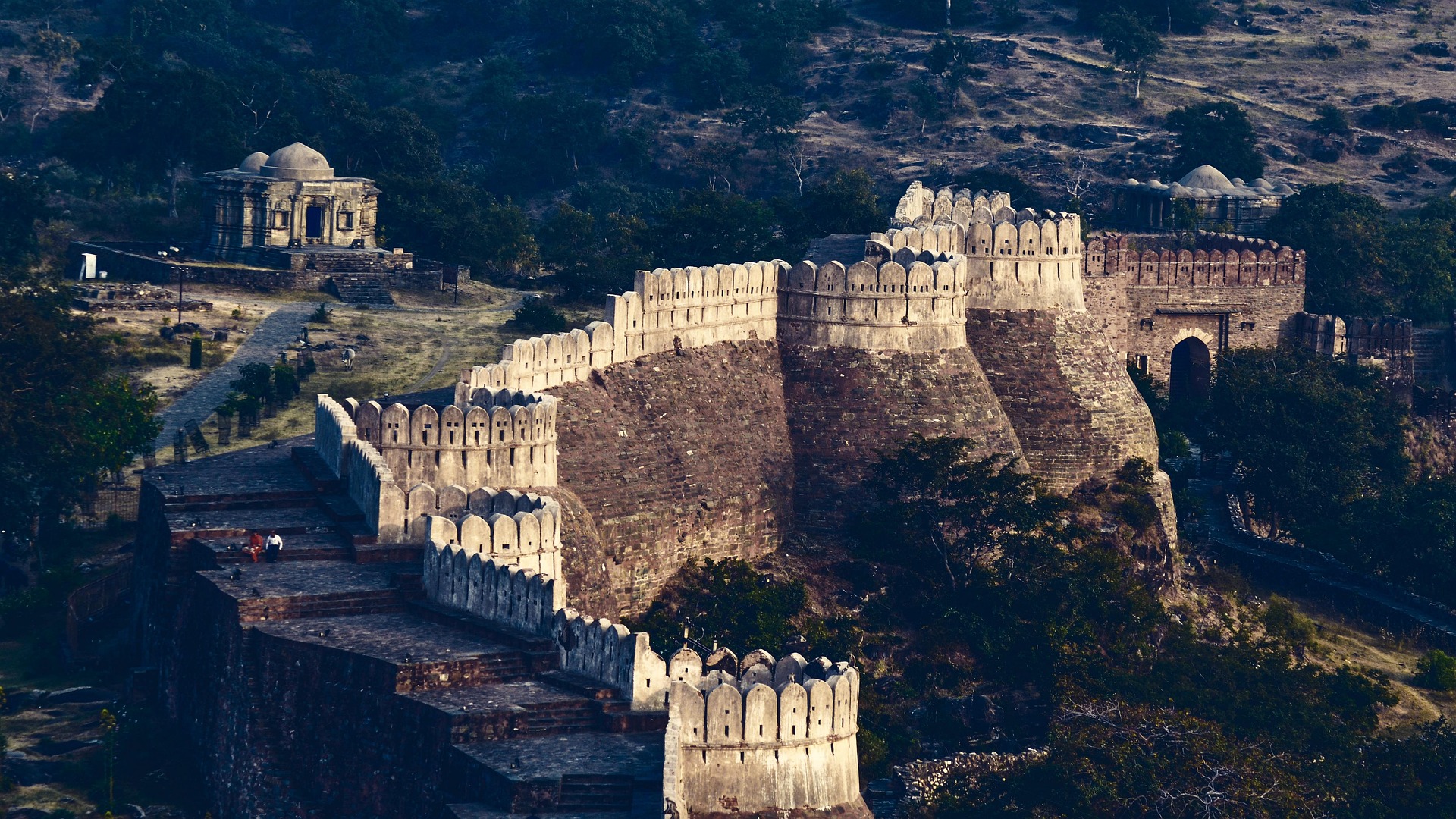
One of the most astonishing features of Kumbhalgarh Fort is its enormous wall, which stretches over 38 kilometers—making it the second-longest continuous wall in the world after the Great Wall of China. Often referred to as the “Great Wall of India,” this structure is wide enough in places for eight horses to walk side by side.
The fort is protected by seven massive gateways (pols), each designed to enhance security. These include Aaret Pol, Halla Pol, Hanuman Pol, Ram Pol, Paghra Pol, Nimboo Pol, and Bhairav Pol. Each gate served as a defensive checkpoint, making it extremely difficult for enemies to penetrate the fort.
Temples Within the Fort
Kumbhalgarh is not just a military structure—it is also a spiritual center. The fort complex houses more than 360 temples, of which around 300 are Jain temples and the rest are dedicated to Hindu deities.
Among the most notable is the Neelkanth Mahadev Temple, famous for its massive Shiva Linga and intricate carvings. The Ganesh Temple is considered the oldest in the complex, while other important temples include Vedi Temple, Mamadeo Temple, and the Golerao group of temples. These structures reflect the rich religious diversity and artistic excellence of the time.
Palaces and Key Structures Inside
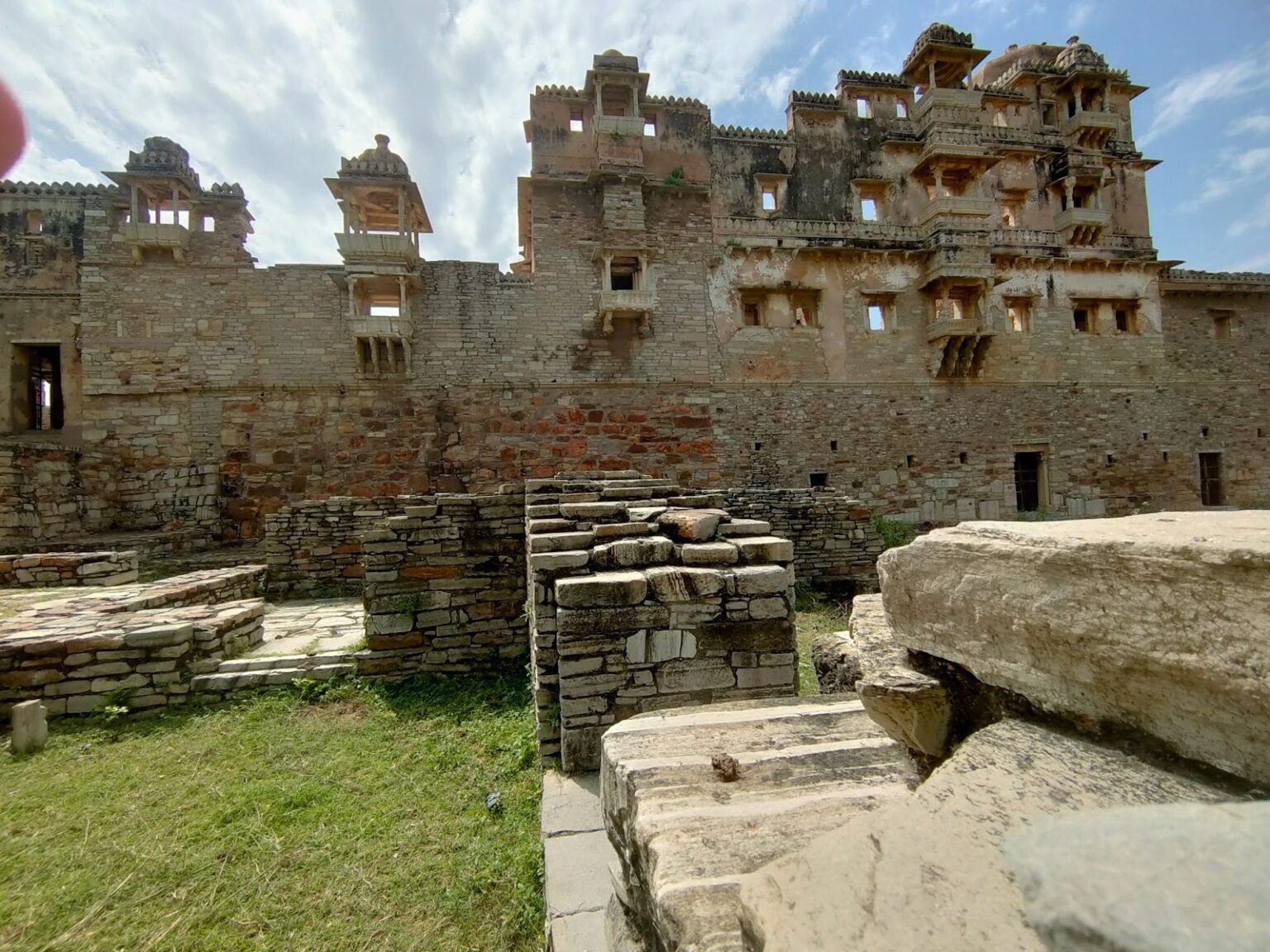
Inside the fort lies an inner citadel known as Kartargarh, which contains several royal structures. One of the most striking is the Badal Mahal, or the “Cloud Palace,” located at the highest point of the fort. It offers breathtaking panoramic views of the surrounding hills and forests.
The fort also features the Zanana Mahal (for queens) and Mardana Mahal (for kings), showcasing the distinct living arrangements of royal families. The Zanana Mahal is particularly interesting for its stone lattice windows (jalis), which allowed royal women to observe court activities without being seen.
Additionally, the palaces associated with Rana Kumbha and Queen Jhali are significant landmarks within the complex, further enhancing its historical depth.
Visiting Kumbhalgarh Fort
Reaching the top of the fort involves a moderately steep climb that usually takes around 30–40 minutes. While the trek is rewarding, it’s a good idea to carry water and use basic facilities available at the base before starting the ascent.
Timings:
The fort is open daily from 8:00 AM to 6:00 PM.
In the evening, visitors can enjoy a captivating light and sound show that narrates the history of Mewar and the fort. This show typically runs from 6:00 PM to 7:00 PM and adds a magical touch to the overall experience.
Nearby Attractions
The region around Kumbhalgarh Fort is rich in historical monuments, temples, wildlife, and natural attractions, making it ideal for a multi-stop heritage and nature trip.
Kumbhalgarh Wildlife Sanctuary
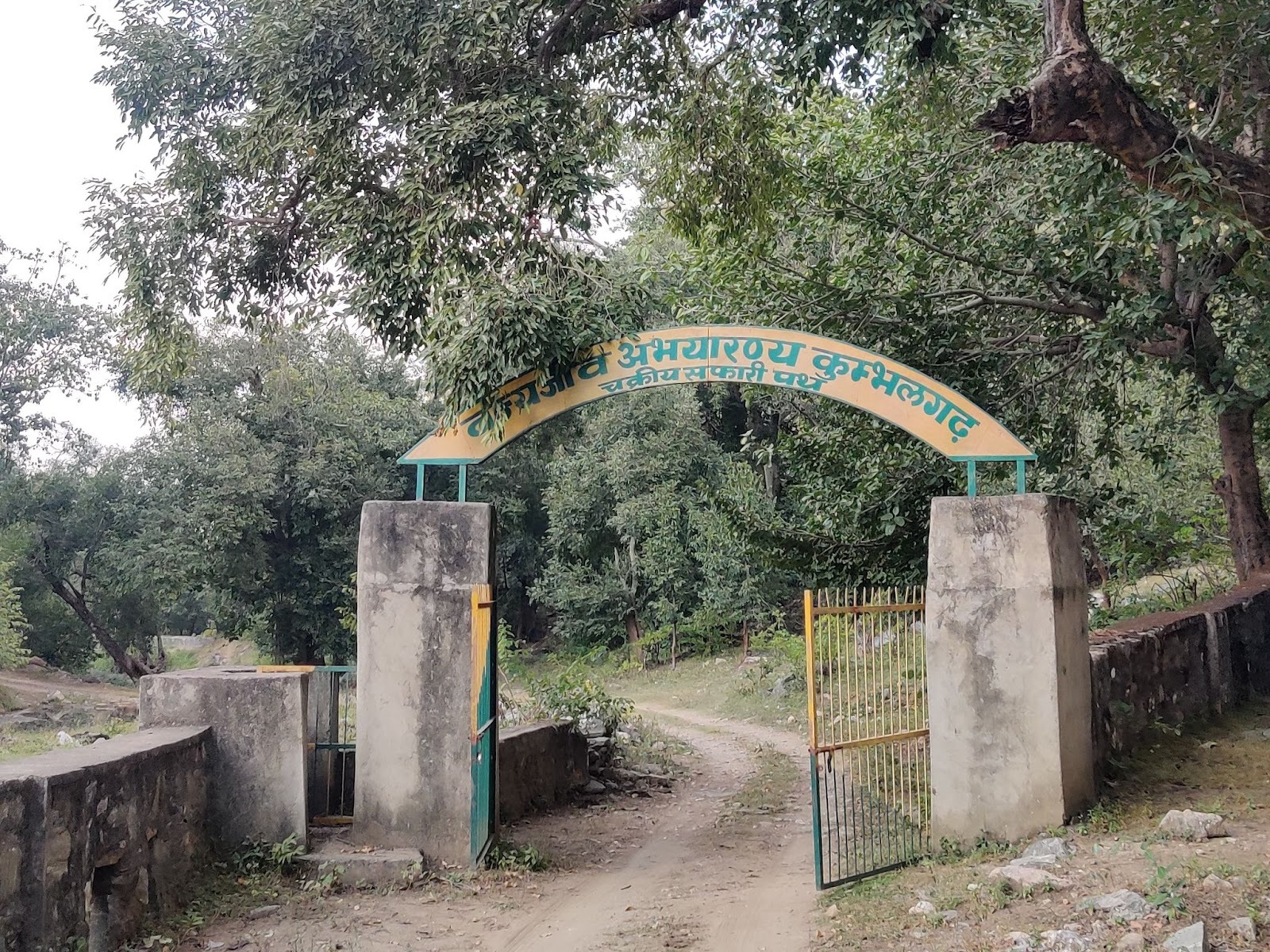
The fort is surrounded by the Kumbhalgarh Wildlife Sanctuary, which is known for its dense forests and diverse wildlife, including leopards, wolves, deer, and various bird species. Jeep safaris and nature walks are popular activities here.
Badal Mahal
Located inside the fort complex, Badal Mahal is one of the most beautiful structures within Kumbhalgarh Fort. It is known for its distinct architecture, vibrant interiors, and panoramic views of the Aravalli Hills.
Neelkanth Mahadev Temple
This ancient temple dedicated to Lord Shiva is located within the fort premises. It is known for its massive stone Shiva Linga and spiritual significance.
Vedi Temple Complex
The Vedi Temple Complex consists of ancient Jain temples built during the reign of Rana Kumbha. These temples are admired for their detailed carvings and peaceful environment.
Mammadev Temple
Situated just below the fort, Mammadev Temple is known for its cenotaphs and memorial structures dedicated to the rulers of Kumbhalgarh.
Parshuram Mahadev Cave Temple
Located about 25 to 30 km from the fort, this is a natural cave temple dedicated to Lord Shiva. It is a popular spiritual site as well as a trekking destination.
Ranakpur Jain Temple
Around 50 km from Kumbhalgarh, Ranakpur Jain Temple is one of the most important Jain pilgrimage sites in India. It is famous for its marble architecture and intricately carved pillars.
Hameri Pal Lake and Surroundings
This scenic area offers peaceful views of water bodies and surrounding landscapes, making it suitable for relaxation, photography, and short nature stops.
How to Reach Kumbhalgarh Fort
Kumbhalgarh Fort is located in the Rajsamand district of Rajasthan, nestled in the Aravalli Hills and surrounded by the Kumbhalgarh Wildlife Sanctuary. It is well connected by air, rail, and road, making it accessible from major cities in Rajasthan and nearby states.
By Air
The nearest airport is Maharana Pratap Airport in Udaipur, located around 95 to 100 km away. From the airport, visitors can hire a taxi or cab to reach Kumbhalgarh Fort. The journey takes approximately 2.5 to 3 hours and offers a comfortable route through scenic rural and hilly landscapes.
By Train
The closest railway station is Falna Railway Station, located about 80 to 85 km from Kumbhalgarh. Another major railhead is Udaipur City Railway Station, approximately 85 to 90 km away. From both stations, taxis and private cabs are easily available. The road journey generally takes around 2 to 3 hours.
By Road
Kumbhalgarh is well connected by motorable roads and is often considered one of the most scenic drives in Rajasthan due to its location in the Aravalli hills. From Udaipur, the distance is about 85 km, taking nearly 2 to 2.5 hours. From Jodhpur, it is around 170 to 180 km with a travel time of 4 to 5 hours. From Jaipur, the distance is approximately 340 km, taking around 6 to 7 hours. Travelers can use private taxis, self-driven cars, or RSRTC buses up to Kelwara, followed by local transport to the fort.
Why Kumbhalgarh Fort is Worth Visiting
Kumbhalgarh Fort is more than just a historical site—it’s an experience that blends history, architecture, nature, and culture. From its massive defensive walls to its serene temples and royal palaces, every corner tells a story. The surrounding forest area, now part of the Kumbhalgarh Wildlife Sanctuary, adds to its scenic charm, making it a perfect destination for both history lovers and nature enthusiasts.
Map of Kumbhalgarh Fort
FAQ’s
1. Why is Kumbhalgarh Fort famous?
Kumbhalgarh Fort is famous for its massive 38 km-long wall, making it the second-longest wall in the world after the Great Wall of China. It is also known as the birthplace of Maharana Pratap.
2. Who built Kumbhalgarh Fort?
The fort was built by Rana Kumbha in the 15th century, with architectural guidance from Mandan.
3. How many temples are inside Kumbhalgarh Fort?
There are more than 360 temples inside the fort, including around 300 Jain temples and several Hindu temples.
4. What is the best time to visit Kumbhalgarh Fort?
The best time to visit is between October and March when the weather is pleasant and ideal for exploring.
5. Is there an entry fee and light show?
Yes, there is an entry fee for visitors, and a light and sound show is held in the evening between 6 PM and 7 PM.
6. How long does it take to explore the fort?
It usually takes around 2–3 hours to explore the major attractions within the fort.