Image Source: Saurabh Sonawane
Overview
Nestled amidst the rugged hills near Lonavala in Maharashtra, the Karla Caves are among the finest examples of ancient rock-cut Buddhist architecture in India. These remarkable caves have stood the test of time for over two millennia, preserving stories of faith, artistry, and cultural exchange. Surrounded by scenic landscapes and overlooking the beautiful Indrayani Valley, Karla Caves offer visitors a fascinating glimpse into India’s rich spiritual and historical past.
Whether you’re a history enthusiast, a photography lover, or a traveler seeking unique cultural experiences, a visit to Karla Caves is both inspiring and unforgettable.
History of Karla Caves
Perched on a hillside overlooking an ancient trade route connecting the Deccan Plateau with ports along the Arabian Sea, Karla Caves played an important role in the spread of Buddhism and commerce. The caves were excavated in different phases, primarily between the 2nd century BCE and the 2nd century CE, with additional developments taking place between the 5th and 10th centuries CE. The oldest sections of the complex date back to around 160 BCE.
Merchants, monks, and travelers frequently passed through this region, contributing donations that helped create these magnificent cave temples. Over time, Karla became an important center for Buddhist learning and worship.
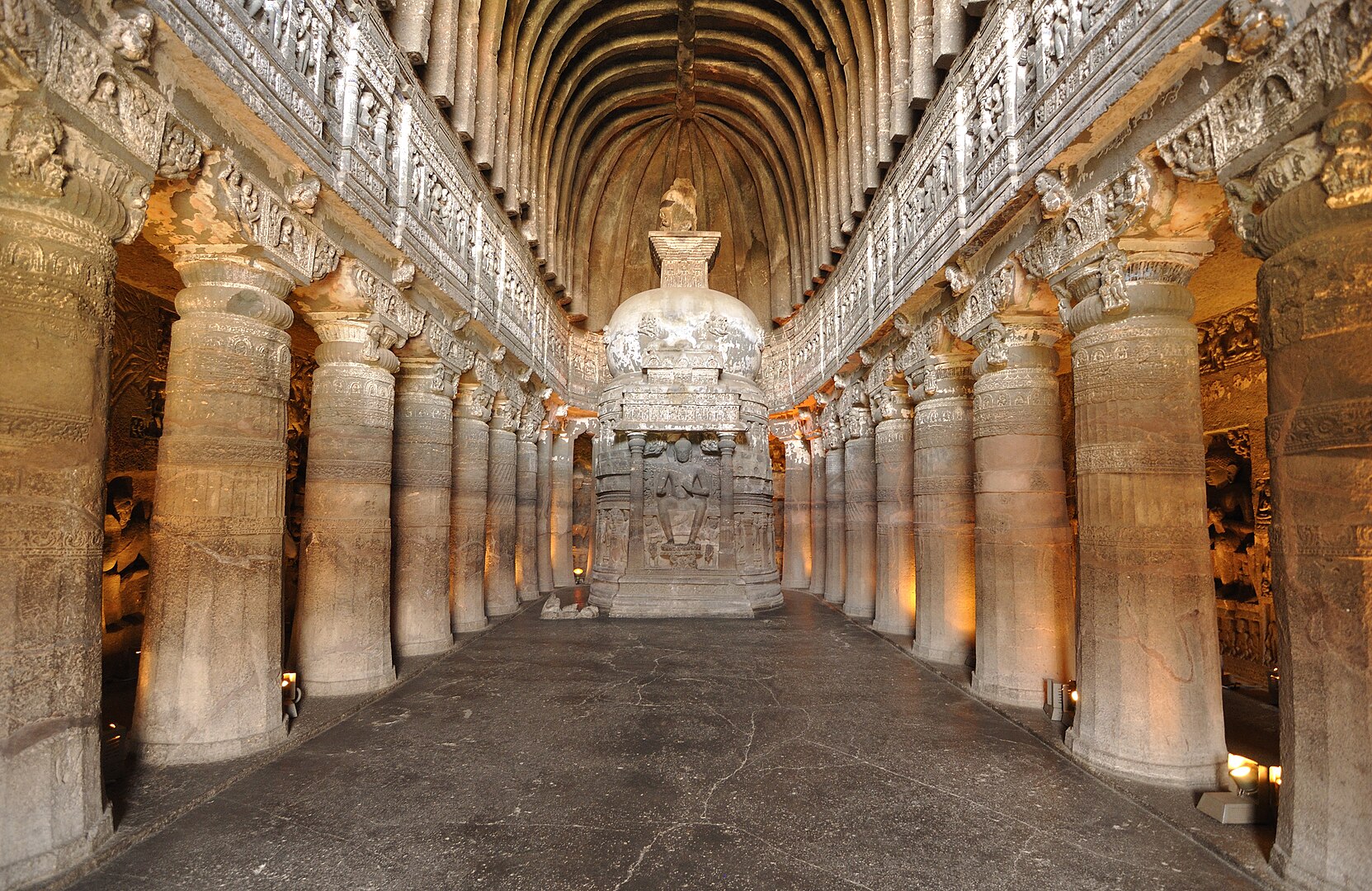
The cave complex consists of several excavated chambers, including prayer halls (Chaityas) and monastic residences (Viharas). Its most celebrated feature is the grand Chaityagriha, considered one of the largest and best-preserved Buddhist prayer halls in India.
Architecture of Karla Caves
The architectural brilliance of Karla Caves is evident from the moment visitors step inside. The main Chaityagriha features a large apsidal hall with a spacious nave and side aisles separated by rows of intricately carved pillars. At the far end stands a magnificent stupa, the focal point of worship and meditation.
One of the most impressive aspects of the cave is the way natural light enters through a horseshoe-shaped window above the entrance, illuminating the interior and creating a peaceful atmosphere. The wooden ribs on the ceiling, some of which are believed to be original, further enhance the cave’s uniqueness.
The walls and pillars are adorned with detailed carvings depicting human figures, animals, and decorative motifs that showcase the exceptional craftsmanship of ancient artisans.
Another notable feature is the temple dedicated to Goddess Ekvira, located within the complex. Revered by the Koli fishing community, the shrine attracts thousands of devotees every year and reflects the site’s continuing religious significance.
Beyond the main prayer hall, visitors can explore several Viharas and smaller caves that once served as living quarters for Buddhist monks. These spaces offer valuable insights into the daily lives, practices, and spiritual traditions of ancient monastic communities.
Local Significance
Apart from its historical importance, Karla Caves remains an active pilgrimage destination. During festivals dedicated to Goddess Ekvira, the area comes alive with devotees, local vendors, and cultural activities. The hilltop location also rewards visitors with panoramic views of the surrounding countryside, especially during the monsoon season when the landscape turns lush green.
The caves are often visited alongside other famous attractions in the Lonavala region, making them a popular stop on weekend trips from Mumbai and Pune.
How to Reach Karla Caves
By Air
The nearest airport is Pune International Airport, located about 60 km away. From the airport, taxis and private cabs are readily available to reach Karla Caves.
By Train
Malavli Railway Station is the closest railway station, situated around 3 km from the caves. Lonavala Railway Station, approximately 11 km away, offers better connectivity with Mumbai, Pune, and other major cities.
By Road
Karla Caves are easily accessible via the Mumbai-Pune Expressway and Old Mumbai-Pune Highway. The site is about 11 km from Lonavala, 60 km from Pune, and around 100 km from Mumbai. Visitors can drive directly to the base of the hill and then climb a series of steps leading to the caves.
Nearby Attractions
- Bhaja Caves (3 km).
- Bedse Caves.
- Lonavala Lake.
- Lohagad Fort.
- Visapur Fort.
- Ekvira Devi Temple.
- Bhushi Dam.
- Tiger’s Leap.
- Rajmachi Fort.
- Duke’s Nose.
- Pawna Lake.
- Karla Buddhist Chaitya Hall.
Maps
FAQs
1. What are Karla Caves famous for?
Karla Caves are famous for their ancient Buddhist rock-cut architecture and for housing one of the largest and best-preserved Chaitya halls in India.
2. How old are the Karla Caves?
The oldest sections of the caves date back to around 160 BCE, making them over 2,000 years old.
3. Where are Karla Caves located?
Karla Caves are located in Karli village near Lonavala in Maharashtra, India.
4. How many caves are there in the Karla Caves complex?
The complex contains several rock-cut caves, including prayer halls, monasteries, and residential chambers for monks.
5. Is there an entry fee for Karla Caves?
Yes, an entry fee is generally charged by the Archaeological Survey of India. Rates may vary for Indian and foreign visitors.
6. How much time is needed to explore Karla Caves?
Most visitors spend 1 to 2 hours exploring the caves and enjoying the surrounding views.
7. What is the best time to visit Karla Caves?
The best time to visit is between October and March when the weather is pleasant. The monsoon season also offers beautiful greenery.
8. Is photography allowed inside the caves?
Yes, photography is generally permitted for personal use, though visitors should follow any site-specific regulations.
9. Why is the Ekvira Temple significant?
The Ekvira Temple is an important pilgrimage site, particularly for the Koli community, and attracts large numbers of devotees throughout the year.
10. Can Karla Caves be visited along with other attractions in Lonavala?
Yes, Karla Caves are often combined with visits to Bhaja Caves, Lohagad Fort, Pawna Lake, and other popular attractions around Lonavala.