Image Source: Swati Punaini
About Sankat Mochan Temple
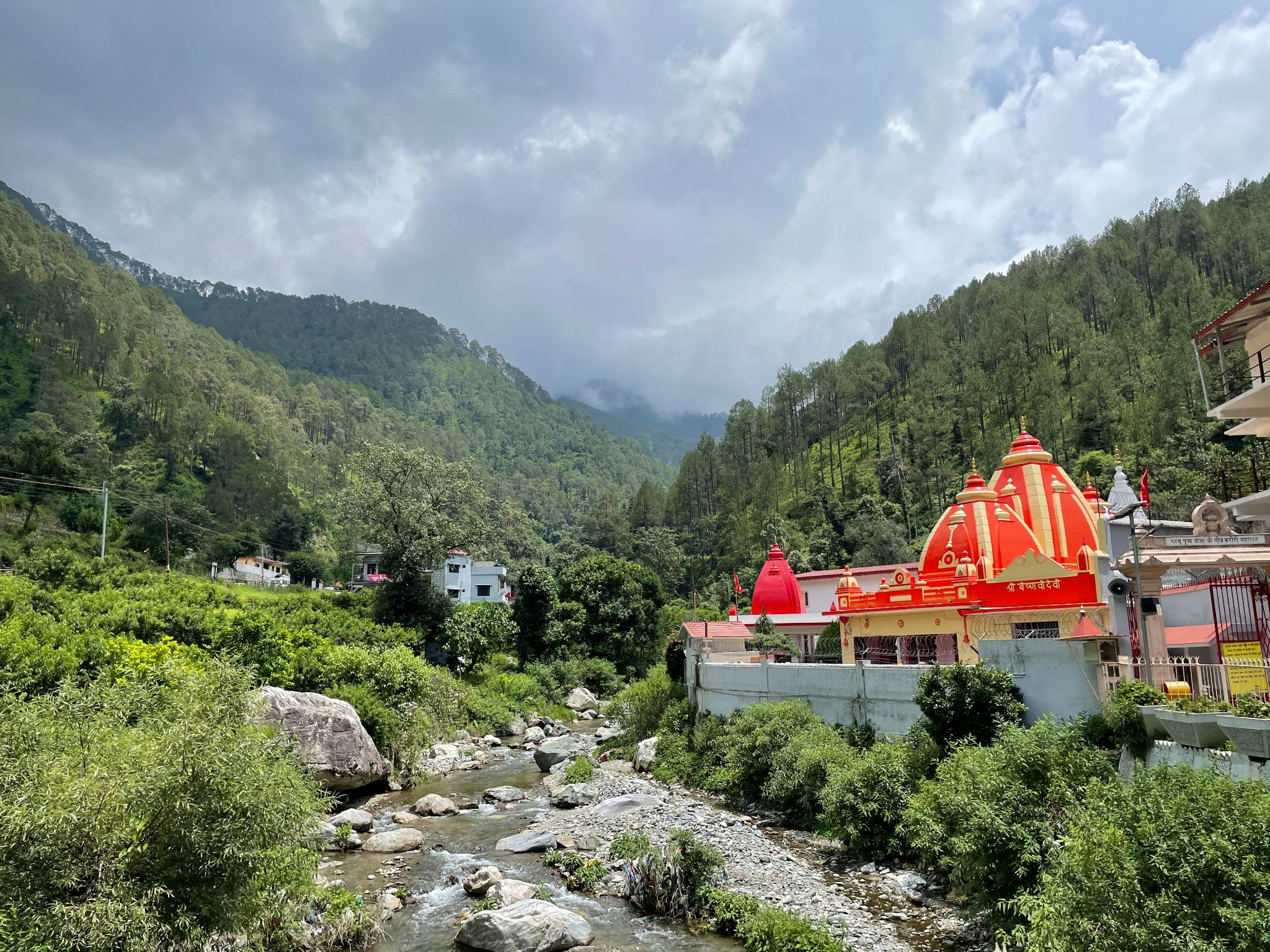
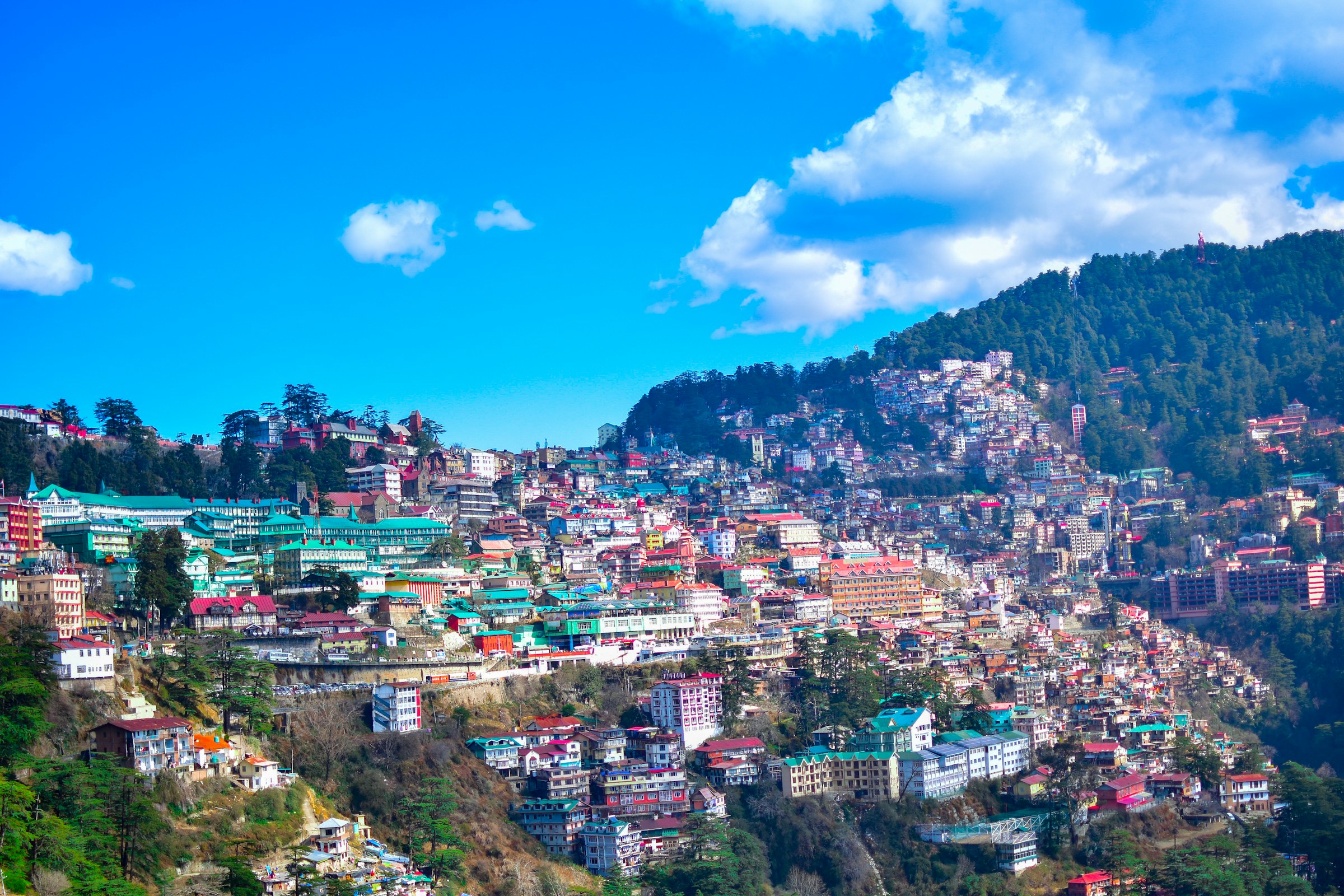
Perched at an altitude of around 975 meters, Sankat Mochan Temple is one of the most peaceful and spiritually uplifting temples in Shimla. Dedicated to Lord Hanuman, the temple is surrounded by lush green hills, fresh mountain air, and a calm atmosphere that instantly makes visitors feel relaxed. Located just a few kilometers from the bustling Mall Road area, the temple offers a quiet escape from the crowds and noise of the city. Devotees, tourists, and spiritual seekers visit this sacred place not only to offer prayers but also to enjoy the serene environment and panoramic views of the surrounding mountains.
The temple is especially popular among devotees who believe that Lord Hanuman protects people from troubles and negative energies. The name “Sankat Mochan” itself means “the remover of troubles,” and many visitors come here seeking peace, strength, and blessings.
History of Sankat Mochan Temple
The history of the temple is closely associated with the revered saint Neem Karoli Baba, also known as Baba Neem Karoro Ji Maharaj. In the 1950s, Baba visited the Shimla region and found the nearby Tara Devi hills to be an ideal place for meditation and spiritual practice. Deeply impressed by the natural beauty and spiritual energy of the location, he wished for a temple dedicated to Lord Hanuman to be established there.
Later, Baba’s devoted followers took the responsibility of fulfilling his vision. With the support and contributions of devotees, including assistance from the Governor of Himachal Pradesh at the time, the construction of the temple began. Eventually, the temple was officially established on June 21, 1966.
Over the decades, the temple has grown into one of Shimla’s most respected religious sites. Thousands of devotees visit throughout the year to seek blessings and experience the peaceful atmosphere associated with Neem Karoli Baba’s spiritual legacy.
Architecture and Temple Complex
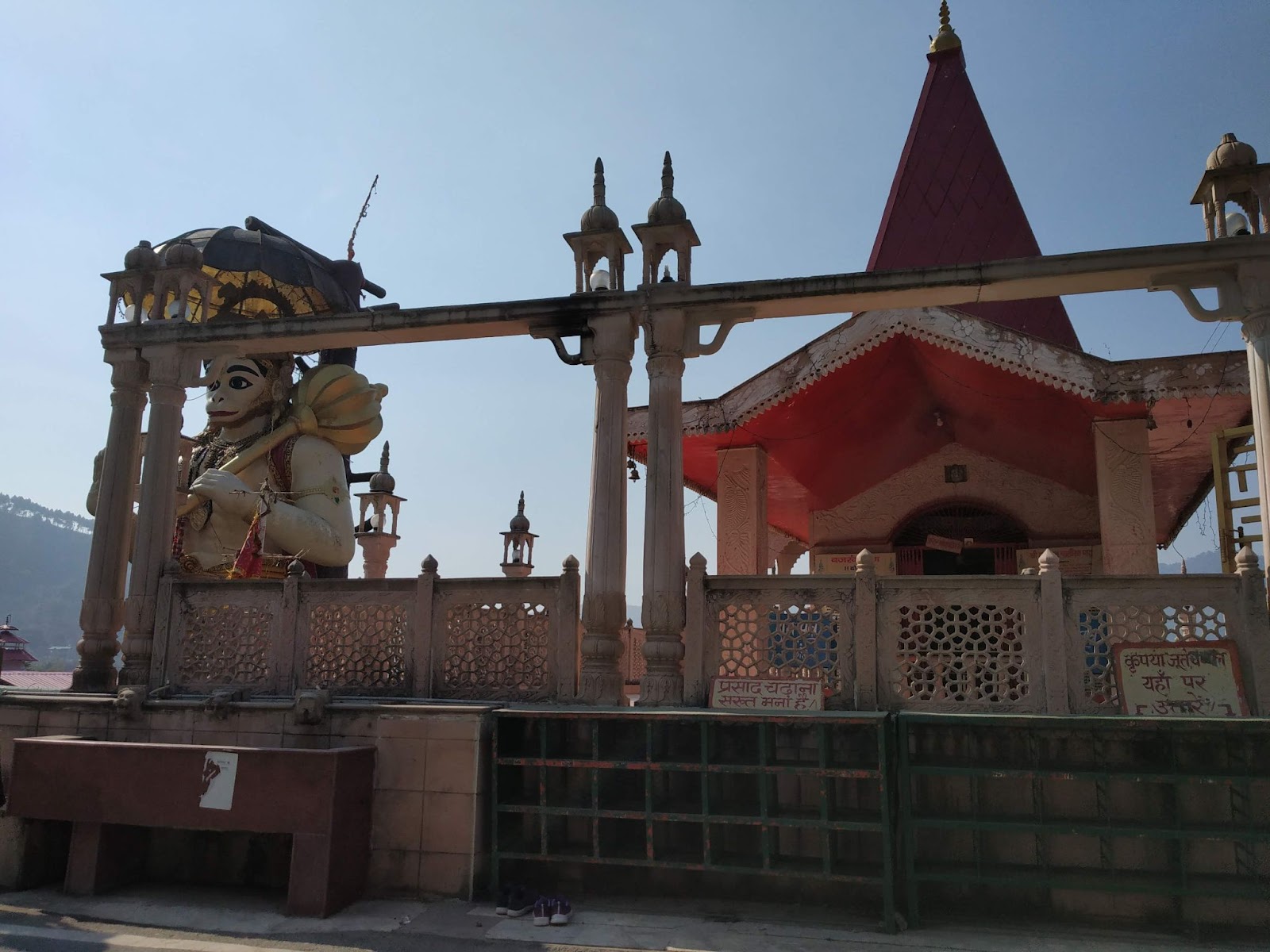
The architecture of Sankat Mochan Temple is simple yet spiritually captivating. Unlike heavily ornamented temples, this temple reflects calmness and devotion through its clean design and tranquil surroundings. The main shrine is dedicated to Lord Hanuman, whose idol attracts devotees from across the country.
Inside the temple complex, visitors can also find idols of Lord Rama, Lord Shiva, and Lord Ganesha, making it a spiritually significant place for followers of different Hindu traditions. A separate shrine dedicated to Neem Karoli Baba has also been built within the complex, where devotees pay homage to the saint and meditate peacefully.
The temple complex is spread across a three-story structure. One of its important features is the spacious langar and prasad hall, where food is served to devotees and visitors. The temple is known for its hospitality and community service, reflecting the spirit of selfless devotion and kindness.
Another unique feature of the complex is the South Indian-style Ganesha temple, which adds cultural diversity and architectural beauty to the site. The blend of North and South Indian religious traditions gives the temple a distinctive spiritual character.
Spiritual Atmosphere and Experience
One of the most memorable aspects of visiting the temple is the sense of peace that surrounds the entire complex. The sound of devotional hymns, the fragrance of incense, and the cool mountain breeze create a deeply calming experience. Many visitors spend time sitting quietly within the temple premises, meditating or simply enjoying the serene environment.
The temple is also home to playful monkeys, often associated with Lord Hanuman. Visitors are usually advised to take care of their belongings while exploring the area. Despite this, the temple remains family-friendly and welcoming to tourists of all ages.
Early mornings and evenings are considered the best times to visit, as the atmosphere becomes especially spiritual during the aarti ceremonies.
Festivals Celebrated at Sankat Mochan Temple
Major Hindu festivals are celebrated with immense devotion and enthusiasm at the temple. Festivals like Ram Navami, Dussehra, and Hanuman Jayanti attract large gatherings of devotees from different parts of Himachal Pradesh and neighboring states.
During Hanuman Jayanti, the temple becomes particularly vibrant with special prayers, bhajans, religious processions, and community feasts. The celebrations create an energetic and devotional atmosphere that leaves a lasting impression on visitors.
Dussehra and Ram Navami are also celebrated with traditional rituals and cultural programs, making these occasions one of the best times to experience the spiritual and festive side of the temple.
How to Reach Sankat Mochan Temple
Sankat Mochan Temple is located around 5 kilometers from the main town of Shimla and is easily accessible by road. Visitors can hire taxis, take local buses, or drive their own vehicles to reach the temple. The road leading to the temple offers scenic views of pine-covered hills and valleys, adding to the overall travel experience.
The nearest railway station is Shimla Railway Station, while the closest airport is Jubbarhatti Airport.
Best Time to Visit
The temple can be visited throughout the year, but the months from March to June and September to November are considered ideal because of the pleasant weather. During winters, the temple occasionally experiences light snowfall, making the surroundings look even more beautiful and peaceful.
Festival periods are especially vibrant for visitors who want to witness religious celebrations and cultural traditions.
Timings
- Winter: 7 am to 6:30 pm.
- Summer: 6:30 am to 8 pm.
Nearby Attractions
Nestled amidst lush deodar forests on the outskirts of Shimla, Sankat Mochan Temple is a peaceful spiritual destination dedicated to Lord Hanuman. Apart from its religious significance, the temple’s location makes it an excellent starting point for exploring several popular attractions in and around Shimla. Visitors can combine a temple visit with sightseeing, nature walks, shopping, and cultural experiences.
1. Indian Institute of Advanced Study
Located in the magnificent former Viceregal Lodge, this historic institution is one of Shimla’s most impressive colonial landmarks. Surrounded by beautifully maintained gardens, the building showcases stunning British architecture and offers guided tours that provide insights into India’s colonial history.
2. Summer Hill
A serene suburb of Shimla, Summer Hill is known for its dense forests, peaceful environment, and scenic walking trails. It is an ideal destination for nature lovers seeking tranquility away from the crowds.
3. Annandale Ground
Surrounded by towering deodar trees, Annandale is a picturesque flat meadow that once served as a playground for British officers. Today, it houses an army heritage museum and offers a glimpse into Shimla’s colonial past.
4. The Ridge
The Ridge is Shimla’s most famous open space and a major tourist attraction. It offers breathtaking views of the surrounding mountains and serves as the cultural center of the city, hosting festivals and public events throughout the year.
5. Christ Church
Standing prominently on The Ridge, Christ Church is one of the oldest churches in North India. Its neo-Gothic architecture, stained-glass windows, and historical importance make it a must-visit attraction.
6. Mall Road
The bustling Mall Road is the heart of Shimla’s social and commercial life. Visitors can enjoy shopping, dining, heritage walks, and stunning views while exploring this iconic promenade.
7. Kali Bari Temple
Dedicated to Goddess Kali, this revered temple attracts both devotees and tourists. The temple’s peaceful setting and panoramic views make it one of the city’s important spiritual landmarks.
8. Jakhoo Temple
Situated atop Jakhoo Hill, the highest point in Shimla, this famous temple dedicated to Lord Hanuman features a towering Hanuman statue and spectacular views of the Himalayan ranges.
9. Himalayan Bird Park
Located near the Viceregal Lodge, this small but fascinating park houses several Himalayan bird species, including the colorful Himalayan Monal, the state bird of Himachal Pradesh.
10. Tara Devi Temple
Perched on a hilltop overlooking the valleys below, Tara Devi Temple is a popular pilgrimage site known for its serene atmosphere and breathtaking views of the surrounding mountains.
Map and Location
Location: 5.5 km from Shimla Railway Station, 6.4 km from Shimla Old Bus Stand, Himachal Pradesh
FAQs
1. What is Sankat Mochan Temple famous for?
The temple is famous for its dedication to Lord Hanuman, its peaceful atmosphere, and its association with Neem Karoli Baba.
2. Where is Sankat Mochan Temple located?
The temple is located in Shimla, Himachal Pradesh, around 5 kilometers from the city center.
3. Who built Sankat Mochan Temple?
The temple was built by the followers of Neem Karoli Baba and was officially established in 1966.
4. Which festivals are celebrated at the temple?
Major festivals celebrated here include Hanuman Jayanti, Ram Navami, and Dussehra.
5. Is there any entry fee for visiting the temple?
No, there is no entry fee to visit the temple.
6. What is the best time to visit Sankat Mochan Temple?
The best time to visit is between March and June or during the festive season for a more vibrant experience.
7. Is food available at the temple?
Yes, the temple has a langar and prasad hall where food is served to devotees and visitors.
8. How far is Sankat Mochan Temple from Mall Road Shimla?
The temple is located approximately 5 kilometers from Mall Road Shimla.