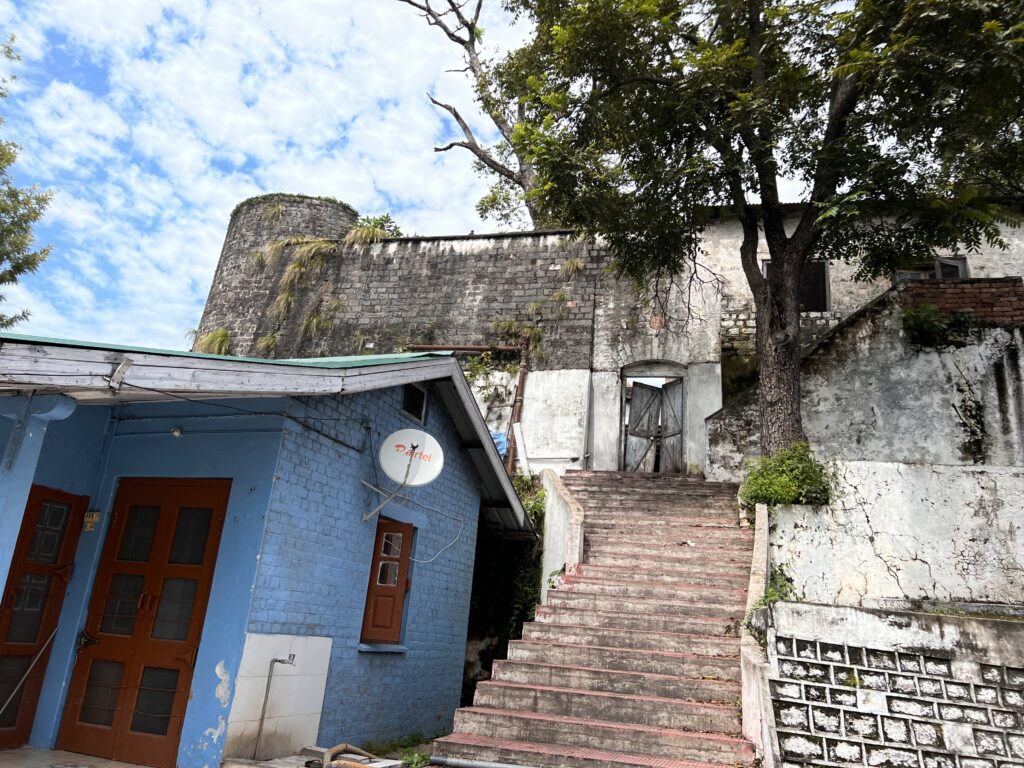
Image Source: Palak Tiwari
About Gurkha Fort, Kasauli
Nestled amidst the peaceful hills near Kasauli, Gurkha Fort stands as a proud reminder of the bravery and resilience of the Gurkha warriors. Surrounded by thick forests and perched at an elevation of nearly 4,500 feet, this historic fort attracts travelers who are interested in history, heritage, and the stories of old Himalayan battles. Located within the cantonment area of Subathu, the fort offers not only historical significance but also scenic views of the surrounding hills and valleys.
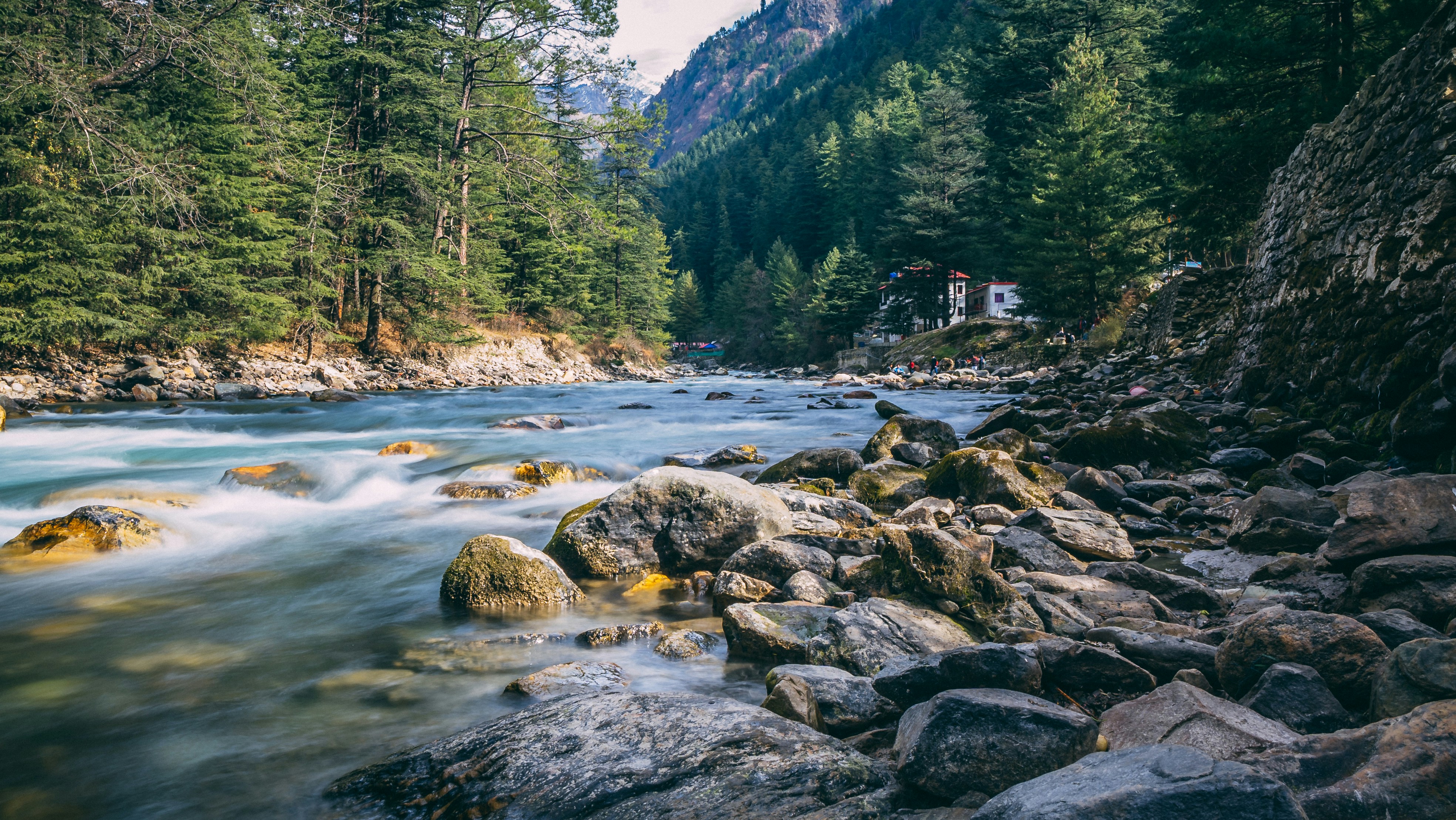
The journey to the fort itself is quite enjoyable. Dense pine and deodar forests line the route, creating a peaceful atmosphere far removed from the noise of city life. The fort is well connected through National Highway 22 from Parwanoo, making it accessible for tourists visiting Kasauli and nearby regions. The calm surroundings and cool mountain air add to the charm of this lesser-known historical destination.
Historical Importance of Gurkha Fort
Gurkha Fort is deeply connected to the Anglo-Gurkha conflicts fought between the Gurkha forces and the British army during the early nineteenth century. The fort was built under the leadership of the legendary Gurkha commander Amar Singh Thapa, who is remembered for his courage and military strategies. Although some accounts mention the construction around 1900 AD, the fort is generally associated with the period of the Anglo-Gurkha War that took place between 1814 and 1816.
The fort served as a defensive stronghold for the Gurkhas during their resistance against British expansion in the Himalayan region. Even today, the structure reflects the determination and fighting spirit of the Gurkha soldiers who defended the hills with remarkable bravery. For history lovers, visiting the fort feels like stepping back into a significant chapter of colonial-era India.
Architecture and Surroundings
Though parts of the fort now lie in ruins, its old stone walls and strategic hilltop location still reveal the military importance it once held. The fort was constructed in a way that allowed soldiers to monitor enemy movements from a distance while taking advantage of the natural terrain for protection.
The surrounding landscape is equally captivating. Thick greenery, narrow hill paths, and panoramic views of the Shivalik ranges create a peaceful environment that appeals to both photographers and nature enthusiasts. During misty mornings, the fort and surrounding forests take on an almost mystical appearance.
Gurkha Museum and Historic Cannon
One of the major highlights inside the fort premises is the old cannon, believed to be more than 180 years old. This cannon is considered an important relic from the period of Gurkha resistance and remains a point of fascination for visitors.
The small Gurkha museum within the fort complex showcases sculptures, artifacts, and displays dedicated to the courage and sacrifice of Gurkha warriors. These exhibits help visitors understand the military traditions, lifestyle, and heroism of the Gurkha community. The museum adds depth to the experience, especially for those interested in Indian military history.
Why Visit Gurkha Fort?
Gurkha Fort is more than just an old structure hidden in the hills. It is a place where history, nature, and culture come together. Travelers looking for offbeat destinations near Kasauli often find the fort refreshing because of its peaceful atmosphere and historical significance. Unlike crowded tourist spots, the fort offers a quieter and more reflective experience.
Whether you are a history enthusiast, a photographer, a trekker, or someone seeking a calm escape in the hills, Gurkha Fort provides a memorable experience. The scenic surroundings combined with stories of valor make it one of the hidden heritage gems of Himachal Pradesh.
Best Time to Visit
The ideal time to visit Gurkha Fort is between March and June or from September to November. During these months, the weather remains pleasant and suitable for sightseeing. Monsoon months bring lush greenery to the region, but the paths may become slippery due to rainfall.
Winter visits can also be enjoyable for travelers who love cold mountain weather and mist-covered landscapes.
How to Reach Gurkha Fort
- By Road: Gurkha Fort is easily accessible from Kasauli and Parwanoo via National Highway 22.
- By Rail: The nearest major railway station is Kalka Railway Station.
- By Air: The closest airport is Chandigarh Airport, located around 70 kilometers away.
From Subathu, visitors may need to take local transport or walk a short distance to reach the fort.
Nearby Attractions to Gurkha Fort, Kasauli
Gurkha Fort is one of the most significant historical landmarks near Kasauli, offering visitors a glimpse into the region’s military past. Located in Subathu, about 15 kilometers from Kasauli, the fort is associated with the Anglo-Gorkha War and attracts history enthusiasts as well as nature lovers. If you’re planning a visit to Gurkha Fort, there are several interesting attractions nearby that can be included in your itinerary.
Gilbert Trail
Located in Kasauli, Gilbert Trail is a scenic walking path surrounded by pine, oak, and deodar forests. The trail offers stunning views of the surrounding hills and valleys, making it a favorite spot for nature lovers, birdwatchers, and photographers. The peaceful atmosphere and fresh mountain air make it an ideal place for a leisurely walk.
Sunset Point
One of the most popular attractions in Kasauli, Sunset Point offers breathtaking views of the sun setting behind the Shivalik Hills. The viewpoint is especially beautiful during clear evenings when the sky transforms into shades of orange, pink, and gold. It is a must-visit destination for couples, families, and photography enthusiasts.
Manki Point
Manki Point is the highest point in Kasauli and offers panoramic views of the surrounding mountains and plains. The site is home to a revered Hanuman Temple and holds religious significance. On clear days, visitors can even catch distant views of Chandigarh and nearby areas.
Christ Church
Built in 1853, Christ Church is one of the oldest churches in Himachal Pradesh. Known for its neo-Gothic architecture, stained-glass windows, and peaceful surroundings, the church reflects the colonial heritage of Kasauli and remains a major attraction for tourists.
Subathu Cantonment
Located near Gurkha Fort, Subathu Cantonment is a historic military town established during the British era. The cantonment area features old colonial buildings, quiet roads, and scenic landscapes that provide visitors with a glimpse into the region’s rich history.
Dagshai
Around 20 kilometers from Kasauli, Dagshai is a charming hill station known for its colonial-era architecture and historical significance. Visitors can explore the historic Dagshai Jail Museum, old churches, and picturesque viewpoints overlooking the surrounding valleys.
Timber Trail
Situated near Parwanoo, Timber Trail is famous for its cable car ride that offers spectacular views of the Shivalik Hills and dense forests. Adventure seekers and families often visit the area for a memorable aerial experience and scenic mountain views.
Kali Tibba Temple
Located near Choor Chandni Peak, Kali Tibba Temple is a peaceful shrine dedicated to Goddess Kali. The temple offers panoramic views of the surrounding Himalayan landscapes and is an excellent destination for those seeking tranquility and spiritual experiences.
Chail
Approximately 35 kilometers from Kasauli, Chail is a beautiful hill station known for its royal heritage, dense forests, and serene environment. Popular attractions include Chail Palace, Chail Cricket Ground, and Chail Wildlife Sanctuary.
Barog
Barog is a picturesque hill station situated on the Kalka-Shimla route. Known for its famous railway tunnel, scenic beauty, and pleasant climate, Barog is a great place to relax and enjoy the charm of the Himalayas.
Map and Location
Location: 46 km from Shimla, near Kasauli, Solan district, Himachal Pradesh.
Altitude: 4500 ft.
FAQs
1. Where is Gurkha Fort located?
Gurkha Fort is located near Subathu in the Solan district of Himachal Pradesh, close to Kasauli.
2. Who built Gurkha Fort?
The fort is believed to have been built under the leadership of Gurkha commander Amar Singh Thapa during the Anglo-Gurkha conflicts.
3. Why is Gurkha Fort famous?
The fort is famous for its connection to the Gurkha warriors, its historical importance during British-era battles, and its scenic hilltop setting.
4. Is Gurkha Fort suitable for trekking?
Yes, the surrounding terrain and forested trails make it a pleasant destination for light trekking and nature walks.
5. What can visitors see inside the fort?
Visitors can explore the old fort structure, a historic cannon, and a small museum displaying Gurkha-related artifacts and sculptures.
6. What is the best time to visit Gurkha Fort?
Spring and autumn are considered the best seasons due to pleasant weather and clear mountain views.
7. Is Gurkha Fort crowded?
No, Gurkha Fort is relatively less crowded compared to other tourist attractions near Kasauli, making it ideal for peaceful exploration.