Image Source: Rakib Shaikh
About Shweta Varahaswamy Temple
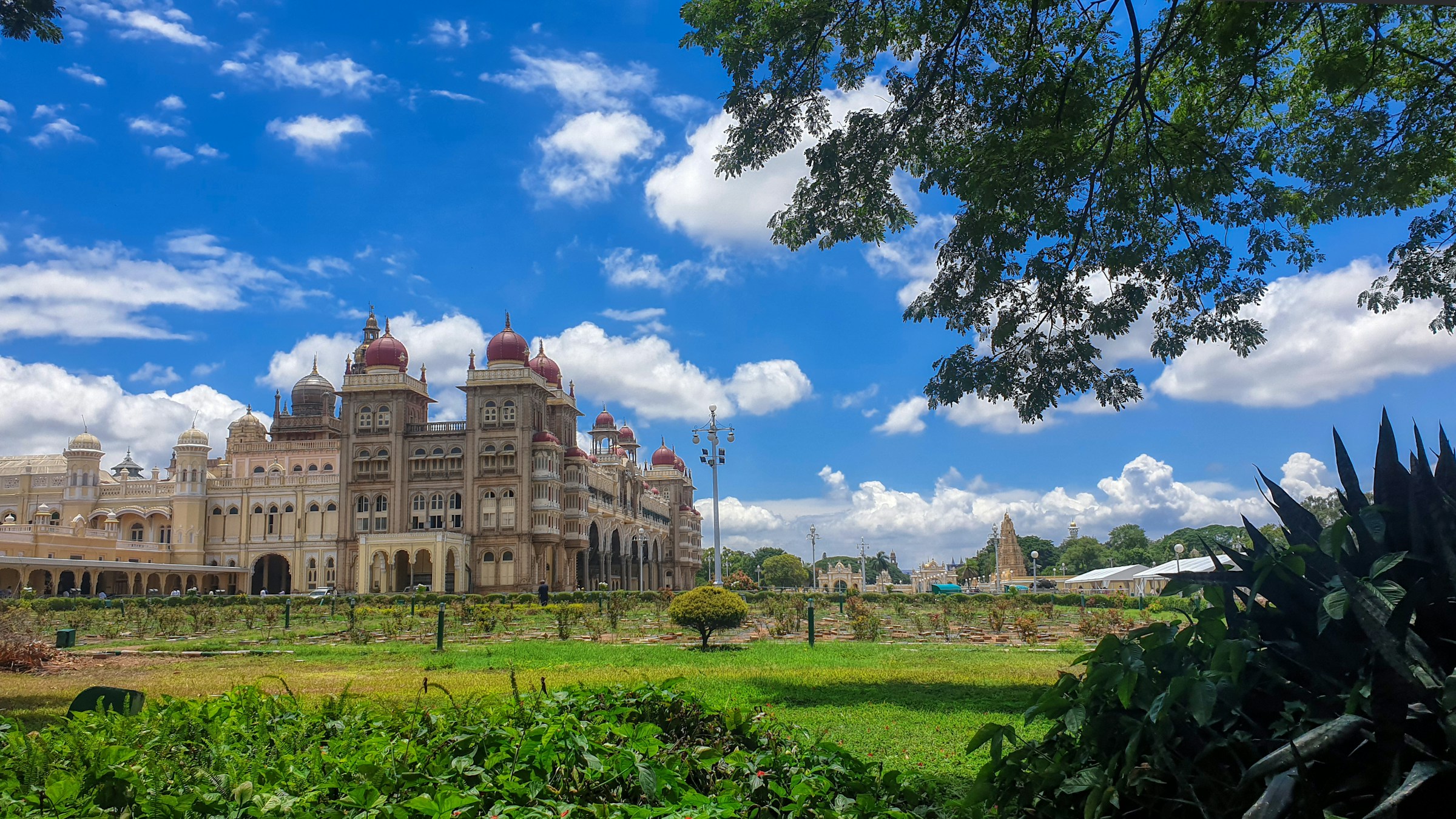
Hidden within the grand premises of the iconic Mysore Palace, the Shweta Varahaswamy Temple is one of Mysuru’s lesser-known yet deeply significant spiritual landmarks. Dedicated to Lord Varaha, the boar incarnation of Lord Vishnu, this ancient temple quietly stands amid the royal surroundings, offering visitors a peaceful contrast to the busy palace complex nearby.
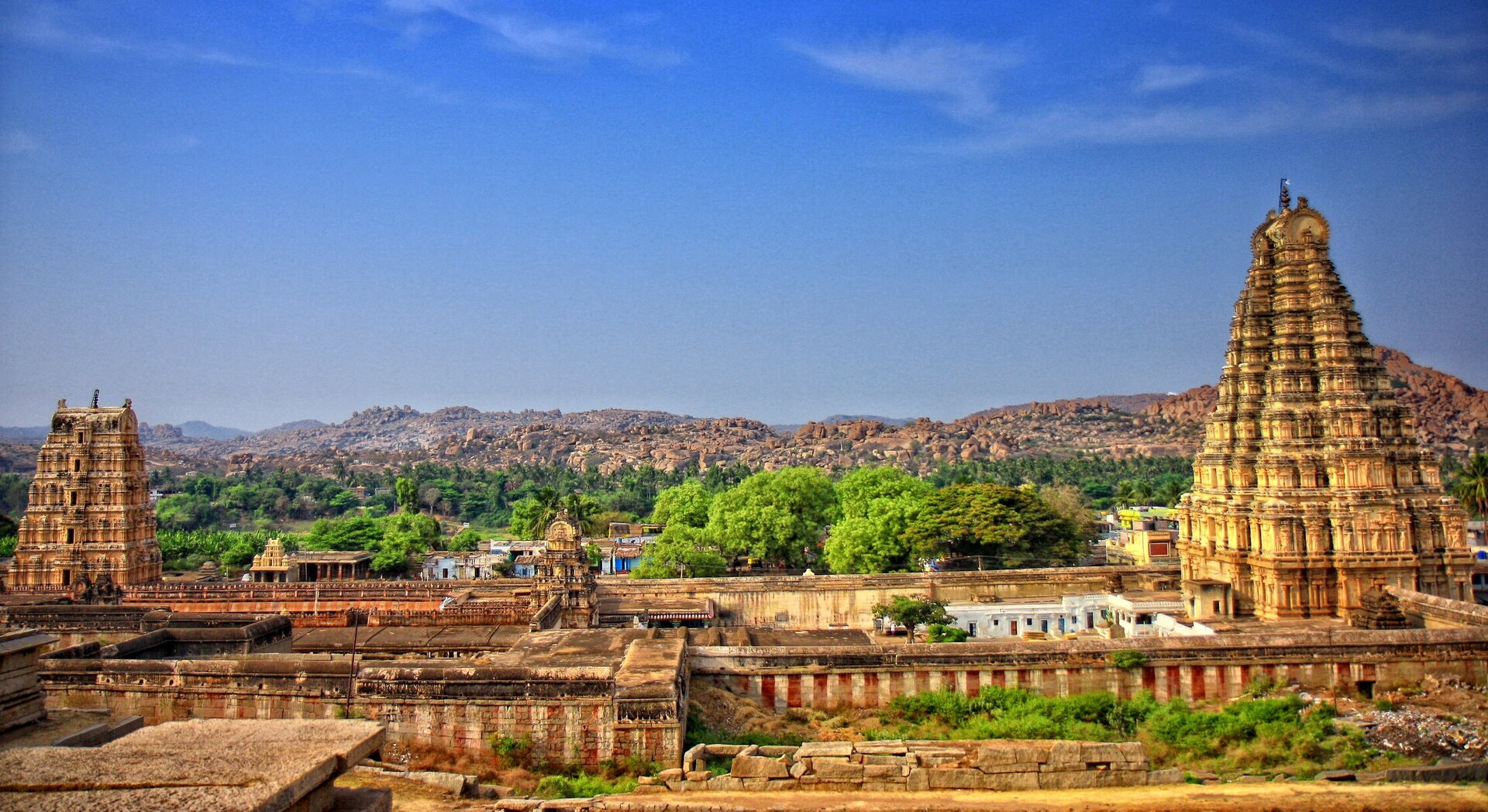
The temple is admired not only for its religious importance but also for its stunning Hoysala-style craftsmanship. Though many tourists visiting Mysore Palace focus mainly on the royal architecture and museums, those who take time to explore the temple often find it to be one of the most serene corners of the palace grounds. The atmosphere is calm, devotional, and filled with the timeless charm of Karnataka’s temple heritage.
Historical Background
The history of the Shweta Varahaswamy Temple is closely tied to the Wodeyar rulers of Mysore. Historical records suggest that the idol of Lord Shweta Varahaswamy was originally worshipped in Srirangapatna. Later, King Chikka Deva Raja Wodeyar brought the deity to Mysore in the early 19th century to strengthen the spiritual importance of the royal capital.
The present structure owes much of its form to Dewan Purnaiah, one of the most respected administrators of the Mysore Kingdom. It is believed that materials from an older Hoysala-era structure in the Shimoga region were reused during the temple’s construction. This blend of royal patronage and Hoysala artistry gives the temple a unique identity that reflects both devotion and architectural preservation.
Architectural Beauty
The temple is a remarkable example of traditional Hoysala craftsmanship. Every doorway, pillar, and tower displays intricate carvings that reveal the extraordinary skill of ancient artisans. The detailing is delicate yet expressive, with floral patterns, mythological motifs, and finely sculpted figures covering various parts of the structure.
One of the most captivating features of the temple is its beautifully decorated walls. The murals and painted panels add life to the stone architecture, especially the depiction of Rama Pattabhishekam on the southern wall. This artwork portrays the coronation of Lord Rama with impressive detail and storytelling depth. Visitors often spend time admiring these scenes, which blend spirituality with artistic excellence.
The temple’s elevated walls and sculpted interiors create a sacred atmosphere that feels both royal and intimate. Unlike many crowded pilgrimage centers, this temple retains a quiet charm, making it ideal for peaceful reflection.
Spiritual Atmosphere and Local Experience
Locals in Mysuru consider the temple highly auspicious, especially during Vaishnavite festivals and special pujas dedicated to Lord Vishnu. During festivals like Vaikuntha Ekadashi and Dasara, the temple becomes more vibrant as devotees visit the palace complex to seek blessings.
Because the temple lies inside the Mysore Palace grounds, many visitors combine their temple visit with a heritage walk around the palace area. Early mornings and evenings are particularly pleasant, as the atmosphere remains cooler and less crowded. The surrounding palace gardens, traditional architecture, and occasional sound of temple bells create a memorable cultural experience.
Nearby markets around the palace also offer Mysore silk sarees, sandalwood handicrafts, incense, and traditional sweets like Mysore Pak, allowing travelers to experience both the spiritual and cultural essence of the city.
Best Time to Visit
The ideal time to visit the Shweta Varahaswamy Temple is between October and February, when Mysuru experiences pleasant weather. The Dasara festival season is especially beautiful because the entire palace area is illuminated and decorated grandly. However, visitors seeking a quieter spiritual experience may prefer regular weekdays during the morning hours.
How to Reach
The temple is located within the Mysore Palace complex in the heart of Mysuru.
- Mysore Railway Station is around 2 km away from the palace.
- Mysore Airport is approximately 12 km from the city center.
- Local auto-rickshaws, taxis, and city buses easily connect the palace area with all major parts of Mysuru.
- Visitors can conveniently explore nearby attractions such as Chamundi Hills, St. Philomena’s Cathedral, and Devaraja Market on the same trip.
Nearby Attractions
Mysore Palace
Located within the same palace complex, Mysore Palace is one of India’s most magnificent royal residences. Its grand architecture, intricately decorated halls, and illuminated evening view make it a must-visit attraction.
Residential Museum
Situated inside the palace premises, the Residential Museum showcases the personal belongings, royal artifacts, photographs, and memorabilia of the Wodeyar dynasty, offering insight into the lives of Mysore’s former rulers.
Jaganmohan Palace Art Gallery
Just a short drive away, this historic palace houses an extensive collection of traditional and modern artworks, including famous paintings by Raja Ravi Varma.
Devaraja Market
One of Mysuru’s oldest and busiest markets, Devaraja Market is known for its colorful flower stalls, fresh produce, spices, incense, and traditional handicrafts.
St. Philomena’s Cathedral
A stunning Neo-Gothic church and one of the tallest cathedrals in Asia, renowned for its towering spires and beautiful stained-glass windows.
Chamundi Hill
Overlooking Mysuru city, Chamundi Hill is home to the revered Chamundeshwari Temple and the giant Nandi statue. It also offers panoramic views of the city.
Mysore Zoo
Officially known as Sri Chamarajendra Zoological Gardens, this well-maintained zoo is among the oldest in India and houses a diverse range of wildlife.
Karanji Lake
A peaceful nature destination featuring a butterfly park, aviary, boating facilities, and scenic walking paths.
Map and Location
Located just 3 km from Mysore Railway Station and 2 km from KSRTC Bus Station, it is easily accessible for both tourists and locals, offering a cultural and spiritual experience within the heart of Mysore.
FAQs
1. Where is Shweta Varahaswamy Temple located?
The temple is situated inside the Mysore Palace premises in Mysuru, Karnataka.
2. Which deity is worshipped in the temple?
The temple is dedicated to Lord Varaha, the boar incarnation of Lord Vishnu.
3. What is special about the temple architecture?
The temple showcases beautiful Hoysala-style carvings, sculpted pillars, ornate doorways, and traditional murals depicting scenes from Hindu epics.
4. Can tourists visit the temple while exploring Mysore Palace?
Yes, visitors exploring Mysore Palace can also visit the temple as part of the palace complex experience.
5. When is the best time to visit the temple?
The winter season from October to February is ideal, especially during the Mysore Dasara celebrations when the palace surroundings become exceptionally vibrant.