Image Source: Ravi Kumar Boyapati
About Lakshmiramana Swamy Temple
Nestled within the historic surroundings of Mysore’s royal quarter, Lakshmiramana Swamy Temple is one of the city’s oldest and most revered Hindu temples. Dedicated to Lord Vishnu in his form as Lakshmiramana, the temple beautifully reflects Mysore’s rich spiritual traditions and royal heritage. Its serene atmosphere, intricate architecture, and centuries-old history make it a significant destination for devotees, history enthusiasts, and cultural travelers alike.
Located close to the magnificent Mysore Palace, the temple has been an important place of worship for generations. Historical inscriptions found within the temple indicate that it dates back to the Vijayanagara period. One notable inscription mentions a grant made in 1499 during the reign of the Vijayanagara ruler Narasa Nayaka, highlighting the temple’s longstanding religious and historical importance.
The sanctum sanctorum houses a striking four-foot-tall idol of Lord Lakshmiramana, a form of Lord Vishnu. The beautifully carved deity creates a deeply spiritual atmosphere that draws devotees seeking blessings and peace. Despite being situated in the heart of a bustling city, the temple retains a calm and sacred ambiance that offers visitors a welcome escape from everyday life.
Legends and Mythological Stories
Like many ancient temples in Karnataka, Lakshmiramana Swamy Temple is associated with several fascinating legends that have been passed down through generations.
One popular story speaks of a conspiracy involving poisoned holy water intended to harm devotees. According to local belief, the divine grace of Lord Vishnu intervened and prevented the tragedy, reinforcing the faith of worshippers in the Lord’s protective powers.
Another well-known tale dates back to around 1599 and concerns a Brahmin who was suffering from partial blindness. It is believed that through the blessings of Lord Lakshmiramana and the support of Raja Wodeyar, the devotee regained his sight. In remembrance of this miraculous event, a statue of the Maharaja standing with folded hands was installed within the temple premises, where it can still be seen today.
Architecture and Restoration
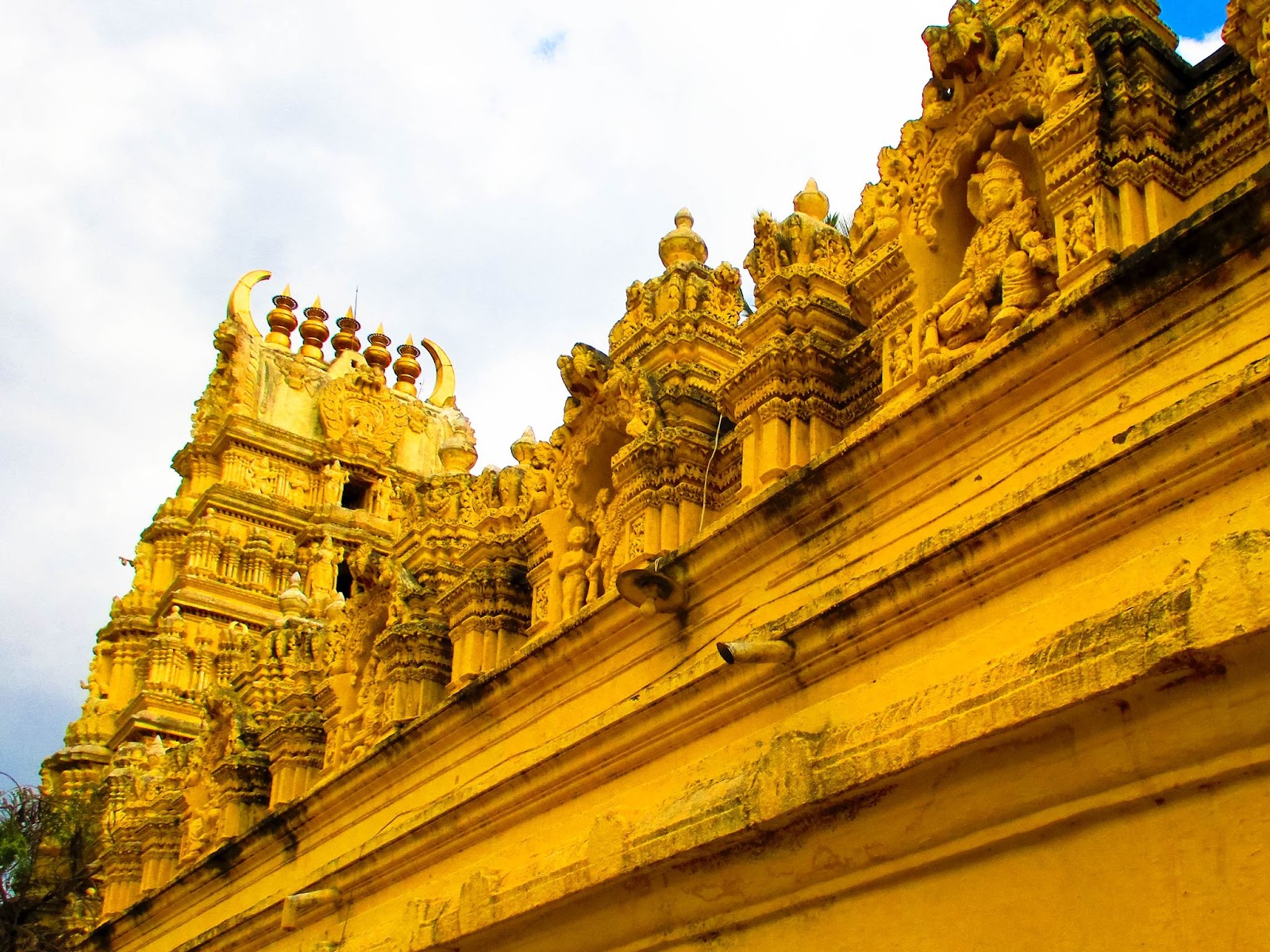
The temple showcases traditional South Indian temple architecture, featuring beautifully sculpted pillars, intricate carvings, and a graceful sanctum. Over the centuries, it has undergone careful preservation to maintain its historical character.
A major restoration was carried out in 1851 to strengthen the structure and preserve its artistic beauty. Thanks to these efforts, visitors today can still admire the temple’s timeless architecture and experience its spiritual atmosphere much as devotees did centuries ago.
Religious Significance
Lakshmiramana Swamy Temple remains an active center of worship in Mysore. Special prayers and celebrations are held during important Vaishnavite festivals, including Vaikuntha Ekadashi, Sri Rama Navami, Krishna Janmashtami, and other major Hindu occasions. During festival days, the temple comes alive with devotional chants, rituals, and gatherings of devotees from across the region.
Best Time to Visit
The temple can be visited throughout the year. Early mornings and evenings are particularly pleasant for worship and sightseeing. Visitors planning a trip during the Dasara festival season can witness Mysore at its cultural best, although the temple and surrounding areas tend to be busier during this period.
How to Reach Lakshmiramana Swamy Temple
By Air
The nearest airport is Mysore Airport, located about 12 km from the temple. Travelers can hire taxis or use local transport to reach the temple. For better connectivity, many visitors also arrive via Bengaluru’s Kempegowda International Airport, approximately 170 km away.
By Train
Mysuru Junction Railway Station is situated around 3 km from the temple. Auto-rickshaws, taxis, and city buses are readily available from the station.
By Road
Mysore is well connected by highways to Bengaluru, Hassan, Madikeri, Ooty, and other major cities in South India. Local buses, taxis, and auto-rickshaws provide convenient access to the temple from anywhere within the city.
Local Transportation
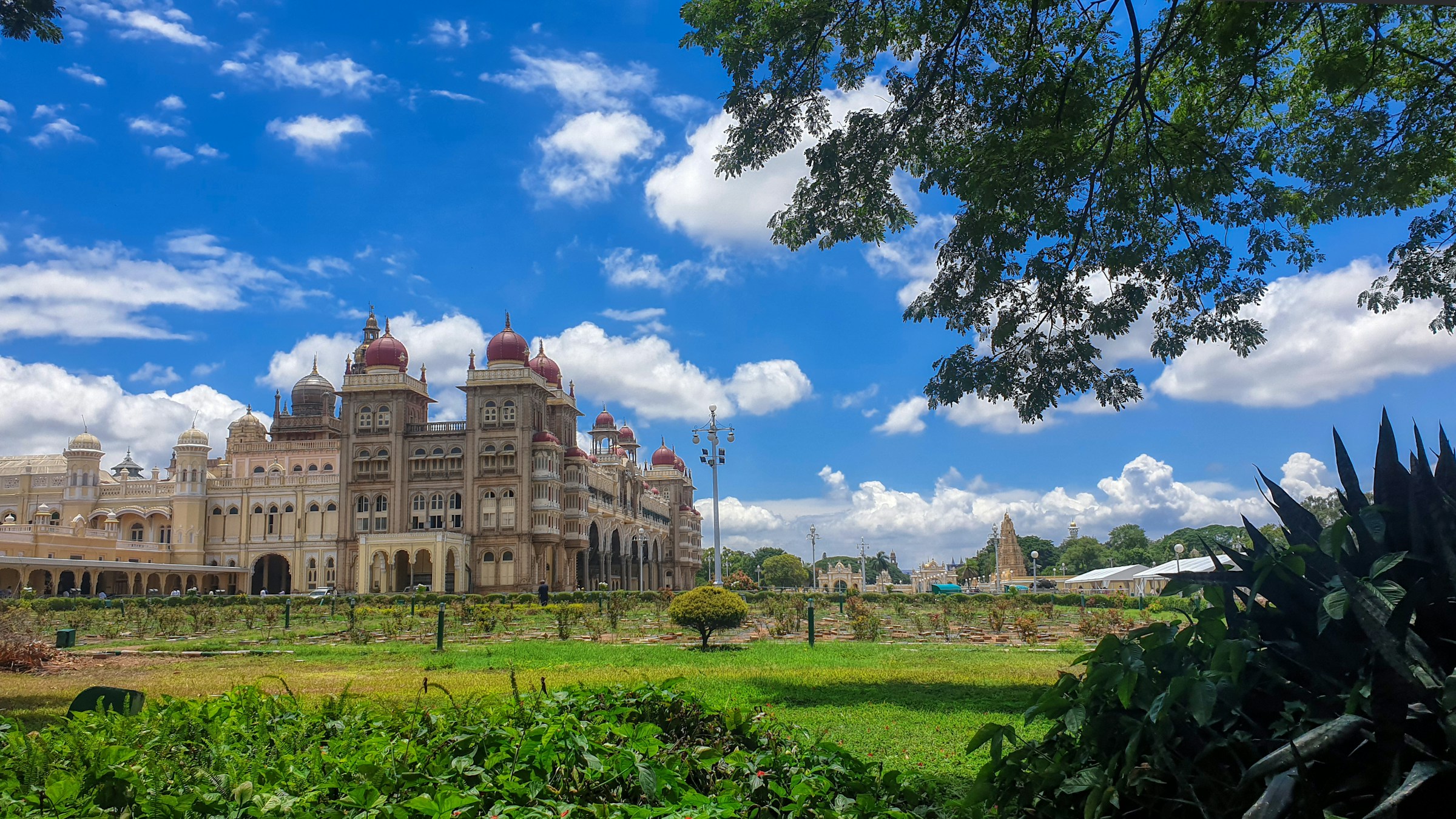
Since the temple is located near Mysore Palace, visitors can easily combine their temple visit with a walking tour of the surrounding heritage attractions.
Nearby Attractions
Mysore Palace
One of India’s most iconic royal residences, Mysore Palace is renowned for its grand architecture, royal artifacts, and spectacular evening illumination.
Jaganmohan Palace
A historic palace converted into an art gallery featuring paintings, royal memorabilia, and works by celebrated artists.
St. Philomena’s Cathedral
One of the largest churches in India, famous for its Neo-Gothic architecture and stunning stained-glass windows.
Devaraja Market
A vibrant traditional market where visitors can experience local culture, shop for spices, flowers, silk products, and Mysore specialties.
Chamundi Hills
A sacred hill overlooking the city, home to the famous Chamundeshwari Temple and offering panoramic views of Mysore.
Karanji Lake
A peaceful nature spot ideal for birdwatching, boating, and leisurely walks amidst greenery.
Maps
FAQs
1. Where is Lakshmiramana Swamy Temple located?
The temple is located near Mysore Palace in the historic heart of Mysore, Karnataka.
2. Which deity is worshipped in the temple?
The temple is dedicated to Lord Vishnu in the form of Lakshmiramana.
3. How old is Lakshmiramana Swamy Temple?
The temple dates back to the Vijayanagara era, with inscriptions indicating its existence as early as 1499.
4. What is the significance of the temple?
It is one of Mysore’s oldest temples and holds great religious, historical, and cultural importance.
5. What are the temple’s main festivals?
Vaikuntha Ekadashi, Sri Rama Navami, Krishna Janmashtami, and other Vaishnavite festivals are celebrated with great devotion.
6. Is there an entry fee to visit the temple?
No, entry to the temple is generally free for devotees and visitors.
7. What is the best time to visit?
Early mornings and evenings are ideal for a peaceful visit. The Dasara season also offers a unique cultural experience.
8. Can visitors combine the temple visit with Mysore Palace?
Yes, the temple is located very close to Mysore Palace and can easily be visited during the same trip.
9. Is photography allowed inside the temple?
Photography policies may vary, and visitors should check with temple authorities before taking photographs inside the premises.
10. How much time is needed to explore the temple?
Most visitors spend about 30 minutes to an hour exploring the temple and participating in worship.