Image Source: Gamit Pankaj
About Udaipur City Palace
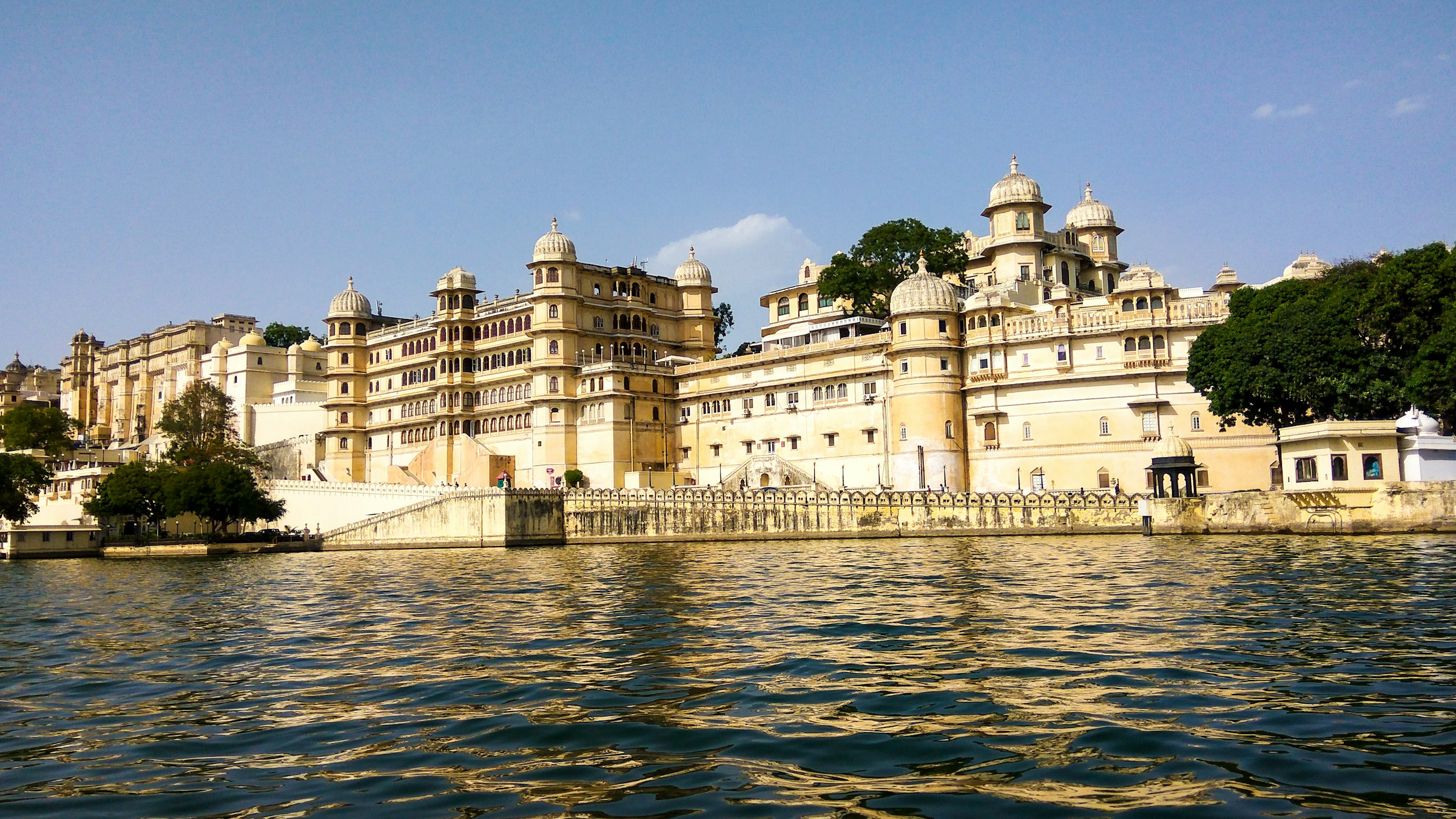
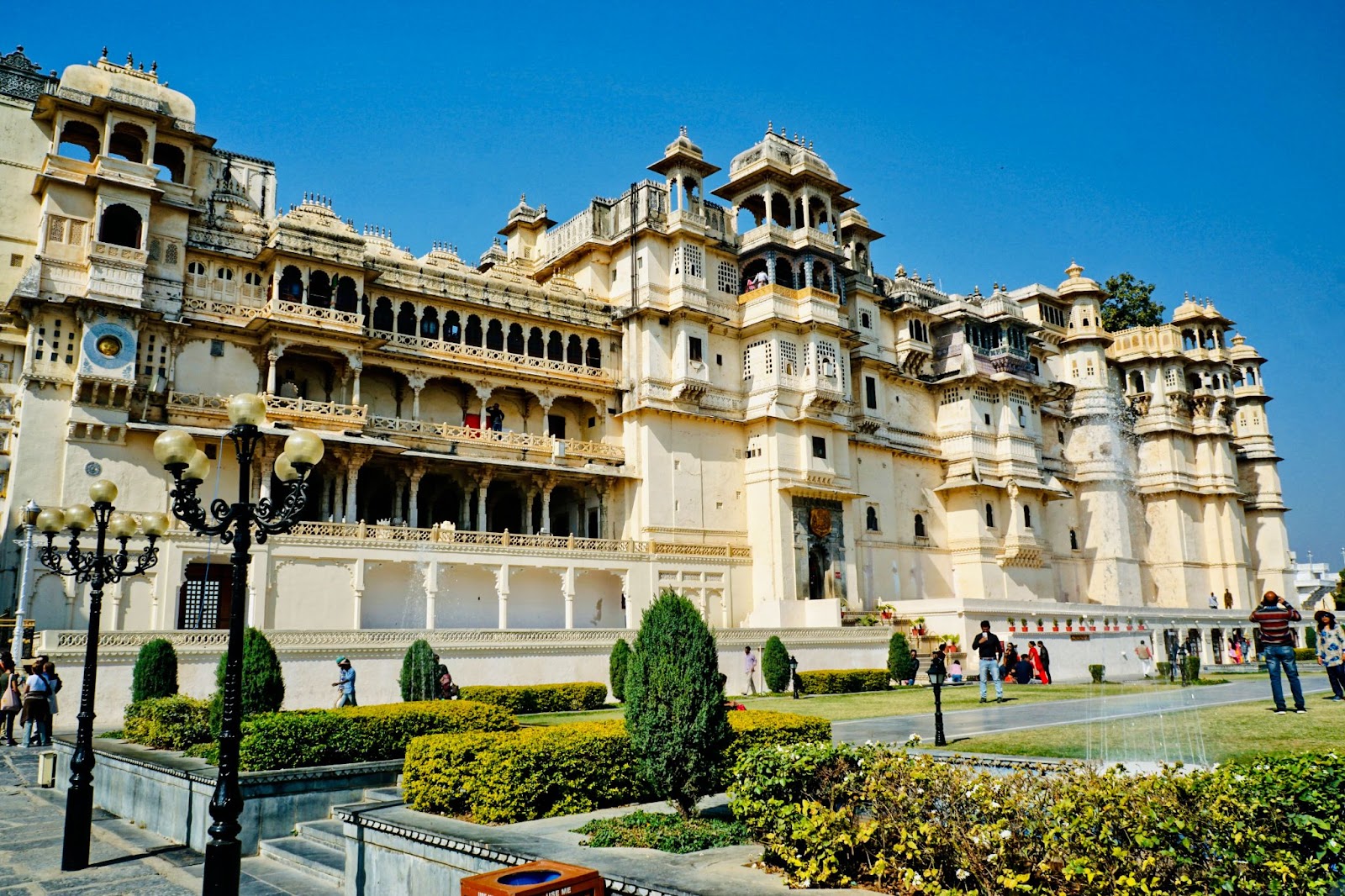
Standing gracefully on the eastern banks of Lake Pichola, the magnificent Udaipur City Palace is one of Rajasthan’s most iconic royal landmarks. Located around 3 km from Udaipur City Railway Station, this grand palace complex beautifully reflects the royal heritage, artistic brilliance, and architectural splendor of the Mewar kingdom. With a history spanning over four centuries, the City Palace is not just a monument but a living symbol of Rajasthan’s regal past.
As you walk through its massive gates, marble corridors, balconies, and beautifully decorated courtyards, you can truly feel the grandeur of the Rajput era. Overlooking the calm waters of Lake Pichola, the palace offers stunning views of Jag Mandir, the old city, and the surrounding Aravalli Hills, making it one of the most visited attractions in Udaipur.
History of Udaipur City Palace
The foundation of the City Palace was laid in 1559 AD by Maharana Udai Singh II, the ruler of the Mewar dynasty and the founder of Udaipur city. After repeated attacks on Chittorgarh Fort, the Maharana decided to shift his capital to a safer location surrounded by hills and lakes. This decision led to the birth of Udaipur, often called the “Venice of the East.”
What started as a royal residence gradually expanded over the next 400 years. Successive Maharanas added new palaces, courtyards, balconies, and gardens to the complex, creating a remarkable blend of Rajput, Mughal, medieval European, and even Chinese architectural influences. Despite being built over several centuries by different rulers, the palace maintains a surprisingly harmonious design.
Built at an elevation of nearly 598 meters above sea level, the palace was constructed mainly using granite and marble. Its towering domes, decorative arches, intricately carved balconies, and sprawling terraces continue to amaze visitors from around the world.
The Grand Architecture of the Palace
One of the most fascinating aspects of the City Palace is its architectural complexity. The entrance to the palace is through a series of impressive gates known as “Pols.” Among them, the Bara Pol or Great Gate is particularly striking with its grand triple-arched design. From here, visitors move toward the Tripolia Gate, famous for its eight marble arches known as Toranas. Historically, the Maharanas used these arches during ceremonial rituals where they weighed themselves in gold and silver, which was later distributed among the poor.
Another important entrance is the Hathi Pol or Elephant Gate, named after the traditional elephant processions that once passed through it.
The palace complex itself consists of eleven interconnected palaces built by different rulers of the Mewar dynasty. Each palace has its own unique character, artistic details, and historical significance.
Inside the Royal Palaces
One of the oldest sections of the complex is Raj Angan, built by Maharana Udai Singh himself in the 16th century. This area is believed to be the spot where the Maharana first lived after founding Udaipur.
The Manak Mahal, also known as the Ruby Palace, is admired for its collection of crystal pieces, porcelain artifacts, and mirror work. Krishna Vilas is another beautiful chamber that showcases miniature paintings depicting royal celebrations, festivals, and processions of the Maharanas.
Bhim Vilas is especially loved by art enthusiasts because of its delicate miniature paintings illustrating stories from the life of Radha and Krishna. The paintings here provide a glimpse into the artistic traditions of the Mewar school of painting.
Among the most stunning sections of the palace is the famous Sheesh Mahal or Palace of Mirrors. Decorated with intricate mirror work and shimmering interiors, this palace reflects light beautifully and creates a magical atmosphere.
Moti Mahal, also known as the Pearl Palace, impresses visitors with its elegant interiors and royal ambiance. The walls of Dilkhush Mahal, often called the Palace of Joy, are adorned with colorful murals and detailed wall paintings that still retain their charm.
Perched on a natural rock formation nearly 90 feet high, Bada Mahal is another fascinating part of the complex. It resembles a garden palace and features lush greenery, fountains, and beautiful views of the city.
The Chini Chitrashala is decorated with Chinese and Dutch ornamental tiles, while Laxmi Vilas Chowk displays an exquisite collection of Mewar paintings. Mor Chowk, one of the most photographed sections of the palace, is famous for its stunning glass mosaics of peacocks representing the seasons of summer, winter, and monsoon.
Museum and Royal Collections
Part of the City Palace complex was converted into a museum in 1974, allowing visitors to explore the royal lifestyle of the Maharanas. The museum houses decorative furniture, royal costumes, ancient weapons, paintings, utensils, palanquins, and rare artifacts from the Mewar dynasty.
The collection gives visitors a deeper understanding of Rajasthan’s royal culture, traditions, and craftsmanship. History lovers often spend hours exploring the museum galleries because of the rich detail preserved in every exhibit.
Jagdish Temple Near the Palace
Close to the City Palace complex stands the famous Jagdish Temple, one of the most important Hindu temples in Udaipur. Dedicated to Lord Vishnu, the temple is known for its intricate carvings, beautifully sculpted pillars, and spiritual atmosphere.
Many visitors combine their City Palace tour with a visit to Jagdish Temple since both attractions are located within walking distance of each other in the heart of the old city.
Amar Vilas – The Highest Point of the Palace
Amar Vilas is considered the highest and perhaps one of the most picturesque points within the City Palace complex. This beautiful hanging garden features marble fountains, terraces, and elegant pavilions.
From here, visitors can enjoy breathtaking panoramic views of Lake Pichola, Jag Mandir, the surrounding hills, and the old city of Udaipur. Sunset views from Amar Vilas are especially memorable, as the golden light reflects beautifully off the lake and palace walls.
Local Experience Around the Palace
Exploring the City Palace is not just about history; it is also about experiencing the vibrant culture of Udaipur. The narrow streets surrounding the palace are filled with traditional Rajasthani shops selling miniature paintings, handmade jewelry, leather goods, and colorful textiles.
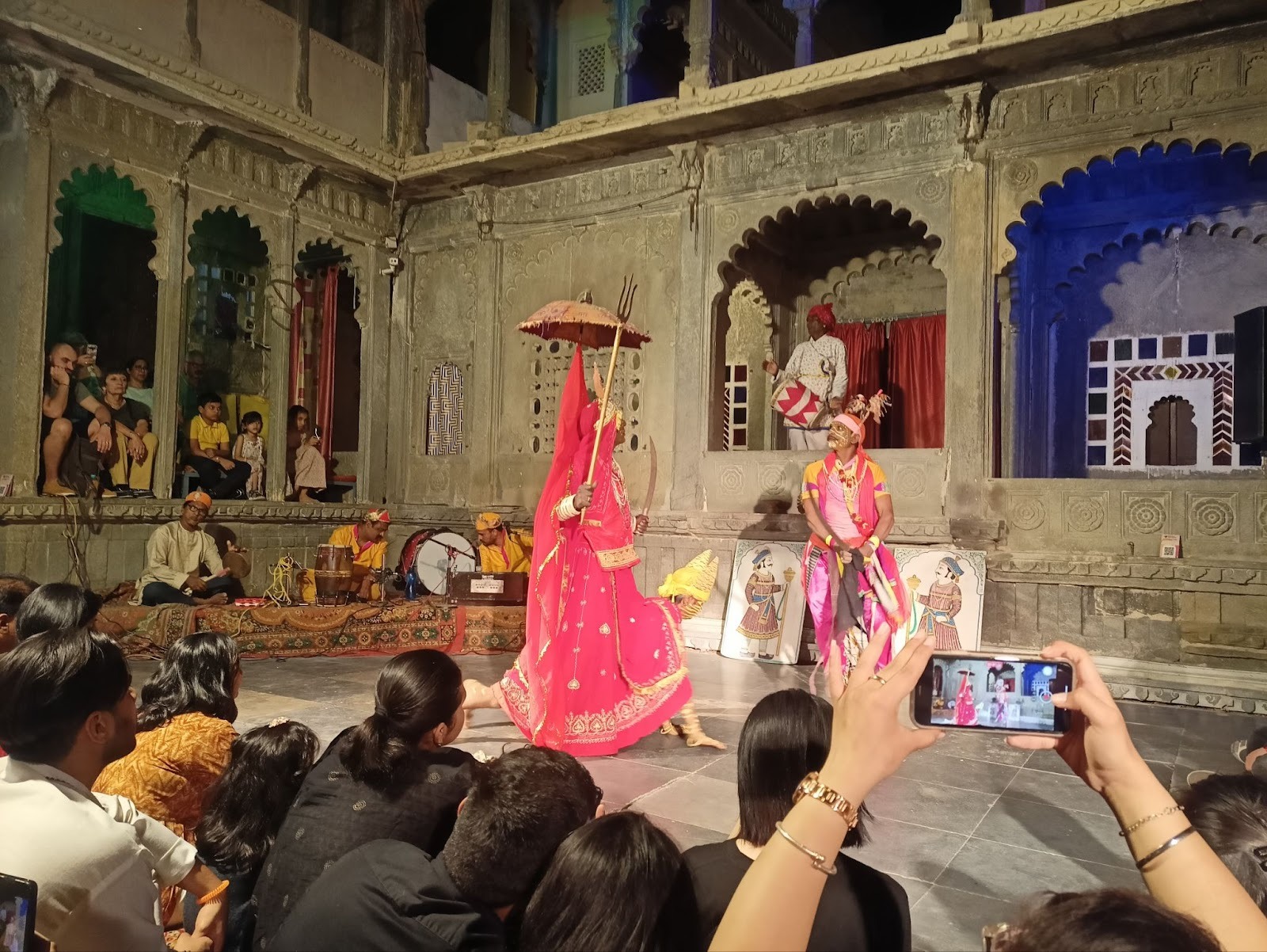
Nearby cafes overlooking Lake Pichola offer authentic Rajasthani dishes like dal baati churma, gatte ki sabzi, and ker sangri. Evening cultural performances featuring folk dances and puppet shows are also organized in and around the old city area, adding to the royal charm of the experience.
Boat rides on Lake Pichola are another highlight. From the water, the City Palace appears even more majestic, especially when illuminated at night.
Best Time to Visit
The ideal time to visit Udaipur City Palace is between October and March when the weather remains pleasant for sightseeing. Early mornings and late afternoons are perfect for exploring the palace comfortably and enjoying beautiful photography.
Summers in Udaipur can be quite hot, so carrying water and wearing light clothing is recommended if visiting during warmer months.
Travel Tips for Visitors
The City Palace complex is quite large, so visitors should keep at least 2–3 hours aside for a proper exploration. Hiring a knowledgeable local guide or using an audio guide can make the experience far more interesting, as many hidden stories, royal legends, and historical details are easy to miss otherwise.
Comfortable footwear is recommended since the palace involves a fair amount of walking through courtyards, stairways, and galleries.
How to Reach Udaipur City Palace
Located on the eastern banks of Lake Pichola in the heart of Udaipur’s Old City, the City Palace is one of Rajasthan’s most iconic landmarks. The palace is easily accessible by air, rail, and road and is situated close to several major tourist attractions.
By Air
The nearest airport is Maharana Pratap Airport, located about 22 km from the City Palace. Taxis and app-based cabs are readily available outside the airport, and the journey generally takes 40–45 minutes depending on traffic.
By Train
Udaipur City Railway Station is approximately 3 km from the palace. Auto-rickshaws, taxis, and local transport options can take you to the palace within 10–15 minutes.
By Road
Udaipur is well connected to major cities such as Jaipur, Jodhpur, Ahmedabad, and Delhi through national highways. Visitors can hire taxis, use local autos, or walk if staying in the Old City area. Since some of the lanes around the palace are narrow and vehicle access may be restricted during busy hours, walking the final stretch is often the easiest option.
Nearby Attractions of Udaipur City Palace
1. Lake Pichola
Located beside the City Palace, Lake Pichola is the most famous lake in Udaipur. Visitors can enjoy boat rides that offer spectacular views of the City Palace, Jag Mandir, and the Lake Palace. Sunset cruises are particularly popular.
2. Jagdish Temple
Just a short walk from the palace, this 17th-century Hindu temple is dedicated to Lord Vishnu. The temple is renowned for its beautifully carved pillars, ornate architecture, and spiritual atmosphere.
3. Bagore Ki Haveli
Situated near Gangaur Ghat, this historic haveli houses a museum showcasing royal artifacts, traditional costumes, and cultural exhibits. The evening Dharohar folk dance performance is a major attraction.
4. Gangaur Ghat
One of the most picturesque ghats on Lake Pichola, Gangaur Ghat offers stunning views of the lake and surrounding palaces. It is an excellent spot for photography and enjoying the city’s heritage ambiance.
5. Jag Mandir
Located on an island in Lake Pichola, Jag Mandir is a beautiful palace accessible by boat. The island palace features elegant courtyards, gardens, and panoramic lake views.
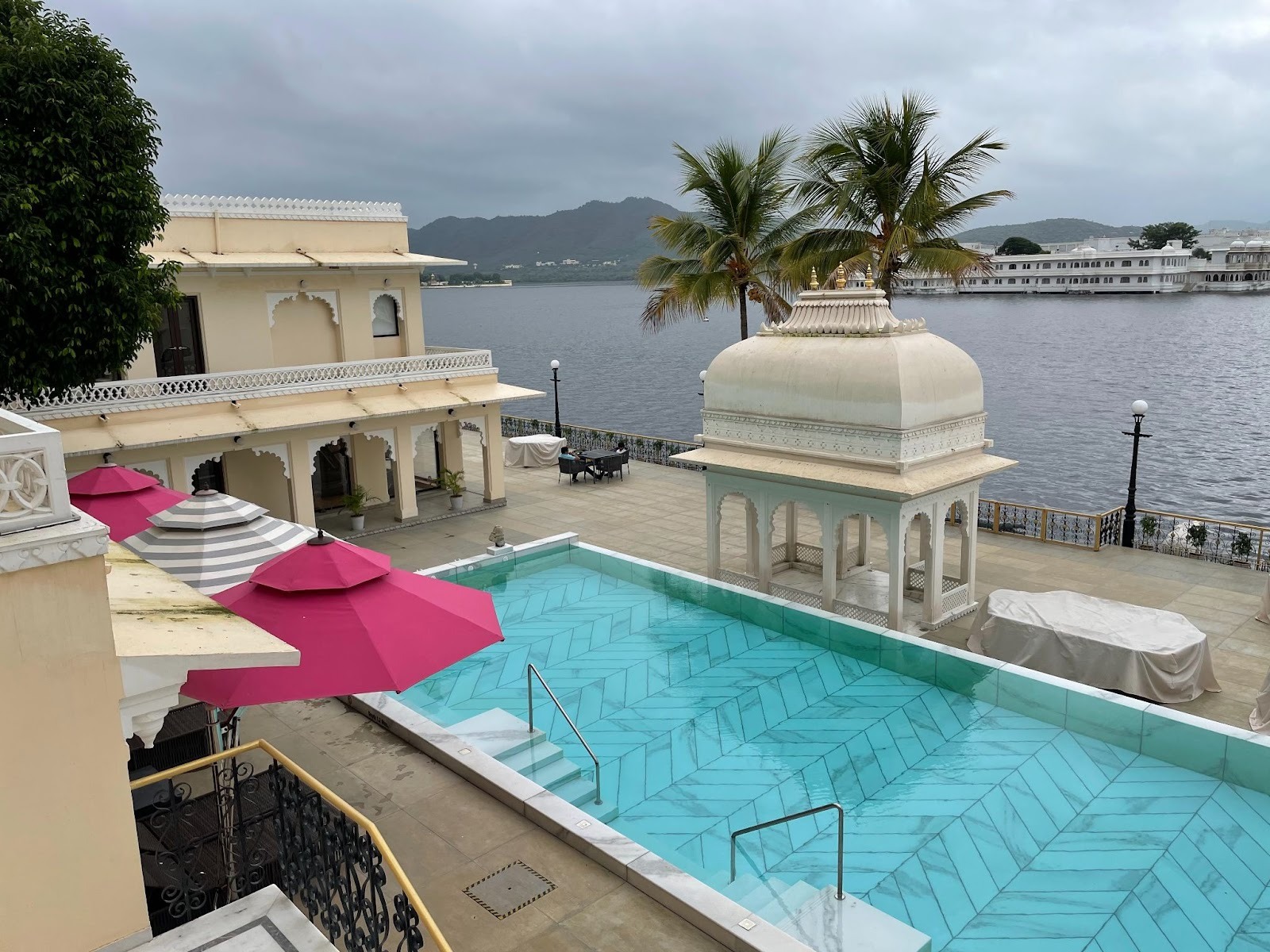
6. Taj Lake Palace
Appearing to float on Lake Pichola, this magnificent white-marble palace is one of Udaipur’s most recognizable landmarks and a symbol of royal luxury.
7. Gulab Bagh
A short drive from the City Palace, Gulab Bagh is the largest garden in Udaipur. It features lush greenery, a toy train, a library, and pleasant walking paths.
8. Karni Mata Ropeway
This ropeway takes visitors to Karni Mata Temple and offers breathtaking aerial views of Lake Pichola, the City Palace, and the surrounding Aravalli Hills.
9. Fateh Sagar Lake
Located around 4 km from the City Palace, Fateh Sagar Lake is a popular recreational destination known for boating, scenic promenades, and beautiful sunset views.
10. Saheliyon Ki Bari
This historic garden was created for the royal ladies of Mewar and features marble fountains, lotus pools, kiosks, and beautifully landscaped lawns.
Suggested Walking Route
A convenient heritage walk from the City Palace is:
City Palace → Jagdish Temple → Bagore Ki Haveli → Gangaur Ghat → Lake Pichola Boat Ride
Location
FAQs
1. Who built the Udaipur City Palace?
The City Palace was built by Maharana Udai Singh II in 1559 AD after he founded the city of Udaipur.
2. What is special about Udaipur City Palace?
The palace is famous for its grand Rajput architecture, mirror work, miniature paintings, royal museums, lake views, and its blend of multiple architectural styles.
3. How much time is needed to explore the City Palace?
Visitors generally need around 2 to 3 hours to comfortably explore the palace complex and museum.
4. Is photography allowed inside the palace?
Photography is allowed in many areas of the palace, although some sections and museum galleries may charge an additional camera fee.
5. What is the best time to visit Udaipur City Palace?
The best time to visit is from October to March when the weather is cool and pleasant for sightseeing.
6. Can visitors enjoy boat rides near the palace?
Yes, boat rides on Lake Pichola are very popular and offer spectacular views of the City Palace, Jag Mandir, and the surrounding lakeside scenery.
7. Is a guide necessary for visiting the palace?
While not mandatory, hiring a guide is highly recommended to understand the history, architecture, and hidden stories behind the palace complex.