Image Source: Manpreet Singh
About Bagore Ki Haveli
Nestled along the scenic banks of Lake Pichola at Gangaur Ghat in Udaipur, Bagore Ki Haveli is one of the city’s most charming historical attractions. Known for its royal architecture, cultural performances, and lakeside setting, the haveli offers visitors a glimpse into the luxurious lifestyle of the Mewar rulers. Located just about 2 km from the famous City Palace and around 3 km from the railway station, it is a must-visit destination for anyone exploring the City of Lakes.
Built during the 18th century by Amar Chand Badwa, who served as the Prime Minister of the Mewar Kingdom, the haveli originally functioned as a royal residence. Later, in 1878, Maharana Shakti Singh of Bagore expanded the structure by adding three additional stories. Today, the haveli stands as a magnificent example of Rajput-era craftsmanship, showcasing intricate carvings, delicate glasswork, jharokhas, courtyards, and beautifully designed balconies that overlook the tranquil waters of Lake Pichola.
Restoration and Revival
Like many historic buildings in India, Bagore Ki Haveli went through a long phase of neglect after independence. For nearly five decades, the once-grand mansion slowly lost its former glory. Eventually, the West Zone Cultural Centre (WZCC) undertook the responsibility of restoring the haveli and preserving its artistic heritage. Thanks to these restoration efforts, the haveli has been transformed into a vibrant cultural and historical center that now attracts travelers, photographers, and history enthusiasts from around the world.
Walking through the haveli today feels like stepping back into the royal era of Rajasthan. Every corridor, room, and courtyard reflects the elegance and refined lifestyle of the Mewar dynasty.
Architectural Beauty of Bagore Ki Haveli
One of the most striking features of Bagore Ki Haveli is its traditional Rajasthani architecture. The haveli is adorned with intricate mirror work, finely carved stone windows, decorative arches, and colorful glass mosaics. The interiors are equally fascinating, with beautifully arranged royal chambers that once belonged to the queens and noblewomen of the palace.
The haveli contains more than 100 rooms, including recreation areas, dressing rooms, worship rooms, bedrooms, and living spaces. The royal quarters are designed in a way that reflects both luxury and practicality, with open courtyards and airy corridors that helped keep the interiors cool during Rajasthan’s hot summers.
The balconies and terraces offer breathtaking views of Lake Pichola, especially during sunset when the lake and surrounding palaces glow in golden hues. This makes Bagore Ki Haveli one of the best spots in Udaipur for photography and evening walks.
Museum Inside the Haveli
Bagore Ki Haveli also houses an impressive museum that showcases the rich cultural heritage of Mewar. The museum displays royal costumes, traditional jewelry boxes, hand fans, copper vessels, hookahs, paintings, and various artifacts once used by the royal family.
One of the most fascinating sections is the Queen’s Chamber, where visitors can admire traditional Mewar paintings that beautifully narrate the artistic and cultural legacy of the region. The Chamber of the Ladies is another highlight, featuring colorful glass mosaics shaped into elegant peacocks, symbolizing beauty and grace in Rajasthani art.
The museum also exhibits traditional puppets, turbans, musical instruments, and folk art, helping visitors understand the customs and lifestyle of Rajasthan’s royal households.
Dharohar Dance Show – A Cultural Highlight
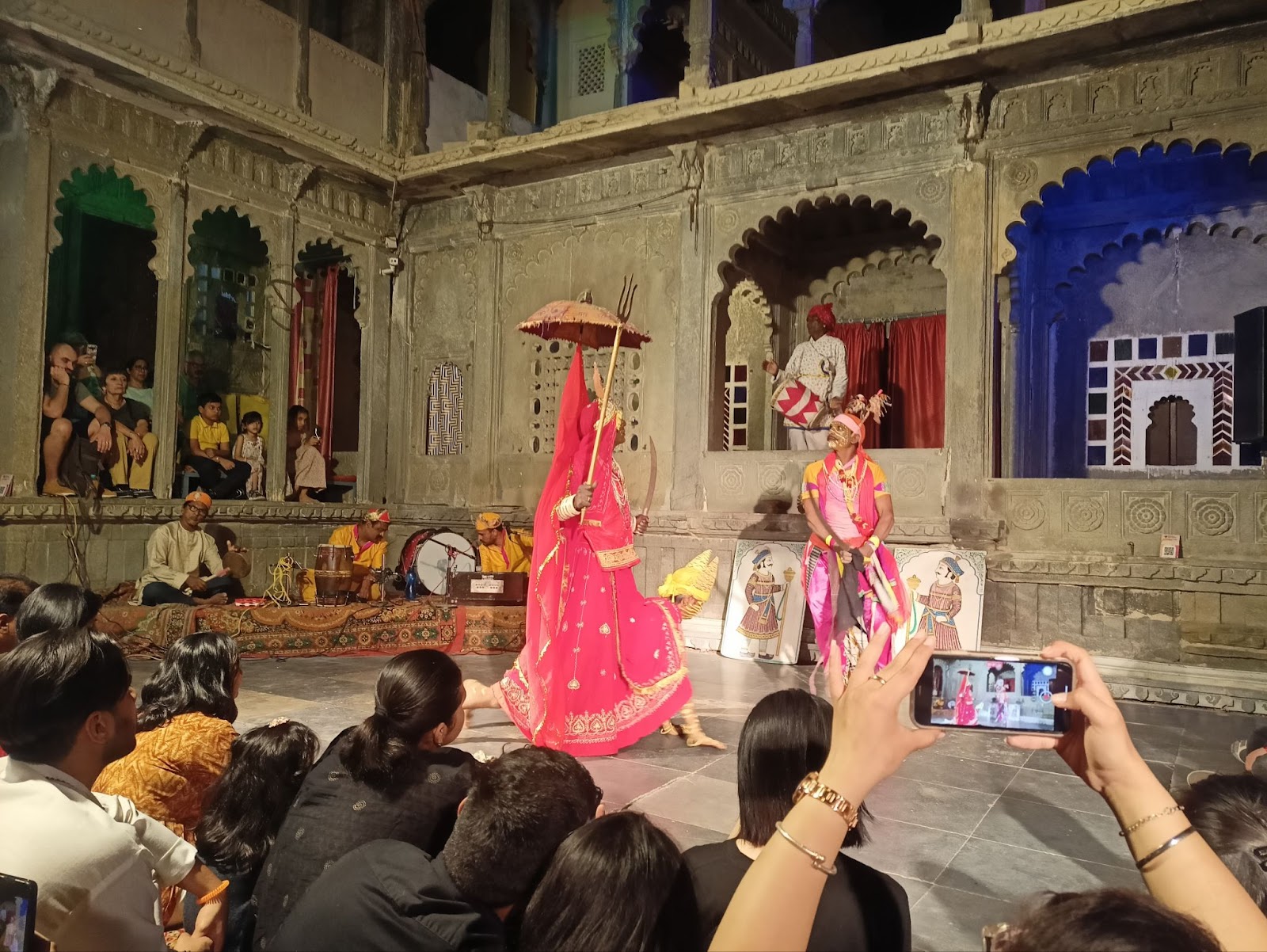
An evening at Bagore Ki Haveli becomes truly magical with the famous Dharohar Dance Show held daily at Neem Chowk inside the haveli. This cultural program is one of the most popular folk performances in Udaipur and gives visitors an authentic taste of Rajasthan’s vibrant traditions.
The show features several traditional folk dances such as Ghoomar, Bhavai, Kalbeliya, and Chari dance. The Bhavai performance, where artists balance multiple pots on their heads while dancing on glass or brass plates, often leaves the audience amazed. Accompanied by live folk music and traditional instruments, the performances create a lively and unforgettable atmosphere.
The intimate courtyard setting of Neem Chowk makes the experience even more special, allowing visitors to enjoy the performance up close.
Best Time to Visit
The ideal time to visit Bagore Ki Haveli is between October and March, when the weather in Udaipur remains pleasant and comfortable for sightseeing. Evening visits are particularly recommended because visitors can explore the haveli museum and later enjoy the Dharohar Dance Show.
Sunset hours are especially beautiful around Gangaur Ghat, as the reflections of the surrounding palaces and lights on Lake Pichola create a mesmerizing view.
Timings and Entry Fee
Museum Timings
- Open daily from 10:00 AM to 5:30 PM
Dharohar Dance Show Timings
- Usually held from 7:00 PM to 8:00 PM
Entry Fee
- Indian Visitors: Approx. ₹60
- Foreign Tourists: Approx. ₹100
- Camera Charges: Additional fee may apply
Dharohar Dance Show Ticket
- Indian Visitors: Approx. ₹90.
- Foreign Tourists: Approx. ₹150.
Note: Ticket prices and timings may change occasionally.
How to Reach Bagore Ki Haveli
Bagore Ki Haveli is centrally located in Udaipur and can be easily reached by auto-rickshaw, taxi, or local transport.
- From Udaipur Railway Station: Around 3 km.
- From Maharana Pratap Airport: Around 24 km.
- Nearby Attractions: City Palace, Jagdish Temple, Gangaur Ghat, and Lake Pichola.
Many travelers combine their visit to Bagore Ki Haveli with a boat ride on Lake Pichola and an evening stroll through the old city markets.
Nearby Attractions to Bagore Ki Haveli
Gangaur Ghat
Located right next to Bagore Ki Haveli, Gangaur Ghat is one of the most scenic and culturally significant waterfronts in Udaipur. Overlooking the tranquil waters of Lake Pichola, the ghat is a popular gathering place for locals and tourists alike. Visitors can enjoy stunning views of the lake, watch traditional ceremonies, and capture beautiful photographs of the surrounding heritage buildings. The ghat becomes especially lively during the Gangaur Festival, when colorful celebrations and processions take place along its steps.
Lake Pichola
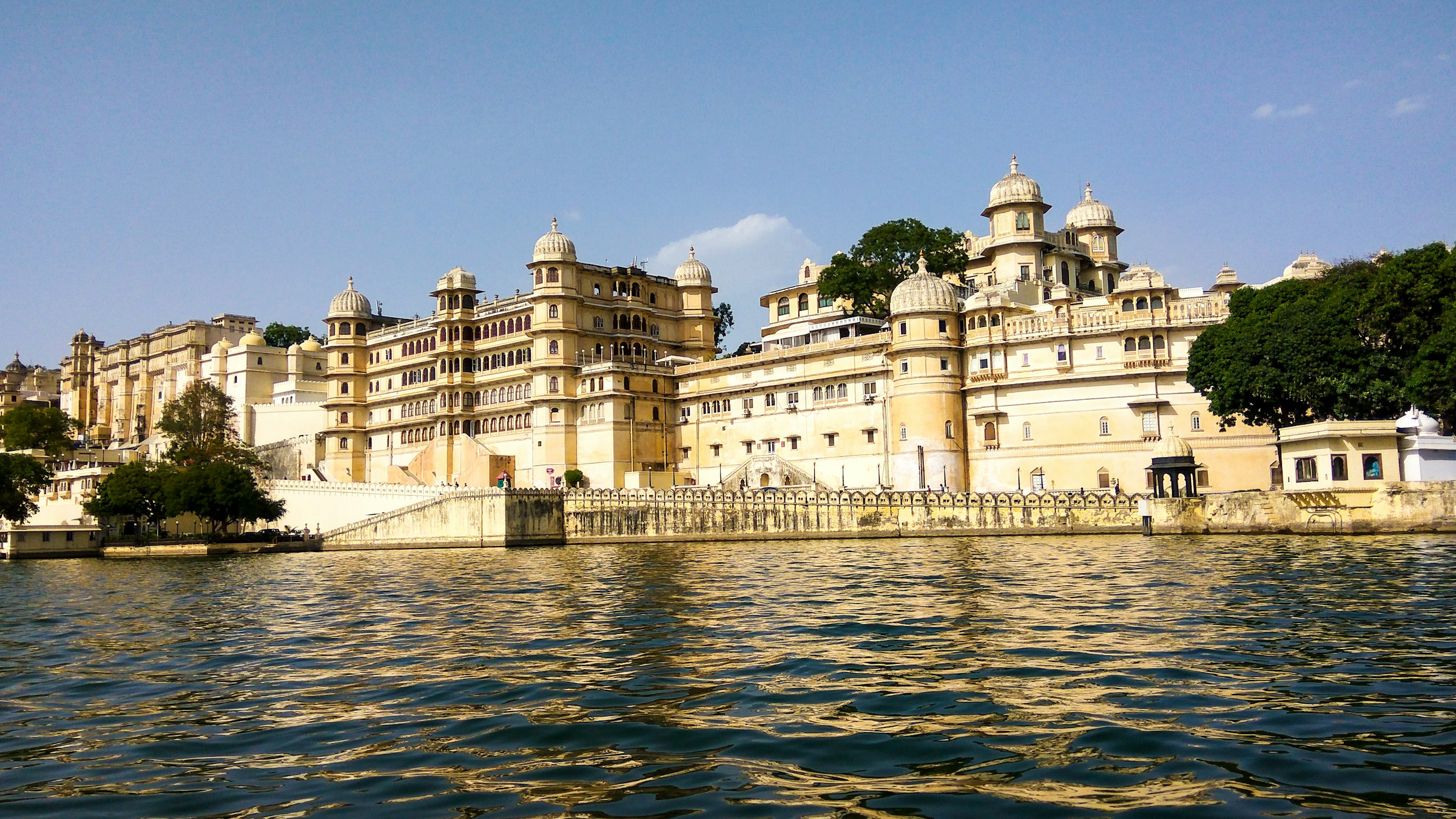
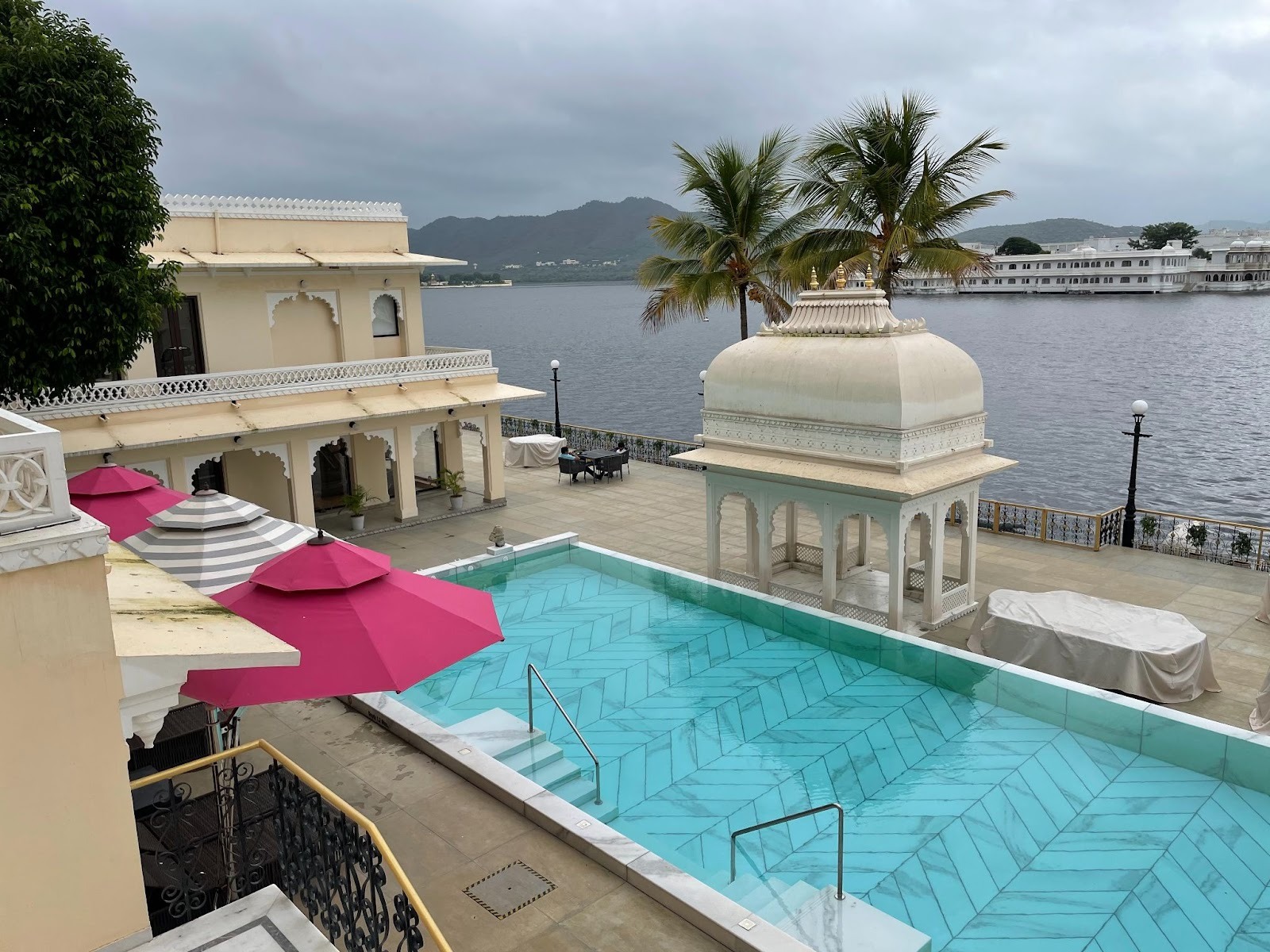
Just a short walk from Bagore Ki Haveli, Lake Pichola is among the most iconic attractions in Udaipur. Created in the 14th century, this artificial freshwater lake is famous for its picturesque setting, surrounded by palaces, temples, and hills. Visitors can enjoy boat rides that offer spectacular views of the City Palace, Jag Mandir, and the surrounding landscape. The lake is particularly enchanting during sunrise and sunset when the water reflects the golden hues of the sky.
Jagdish Temple
Situated close to Bagore Ki Haveli, Jagdish Temple is one of the most important religious landmarks in Udaipur. Built in 1651 by Maharana Jagat Singh I, the temple is dedicated to Lord Vishnu and showcases remarkable Indo-Aryan architecture. Its intricately carved pillars, beautifully sculpted walls, and towering spire attract devotees and architecture enthusiasts alike. The temple’s peaceful atmosphere and historical significance make it a must-visit destination.
City Palace
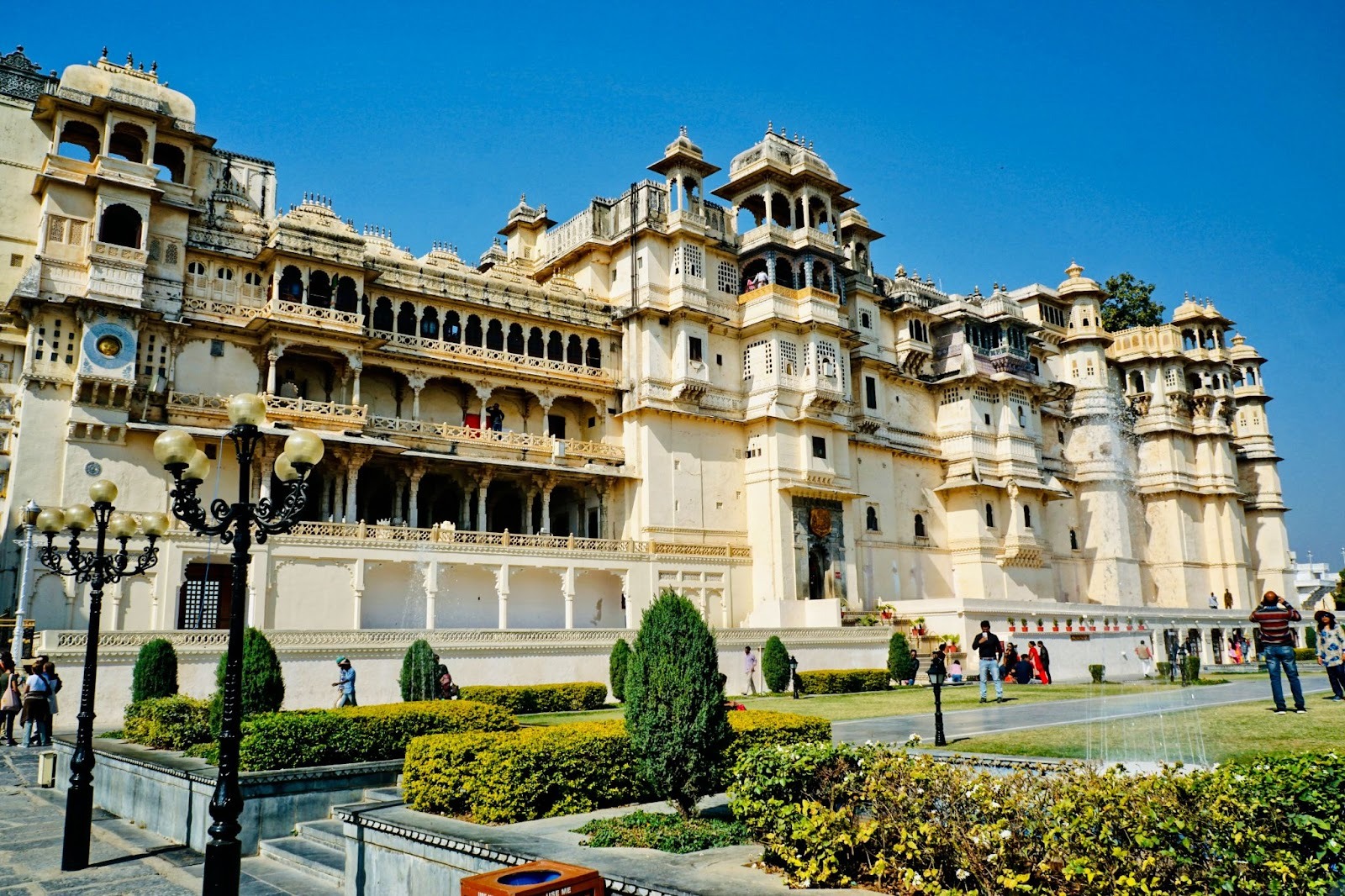
A visit to Udaipur is incomplete without exploring the magnificent City Palace. Located near Bagore Ki Haveli, this grand palace complex stands majestically on the eastern banks of Lake Pichola. The palace features a fascinating blend of Rajput and Mughal architectural styles, with ornate balconies, courtyards, museums, and royal chambers. Visitors can learn about the history of the Mewar dynasty while enjoying breathtaking views of the lake and city from the palace terraces.
Jag Mandir
Situated on an island in Lake Pichola, Jag Mandir is a beautiful palace that can be reached by boat. Known as the “Lake Garden Palace,” it features elegant marble structures, landscaped gardens, and peaceful surroundings. Historically, the palace served as a refuge for Prince Khurram, who later became Emperor Shah Jahan. Today, it is a popular attraction for visitors seeking a unique blend of history, architecture, and scenic beauty.
Karni Mata Ropeway
For those looking to enjoy panoramic views of Udaipur, the Karni Mata Ropeway is an excellent attraction located a short distance from Bagore Ki Haveli. The ropeway carries visitors to Karni Mata Temple atop Machla Magra Hill. During the ride, travelers can admire stunning aerial views of Lake Pichola, the City Palace, and the surrounding Aravalli Hills. The hilltop viewpoint is particularly popular during sunset.
Gulab Bagh
Gulab Bagh, the largest garden in Udaipur, offers a refreshing escape from the city’s busy streets. Spread across a vast area, the garden is home to a variety of flowering plants, mature trees, and walking trails. Families often visit the garden to relax and enjoy its peaceful environment. The garden also houses a small toy train and a historic library, making it a pleasant destination for visitors of all ages.
Vintage and Classic Car Collection Museum
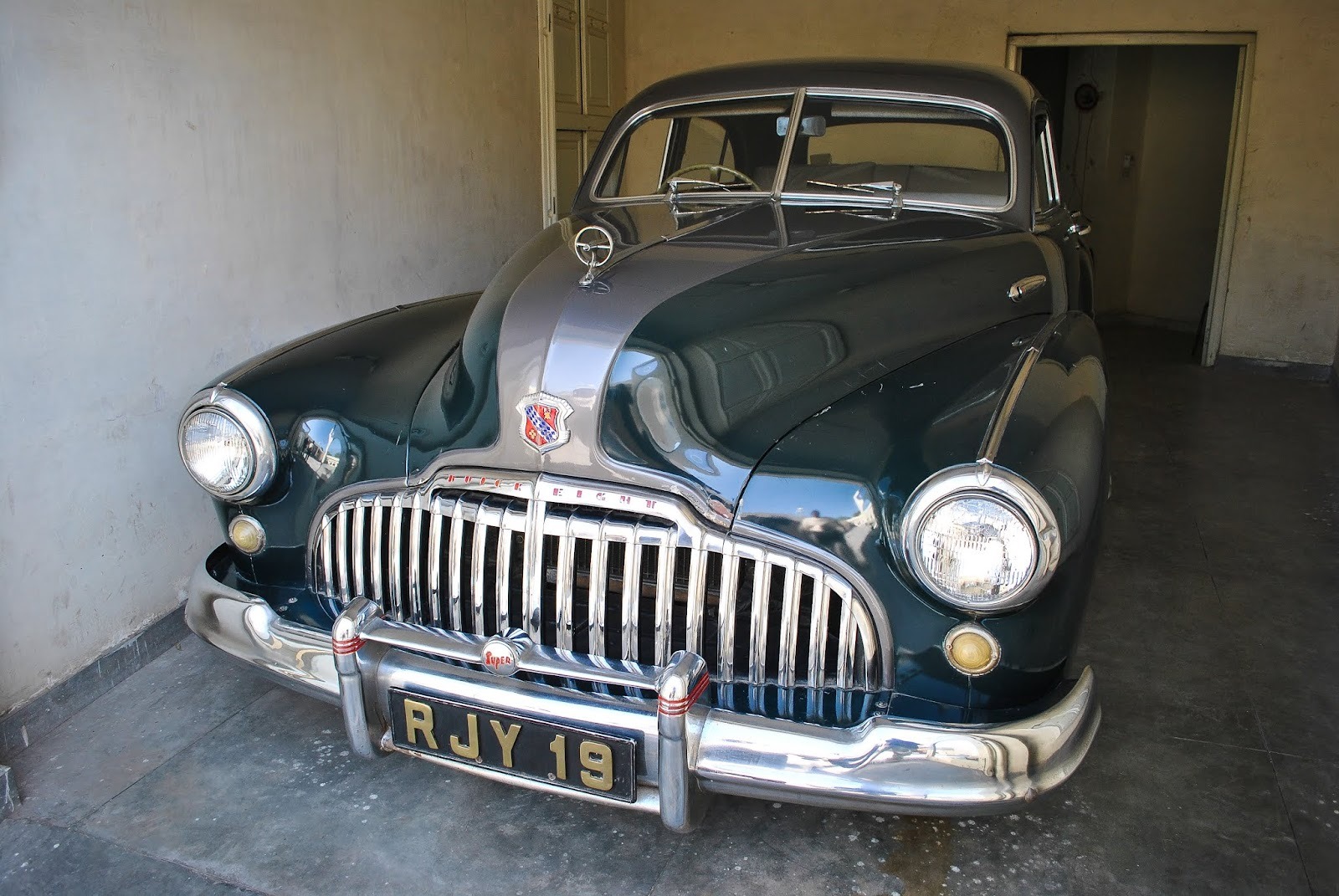
Automobile enthusiasts will enjoy a visit to the Vintage and Classic Car Collection Museum, which showcases an impressive collection of vehicles once owned by the royal family of Mewar. The museum displays rare and beautifully maintained cars, including Rolls-Royce, Cadillac, and Mercedes models. It provides a fascinating glimpse into the luxurious lifestyle of Rajasthan’s former rulers.
Fateh Sagar Lake
Located a few kilometers from Bagore Ki Haveli, Fateh Sagar Lake is another of Udaipur’s famous water bodies. Surrounded by hills and lush greenery, the lake is a favorite destination for boating, evening walks, and photography. The scenic lakeside road attracts both locals and tourists, especially during the cooler hours of the day. The calm atmosphere and stunning views make it one of the most relaxing places in the city.
Saheliyon Ki Bari
Saheliyon Ki Bari, also known as the Garden of Maidens, is a beautiful historic garden built for the royal women of Mewar. The garden features elegant marble fountains, lotus pools, decorative pavilions, and manicured lawns. Designed as a place of leisure and recreation, it reflects the refined lifestyle of Rajasthan’s royal era. Its serene environment makes it a popular attraction for couples, families, and photographers.
Ahar Cenotaphs
The Ahar Cenotaphs are an important historical site located on the outskirts of Udaipur. This remarkable complex contains more than 250 cenotaphs built in memory of the Maharanas of Mewar. The beautifully carved marble structures provide insight into the region’s royal heritage and architectural traditions. Visitors interested in history and culture often include the cenotaphs in their Udaipur itinerary.
Sajjangarh Monsoon Palace
Perched high on a hill overlooking Udaipur, Sajjangarh Monsoon Palace offers some of the most spectacular views in the region. Built by Maharana Sajjan Singh in the late 19th century, the palace was intended as a monsoon retreat and astronomical center. Today, it is a popular viewpoint where visitors can enjoy panoramic vistas of Udaipur’s lakes, palaces, and surrounding countryside. The sunset views from the palace are particularly unforgettable and attract visitors throughout the year.
Location of Bagore Ki Haveli
FAQs
1. Why is Bagore Ki Haveli famous?
Bagore Ki Haveli is famous for its royal architecture, museum, lakeside location, and the popular Dharohar folk dance show held every evening.
2. Where is Bagore Ki Haveli located?
It is located at Gangaur Ghat on the banks of Lake Pichola in Udaipur, Rajasthan.
3. How much time is needed to explore Bagore Ki Haveli?
Most visitors spend around 1.5 to 2 hours exploring the museum and architecture. If attending the Dharohar Dance Show, plan for an evening visit of around 3 hours.
4. Is photography allowed inside Bagore Ki Haveli?
Yes, photography is allowed, though additional camera charges may apply.
5. Which is the best time to attend the Dharohar Dance Show?
It is best to arrive at least 30–45 minutes early, as seats fill up quickly, especially during tourist season.
6. Is Bagore Ki Haveli suitable for families?
Yes, it is an excellent destination for families, history lovers, photographers, and cultural enthusiasts.
7. Can visitors see Lake Pichola from the haveli?
Yes, several balconies and terraces of the haveli offer stunning views of Lake Pichola and the surrounding palaces.