Image Source: VikramSingh
Overview
Nestled in the heart of Udaipur’s old city, Jagdish Temple is one of the most revered and magnificent Hindu temples in Rajasthan. Located just a short walk from the famous City Palace, this centuries-old shrine attracts thousands of devotees and tourists every year. Renowned for its remarkable architecture, spiritual atmosphere, and historical significance, the temple stands as a shining example of the rich cultural heritage of the Mewar kingdom.
Dedicated to Lord Vishnu in his form as Jagannath, or Laxmi Narayan, Jagdish Temple is not only an important place of worship but also one of Udaipur’s most iconic landmarks. Its intricately carved stone walls, towering spire, and beautifully sculpted figures make it a must-visit destination for anyone exploring the City of Lakes.
History of Jagdish Temple
The history of Jagdish Temple dates back to 1651 AD during the reign of Maharana Jagat Singh I, one of the prominent rulers of the Mewar dynasty. Deeply devoted to Lord Vishnu, Maharana Jagat Singh commissioned the construction of this grand temple as an expression of his faith and commitment to preserving Hindu traditions.
Built at an estimated cost of around 1.5 million rupees—a substantial amount for that period—the temple became one of the most significant religious structures in the region. Over the centuries, it has continued to serve as a center of worship while preserving its original grandeur and artistic beauty.
Despite the passage of time, Jagdish Temple remains remarkably well-maintained and continues to be an important spiritual destination for pilgrims from across India.
Architectural Brilliance of Jagdish Temple
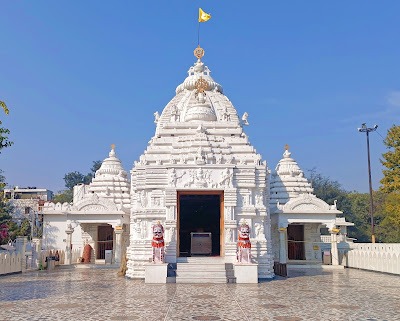
One of the first things visitors notice about Jagdish Temple is its impressive height and majestic appearance. Rising approximately 79 feet above the surrounding area, the temple dominates the skyline of old Udaipur with its beautifully carved shikhara (spire).
The temple is built in the Indo-Aryan style of architecture, characterized by elaborate carvings, decorative pillars, and finely sculpted figures. Every inch of the structure reflects the extraordinary craftsmanship of the artisans who built it more than three centuries ago.
The exterior walls are adorned with intricate carvings depicting elephants, horsemen, dancers, musicians, celestial beings, and scenes from Hindu mythology. These detailed sculptures provide a fascinating glimpse into the artistic traditions and religious beliefs of the era.
At the entrance, two large stone elephants stand as guardians of the temple, welcoming visitors as they ascend toward the sacred shrine.
The Sacred Journey to the Main Shrine
To reach the temple’s sanctum, visitors must climb a flight of 32 marble steps. This ascent adds to the spiritual experience, gradually leading devotees toward the divine presence within.
At the entrance stands a striking brass statue of Garuda, the mythical eagle and divine vehicle of Lord Vishnu. Garuda is revered as a symbol of strength, devotion, and protection.
Inside the sanctum is the temple’s most sacred treasure—a magnificent four-armed black stone idol of Lord Vishnu. The deity’s serene expression and commanding presence inspire a sense of peace and reverence among worshippers.
The main shrine is surrounded by four smaller temples dedicated to Lord Ganesh, Goddess Shakti, Lord Shiva, and Surya, the Sun God. Together, these shrines create a spiritually vibrant temple complex where devotees can offer prayers to multiple deities in a single visit.
Intricate Carvings and Artistic Excellence
The true beauty of Jagdish Temple lies in its extraordinary stone carvings. The temple’s three-story structure is supported by beautifully sculpted pillars, each adorned with intricate designs and religious motifs.
The ceilings, walls, and pillars feature scenes from Hindu epics, mythological stories, and divine figures. The craftsmanship displayed throughout the temple demonstrates the exceptional skill of the artisans of the Mewar period.
Particularly noteworthy are the approximately 50 elaborately carved pillars found on the first and second floors. Each pillar showcases unique decorative elements, making the temple a masterpiece of traditional Indian stone architecture.
Visitors often spend considerable time admiring these artistic details, which reveal new patterns and figures with every glance.
Historical Inscription and Legacy
In front of the temple lies a stone inscription dedicated to Maharana Jagat Singh. This historical record serves as a tribute to the ruler who envisioned and commissioned the temple.
The inscription not only highlights the temple’s origins but also underscores the important role played by the Mewar rulers in promoting art, architecture, and religious devotion throughout the region.
Today, the temple stands as a lasting symbol of their legacy and cultural contributions.
Festivals and Celebrations
Jagdish Temple comes alive during religious festivals, especially during the annual Rath Yatra celebration held in July. This festival coincides with the famous Rath Yatra of Jagannath in Puri and attracts large numbers of devotees.
During the celebration, beautifully decorated chariots, devotional singing, prayers, and processions fill the temple surroundings with energy and enthusiasm. The festive atmosphere offers visitors a unique opportunity to witness the vibrant spiritual traditions of Rajasthan.
Other major Hindu festivals such as Janmashtami, Diwali, and Makar Sankranti are also celebrated with great devotion and grandeur at the temple.
Spiritual Significance
For devotees, Jagdish Temple is much more than an architectural monument. It is a sacred place where generations of worshippers have gathered to seek blessings, offer prayers, and connect with their faith.
The peaceful environment, melodious temple bells, and daily rituals create an atmosphere of spiritual tranquility that leaves a lasting impression on visitors. Whether one arrives as a pilgrim, a history enthusiast, or an architecture lover, the temple offers a deeply enriching experience.
Visiting Timings
Visitors can explore the temple during the following hours:
Morning: 5:00 AM to 2:00 PM
Evening: 4:00 PM to 8:00 PM
The early morning and evening hours are particularly recommended, as visitors can witness the temple’s aarti ceremonies and enjoy a more spiritual atmosphere.
Best Time to Visit
The ideal time to visit Jagdish Temple is between October and March when Udaipur experiences pleasant weather. During these months, sightseeing is comfortable, and visitors can explore nearby attractions without the intense summer heat.
Early mornings are especially peaceful and provide excellent opportunities for photography and spiritual reflection.
How to Reach Jagdish Temple, Udaipur
Jagdish Temple is located in the heart of Udaipur’s old city, just a short walk from the City Palace. Its central location makes it easily accessible from all parts of the city.
By Air
The nearest airport is Maharana Pratap Airport, situated about 22 kilometers from Jagdish Temple. Taxis, app-based cabs, and private vehicles are readily available from the airport to the temple.
By Train
The nearest railway station is Udaipur City Railway Station, located approximately 3 kilometers away. Visitors can hire an auto-rickshaw, taxi, or local transport to reach the temple within 10–15 minutes.
By Road
Udaipur is well connected to major cities such as Jaipur, Jodhpur, Ahmedabad, and Delhi through a network of national highways. State-run and private buses operate regularly to Udaipur. From the city center, local taxis and auto-rickshaws provide easy access to the temple.
By Local Transport
Since Jagdish Temple is located in the bustling old city area, many tourists prefer to walk from the nearby City Palace and Lake Pichola region. Walking through the narrow streets also offers an opportunity to explore local markets, handicraft shops, and traditional Rajasthani architecture.
Nearby Attractions to Jagdish Temple
City Palace
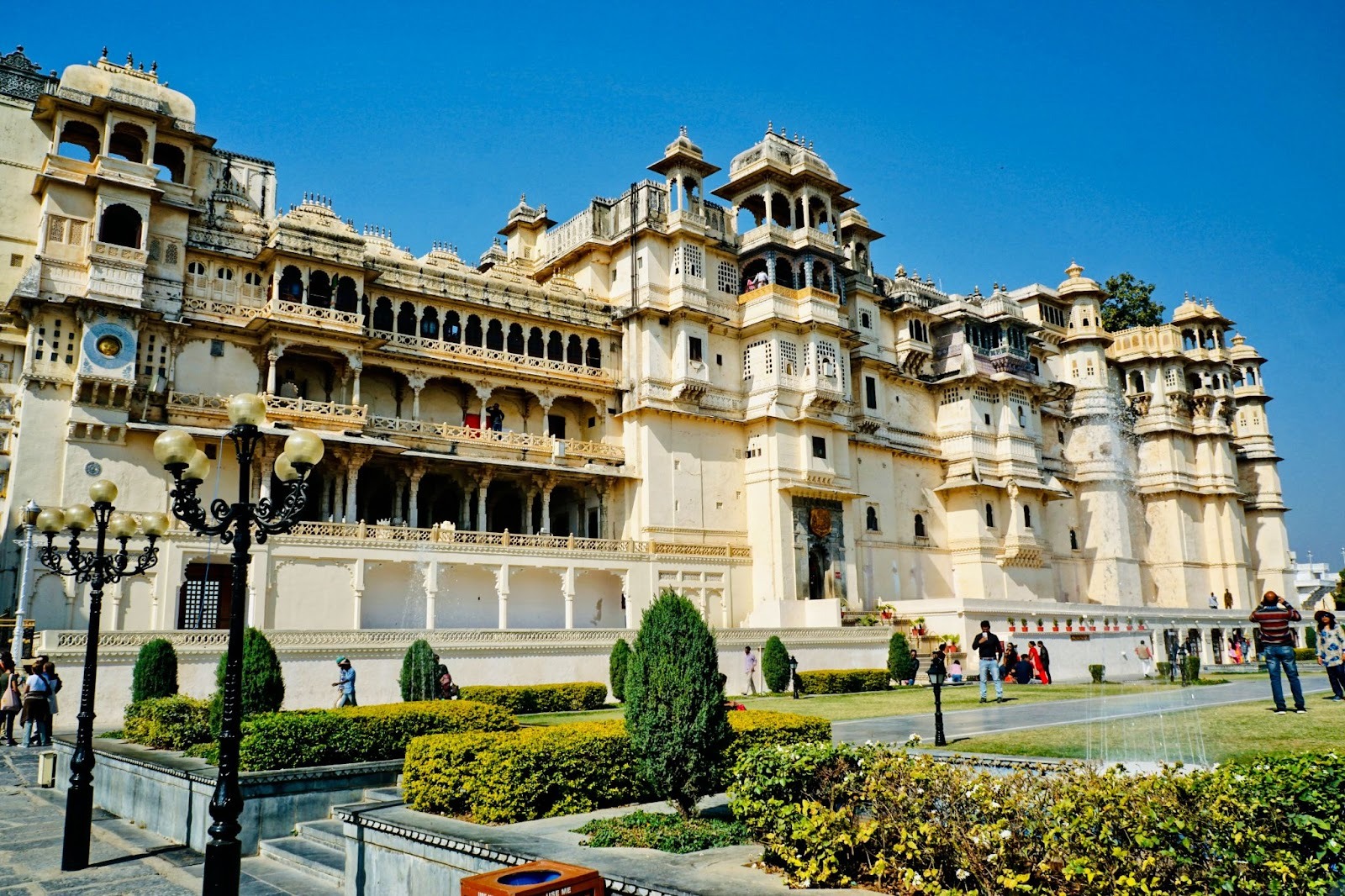
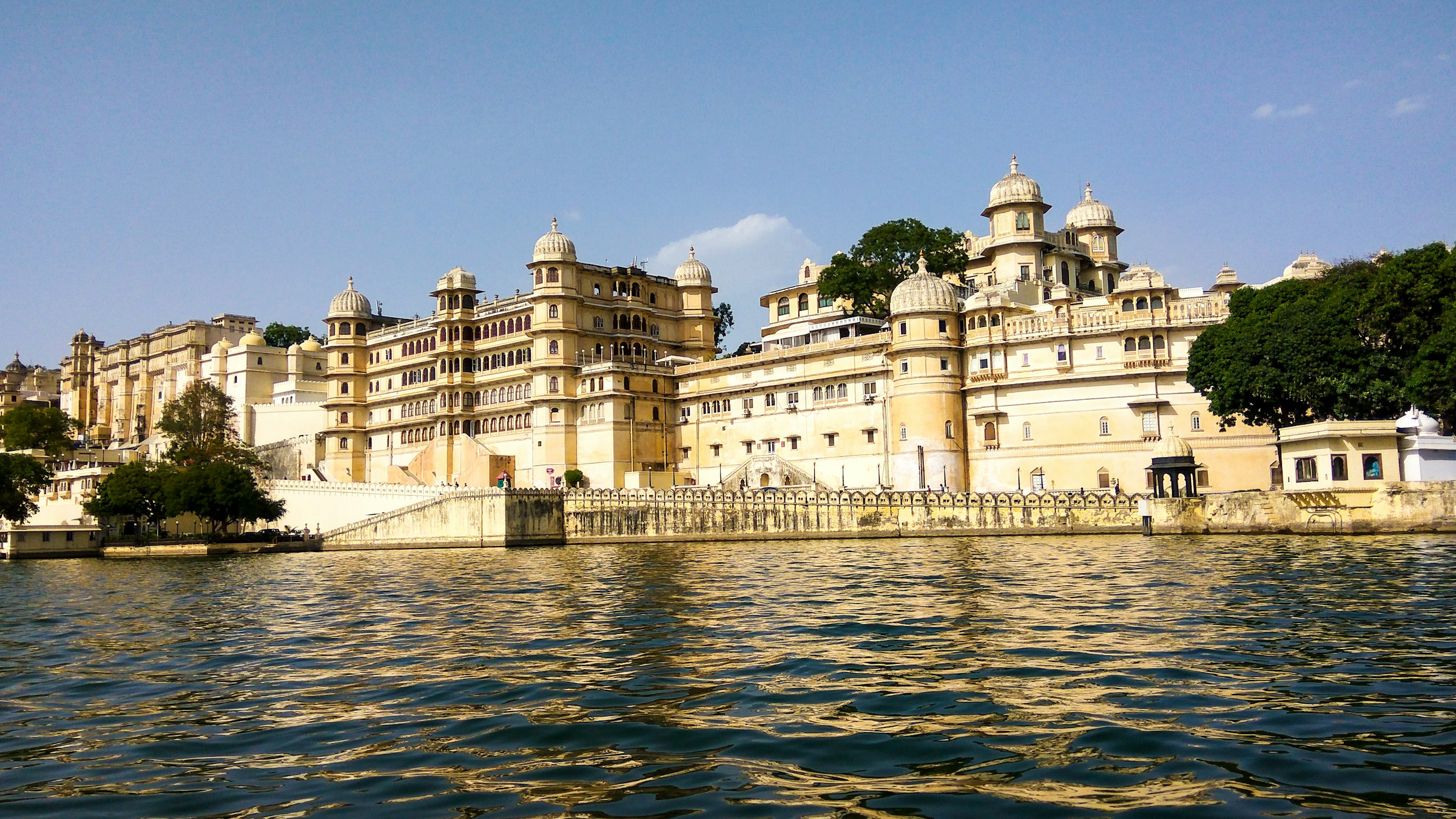
Located just a few minutes from Jagdish Temple, City Palace is Udaipur’s most famous landmark. The palace complex features grand courtyards, balconies, museums, royal artifacts, and stunning views of Lake Pichola.
Lake Pichola
One of the most picturesque lakes in Rajasthan, Lake Pichola is known for its scenic boat rides, beautiful sunsets, and iconic island palaces. It is a perfect place to relax after visiting the temple.
Bagore Ki Haveli
Situated on the waterfront of Lake Pichola, Bagore Ki Haveli is a historic mansion showcasing royal costumes, traditional artifacts, and cultural exhibits. Its evening folk dance performances are particularly popular among visitors.
Gangaur Ghat
Located near Jagdish Temple, Gangaur Ghat offers stunning lake views and is one of the best places to experience Udaipur’s serene atmosphere. The ghat is especially beautiful during sunrise and sunset.
Jag Mandir Palace
Situated on an island in Lake Pichola, Jag Mandir is a magnificent palace known for its elegant architecture, gardens, and historical significance. It can be reached by boat from the lakefront.
Fateh Sagar Lake
Approximately 4 kilometers away, Fateh Sagar Lake is a popular recreational destination featuring boating facilities, scenic viewpoints, and a pleasant lakeside atmosphere.
Saheliyon Ki Bari
This beautiful historic garden is known for its marble pavilions, lotus pools, fountains, and lush greenery. It was built for the royal ladies of the Mewar court.
Vintage and Classic Car Collection Museum
A must-visit for automobile enthusiasts, this museum displays a remarkable collection of vintage vehicles once used by the Maharanas of Udaipur.
Ahar Cenotaphs
These historic royal memorials feature impressive cenotaphs dedicated to the rulers of Mewar and provide insight into the region’s rich history and architectural heritage.
Karni Mata Temple
Accessible via ropeway, this hilltop temple offers breathtaking panoramic views of Udaipur’s lakes, palaces, and surrounding Aravalli Hills.
A visit to Jagdish Temple can easily be combined with City Palace, Lake Pichola, Bagore Ki Haveli, and Gangaur Ghat, as all of these attractions are located within walking distance of one another, making for an enriching day of sightseeing in Udaipur’s historic core.
FAQs
1. Where is Jagdish Temple located?
Jagdish Temple is located in the heart of Udaipur’s old city, near the City Palace in Rajasthan.
2. Who built Jagdish Temple?
The temple was built by Maharana Jagat Singh I of the Mewar dynasty in 1651 AD.
3. Which deity is worshipped in Jagdish Temple?
The temple is dedicated to Lord Vishnu, worshipped here in the form of Jagannath or Laxmi Narayan.
4. How many steps are there to reach the temple?
Visitors need to climb 32 marble steps to reach the main temple entrance.
5. What is the height of Jagdish Temple?
The temple stands approximately 79 feet high and is one of the most prominent religious structures in Udaipur.
6. Is there an entry fee for Jagdish Temple?
No, entry to the temple is generally free for devotees and visitors.
7. What are the temple timings?
The temple is open from 5:00 AM to 2:00 PM and again from 4:00 PM to 8:00 PM.
8. What architectural style is used in Jagdish Temple?
The temple is built in the Indo-Aryan architectural style and is famous for its detailed carvings and sculptural work.
9. Which festival is most important at Jagdish Temple?
The annual Rath Yatra celebration in July is one of the temple’s most important and widely attended festivals.
10. Why is Jagdish Temple famous?
Jagdish Temple is famous for its rich history, spiritual significance, magnificent carvings, impressive architecture, and central location in Udaipur’s historic old city.