Image Source: Sukalyan Naskar
About Sri Krishna Temple
Nestled within the UNESCO-listed ruins of Hampi, the Sri Krishna Temple stands as one of the finest examples of Vijayanagara architecture and religious heritage. Located just about 500 meters from the Hampi Bus Stand, this magnificent temple attracts history enthusiasts, architecture lovers, and pilgrims alike.
Built during the golden age of the Vijayanagara Empire, the temple reflects a remarkable blend of artistic excellence, royal ambition, and deep spiritual devotion. Though now partially in ruins, the complex still exudes an aura of grandeur that transports visitors back to an era when Hampi flourished as one of the wealthiest cities in the world.
The temple complex forms an important part of the Group of Monuments at Hampi, recognized as a UNESCO World Heritage Site. Its peaceful surroundings, detailed carvings, and historical significance make it a must-visit destination for anyone exploring Hampi.
History of Sri Krishna Temple
The Sri Krishna Temple was commissioned in 1513 CE by the celebrated Vijayanagara emperor Krishnadevaraya. The temple was built to commemorate his victorious campaign against Prataparudra Gajapati, the ruler of the eastern kingdom of Udayagiri, in present-day Odisha.
Dedicated to Bala Krishna—the child form of Lord Krishna—the temple once housed a beautiful idol brought from Udayagiri after the victory. Today, the original idol is preserved in the Government Museum in Chennai, while the temple itself remains a cherished symbol of Vijayanagara’s military triumphs and religious patronage.
Historical inscriptions found within the complex provide valuable insights into the reign of Krishnadevaraya and the prosperity of the empire during the 16th century.
Architecture
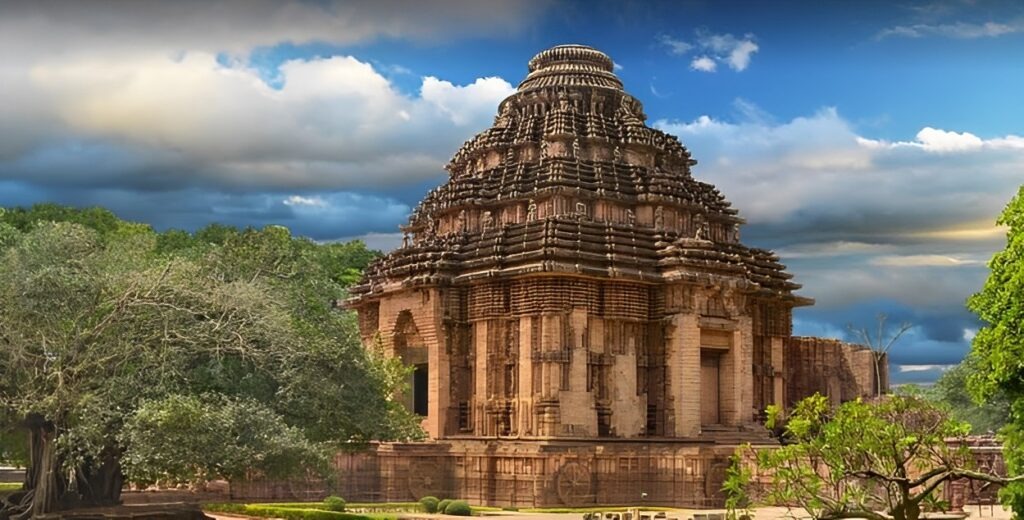
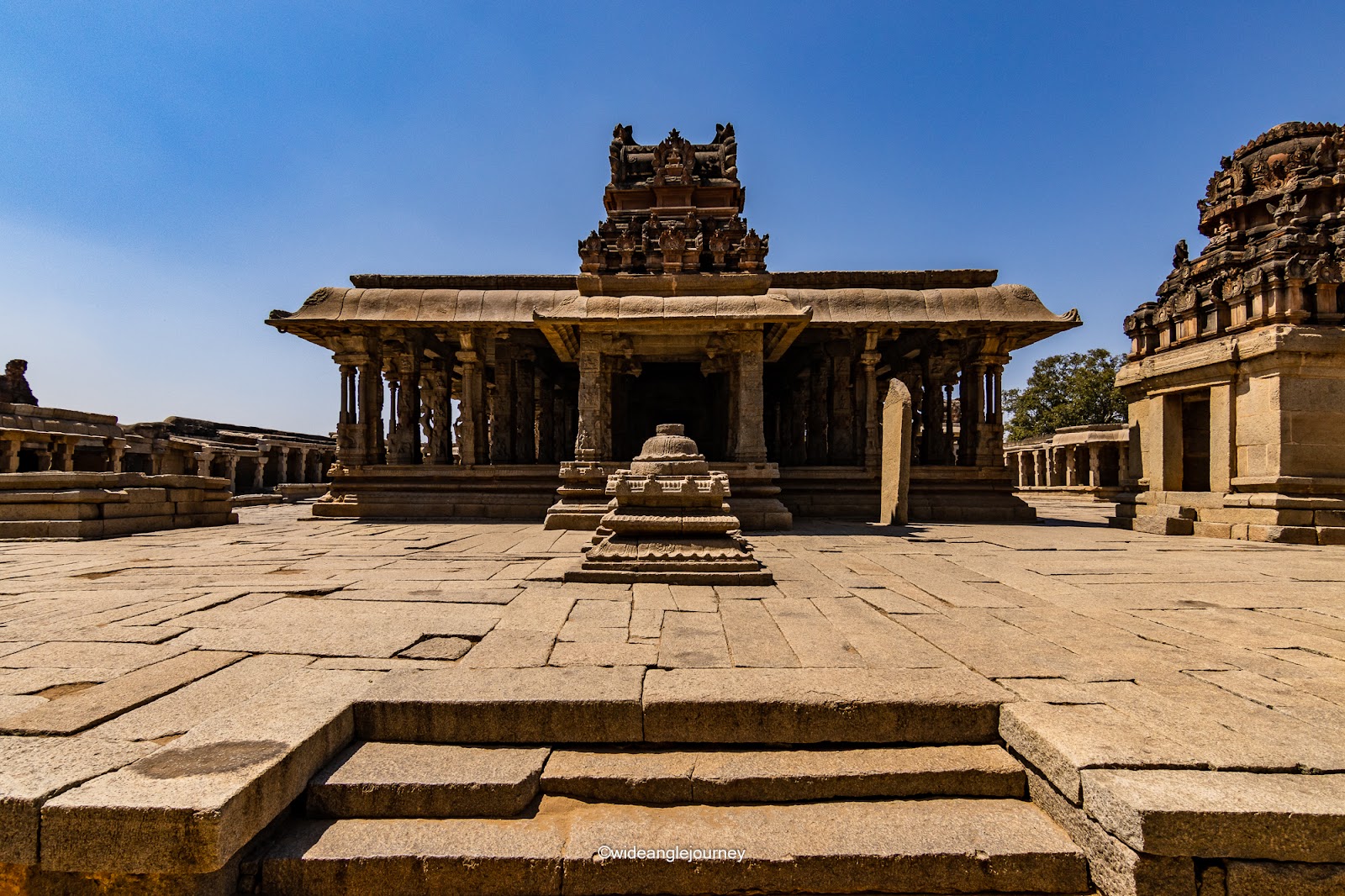
The Sri Krishna Temple showcases the architectural brilliance of the Vijayanagara period. Designed in the Panchayatana style, the temple complex features a harmonious arrangement of sanctums, mandapas (pillared halls), shrines, and pavilions.
Despite the ravages of time and invasions that followed the fall of Vijayanagara, the temple retains much of its original magnificence. The intricately carved pillars depict mythical Yalis, elephant riders, warriors, and scenes from Hindu mythology, demonstrating the exceptional craftsmanship of the era.
One of the most striking features is the eastern gopuram (tower), adorned with exquisite carvings of horses, elephants, warriors carrying shields, and celestial figures. Sculpted apsaras grace the entrance, standing atop mythical creatures while holding scrolls depicting various incarnations of Lord Vishnu.
The temple’s layout and ornamentation offer visitors a glimpse into the artistic sophistication and religious fervor that characterized the Vijayanagara Empire.
Krishna Bazaar and Kalyani
Adjacent to the temple lies the historic Krishna Bazaar, an open marketplace lined with pillared corridors. In ancient times, merchants and traders gathered here to sell precious goods, textiles, and ornaments, making it a vibrant center of commerce.
Within the temple complex is the sacred temple tank known as the Kalyani. Surrounded by elegant stone structures, the tank once served ritual and ceremonial purposes. Today, its tranquil setting offers visitors a peaceful spot for reflection amid the historic ruins.
Timings
Sri Krishna Temple is open daily from 6:00 AM to 6:00 PM. Early morning and late afternoon are considered the best times to visit, as the weather is pleasant and the soft sunlight beautifully illuminates the ancient stone carvings.
How to Reach Sri Krishna Temple
Sri Krishna Temple is conveniently located in the heart of Hampi and is easily accessible from nearby towns and cities.
- By Air: The nearest airport is Hubballi Airport, approximately 165 km away. From the airport, taxis and buses are available to Hampi.
- By Rail: The closest railway station is Hospet Junction (Hosapete), situated about 13 km from Hampi. Auto-rickshaws, taxis, and local buses regularly operate between Hospet and Hampi.
- By Road: Hampi is well connected by road to Bengaluru, Hubballi, Ballari, and other major cities in Karnataka. State-run and private buses frequently operate to Hospet and Hampi.
- Local Transport: Visitors can explore the temple and surrounding monuments by walking, cycling, renting scooters, or hiring auto-rickshaws.
Nearby Attractions
Several iconic monuments lie within walking distance of Sri Krishna Temple, making it easy to explore multiple sites in a single visit:
- Lakshmi Narasimha Temple (Ugra Narasimha): Famous for its massive monolithic statue of Lord Narasimha.
- Badavilinga Temple: Home to one of the largest Shiva lingas in Hampi.
- Hemakuta Hill: Offers panoramic views of Hampi and spectacular sunrise and sunset experiences.
- Virupaksha Temple: One of the oldest continuously functioning temples in India and Hampi’s spiritual heart.
- Hampi Bazaar: A historic market street lined with ancient pavilions.
- Underground Shiva Temple: Known for its unique partially submerged structure.
- Sasivekalu Ganesha and Kadalekalu Ganesha: Impressive monolithic statues of Lord Ganesha.
Maps
FAQs
1. Is there an entry fee for Sri Krishna Temple?
No, visitors can explore the temple complex without any entry fee.
2. How much time is needed to visit the temple?
A visit usually takes about 30 to 60 minutes, depending on your interest in history and architecture.
3. Why is the temple historically significant?
The temple commemorates Emperor Krishnadevaraya’s victory over the Gajapati rulers and reflects the grandeur of the Vijayanagara Empire.
4. Where is the original Bala Krishna idol now?
The original idol is preserved in the Government Museum in Chennai.
5. What is the best time to visit Sri Krishna Temple?
The ideal time to visit Hampi is between October and February, when the weather is cooler and more comfortable for sightseeing.
6. Can the temple be covered along with other Hampi attractions in one day?
Yes, Sri Krishna Temple is centrally located and can easily be included in a one-day Hampi sightseeing itinerary.