Image Source: Abytravells
About Sajla Waterfall
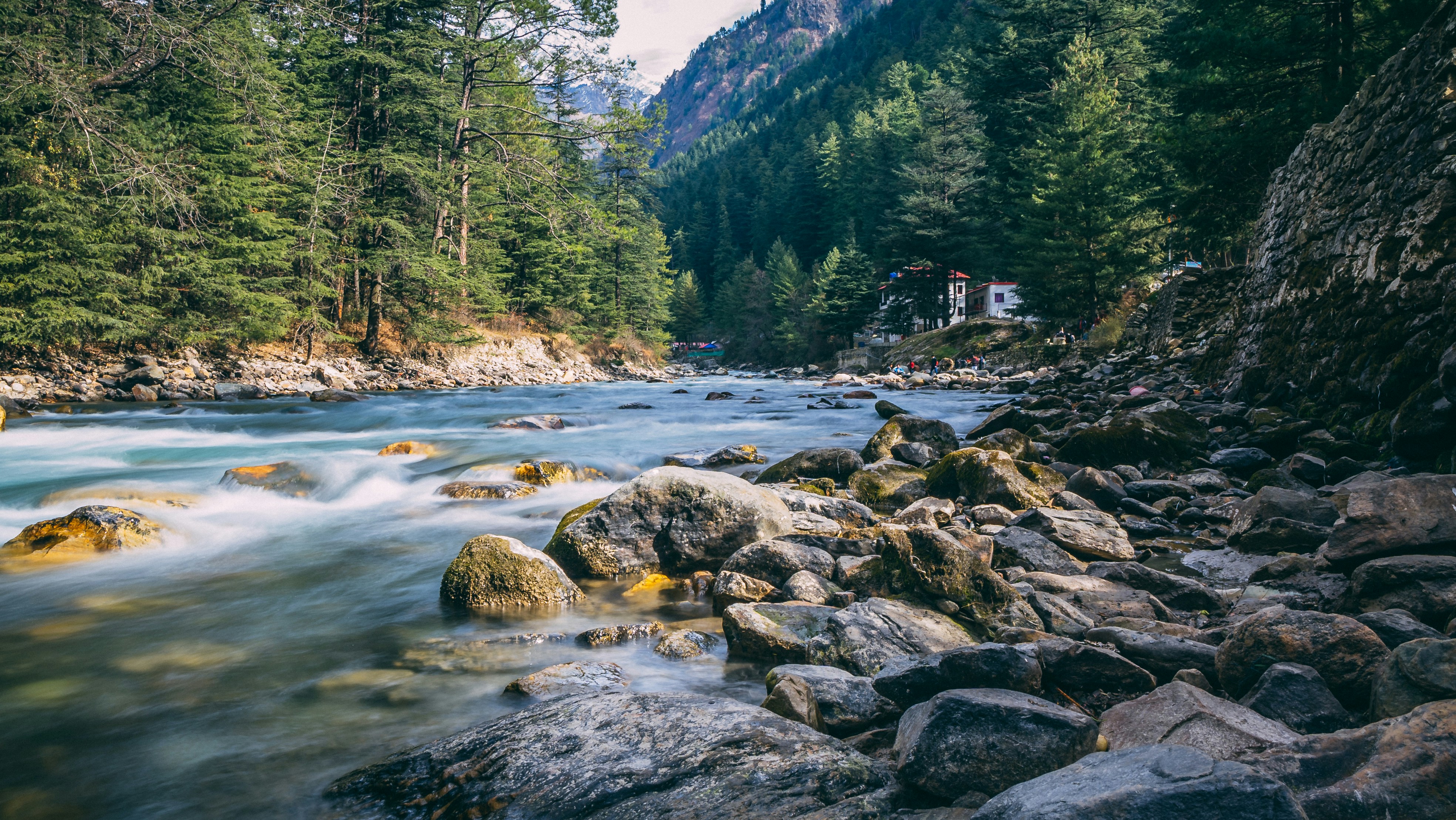
Tucked away in the peaceful surroundings of Sajla Village, Sajla Waterfall is one of the lesser-known natural attractions in the Kullu Valley. Located on the left bank of the Beas River along the historic Naggar–Manali Road, this beautiful waterfall remains relatively untouched by mass tourism. Unlike some of the more famous waterfalls near Manali, Sajla Waterfall offers a quieter and more authentic Himalayan experience.
The charm of this place lies in its simplicity. Surrounded by dense forests, mountain streams, and traditional villages, the waterfall provides a refreshing escape from the crowded tourist spots of Manali. The clear water cascades down rocky cliffs into a natural pool below, creating a serene setting where visitors can relax, enjoy nature, and listen to the soothing sound of flowing water.
One of the reasons Sajla Waterfall continues to retain its beauty is its relatively low visitor footfall. The peaceful atmosphere and pristine surroundings make it an ideal destination for travelers looking to explore hidden corners of the Himalayas rather than popular commercial attractions.
Sajla Village
Before reaching the waterfall, visitors pass through the charming village of Sajla. This small Himalayan settlement consists of around 30 to 40 households and offers a glimpse into the traditional lifestyle of the Kullu region.
Many houses in the village are built in the famous Kath-Kuni architectural style, a traditional construction technique of Himachal Pradesh that uses alternating layers of wood and stone without mortar. These structures are not only aesthetically pleasing but are also known for their durability and earthquake resistance.
The village is surrounded by apple orchards, terraced fields, and dense forests of deodar and pine. Walking through Sajla allows visitors to experience the slow-paced mountain life, interact with locals, and appreciate the rich cultural heritage of the region.
Trek to Sajla Waterfall
The trek to Sajla Waterfall is short, easy, and suitable for most visitors. The village is situated roughly midway between Kullu and Manali and can be reached by local buses running along the Naggar route.
From the main road, a village path leads toward the historic Vishnu Temple, one of Sajla’s most important landmarks. The temple is beautifully decorated with intricate wooden carvings depicting Hindu deities such as Lord Vishnu, Shiva-Parvati, Ganesha, and Radha-Krishna. Many visitors stop here before continuing their journey to the waterfall.
From the temple, a well-marked trail continues through thick deodar and pine forests. Along the way, trekkers can enjoy views of surrounding mountain slopes, traditional houses, and small streams flowing through the valley. The one-way trekking distance is approximately 1.4 kilometers, making it an enjoyable walk rather than a strenuous hike.
After reaching the waterfall, visitors can spend time relaxing near the natural pool, taking photographs, enjoying a picnic, or simply soaking in the peaceful environment. During summer, some adventurous visitors also dip their feet or take a quick splash in the icy water, though caution is advised due to slippery rocks.
Vishnu Temple of Sajla
One of the highlights of visiting Sajla is the ancient Vishnu Temple located within the village. The temple reflects the rich religious traditions of the Kullu Valley and showcases beautiful local craftsmanship.
The temple complex contains three sacred wooden poles that local residents believe are linked to an ancient battle between gods and demons. According to local folklore, these poles represent divine arrows that were shot during the mythical conflict. Such stories continue to form an important part of the cultural identity of the village and offer visitors insight into the region’s fascinating traditions.
Best Time to Visit Sajla Waterfall
Sajla Waterfall can be visited throughout most of the year, but the experience varies with the seasons.
March to June is considered one of the best times to visit, as the weather remains pleasant and the surrounding forests are lush and green. The waterfall carries a good volume of water due to melting snow from higher elevations.
July to September brings the monsoon season, when the waterfall becomes particularly powerful and scenic. However, trails can be slippery, so visitors should exercise caution.
October to November offers clear skies, beautiful mountain views, and comfortable temperatures, making it another excellent time for trekking.
For those interested in local culture, visiting during the Fagli Festival provides a unique opportunity to witness traditional rituals, folk performances, and celebrations that have been practiced in the valley for generations.
How to Reach Sajla Waterfall
By Air
The nearest airport is Bhuntar Airport, located about 40 kilometers from Sajla Village. From the airport, taxis are readily available for Manali, Naggar, and nearby villages.
By Road
Sajla Village lies approximately 12 kilometers from Manali on the Naggar-Manali Road. Regular buses, shared taxis, and private cabs operate between Kullu, Naggar, and Manali. Visitors can get off near Sajla and walk to the village entrance.
Those driving from Manali can reach the village in around 30 minutes, depending on traffic and road conditions.
By Train
The nearest railway station is Joginder Nagar Railway Station, located approximately 145 kilometers away. From there, visitors can hire a taxi or take connecting buses toward Kullu and Manali.
Nearby Attractions
Naggar Castle
Located a short distance from Sajla, Naggar Castle is a historic structure built by the rulers of Kullu. The castle offers beautiful views of the valley and showcases traditional Himalayan architecture.
Jana Waterfall
Another scenic waterfall near Naggar, Jana Waterfall is surrounded by apple orchards and offers a pleasant excursion for nature lovers.
Nicholas Roerich Art Gallery
This famous gallery preserves the works and residence of the renowned Russian artist Nicholas Roerich and is a popular cultural attraction in the area.
Jagatsukh Village
One of the oldest villages in the Kullu Valley, Jagatsukh is known for its ancient temples, traditional architecture, and peaceful atmosphere.
Manali
Located nearby, Manali offers numerous attractions including Hadimba Temple, Old Manali, Solang Valley, Vashisht Hot Springs, and Mall Road.
Jogini Waterfall
For travelers interested in exploring more waterfalls, Jogini Waterfall near Vashisht is another beautiful trekking destination in the region.
Maps and Location
FAQs
Is Sajla Waterfall suitable for beginners?
Yes. The trek is relatively short and easy, making it suitable for families, beginners, and casual walkers.
How long does it take to reach the waterfall?
The walk from Sajla Village to the waterfall usually takes around 30 to 45 minutes, depending on your pace.
Is there an entry fee?
Generally, there is no entry fee to visit Sajla Waterfall, although local conditions may change over time.
Can visitors swim in the waterfall pool?
The natural pool is accessible, but the water remains very cold throughout the year. Visitors should be careful as rocks near the waterfall can be slippery.
What should I carry for the trek?
Comfortable walking shoes, drinking water, snacks, a light jacket, and a camera are recommended.
Is Sajla Waterfall crowded?
Compared to many attractions around Manali, Sajla Waterfall remains relatively uncrowded and offers a peaceful experience.
Can I visit Sajla Waterfall during winter?
Yes, but winter conditions may make the trail slippery. Warm clothing and appropriate footwear are essential.