
Image Source: rajinder sood
About Trisul
Rising majestically in the Kumaon Himalayas of Uttarakhand, Mount Trisul is one of the most iconic mountain groups in the Indian Himalayas. Known for its dramatic snow-covered peaks and challenging climbing routes, Trisul has long fascinated mountaineers, trekkers, photographers, and spiritual seekers alike. The mountain belongs to the greater Himalayan range and stands as a striking natural landmark in the region surrounding the famous Nanda Devi Sanctuary.
The name “Trisul” or “Trishul” is derived from the sacred trident weapon carried by the Hindu deity Lord Shiva. True to its name, the massif consists of three prominent peaks that resemble the three prongs of a trident when viewed from a distance. This spiritual association gives the mountain a deep cultural and religious significance in addition to its geographical importance.
The Three Peaks of Trisul
The Trisul massif is made up of three Himalayan peaks aligned roughly from north to south:
- Trisul I – 7,120 meters.
- Trisul II – 6,690 meters.
- Trisul III – 6,007 meters.
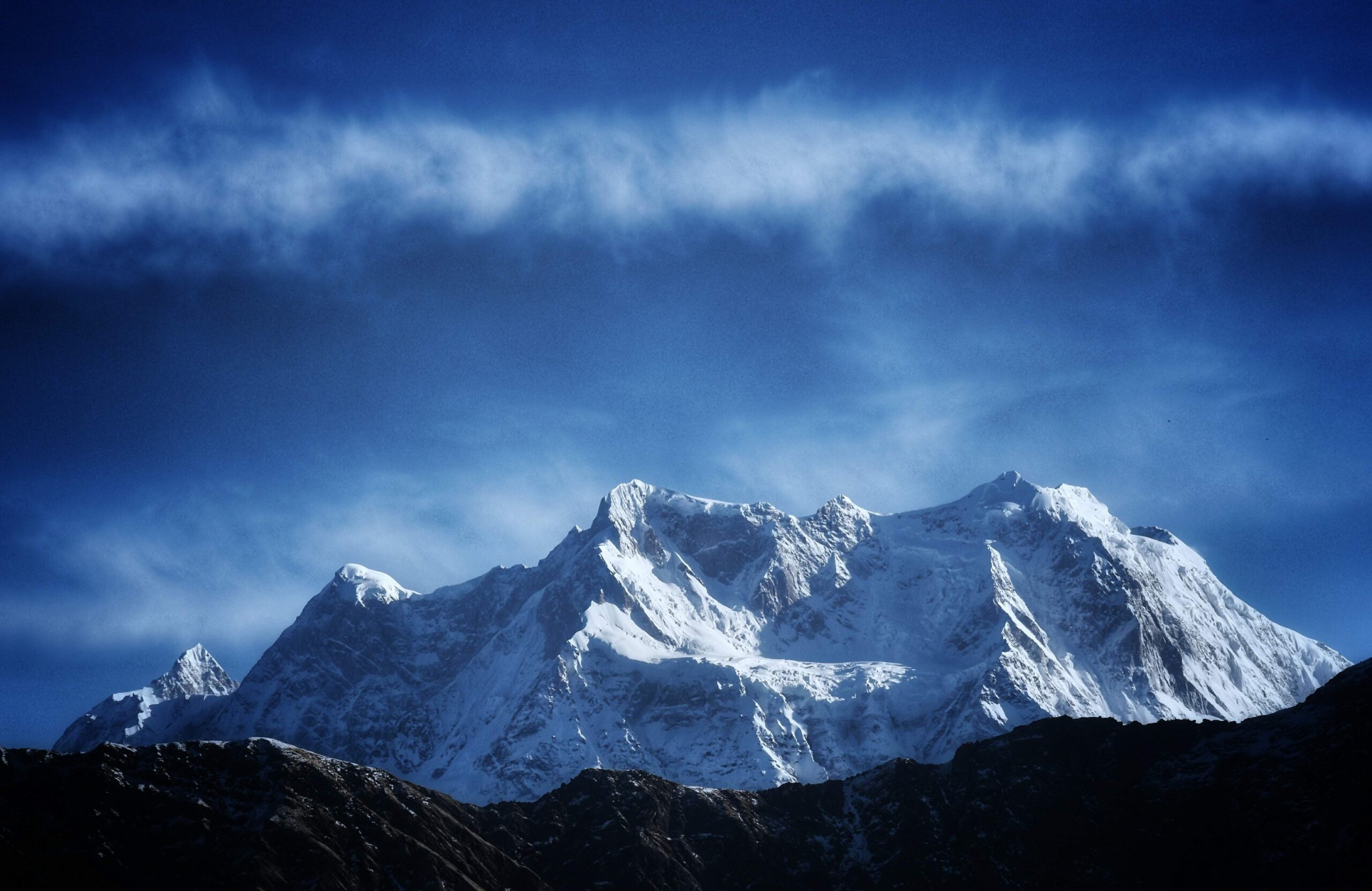
Among these, Trisul I is the highest and most prominent peak. Its towering snow-clad slopes dominate the skyline of the western Kumaon region and can often be seen from places such as Kausani and parts of the Garhwal Himalayas on clear days.
A long and massive ridge extends from Trisul I toward Trisul III, creating a dramatic mountain formation. The entire massif forms part of the southwestern boundary of the Nanda Devi Sanctuary, one of the most ecologically sensitive and visually spectacular regions in the Himalayas. The mountain lies southwest of the mighty Nanda Devi, India’s second-highest peak.
Geographical Importance
Mount Trisul is located in the Bageshwar district of Kumaon and forms an important part of the central Himalayan landscape. The mountain is surrounded by glaciers, alpine meadows, rocky ridges, and deep valleys carved by ancient ice movements. Nearby glaciers such as the Bidalgwar Glacier and the Rishi Ganga Valley have historically served as access routes for mountaineering expeditions.
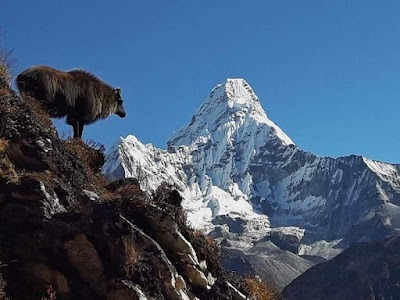
The region around Trisul is rich in biodiversity and forms part of the larger Himalayan ecosystem. Dense forests of oak, rhododendron, and pine gradually give way to alpine terrain as altitude increases. Wildlife such as Himalayan tahr, musk deer, snow leopard, and various high-altitude bird species inhabit the surrounding areas.
A Historic Mountain in Indian Mountaineering
Mount Trisul occupies a special place in the history of Himalayan climbing. In 1907, a British expedition led by Tom George Longstaff successfully climbed Trisul I. This ascent was considered a remarkable achievement at the time because it was the first summit over 7,000 meters to be climbed anywhere in the world.
The expedition approached the mountain through the remote Rishi Ganga Valley on the northern side. Given the limited equipment and difficult conditions of early Himalayan exploration, the success of the climb became a landmark moment in mountaineering history.
Later, in 1960, a Yugoslav mountaineering team known as JAHO successfully climbed Trisul II and Trisul III through the Bidalgwar Glacier route. These expeditions further established Trisul as one of the most respected climbing destinations in the Indian Himalayas.
Trekking and Adventure Around Trisul
Although climbing Trisul itself requires advanced mountaineering skills and official permits, the surrounding region offers excellent trekking opportunities for adventure enthusiasts. Trekking routes around Roopkund, Bedni Bugyal, and Ali Bugyal provide breathtaking views of the Trisul peaks.
The meadows surrounding the mountain are especially beautiful during summer and post-monsoon months, when green alpine grasslands contrast dramatically against the white snow peaks. During sunrise and sunset, the mountain often glows in shades of gold and orange, creating unforgettable Himalayan scenery.
Because of its rugged terrain, changing weather, and glacier-covered slopes, Trisul is considered a technically demanding mountain. Climbers attempting the summit need extensive high-altitude experience, physical endurance, and careful acclimatization.
Cultural and Spiritual Significance
Like many Himalayan peaks, Trisul is deeply connected to local beliefs and traditions. The mountain is regarded with reverence by many communities in Uttarakhand because of its symbolic association with Lord Shiva’s trident. In local folklore, the surrounding mountains are believed to be the dwelling places of divine powers and protective spirits.
Villages in the Kumaon region often celebrate festivals and rituals that honor the mountains, rivers, and forests that sustain life in these high-altitude environments. This spiritual relationship between nature and culture remains an important aspect of Himalayan identity.
Best Time to Visit
The ideal time to explore the Trisul region is between May and June and again from September to October. During these months, the skies are generally clear, temperatures are manageable, and mountain views are at their best.
Winter brings heavy snowfall to the region, making access difficult, while the monsoon season can trigger landslides and slippery trekking conditions.
Maps and Location
FAQs
Why is Mount Trisul famous?
Mount Trisul is famous for its three-peaked structure resembling Lord Shiva’s trident, its stunning Himalayan scenery, and its historical importance in mountaineering. Trisul I was the first mountain above 7,000 meters ever successfully climbed.
Where is Trisul located?
Trisul is located in the Kumaon region of Uttarakhand, near the Nanda Devi Sanctuary in the Indian Himalayas.
How high is Trisul I?
Trisul I stands at an elevation of 7,120 meters above sea level.
Can beginners climb Trisul?
No, climbing Trisul is considered highly technical and suitable only for experienced mountaineers with proper training and high-altitude experience.
What are the best trekking routes to view Trisul?
Popular trekking routes offering spectacular views of Trisul include Roopkund Trek, Bedni Bugyal Trek, and Ali Bugyal Trek.
What is the meaning of the name Trisul?
The name comes from the Hindi word “Trishul,” meaning trident, the sacred weapon associated with Lord Shiva.
When was Trisul first climbed?
Trisul I was first climbed in 1907 by a British expedition led by Tom George Longstaff.
Is Trisul part of the Nanda Devi region?
Yes, the Trisul massif forms part of the southwestern boundary of the Nanda Devi Sanctuary.