Image Source: Udaipur Explorer
About Bhirgupanth
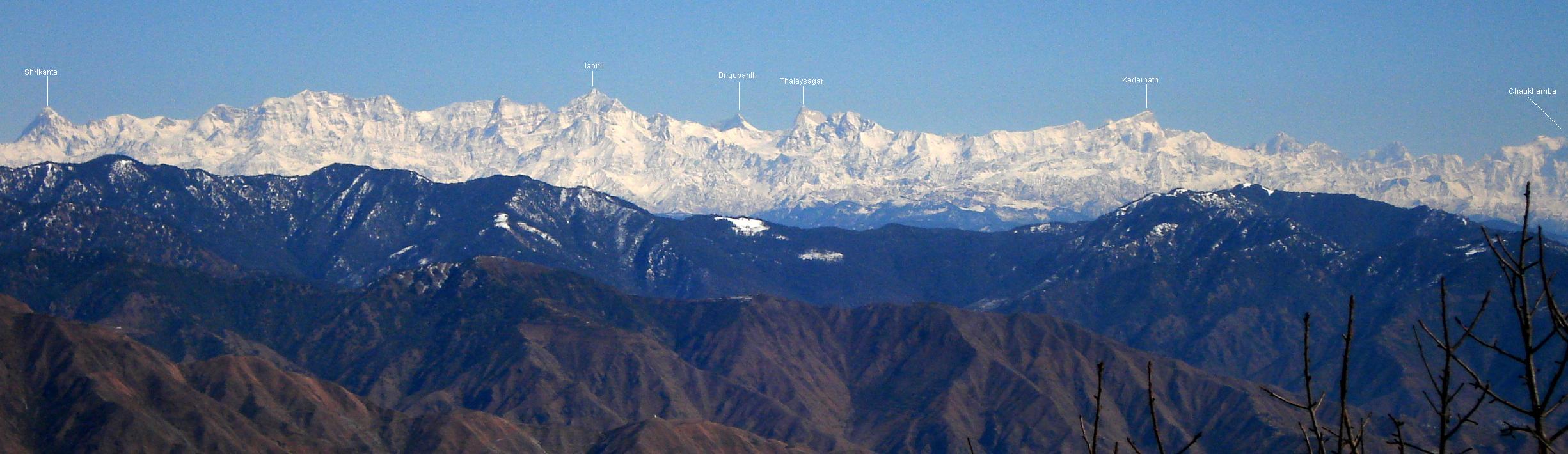
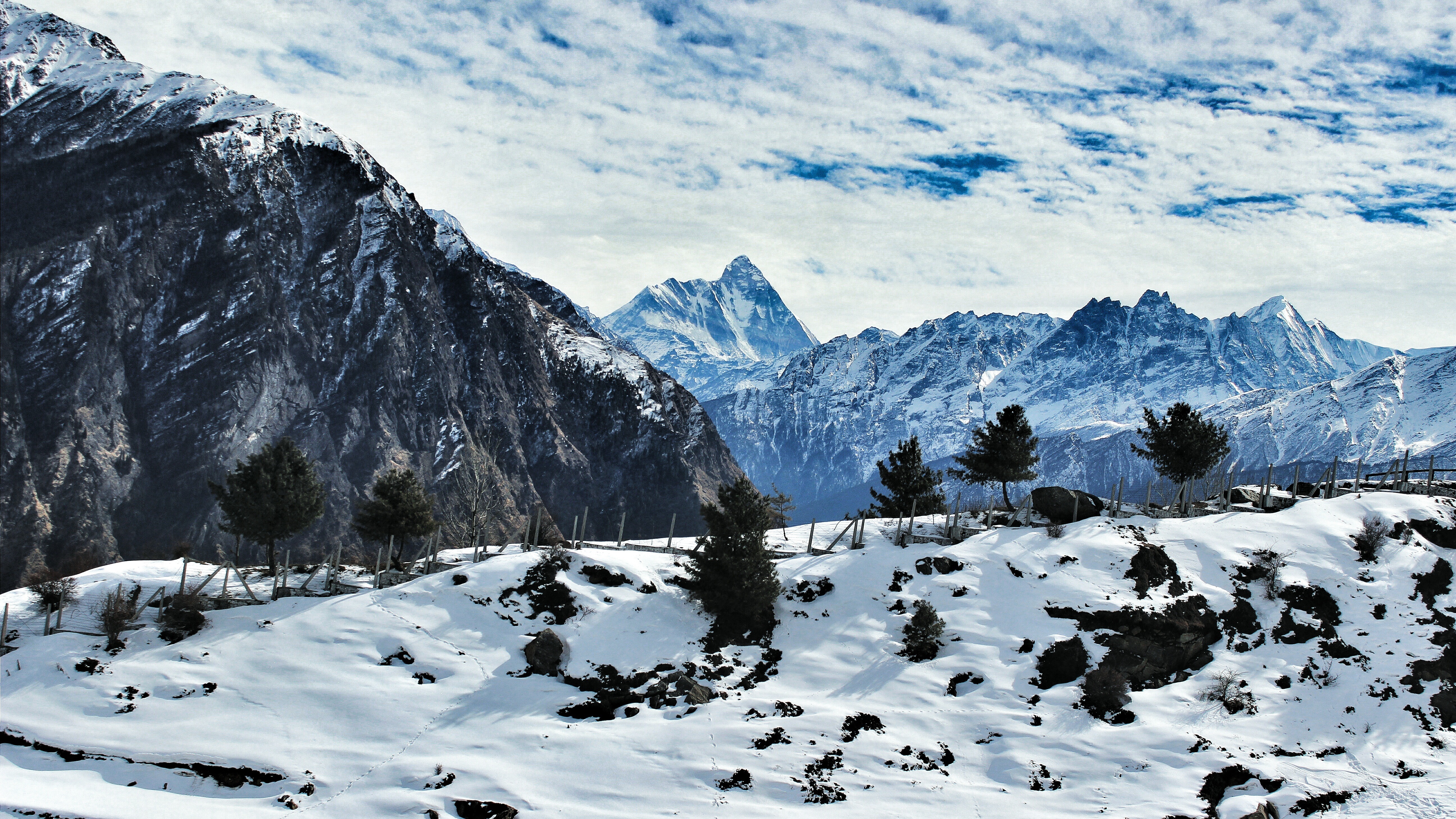
Rising high in the rugged wilderness of the Garhwal Himalayas, Bhirgupanth is one of the most striking mountain peaks in the region. Towering at an elevation of 6,772 meters (22,218 feet), the peak attracts seasoned mountaineers, trekkers, and Himalayan explorers who are drawn to its dramatic landscape and remote setting. Located in the heart of the Gangotri region of Uttarakhand, Bhirgupanth stands amidst a cluster of towering Himalayan giants, giving the entire area a raw and awe-inspiring beauty.
The mountain is surrounded by several famous peaks that dominate the skyline of the Garhwal Himalayas. To the northeast stands the imposing Thalay Sagar at 6,904 meters, known for its steep and technically challenging faces. Toward the northwest lies the legendary Meru Peak, rising to about 6,660 meters and famous worldwide for its difficult climbing routes. In the southern direction stands Manda III, another important Himalayan summit that adds to the dramatic mountain panorama around Bhirgupanth.
Mountaineering History
Bhirgupanth has an important place in the history of Himalayan mountaineering. The first successful ascent of the peak took place in 1980 during an Indian-American women’s expedition led by renowned mountaineer Arlene Blum. The team climbed the mountain through the challenging South Face route, marking a significant achievement in women-led Himalayan expeditions during that era.
Following this historic climb, several successful expeditions reached the summit in the years that followed, particularly during 1983, 1987, and 1988. Over time, Bhirgupanth became known among climbers as a technically demanding yet rewarding Himalayan peak, requiring strong glacier travel skills, endurance, and experience in high-altitude mountaineering.
Glaciers and River Systems
The region around Bhirgupanth is covered with vast glaciers that play an important role in the river systems of northern India. One of the most prominent glaciers here is Kedar Bamak, near which lies the beautiful high-altitude lake Kedar Tal. Surrounded by snow-covered mountains and rocky terrain, Kedar Tal is considered one of the most scenic glacial lakes in the Indian Himalayas.
The lake serves as the source of the Kedar Ganga river, which eventually merges with the sacred Bhagirathi River near Gangotri. Since the Bhagirathi is one of the primary headstreams of the Ganga, the glaciers around Bhirgupanth indirectly contribute to one of India’s most important river systems.
Other significant glaciers in the area include Kirti Bamak and Bhirgupanth Bamak, located on the eastern and southeastern sides of the mountain. These glaciers shape the harsh yet mesmerizing geography of the region and remain vital freshwater reserves for the Himalayan ecosystem.
Trekking and Natural Beauty
Although Bhirgupanth itself is primarily meant for experienced mountaineers, the surrounding region is popular among trekkers and nature lovers. The trek to Kedar Tal offers breathtaking views of towering Himalayan peaks, glacial valleys, alpine meadows, and rugged moraine landscapes. During clear weather, trekkers can witness spectacular reflections of nearby mountains in the icy waters of the lake.
The area is also rich in Himalayan flora and fauna. Blue sheep, Himalayan birds, and occasional sightings of snow leopards have been reported in the higher reaches of the region. The pristine environment, combined with spiritual associations linked to Gangotri and the upper Bhagirathi valley, gives the region both ecological and cultural significance.
Best Time to Visit
The best time to explore the Bhirgupanth region is between May and June and again from September to October. During these months, the weather remains relatively stable, skies are clearer, and trekking routes are more accessible. The monsoon season often brings landslides and slippery trails, while winters cover the region in heavy snow, making access extremely difficult.
Maps and Location
FAQs
1. Where is Bhirgupanth located?
Bhirgupanth is located in the Garhwal Himalayas of Uttarakhand, near the Gangotri region in northern India.
2. How high is Bhirgupanth?
The mountain stands at an elevation of 6,772 meters (22,218 feet) above sea level.
3. Who first climbed Bhirgupanth?
The first successful ascent was made in 1980 by an Indian-American women’s expedition led by Arlene Blum.
4. What is the nearest trekking destination to Bhirgupanth?
Kedar Tal is the nearest and most popular trekking destination in the region, offering stunning views of the surrounding Himalayan peaks.
5. Which rivers originate near Bhirgupanth?
The Kedar Ganga originates from the glaciers near Bhirgupanth and later joins the Bhagirathi River at Gangotri.
6. Is Bhirgupanth suitable for beginner climbers?
No, Bhirgupanth is considered a challenging Himalayan peak and is recommended only for experienced mountaineers with high-altitude climbing skills.
7. What are the nearby famous peaks around Bhirgupanth?
Nearby notable peaks include Thalay Sagar, Meru Peak, and Manda III.
8. What is the best season to visit the Bhirgupanth region?
The ideal seasons are summer (May–June) and post-monsoon autumn (September–October).