About Gangotri Peaks
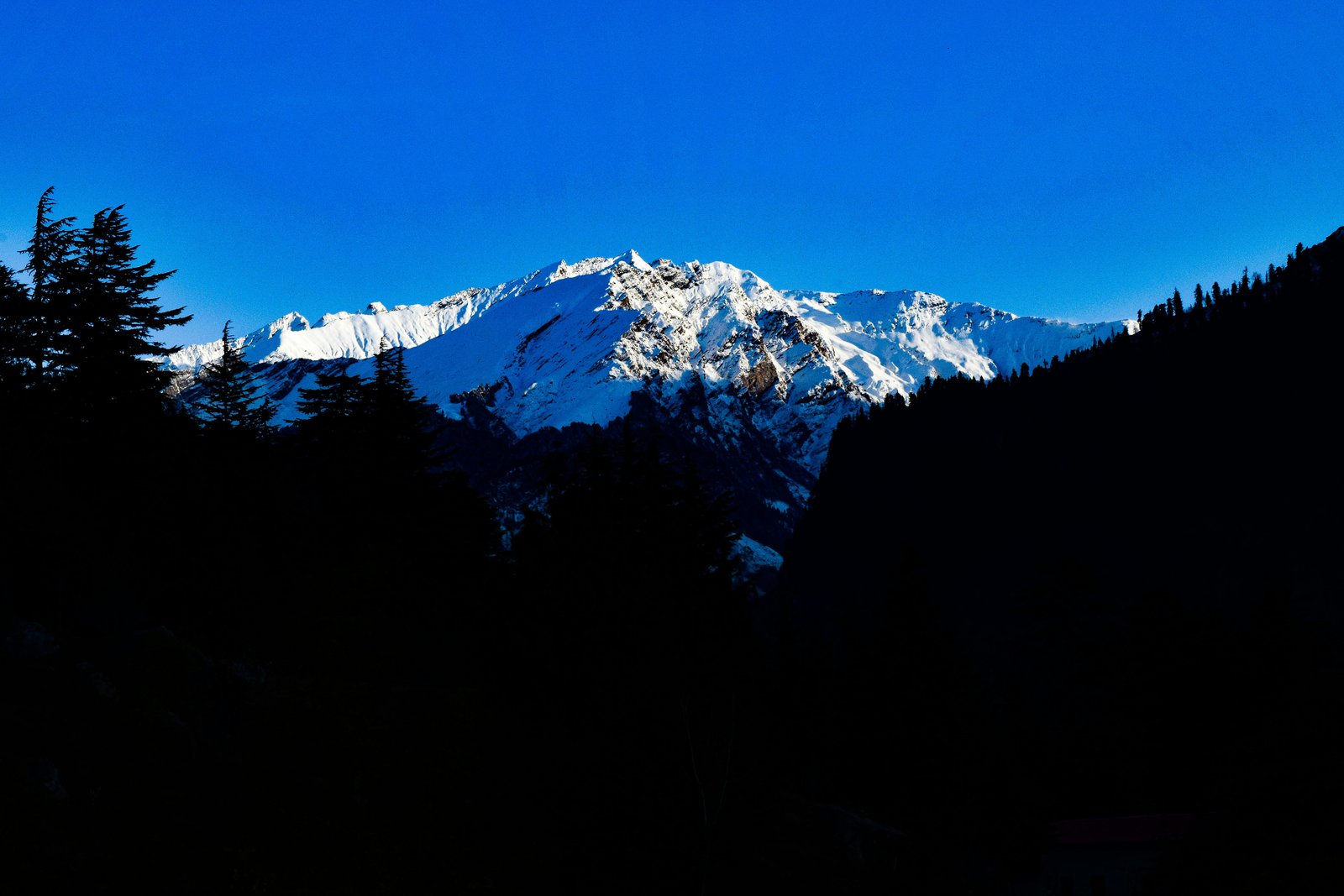
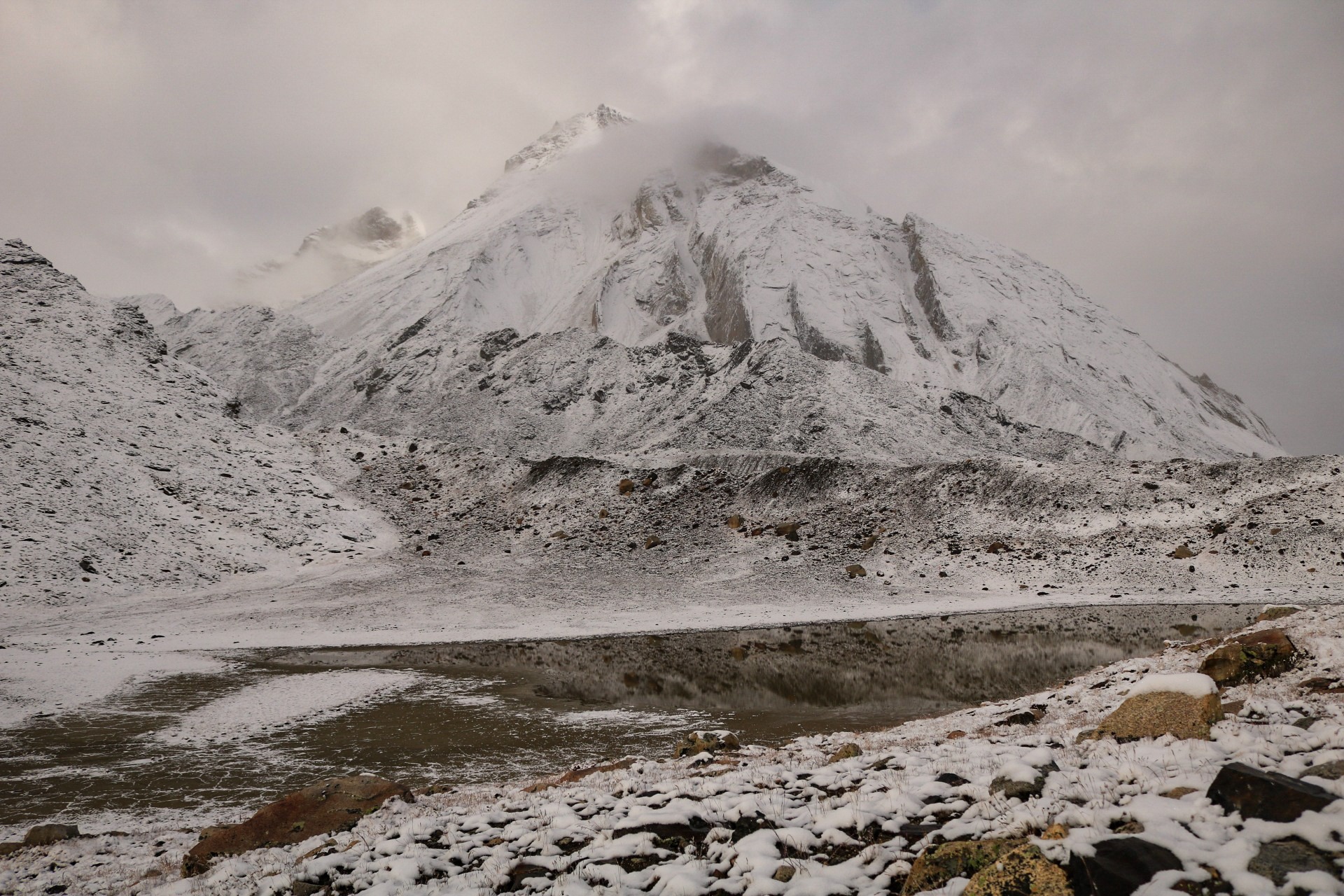
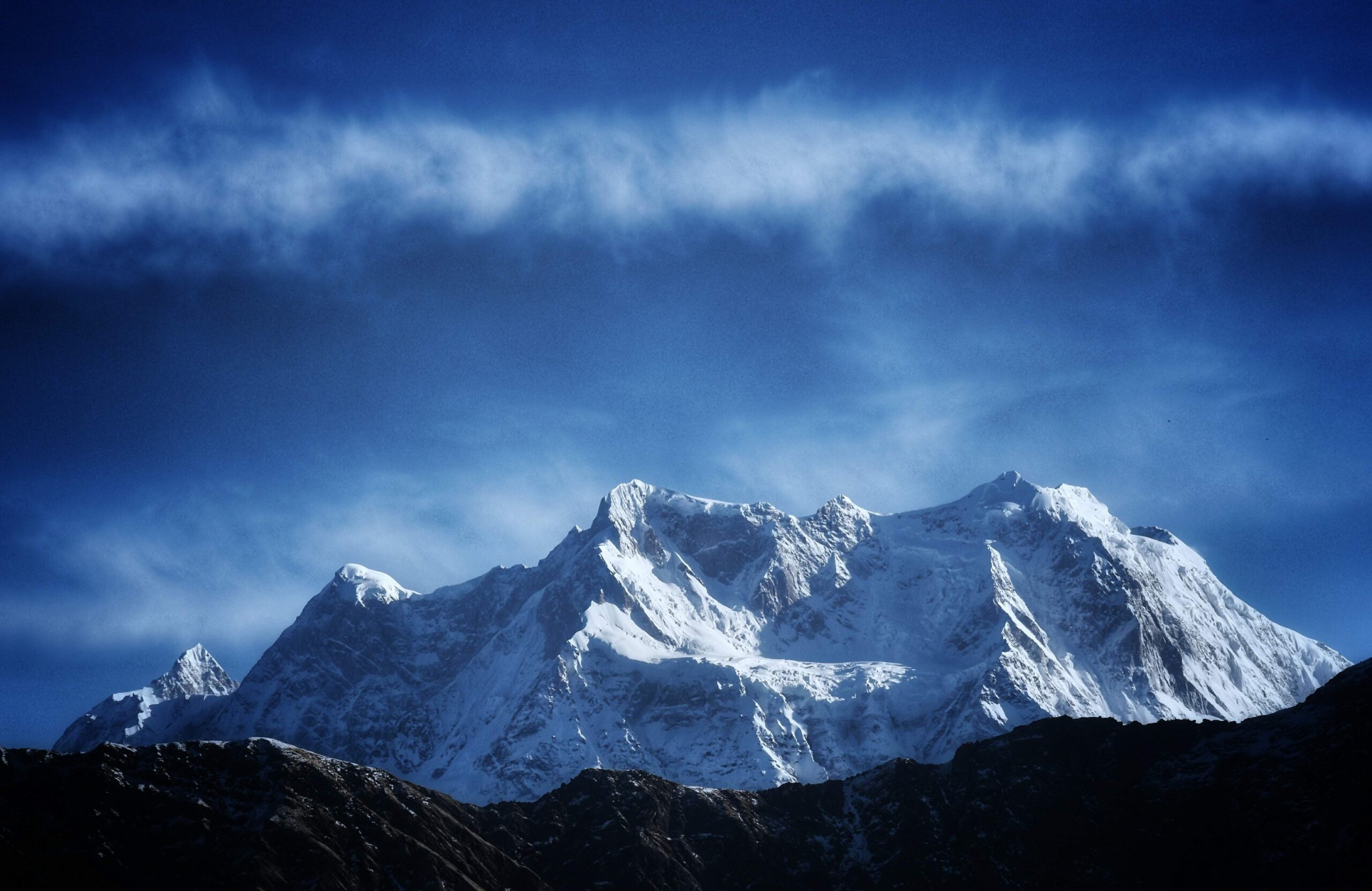
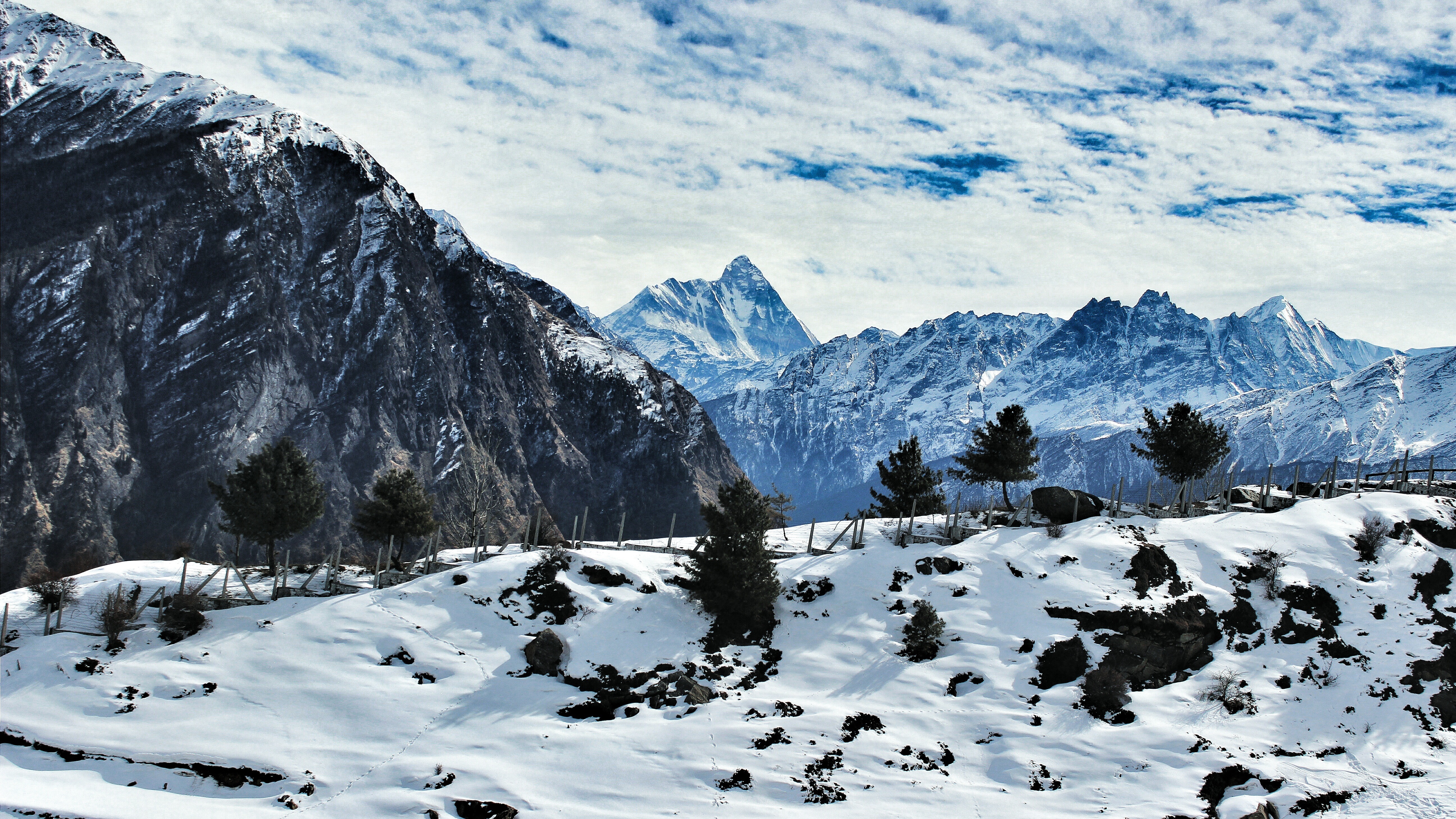
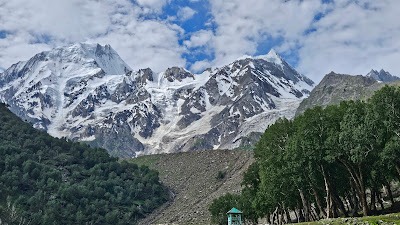
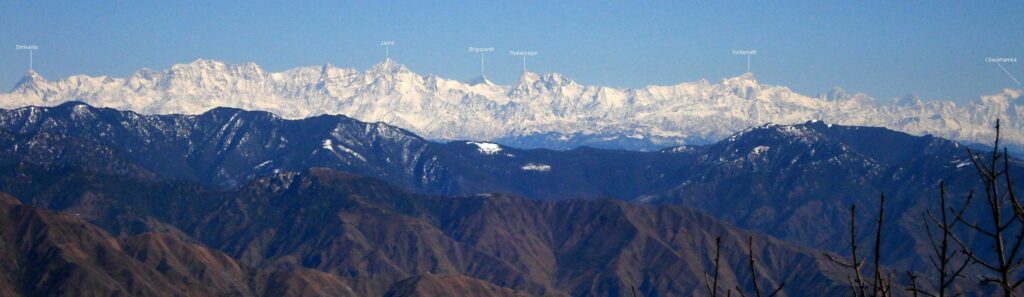
The Gangotri Peaks are among the most magnificent mountain groups in the Garhwal Himalayas of Uttarakhand. Towering above the legendary Gangotri Glacier, these snow-clad summits form one of the most spectacular alpine landscapes in India. The group consists of three prominent peaks—Gangotri I (6,672 m), Gangotri II (6,590 m), and Gangotri III (6,577 m). Together, they dominate the skyline of the upper Bhagirathi Valley and attract experienced mountaineers from around the world.
Gangotri I is the highest summit of the group, followed by Gangotri II and Gangotri III. These rugged peaks are covered with glaciers, steep rock faces, and permanent snowfields, making them a challenging destination for technical climbing expeditions. The mountains are situated within the protected landscape of Gangotri National Park, an area known for its pristine Himalayan wilderness, rare wildlife, and breathtaking scenery.
Gangotri III is bordered by the Rudugaira Bamak Glacier on its western side, while the famous Auden’s Col, one of the most demanding high-altitude mountain passes in the Indian Himalayas, lies nearby. The region is characterized by deep glacial valleys, icy streams, moraines, and dramatic granite cliffs that create an unforgettable mountain panorama.
The Gangotri Peaks hold immense spiritual significance because they overlook the Gangotri Glacier, the source of the sacred Bhagirathi River, which later becomes the River Ganga after meeting the Alaknanda at Devprayag. Gangotri is one of the four sacred pilgrimage sites of the Char Dham Yatra, making this mountain range important not only for adventure seekers but also for pilgrims and nature lovers.
The best time to admire the Gangotri Peaks is between May and June and September to October, when the skies are generally clear and the snow-covered summits remain visible. During winter, heavy snowfall blankets the entire region, making access difficult except for specialized expeditions.
Other Notable Peaks Around the Gangotri Glacier
Kedarnath Peak and Kedarnath Dome
Located southwest of the Gangotri Glacier, Kedarnath Peak (6,940 m) is one of the tallest and most striking mountains in the Garhwal Himalayas. Beside it stands Kedarnath Dome (6,831 m), a broad snow-covered summit that is comparatively less technical but equally impressive. These mountains are among the most recognizable peaks visible from several trekking routes in the region and are popular objectives for experienced mountaineers.
Shivling Peak
Standing at 6,543 meters, Shivling Peak is often regarded as one of the most beautiful mountains in the Himalayas. Revered as the symbolic abode of Lord Shiva, it rises dramatically above the Gangotri Glacier with its steep granite faces. Early European climbers nicknamed it the “Matterhorn of India” because of its striking pyramid-like appearance. Today, Shivling remains one of India’s most iconic and technically demanding climbing peaks.
Meru Peak
Situated between Shivling and Thalay Sagar, Meru Peak (6,660 m) is famous for its three distinct summits—Meru North, Meru Central, and Meru South. Its nearly vertical granite wall, known as the Shark’s Fin, is considered one of the toughest big-wall climbing challenges in the world. Successful ascents of this wall have earned legendary status in the mountaineering community.
Thalay Sagar Peak
Towering to an elevation of 6,904 meters, Thalay Sagar is among the most technically challenging mountains in the Garhwal Himalayas. Its steep rock faces and dramatic ice-covered slopes make it a dream destination for elite climbers. The beautiful Kedartal Lake, one of Uttarakhand’s most stunning glacial lakes, lies at the base of this majestic peak and serves as the starting point for many climbing expeditions.
How to Reach Gangotri Peaks
The Gangotri Peaks are not directly accessible, but they can be viewed from Gangotri and explored through trekking and mountaineering routes.
By Air: The nearest airport is Jolly Grant Airport, Dehradun, located about 265 km from Gangotri. From the airport, taxis and buses are available to Uttarkashi and Gangotri.
By Train: The closest railway stations are Rishikesh and Dehradun, both of which are well connected to major Indian cities. From there, road transport is available to Gangotri.
By Road: Gangotri is connected by motorable roads via Rishikesh – Chamba – Uttarkashi – Harsil – Gangotri. State-run and private buses, shared jeeps, and taxis operate regularly during the Char Dham Yatra season.
Trekking Access: Experienced trekkers and climbers usually begin from Gangotri, following routes toward Gaumukh, Tapovan, Nandanvan, or Kedartal, depending on the mountain or viewpoint they intend to visit. Technical climbs require permits from the Indian Mountaineering Foundation (IMF) and experienced guides.
Nearby Attractions
Gangotri Temple
One of the holiest shrines dedicated to Goddess Ganga, Gangotri Temple is a major stop on the Char Dham pilgrimage and serves as the gateway to the surrounding Himalayan peaks.
Gaumukh Glacier
The snout of the Gangotri Glacier, Gaumukh is considered the source of the Bhagirathi River. The trek to Gaumukh is among the most popular high-altitude hikes in Uttarakhand.
Tapovan
Located above Gaumukh, Tapovan is a beautiful alpine meadow offering spectacular views of Shivling, Bhagirathi Peaks, and the Gangotri mountain range. It is also a favorite campsite for trekkers and mountaineers.
Nandanvan
Situated on the opposite side of the Gangotri Glacier, Nandanvan is another scenic high-altitude meadow known for panoramic views of Gangotri I, II, III, Bhagirathi Peaks, and Shivling.
Kedartal Lake
This emerald glacial lake sits at an altitude of nearly 4,750 meters beneath Thalay Sagar and Bhrigupanth Peaks. The challenging trek to Kedartal rewards visitors with one of the finest alpine landscapes in the Himalayas.
Harsil
Around 25 km before Gangotri, Harsil is a peaceful Himalayan village known for its apple orchards, dense deodar forests, and scenic views along the Bhagirathi River. It is an excellent place to relax before continuing to Gangotri.
Maps
FAQs
1. Where are the Gangotri Peaks located?
The Gangotri Peaks are located above the Gangotri Glacier in Uttarkashi district of Uttarakhand, within Gangotri National Park.
2. Which is the highest peak in the Gangotri group?
Gangotri I, at 6,672 meters, is the highest summit in the Gangotri Peaks group.
3. Can tourists climb the Gangotri Peaks?
Only experienced mountaineers with proper permits, technical equipment, and professional guides can attempt these peaks.
4. When is the best time to visit the Gangotri region?
The ideal months are May to June and September to October, when weather conditions are generally favorable and mountain views are clear.
5. Do I need a permit to trek near the Gangotri Glacier?
Yes. Treks to Gaumukh, Tapovan, and several nearby routes require permits issued by the Forest Department, while climbing expeditions require additional approvals.
6. Are the Gangotri Peaks visible from Gangotri town?
Some distant views are possible from around Gangotri, but the best and closest views are obtained from trekking routes such as Tapovan, Nandanvan, and Kedartal.
7. Is the region suitable for beginner trekkers?
Gangotri town and the Gaumukh trek are suitable for reasonably fit trekkers, but routes leading closer to the Gangotri Peaks and all climbing expeditions are recommended only for experienced trekkers and mountaineers.