Credit: Prasanna Bandargall
About Satopanth Glacier
Hidden deep in the high Himalayas of Uttarakhand, the Satopanth Glacier is one of the most fascinating natural wonders in the Garhwal region. Located in the Chamoli district, this glacier is the primary source of the sacred Alaknanda River, one of the main tributaries of the Ganga. Surrounded by towering snow-covered peaks, rocky moraines, and rugged mountain landscapes, Satopanth Glacier attracts trekkers, pilgrims, photographers, and mountaineers looking to experience the raw beauty of the Himalayas.
The name “Satopanth” comes from two Sanskrit words — Satya meaning truth and Panth meaning path. Together, the name translates to “the path of truth.” This spiritual meaning gives the glacier and the surrounding region a sacred identity in Hindu tradition. The area is not only admired for its dramatic geography but is also deeply connected with mythology and religious beliefs.
Mythological Significance
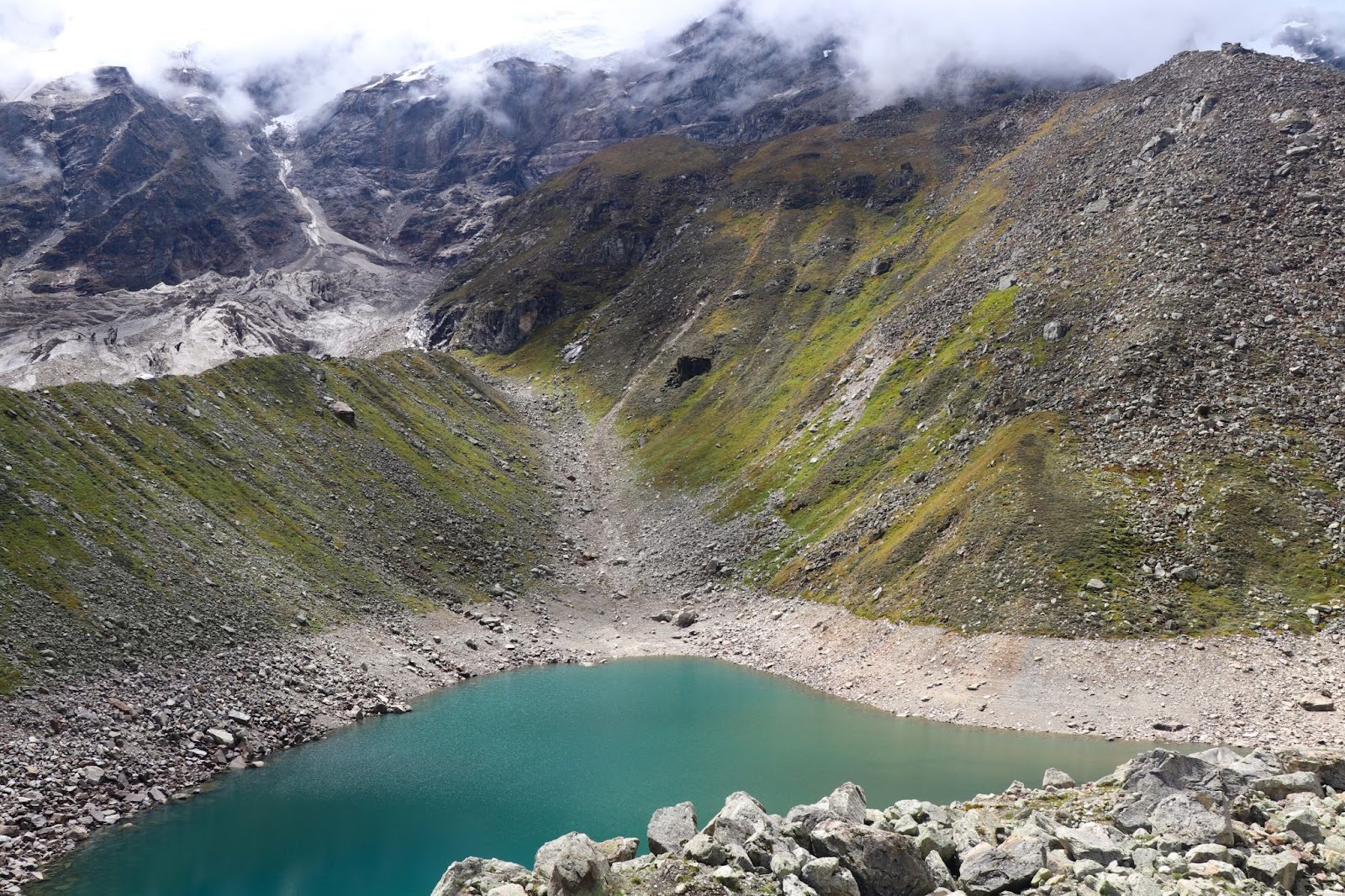
In Hindu mythology, the Satopanth region is considered highly sacred. Nearby lies the famous Satopanth Tal, a triangular glacial lake believed to be the meditation site of the Hindu trinity — Lord Brahma, Lord Vishnu, and Lord Shiva. According to local legends, each corner of the triangular lake represents one of these deities. Many devotees and saints visit the region during the summer months seeking spiritual peace and solitude amidst the Himalayas.
The region is also linked to the epic Mahabharata. It is believed that the Pandavas passed through this route on their final journey toward heaven, known as the Mahaprasthan. Because of these stories, the entire Satopanth valley holds immense spiritual importance for pilgrims visiting Badrinath and Mana village.
Geography and Surrounding Peaks
Situated at an altitude of around 4,600 meters above sea level, Satopanth Glacier stretches for nearly 13 kilometers through rugged Himalayan terrain. The glacier lies in a remote high-altitude environment where weather conditions can change rapidly, making the trek both adventurous and challenging.
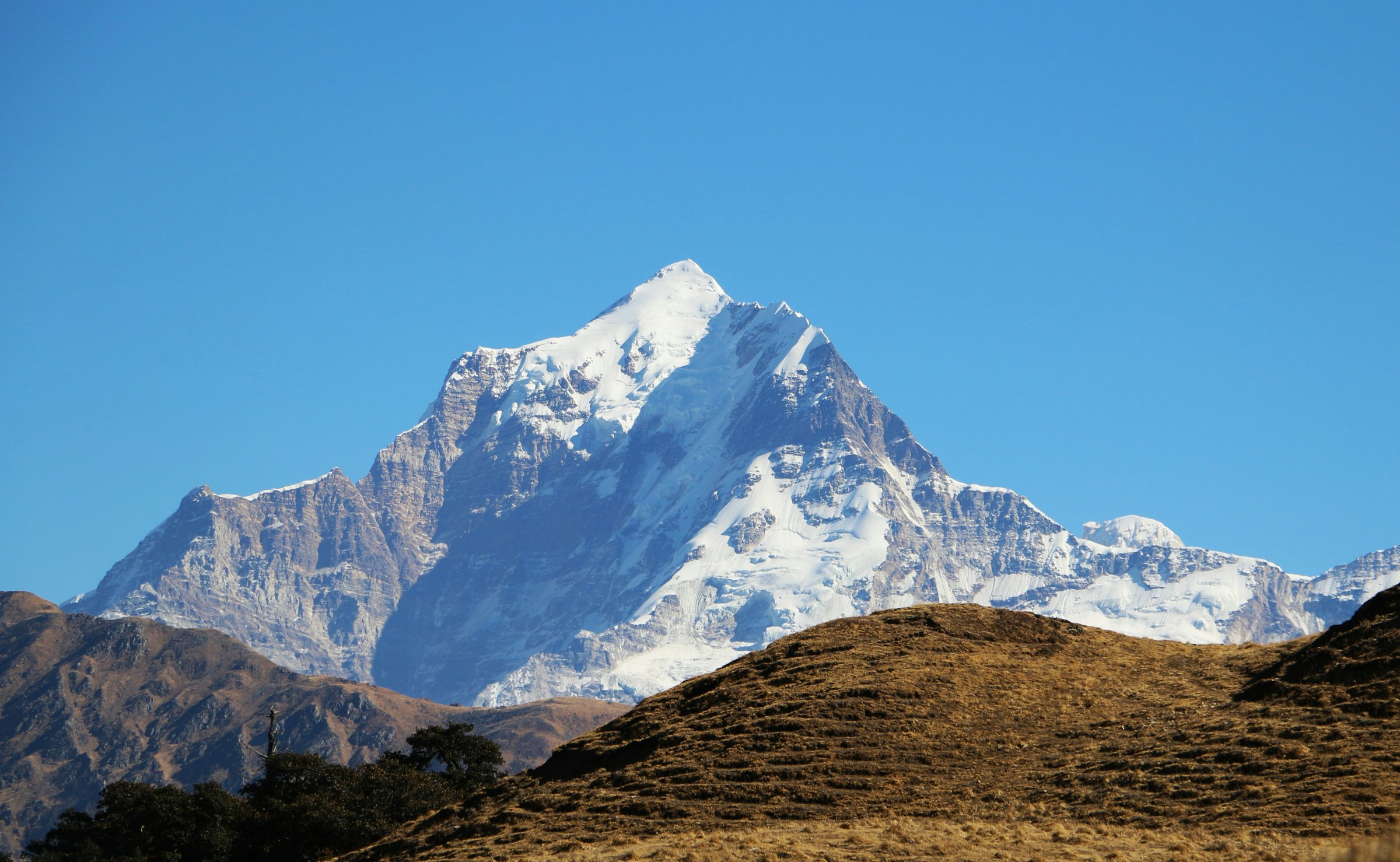
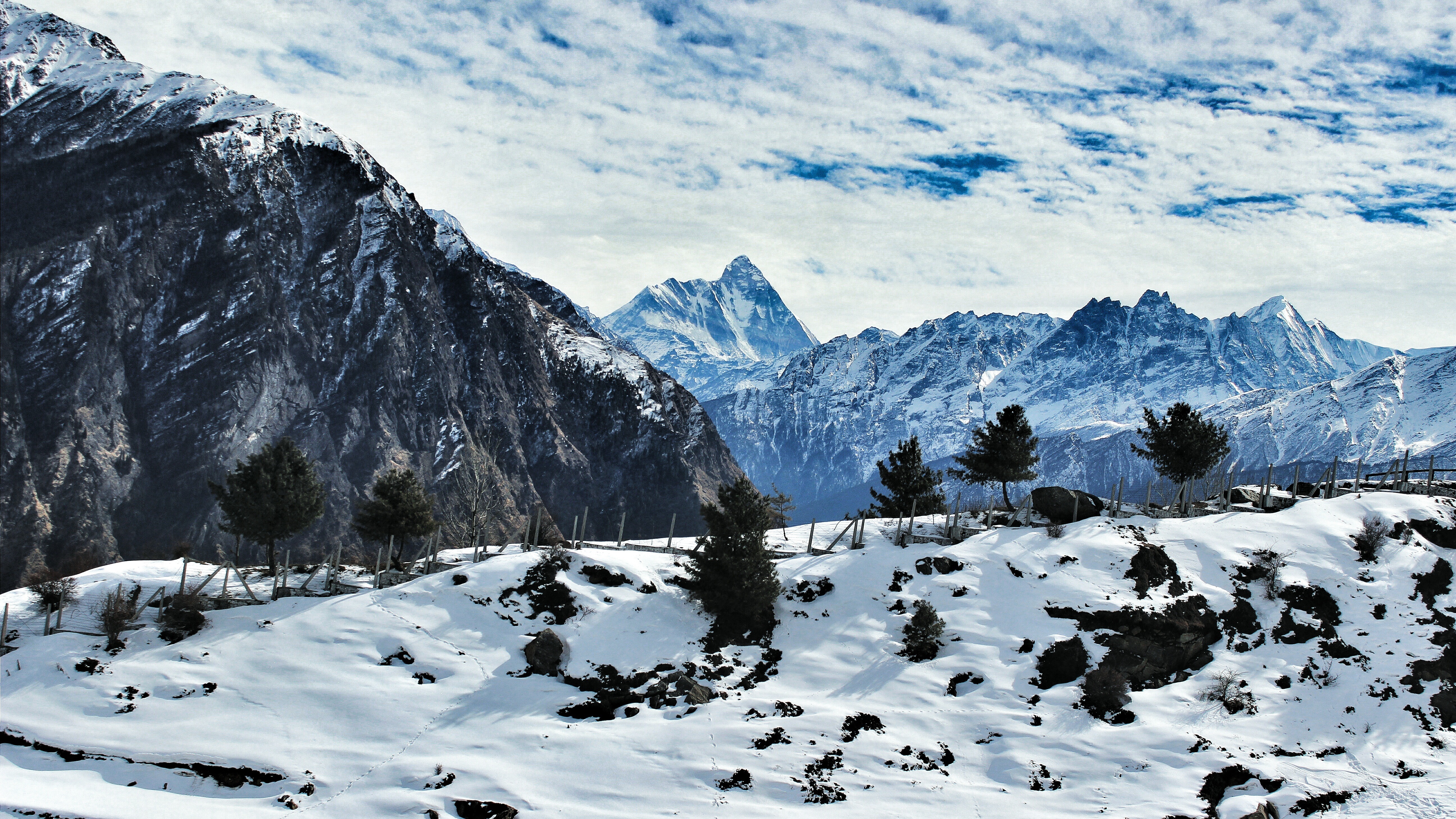
The glacier is surrounded by some of the most majestic peaks in the Garhwal Himalayas. To the northwest stands the stunning Neelkanth Peak, often called the “Garhwal Queen” because of its dramatic pyramid-like shape. Nearby, the mighty Chaukhamba Peak dominates the skyline with its massive snow-covered summit. The sacred Badrinath Peak also lies close to the glacier region.
Satopanth Glacier is separated from the Bhagirath Kharak Glacier by the towering Balkun Peak, which rises to an elevation of around 6,471 meters. The combination of glaciers, moraines, steep ridges, and alpine landscapes creates a spectacular setting that feels untouched and wild.
Trek to Satopanth Glacier
The journey to Satopanth Glacier usually begins from Mana Village, often referred to as the last Indian village near the Indo-Tibetan border. Mana is located around 45 kilometers from Joshimath and a few kilometers beyond the sacred town of Badrinath.
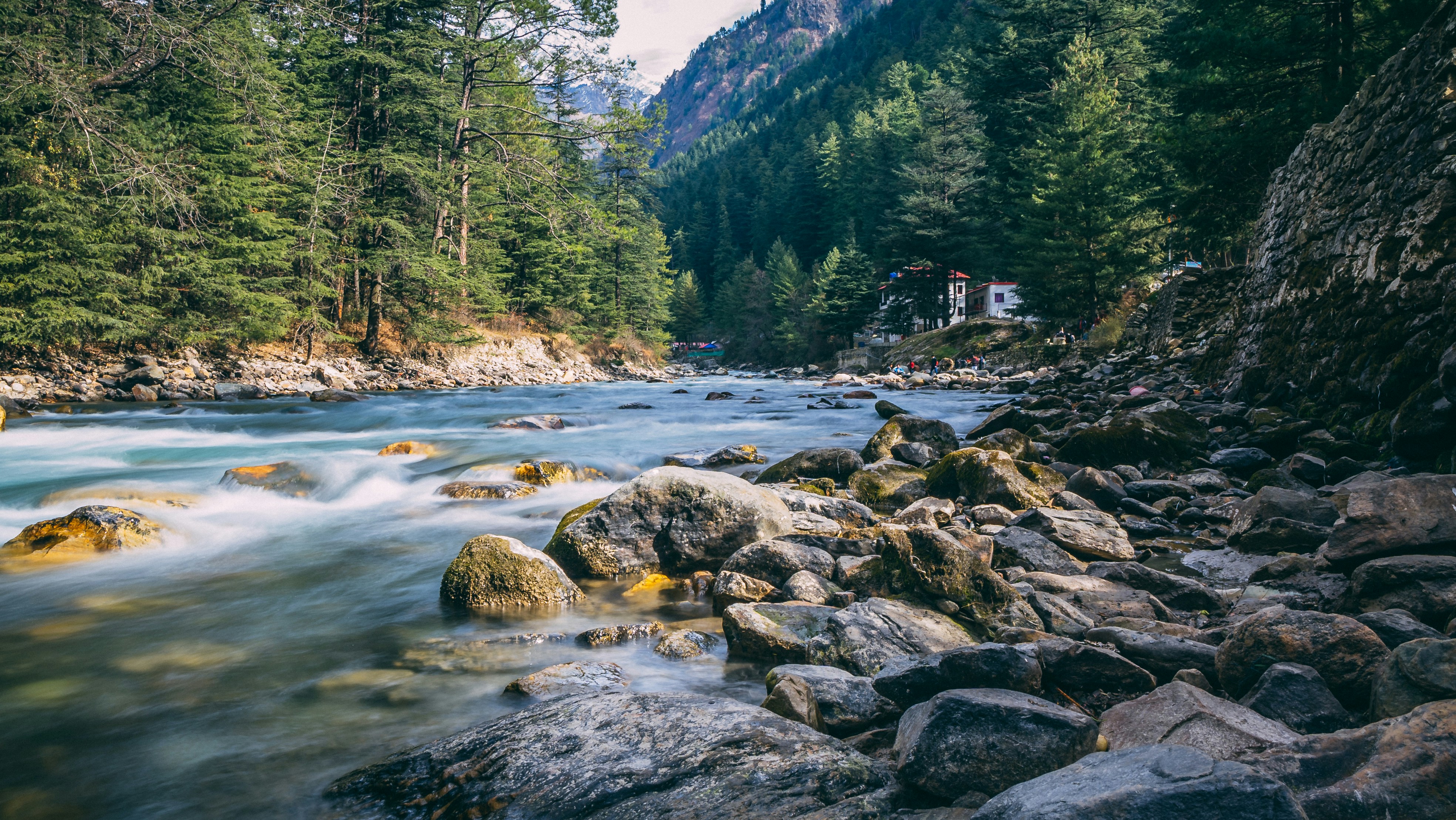
The trek route follows the Alaknanda River through rocky mountain terrain and high-altitude meadows. One of the major attractions on the way is the beautiful Vasudhara Falls, a magnificent waterfall cascading from a great height into the valley below. Beyond the waterfall, the terrain becomes more rugged and isolated as trekkers move toward the glacier.
After trekking several kilometers uphill from Vasudhara, the snout of the Satopanth Glacier becomes visible. The route demands good physical fitness because of steep climbs, thin air, and unpredictable weather. However, the breathtaking Himalayan scenery makes the effort worthwhile.
Climate and Best Time to Visit
The Satopanth Glacier region remains covered with snow for much of the year. Summers between May and September are considered the best time to visit because the weather becomes relatively stable and trekking routes remain accessible. During winter, heavy snowfall and extreme cold make the area difficult and dangerous to reach.
Even during summer, temperatures can drop significantly at night. Trekkers should carry warm clothing, rain protection, trekking gear, and proper medical supplies while visiting the region.
Melting of the Glacier and Climate Change
Like many Himalayan glaciers, Satopanth Glacier has also been affected by climate change. Scientists and environmental researchers have observed gradual glacier retreat and melting over the years due to rising temperatures and changing weather patterns. However, compared to glaciers like Gangotri Glacier, the visible impact on Satopanth Glacier is considered relatively less severe at present.
The melting of Himalayan glaciers remains a serious environmental concern because these glaciers are important freshwater sources for rivers across northern India. Changes in glacier size can eventually affect river flow, ecosystems, agriculture, and water availability downstream.
Nearby Attractions to Satopanth Glacier
Satopanth Glacier lies in the upper reaches of the Garhwal Himalayas near Badrinath and serves as the source of the sacred Alaknanda River. Surrounded by towering snow-clad peaks and pristine alpine landscapes, the glacier is close to several remarkable natural and religious attractions that can be explored during the trek or while staying in Badrinath.
1. Satopanth Tal
Located about 5 km beyond the glacier trekking route, Satopanth Tal is one of the most sacred high-altitude lakes in Uttarakhand. Sitting at an elevation of around 4,600 metres, the triangular lake is believed to have been visited by Lord Brahma, Lord Vishnu, and Lord Shiva. The crystal-clear waters reflect the surrounding Himalayan peaks, making it one of the most picturesque alpine lakes in the Garhwal region.
2. Badrinath Temple
Around 25 km from the trek’s starting point, Badrinath Temple is one of the four Char Dham pilgrimage sites and among the holiest temples dedicated to Lord Vishnu. Thousands of devotees visit every year between May and November. Before beginning the Satopanth Glacier trek, many trekkers seek blessings at the temple.
3. Mana Village
Known as the last inhabited Indian village before the Indo-Tibetan border, Mana Village is located just 3 km from Badrinath. The village is famous for its traditional stone houses, Bhotia culture, local handicrafts, and mythological significance. It serves as the starting point for the Satopanth Glacier and Satopanth Tal trek.
4. Vasudhara Falls
Approximately 5 km from Mana Village, Vasudhara Falls plunges from a height of nearly 120 metres. According to local belief, the waterfall’s water touches only those who are pure at heart. The scenic trek to the falls offers magnificent views of snow-covered mountains and lush alpine meadows.
5. Bhim Pul
Located just beyond Mana Village, Bhim Pul is a massive natural rock bridge spanning the Saraswati River. Hindu mythology states that Bhima placed this rock across the river to help Draupadi cross during the Pandavas’ final journey to heaven. It remains one of the most visited landmarks in the area.
6. Saraswati River Origin
Near Bhim Pul, visitors can witness the roaring Saraswati River emerging from a narrow mountain gorge. Although the visible stretch is short, the river holds immense religious importance and eventually disappears underground before symbolically meeting the Alaknanda at Keshav Prayag.
7. Vyas Gufa
Situated in Mana Village, Vyas Gufa is believed to be the cave where Sage Ved Vyasa composed the Mahabharata and classified the Vedas. It is an important pilgrimage site and attracts both spiritual seekers and history enthusiasts.
8. Ganesh Gufa
A short walk from Vyas Gufa leads to Ganesh Gufa, where Lord Ganesha is believed to have written down the Mahabharata as Sage Vyasa dictated it. The cave is a popular stop for visitors exploring Mana Village.
9. Charan Paduka
Located about 3 km from Badrinath, Charan Paduka is a revered rock bearing footprints believed to belong to Lord Vishnu. The moderate uphill trek rewards visitors with breathtaking panoramic views of the surrounding Himalayan landscape.
10. Neelkanth Peak
Towering above Badrinath at approximately 6,597 metres, Neelkanth Peak is often called the “Garhwal Queen.” Its snow-covered summit glows brilliantly during sunrise and sunset, offering one of the most iconic mountain views in Uttarakhand.
Why Satopanth Glacier is Special
Satopanth Glacier is much more than a frozen river of ice. It is a blend of mythology, spirituality, adventure, and Himalayan beauty. The region offers an unforgettable experience where towering peaks, sacred legends, and untouched landscapes come together. Whether someone visits for trekking, photography, religious significance, or simply to witness the grandeur of nature, Satopanth Glacier leaves a lasting impression on every traveler.
Maps and Location
FAQs
Where is Satopanth Glacier located?
Satopanth Glacier is located in the Chamoli district of Uttarakhand in the Garhwal Himalayas. It lies near Mana village and Badrinath.
What is the altitude of Satopanth Glacier?
The glacier is situated at an elevation of approximately 4,600 meters above sea level.
Why is Satopanth Glacier famous?
Satopanth Glacier is famous for being the source of the Alaknanda River, its connection with Hindu mythology, and its breathtaking Himalayan scenery.
Is Satopanth Glacier connected to Satopanth Tal?
Yes, the glacier region lies close to Satopanth Tal, a sacred high-altitude glacial lake associated with Lord Brahma, Vishnu, and Shiva.
How difficult is the Satopanth Glacier trek?
The trek is considered moderately difficult to difficult because of high altitude, rocky terrain, and rapidly changing weather conditions.
What is the best time to visit Satopanth Glacier?
The ideal time to visit is from May to September when the trekking route is relatively accessible and weather conditions are favorable.
How do I reach Satopanth Glacier?
Travelers first reach Badrinath and then continue to Mana village. From Mana, the trek toward Satopanth Glacier begins.
Which major peaks surround the glacier?
Major peaks around the glacier include Neelkanth, Chaukhamba, Badrinath Peak, and Balkun Peak.
Is Satopanth Glacier melting?
Yes, scientists have observed gradual melting due to climate change, although the impact is currently less noticeable compared to some other Himalayan glaciers.
Can beginners do the Satopanth Glacier trek?
Beginners with good physical fitness and proper preparation can attempt the trek, preferably with experienced guides or trekking groups.