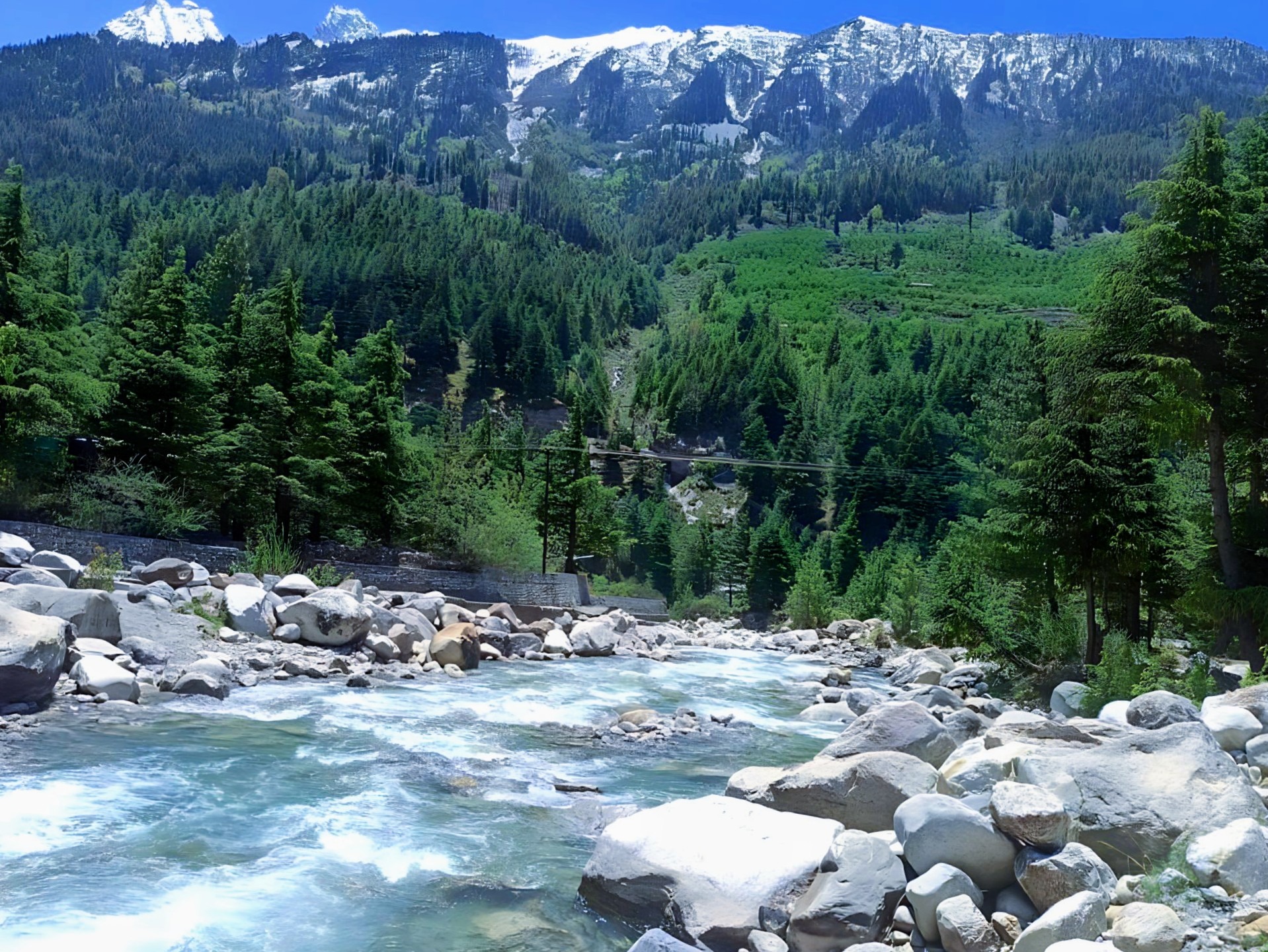
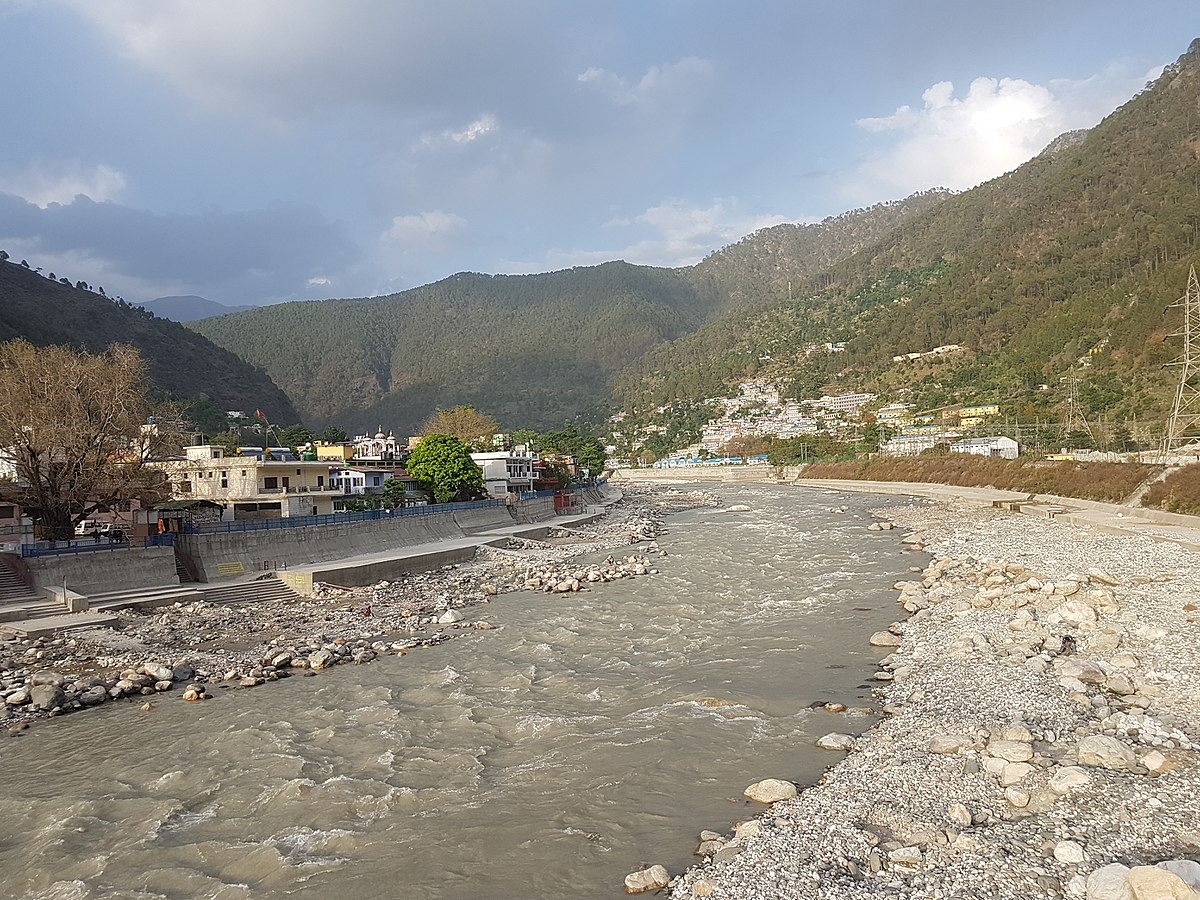
Image Source: Sandeep Kumar
About Gangotri Temple
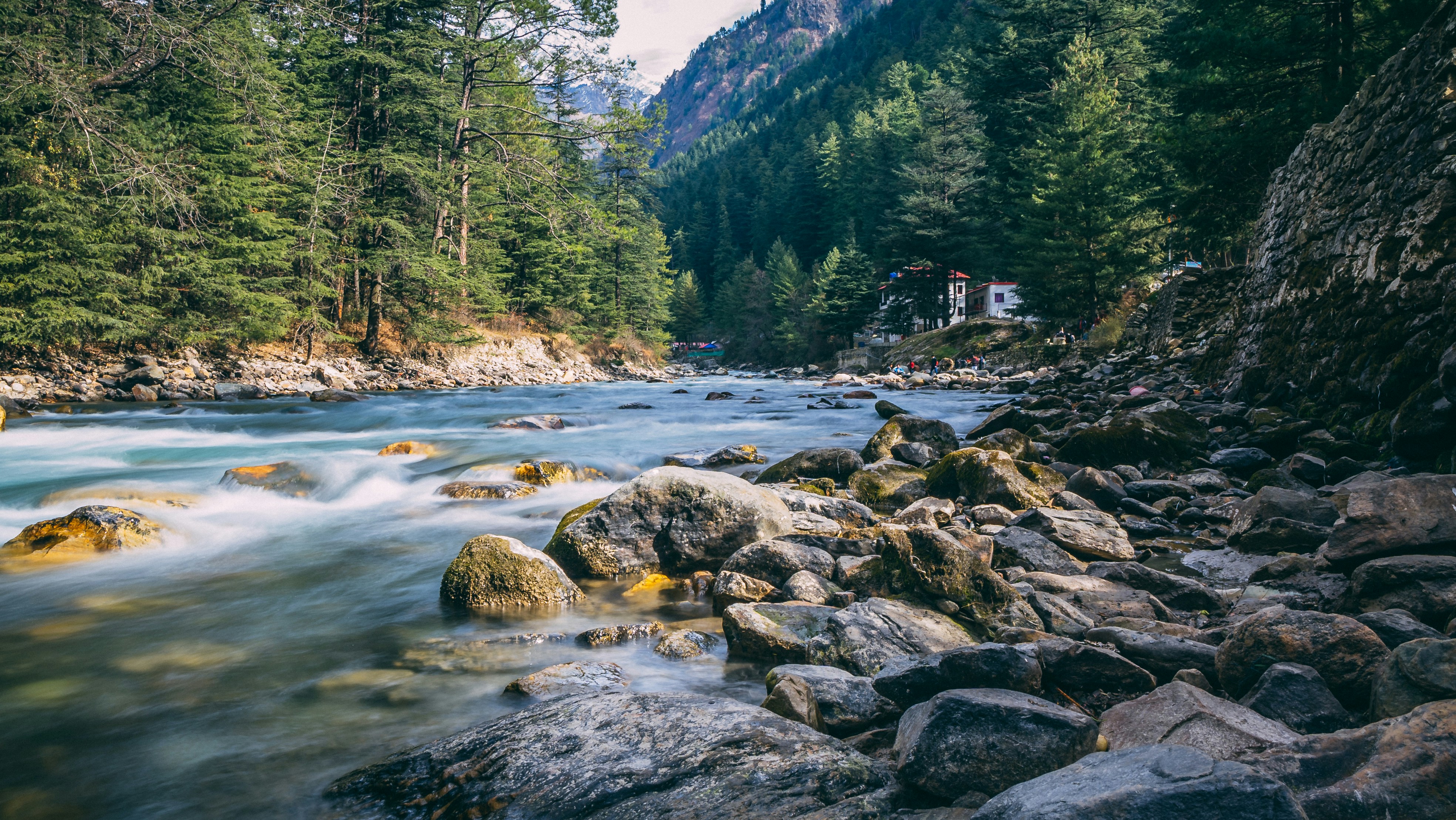
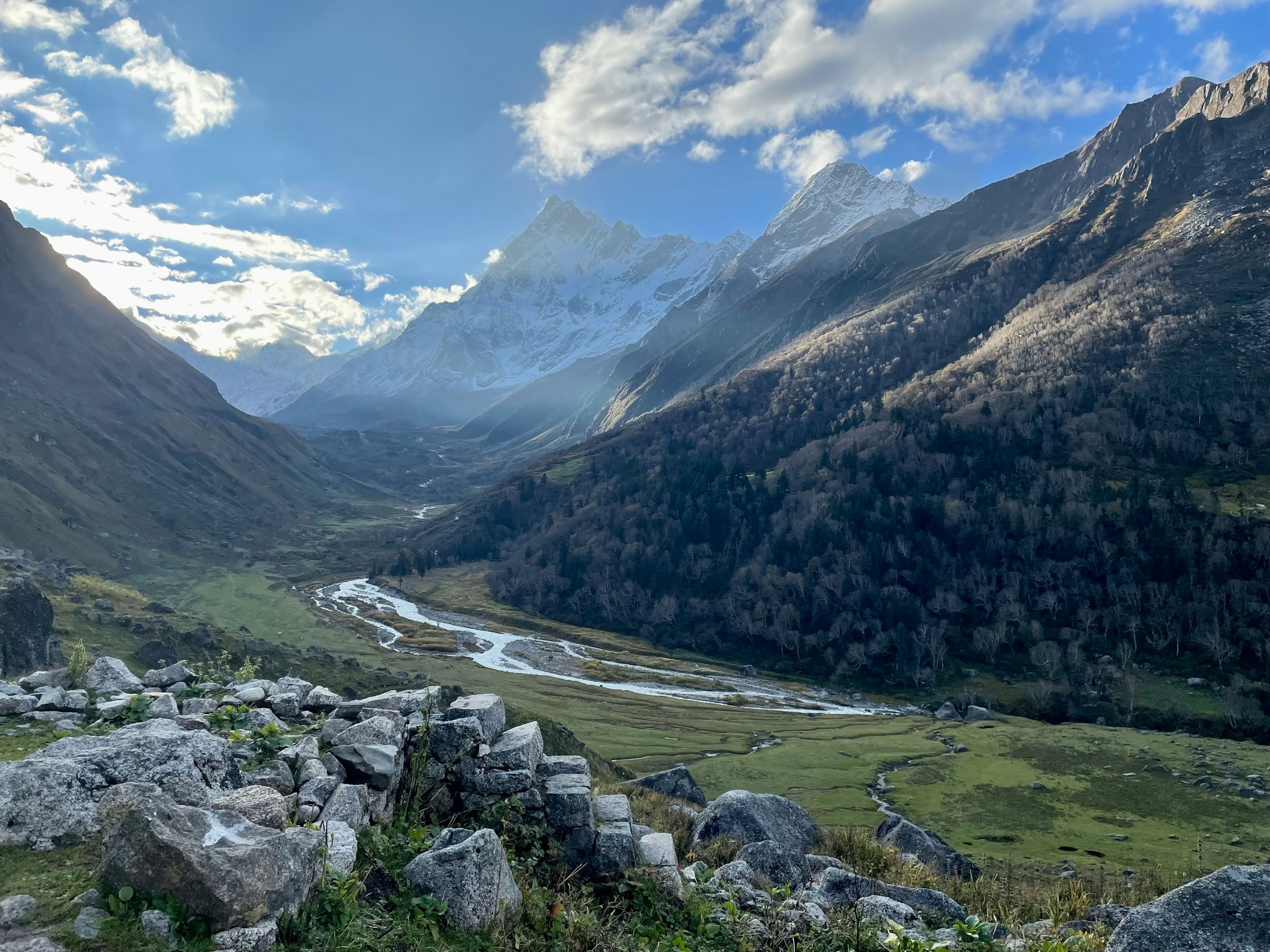
Nestled in the breathtaking mountains of Uttarakhand, Gangotri Temple is one of the most revered Hindu pilgrimage sites in India. Located in the Uttarkashi district at an altitude of around 3,883 meters (12,740 feet), the temple stands on the banks of the sacred Bhagirathi River. Surrounded by snow-capped peaks, dense forests, and the soothing sound of flowing water, Gangotri offers not only spiritual significance but also remarkable natural beauty.
The temple is dedicated to Goddess Ganga, who is worshipped as the divine river that purifies sins and grants spiritual liberation. Every year, thousands of devotees and travelers visit Gangotri to seek blessings and experience the peaceful atmosphere of this holy destination. As one of the four sacred shrines of the Char Dham Yatra, Gangotri holds immense religious importance for Hindus across the country.
The pilgrimage season usually begins in May and continues until October, with the peak tourist months falling between July and September. During winter, heavy snowfall leads to the closure of the temple, and the idol of Goddess Ganga is ceremonially moved to Mukhba village for worship. Visitors planning a pilgrimage are advised to complete their Char Dham registration through the official Uttarakhand tourism portal before travelling.
History and Origin of Gangotri Temple
Gangotri Temple has a rich spiritual and mythological history deeply rooted in Hindu tradition. The temple stands near the origin of the Bhagirathi River, which later becomes the holy River Ganga after joining the Alaknanda River at Devprayag. The true source of the river is believed to be the Gaumukh Glacier, located about 18 kilometers from Gangotri.
According to Hindu mythology, the story of Gangotri is closely linked to King Bhagirath, whose devotion and determination brought the Ganga to Earth. It is believed that King Bhagirath performed intense penance to seek salvation for the souls of his ancestors, who had been cursed and reduced to ashes. Pleased by his devotion, Goddess Ganga agreed to descend from heaven.
However, the force of the celestial river was considered too powerful for Earth to withstand. To protect the world, Lord Shiva caught the river in his matted locks and gently released her streams onto the land. Guided by King Bhagirath, the sacred waters flowed across the Himalayas, purifying everything in their path. This divine descent of the Ganga is known as Ganga Avataran and forms the spiritual foundation of Gangotri’s importance.
Another legend connects the site with Lord Brahma. It is said that Brahma sought purification after creating the universe and bathed in the sacred waters associated with Ganga. Over centuries, these stories have transformed Gangotri into a place of devotion, faith, and spiritual reflection.
Amar Singh Thapa and the Temple’s Construction
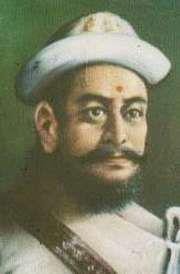
Although Gangotri has been a pilgrimage site for centuries, the present temple structure dates back to the early 18th century. It was built under the patronage of Amar Singh Thapa, a respected Gorkha commander often known as the “Living Lion of Nepal.”
Amar Singh Thapa recognized the spiritual significance of the site and commissioned the construction of the temple to provide devotees with a proper place of worship. Over time, the temple underwent several repairs and renovations, helping preserve its structure despite the harsh Himalayan weather and seismic conditions of the region.
His contribution remains an important chapter in Gangotri’s history, linking Nepalese heritage with one of India’s holiest pilgrimage destinations.
Architecture of Gangotri Temple
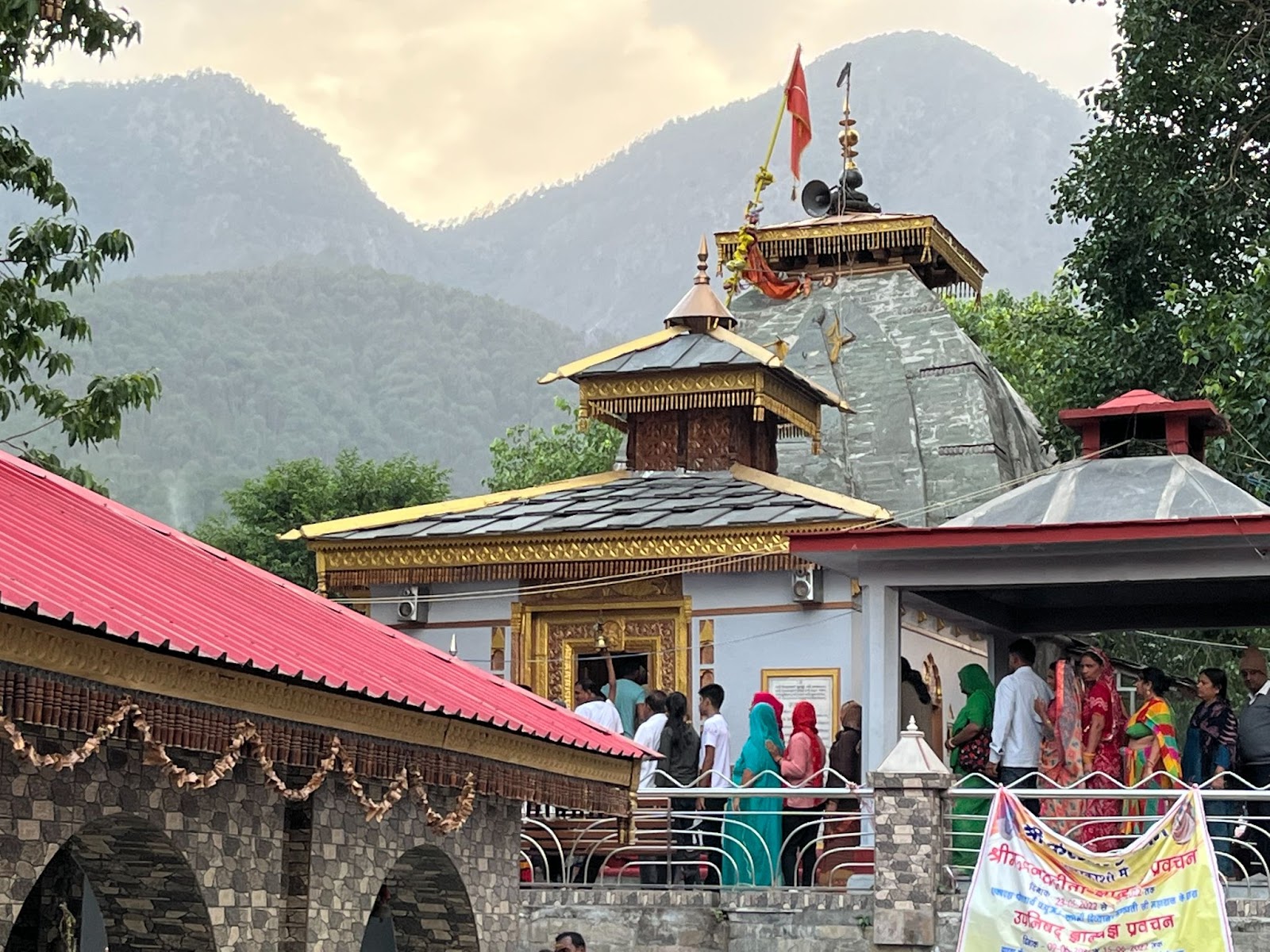
Gangotri Temple is admired for its simple yet elegant Himalayan architecture. Constructed primarily from white granite and stone, the temple appears bright and radiant against the dramatic mountain landscape. Rising approximately 20 feet high, the shrine reflects both strength and spiritual purity.
The temple follows the traditional North Indian shikhara style of architecture. Its central tower is surrounded by smaller spires, creating a graceful and balanced design. The white exterior symbolizes peace and devotion, while the compact layout suits the rugged Himalayan environment.
Inside the temple lies the Garbhagriha or sanctum sanctorum, where the idol of Goddess Ganga is worshipped. The shrine also houses sacred idols of Goddess Lakshmi, Saraswati, Annapurna, and Yamuna, along with figures associated with Hindu spirituality such as Adi Shankaracharya and King Bhagirath.
Beyond the main sanctum, smaller shrines dedicated to Lord Shiva, Lord Hanuman, Lord Ganesha, and Bhagirath add to the spiritual atmosphere of the temple complex. Pilgrims often spend time offering prayers at these shrines before completing their worship at the main temple.
Spiritual Importance of Gangotri Temple
Gangotri Temple is more than a place of worship—it is considered a symbol of purity, faith, and divine grace. The sacred waters of the Ganga are believed to wash away sins and free devotees from the cycle of birth and death.
For Hindus, visiting Gangotri is regarded as an act of deep spiritual merit. Many pilgrims collect water from the Bhagirathi River, considering it holy and auspicious for rituals performed at home or during religious ceremonies.
The temple also forms an essential part of the Char Dham pilgrimage circuit, which includes Yamunotri, Kedarnath, and Badrinath. Completing this journey is considered one of the most sacred spiritual experiences in Hindu tradition.
Best Time to Visit Gangotri Temple
The ideal time to visit Gangotri Temple is between May and June or September and October, when the weather remains pleasant and travel routes are accessible.
Summer offers comfortable temperatures and clear skies, making sightseeing and pilgrimage easier. Monsoon months, particularly July and August, bring lush scenery but may also lead to landslides and travel disruptions due to heavy rainfall.
Winter conditions are extremely harsh, with heavy snowfall causing the temple to remain closed. During this period, worship continues in nearby Mukhba village.
How to Reach Gangotri Temple
Reaching Gangotri requires a combination of road travel and nearby transport connections, but the scenic Himalayan journey is part of the experience.
By Air:
The nearest airport is Jolly Grant Airport in Dehradun, located around 250 kilometers away. From the airport, travelers can hire taxis or use bus services to reach Gangotri.
By Rail:
The closest railway stations are Rishikesh and Dehradun. These stations are connected to major Indian cities, after which travelers continue their journey by road.
By Road:
Gangotri is well-connected by road to cities such as Dehradun, Rishikesh, Haridwar, and Uttarkashi. Regular buses, shared jeeps, and private taxis operate during the pilgrimage season. The road journey offers spectacular views of rivers, valleys, and Himalayan landscapes.
Best Time To Travel To Gangotri Temple
The first thing to keep in mind is that there is a huge rush in Gangotri temple since gates are open this season. So avoid visiting the temple in May. The best time to visit Gangotri Temple is after the monsoon season, in the months of October and November. The last date of closing temple gate is Nov 3, 2024. During the monsoon season, the region receives heavy rainfall, and the probability of landslides increases.
You can also visit the Gangotri temple during the winter season. Though gates are closed in the month of winter, the scenic landscape of the region changes completely. Temples receive a good amount of snowfall, so do carry warm clothes and other necessities. In winter, the temperatures touch zero degrees at night and remain high in the range of 5–10 degrees Celsisus.
If you are interested in knowing more about Gangotri Temple, you can read about it at official Uttarakhand Tourism
Maps and Location
Coordinates of Gangotri Temple: 30.994°N 78.941°E
FAQs
1. Why is Gangotri Temple famous?
Gangotri Temple is famous as the sacred shrine dedicated to Goddess Ganga and as one of the four Char Dham pilgrimage sites in India.
2. Where is Gangotri Temple located?
The temple is located in Uttarkashi district of Uttarakhand on the banks of the Bhagirathi River at an altitude of about 3,883 meters.
3. Who built the current Gangotri Temple?
The existing temple structure was built by Gorkha commander Amar Singh Thapa during the 18th century.
4. What is the significance of the Bhagirathi River?
The Bhagirathi River is considered the source stream of the River Ganga and is closely connected with the legend of King Bhagirath and the descent of Goddess Ganga to Earth.
5. When does Gangotri Temple open and close?
The temple generally opens in May on the auspicious occasion of Akshaya Tritiya and closes around October or November during Diwali due to heavy snowfall.
6. Is trekking required to reach Gangotri Temple?
No, Gangotri Temple is accessible by road. However, pilgrims wishing to visit Gaumukh Glacier, the source of the Bhagirathi River, must undertake a trek from Gangotri.
7. What should visitors carry while visiting Gangotri?
Visitors should carry warm clothing, comfortable walking shoes, essential medicines, identity documents, and rain protection, as mountain weather can change quickly.
8. Can non-Hindus visit Gangotri Temple?
Yes, Gangotri welcomes visitors of all faiths who wish to experience its cultural, historical, and natural significance while respecting temple customs and traditions.