Image Source: A Explorer
About Harsil
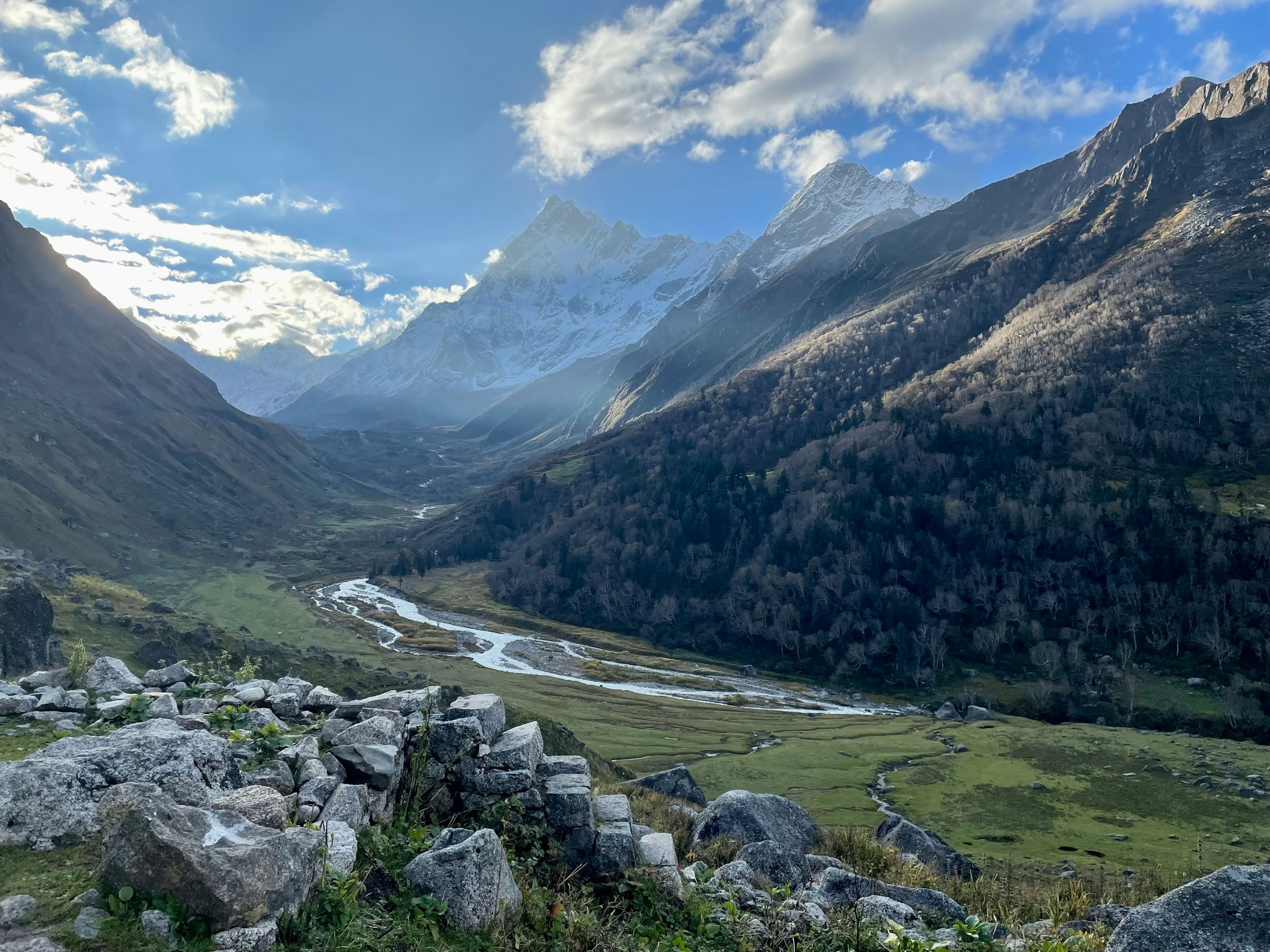
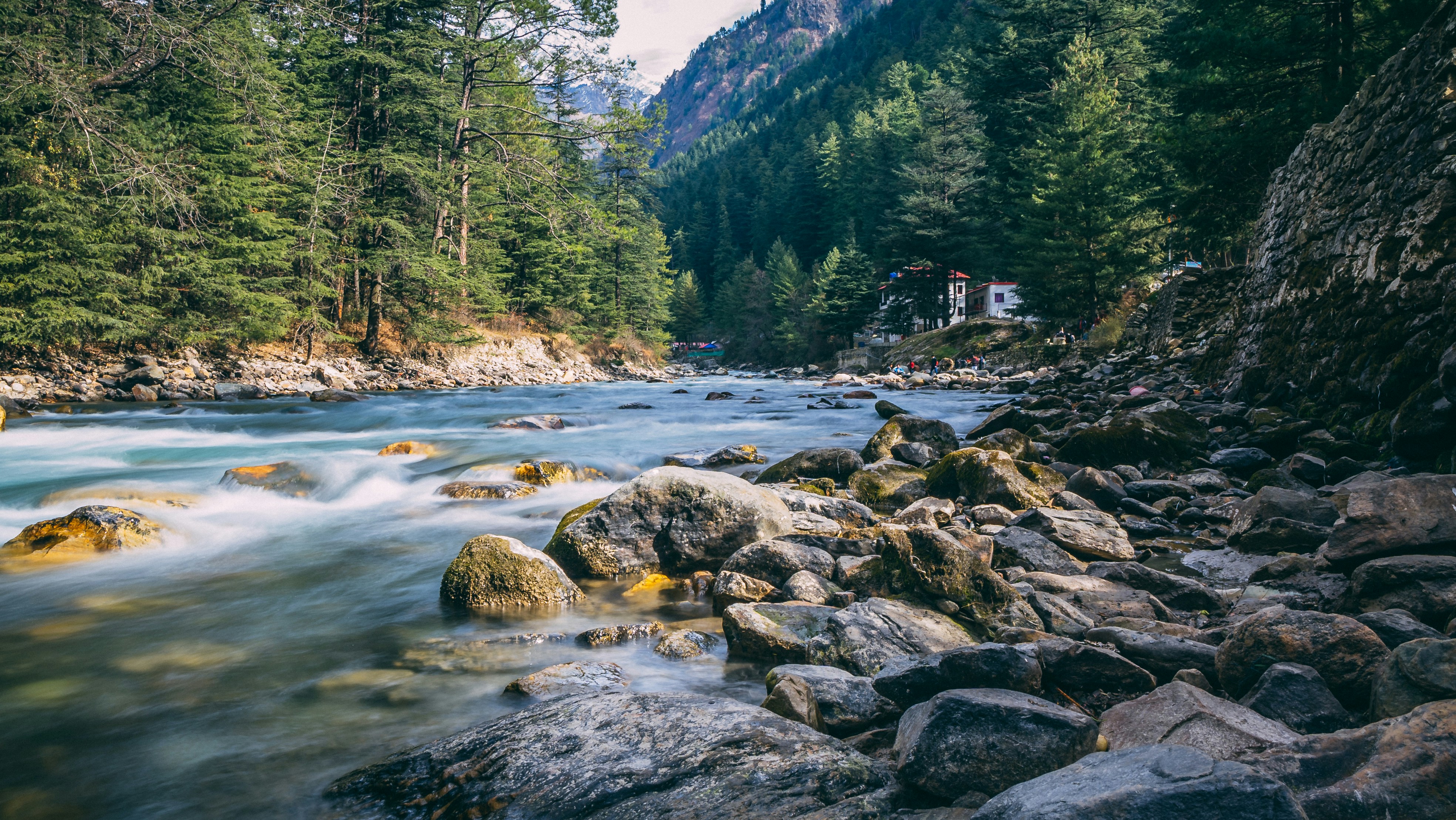
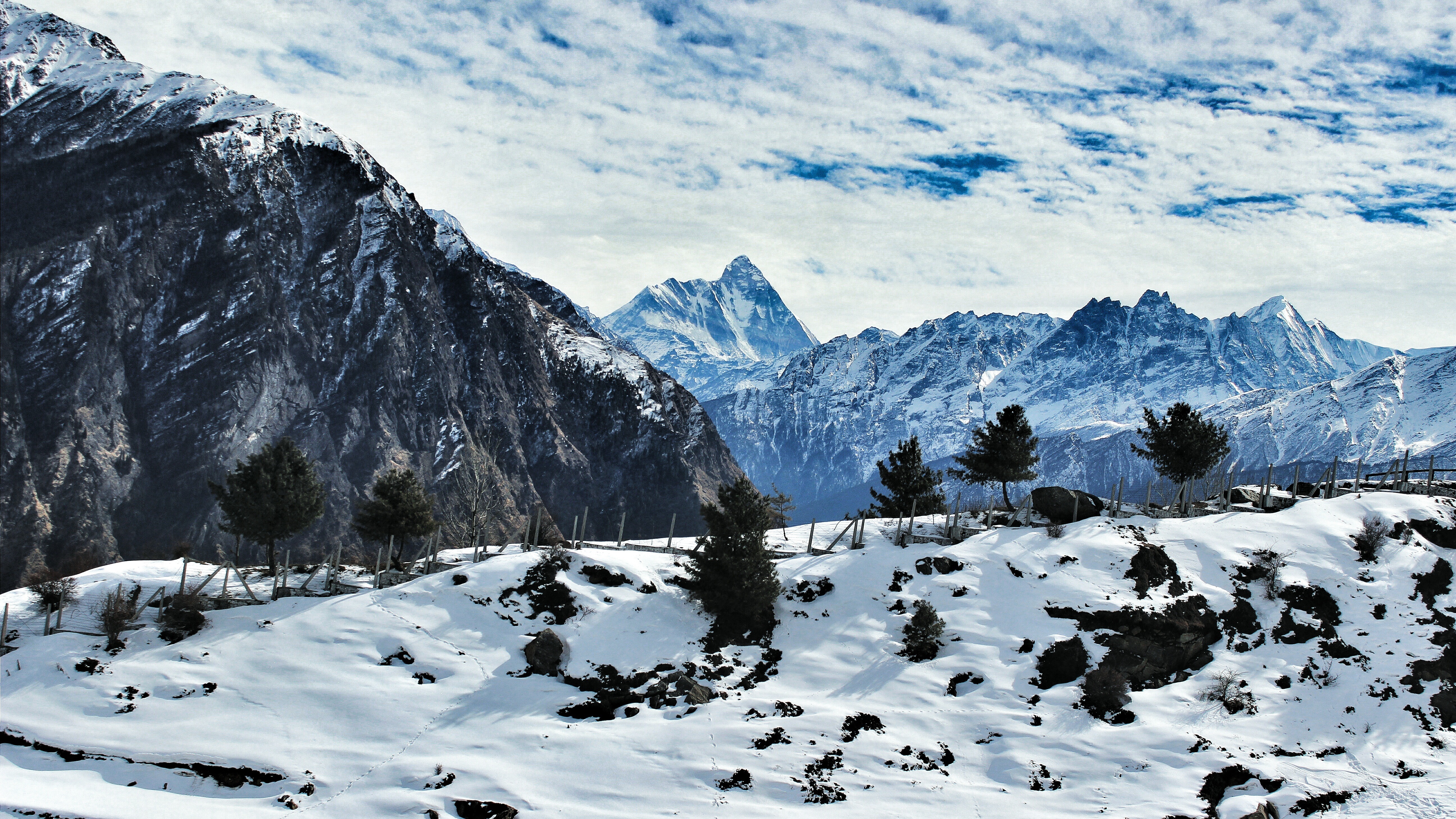
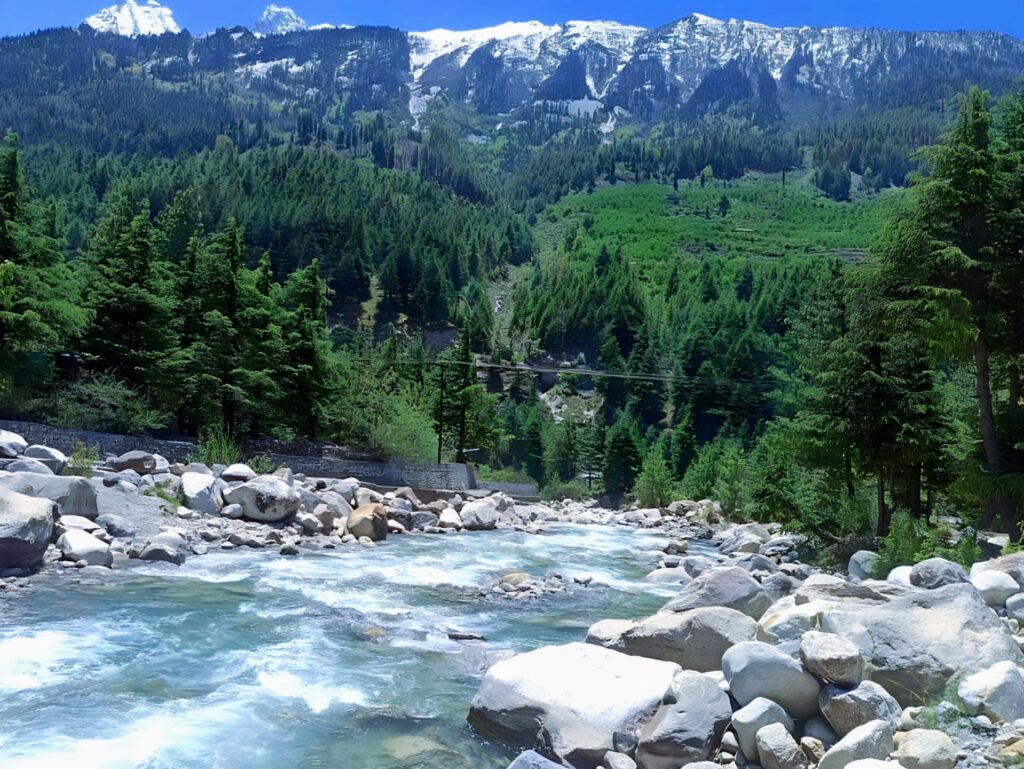
Nestled deep in the majestic Garhwal Himalayas of Uttarakhand, Harsil is a peaceful mountain village known for its untouched natural beauty, spiritual atmosphere, and fascinating history. Surrounded by dense deodar forests, snow-covered peaks, and the roaring waters of the Bhagirathi River, Harsil sits at an altitude of around 2,620 meters above sea level. The village lies on the route to Gangotri Dham, one of the four sacred shrines of the Char Dham Yatra, making it an important stop for pilgrims as well as travelers seeking solitude in the mountains.
Unlike many crowded hill stations, Harsil still retains its calm and traditional charm. Wooden homes, apple orchards, prayer flags, and scenic Himalayan landscapes give the village a timeless appeal. Because of its location near the borders of Tibet and Himachal Pradesh, the region has historically been influenced by trade, culture, and migration from neighboring Himalayan communities.
Mythological Significance of Harsil
Harsil is not only admired for its natural beauty but also for the legends and mythology connected to it. According to local belief, the name “Harsil” originated from the word “Harshila.” The story revolves around the two rivers of the region — the Jalandhari and the Bhagirathi. It is believed that a dispute once arose between the rivers regarding their strength and influence. Their conflict disturbed the peace of the valley and troubled the local inhabitants.
To restore harmony, Lord Vishnu is said to have appeared at the confluence of the rivers. He transformed himself into a massive stone or mountain, known as “Shila,” to calm the waters and settle the conflict. Over time, the place came to be known as “Harishila,” which gradually evolved into Harsil. Even today, locals point to a black stone at the river junction as a symbol of this divine event.
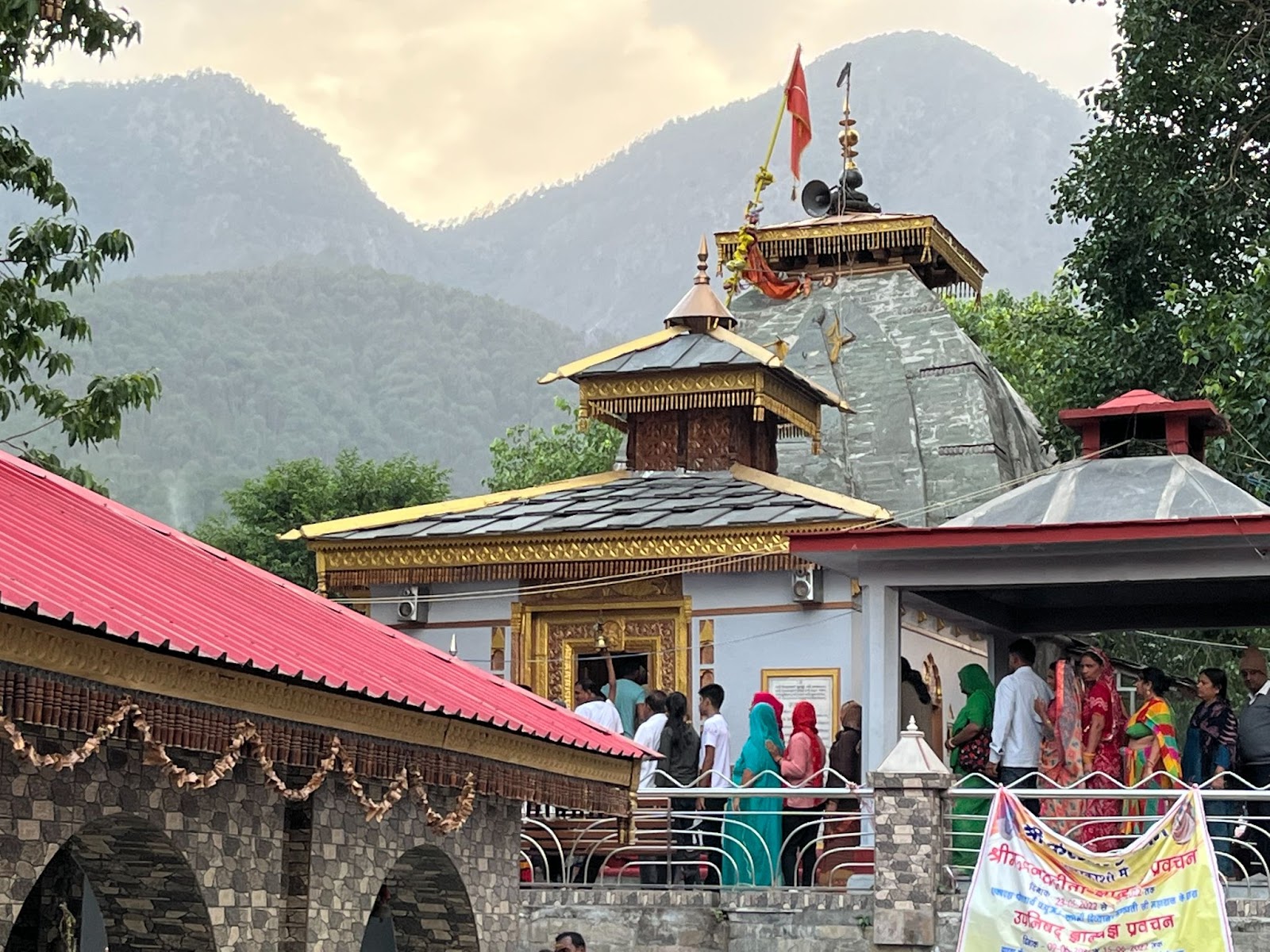
The spiritual importance of Harsil is closely connected with the Char Dham pilgrimage. Nearby lies the village of Mukhba, the winter home of Goddess Ganga. During heavy snowfall in Gangotri after Diwali, the idol of Goddess Ganga is ceremonially moved from Gangotri Temple to Mukhba village, where it remains worshipped throughout winter. This tradition makes the Harsil region deeply sacred in Hindu belief.
The Legacy of Pahadi Wilson
One of the most intriguing personalities associated with Harsil is Frederick Wilson, popularly known as “Pahadi Wilson.” Arriving in the Himalayas during the 19th century, Wilson became a legendary figure whose life remains surrounded by mystery and folklore.
It is believed that Wilson deserted the British Army at a young age and escaped into the Himalayan region. Over time, he settled in Harsil and developed close ties with local communities. He recognized the economic potential of the region and introduced apple cultivation and Rajma farming, both of which later became major parts of Harsil’s identity. Even today, Harsil apples are widely appreciated for their flavor and quality.
Wilson also built a fortune through the timber trade. Large logs from the forests were floated down the Bhagirathi River and supplied to the British, especially for railway construction. His growing wealth and influence earned him the nickname “Raja of Harsil” among locals. Historical accounts even suggest that he minted his own coins, a rare achievement for someone outside royal circles.
However, his legacy remains controversial. Environmentalists, including renowned activist Sunderlal Bahuguna, criticized the large-scale cutting of forests that took place during Wilson’s time. Many believe that these activities contributed to ecological imbalance in the fragile Himalayan environment.
Harsil and “Seven Years in Tibet”
Harsil also shares an interesting connection with the famous Hollywood film Seven Years in Tibet starring Brad Pitt. The movie is based on the real-life experiences of Austrian mountaineer Heinrich Harrer.
During World War II, Harrer was captured by the British in India but later escaped and traveled toward Tibet through Himalayan routes connected with regions like Harsil. Eventually, he reached Tibet and developed a close friendship with the 14th Dalai Lama. At a time when Tibet remained largely inaccessible to outsiders, Harrer became one of the few foreigners to witness Tibetan life closely.
The rugged landscapes around Harsil and nearby valleys still evoke the feeling of those historic Himalayan journeys.
The People and Culture of Harsil
The cultural identity of Harsil is shaped mainly by the Bhotiya and Jadh communities, who have lived in these Himalayan valleys for generations. Traditionally, these communities depended on trade with Tibet, exchanging wool, salt, herbs, and local goods across mountain passes.
Before the 1962 India-China War, trade routes between India and Tibet were active and played an important role in the region’s economy. However, after the war, border restrictions and changing political conditions significantly affected local life. Many families from remote valleys were relocated to settlements such as Bagori and Dunda.
Despite these changes, the people of Harsil continue to preserve their traditional lifestyle, language, clothing, and festivals. Wooden Himalayan houses, Buddhist influences, and unique mountain customs still form an essential part of daily life here.
Gartang Gali and Nelong Valley Tourism
In recent years, tourism in the Harsil region has gained new attention due to the reopening of Gartang Gali. This historic wooden walkway once formed part of an ancient Indo-Tibetan trade route. Built along steep cliffs, Gartang Gali offers dramatic views of deep valleys and rugged Himalayan terrain.
The nearby Nelong Valley, often compared to the cold desert landscapes of Ladakh, has also emerged as a major attraction. Known for its barren mountains, high-altitude scenery, and strategic importance near the Indo-China border, Nelong Valley gives visitors a rare glimpse into one of the most remote regions of Uttarakhand.
The reopening of these areas has boosted local tourism while also reviving interest in the ancient Himalayan trade routes that once connected India with Tibet.
How to Reach Harsil
Reaching Harsil is a memorable journey through the scenic Bhagirathi Valley, with winding mountain roads, dense deodar forests, apple orchards, and charming Himalayan villages. Located in Uttarkashi district of Uttarakhand at an altitude of approximately 2,620 meters, Harsil is well connected by road to major towns in the state, although there is no direct rail or air connectivity.
By Air
The nearest airport is Jolly Grant Airport, Dehradun, located about 235 km from Harsil. The airport has regular flights from Delhi and several other major Indian cities. From the airport, travelers can hire a private taxi or take a bus to Uttarkashi, followed by another taxi or shared jeep to Harsil. The drive takes around 8–10 hours, depending on road and weather conditions.
By Train
The nearest railway stations are Dehradun Railway Station (around 220 km) and Rishikesh Railway Station (approximately 250 km). Both stations are connected to major cities such as Delhi, Haridwar, and Lucknow. From either railway station, taxis, shared jeeps, and Uttarakhand Transport buses are available to Uttarkashi and onward to Harsil.
By Road
Harsil enjoys good road connectivity with major towns in Uttarakhand during the travel season. The most common route is:
Dehradun → Mussoorie → Chamba → Dharasu Bend → Uttarkashi → Bhatwari → Gangnani → Harsil
Another popular route begins from Rishikesh and follows the same highway via Chamba and Uttarkashi. Regular buses operate between Dehradun, Rishikesh, Haridwar, and Uttarkashi. From Uttarkashi, shared jeeps and taxis are readily available for the final 72 km journey to Harsil.
Nearby Attractions to Harsil
Gangotri Temple
Located about 25 km from Harsil, Gangotri Temple is one of the holiest shrines in India and an important destination on the Char Dham Yatra. Dedicated to Goddess Ganga, the temple stands on the banks of the Bhagirathi River amidst spectacular Himalayan scenery. Pilgrims and travelers visit the temple to seek blessings while enjoying the serene surroundings and breathtaking mountain views.
Mukhba Village
Just 1–2 km from Harsil, Mukhba is a picturesque Himalayan village that serves as the winter abode of Goddess Ganga. When Gangotri Temple closes due to heavy snowfall, the idol of the goddess is ceremonially brought here and worshipped until the temple reopens in summer. The village is also known for its traditional Garhwali architecture, apple orchards, and panoramic views of the snow-covered Himalayas.
Dharali
Located only 2 km from Harsil, Dharali is a charming village surrounded by apple orchards, dense deodar forests, and the Bhagirathi River. It offers a peaceful atmosphere, beautiful wooden houses, and magnificent views of the surrounding mountains. Visitors often stop here to experience authentic Himalayan village life and local Garhwali cuisine.
Bagori Village
About 4 km from Harsil, Bagori is one of the oldest villages in the upper Bhagirathi Valley. It is inhabited by the Jad Bhotiya community, whose culture reflects centuries of trade with Tibet. Traditional stone-and-wood houses, Buddhist influences, and warm local hospitality make Bagori a fascinating cultural destination.
Gartang Gali
Situated around 15 km from Harsil, Gartang Gali is a remarkable historical wooden walkway carved into a steep mountainside. Once part of the ancient Indo-Tibet trade route, this restored pathway offers dramatic views of deep gorges, rugged cliffs, and the Jadh Ganga Valley. It is one of the most unique heritage attractions in Uttarakhand.
Nelong Valley
Approximately 25 km from Harsil, Nelong Valley is often called the “Cold Desert of Uttarakhand” because of its stark, high-altitude landscape resembling Ladakh. The valley was once an important section of the Indo-Tibet trade route and is now open to visitors with prior permits. Its barren mountains, ancient trade routes, and untouched beauty make it one of the state’s most extraordinary destinations.
Bhairon Ghati
Located about 10 km from Harsil, Bhairon Ghati is famous for its dense deodar forests, dramatic cliffs, and the confluence of the Bhagirathi and Jadh Ganga rivers. The ancient Bhairav Temple and scenic viewpoints attract both pilgrims and nature lovers seeking tranquility away from the crowds.
Gangotri National Park
Harsil lies close to the entrance of Gangotri National Park, one of India’s largest protected Himalayan landscapes. The park is home to rare wildlife such as the snow leopard, Himalayan black bear, musk deer, blue sheep, and Himalayan monal. It is also a paradise for trekkers, birdwatchers, and nature enthusiasts.
Gaumukh Glacier
Around 43 km from Harsil via Gangotri, Gaumukh is the snout of the Gangotri Glacier and the traditional source of the Bhagirathi River. The trek passes through stunning alpine scenery, glaciers, and towering Himalayan peaks, making it one of Uttarakhand’s most iconic trekking experiences.
Sattal (Harsil)
Not to be confused with the lake district near Nainital, Harsil’s Sattal consists of a group of seven small natural ponds nestled amid dense forests near the village. This peaceful location is ideal for short nature walks, birdwatching, photography, and enjoying the quiet beauty of the Himalayas.
Wilson Cottage
Wilson Cottage is associated with Frederick “Pahari” Wilson, the British adventurer who played a significant role in the history of Harsil during the 19th century. The heritage site offers insight into the region’s colonial past and is surrounded by scenic views of the Bhagirathi Valley.
Lama Top
A short trek from Harsil leads to Lama Top, a spectacular viewpoint overlooking the Bhagirathi Valley, Harsil, Dharali, and the surrounding snow-clad Himalayan peaks. The trail passes through dense pine and deodar forests, making it a favorite destination for hikers and photographers.
Best Time to Visit Harsil
The best time to visit Harsil is from April to June and September to November. During summer, the weather remains pleasant, making it ideal for sightseeing and trekking. Autumn brings clear skies and beautiful views of snow-clad peaks, while apple orchards appear especially vibrant.
Winter transforms Harsil into a snowy wonderland. Heavy snowfall often covers the village between December and February, attracting travelers who enjoy winter landscapes and peaceful mountain experiences. However, road accessibility can become difficult during extreme snowfall.
Things to Experience in Harsil
Visitors to Harsil can enjoy a variety of experiences beyond religious tourism. Nature walks through pine and deodar forests, riverside camping, birdwatching, and photography are among the most popular activities. The nearby villages of Dharali, Bagori, and Mukhba also offer opportunities to experience traditional Himalayan culture.
The region is especially famous for its apples and rajma. Travelers often buy fresh produce directly from orchards and local farmers. The calm atmosphere, crisp mountain air, and stunning Himalayan scenery make Harsil an ideal destination for people seeking peace away from crowded tourist centers.
Maps and Location
FAQs
1. Where is Harsil located?
Harsil is located in the Uttarkashi district of Uttarakhand in the Garhwal Himalayas, on the route to Gangotri Dham.
2. Why is Harsil famous?
Harsil is famous for its scenic Himalayan beauty, apple orchards, spiritual importance, and peaceful environment. It is also known for its connection to the Char Dham Yatra.
3. What is the mythological story behind Harsil?
According to legend, Lord Vishnu transformed himself into a stone to settle a conflict between the Jalandhari and Bhagirathi rivers, giving rise to the name “Harishila,” later known as Harsil.
4. Who was Pahadi Wilson?
Pahadi Wilson, originally Frederick Wilson, was a British adventurer who settled in Harsil during the 19th century. He introduced apples and rajma farming and became a powerful figure in the region.
5. What is the connection between Harsil and “Seven Years in Tibet”?
The region is linked to Austrian mountaineer Heinrich Harrer, whose life inspired the film “Seven Years in Tibet.” Harrer traveled through Himalayan routes connected with Harsil while escaping toward Tibet during World War II.
6. What is the best time to visit Harsil?
The ideal time to visit Harsil is during summer and autumn, from April to June and September to November.
7. What is Gartang Gali?
Gartang Gali is a historic wooden pathway near Harsil that once served as part of the Indo-Tibetan trade route and is now a popular tourist attraction.
8. Is Harsil suitable for snow lovers?
Yes, Harsil receives heavy snowfall during winter, making it an attractive destination for travelers who enjoy snowy landscapes and winter photography.