Image Source: Gulzar Hussain
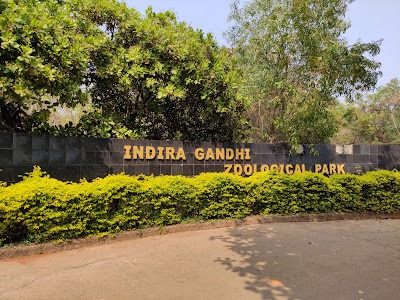
About Indira Gandhi Zoological Park
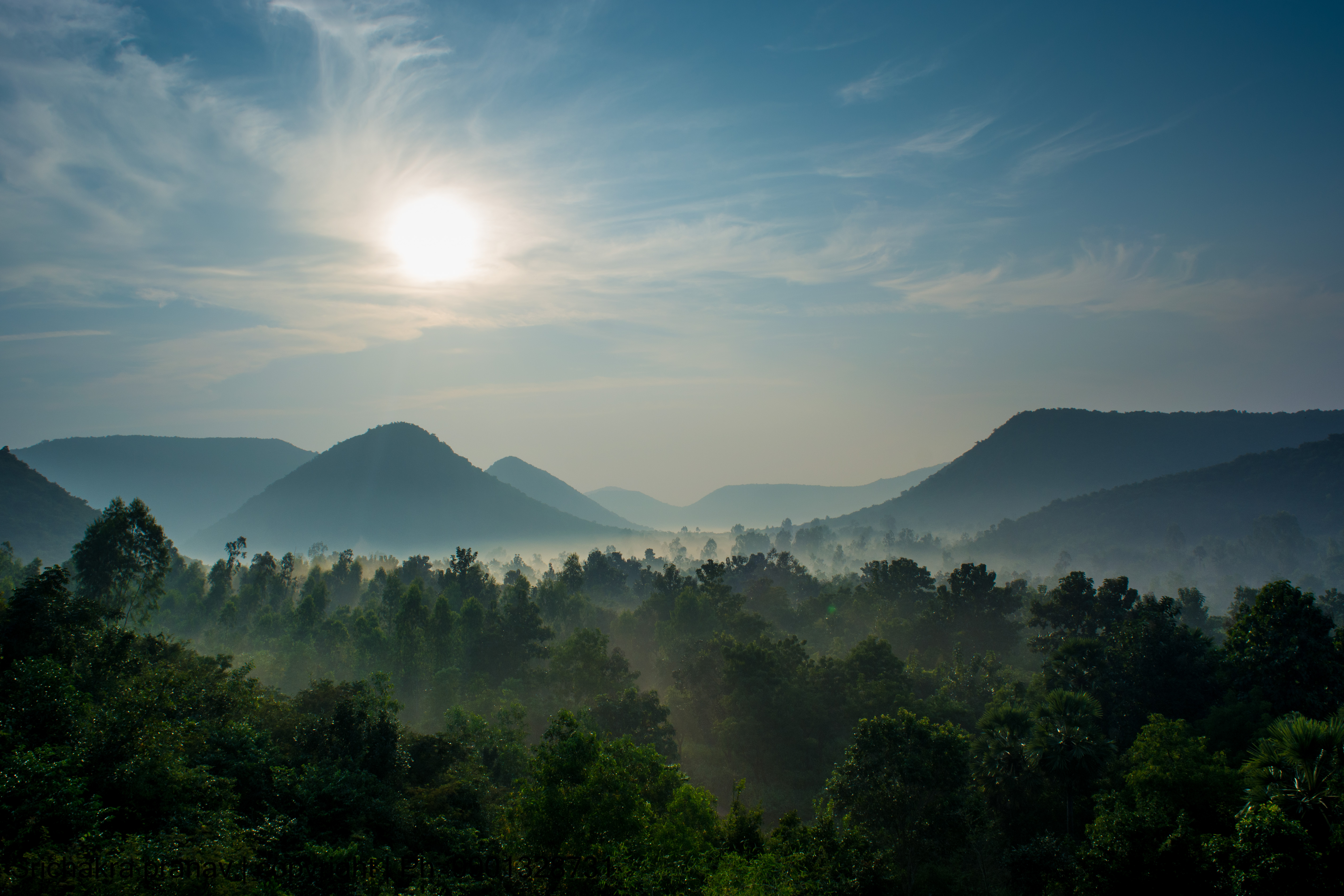
Nestled amidst the lush greenery of the Eastern Ghats, Indira Gandhi Zoological Park is one of the largest and most picturesque zoological parks in India. Spread across an impressive 625 acres, the zoo is located in Visakhapatnam, Andhra Pradesh, within the serene surroundings of the Kambalakonda Reserve Forest. The combination of dense forest landscapes, rolling hills, and diverse wildlife makes it a popular destination for nature lovers, wildlife enthusiasts, families, and students alike.
Established in 1977, the zoo was named in honor of former Indian Prime Minister Indira Gandhi. Over the years, it has grown into much more than a recreational space. Today, it serves as an important center for wildlife conservation, environmental education, and scientific research. The park houses more than 800 animals representing over 100 species, including mammals, birds, and reptiles from different parts of India and the world. Its thoughtfully designed habitats aim to replicate natural ecosystems, allowing animals to live in environments that closely resemble their wild homes.
Wildlife and Animal Species
Indira Gandhi Zoological Park is home to a fascinating variety of animals, making every visit both educational and exciting. Visitors can observe majestic predators, gentle herbivores, colorful birds, and intriguing reptiles across the zoo.
Big Cats and Carnivores
The zoo’s carnivore section is among its biggest attractions. Visitors can witness powerful big cats such as tigers, lions, and leopards in spacious enclosures designed to mirror their natural habitats. Watching these magnificent predators is often a highlight of the zoo experience.
Primates and Mammals
The zoo also features several species of primates and mammals. Bonnet macaques and mandrills are known for their playful behavior and social interactions, attracting considerable attention from visitors. Other mammals include elephants, gaur, and sambar deer, which represent India’s rich wildlife heritage.
Reptiles and Amphibians
Reptile enthusiasts can explore dedicated sections showcasing snakes, crocodiles, and monitor lizards. These exhibits provide visitors with a closer understanding of reptilian life and their importance within ecological systems.
Birdlife and Aviary
Bird lovers will find plenty to admire in the zoo’s aviary. Peacocks, hornbills, parrots, and ostriches add color and vibrancy to the park. Their varied calls and striking appearances create an engaging experience for visitors of all ages.
Zoo Zones and Habitat Design
One of the unique aspects of Indira Gandhi Zoological Park is its habitat-based layout. Rather than displaying animals in simple enclosures, the zoo is divided into specialized zones designed to replicate their natural surroundings.
Carnivore Zone
This section houses predators such as lions, tigers, and leopards. The design prioritizes both animal welfare and visitor viewing opportunities.
Herbivore Zone
The herbivore area features animals such as elephants, deer, and gaur, living in more open environments that mimic grasslands and forest edges.
Reptile House
The reptile house offers visitors an opportunity to observe snakes, crocodiles, and other reptiles while learning about their ecological significance.
Aviary
The aviary is dedicated to birds and allows visitors to experience a vibrant collection of native and exotic species in carefully maintained surroundings.
Conservation and Educational Role
Indira Gandhi Zoological Park plays an important role beyond tourism and recreation. The zoo actively participates in wildlife conservation programs and breeding initiatives aimed at protecting endangered species. Educational programs and awareness campaigns are regularly conducted for school groups, researchers, and the general public to promote environmental responsibility and wildlife protection.
The zoo also serves as a learning space where visitors can gain insight into animal behavior, biodiversity, and the challenges faced by wildlife due to habitat loss and human activity.
Adopt-an-Animal Program
A notable initiative at the zoo is its Adopt-an-Animal Program. Through this program, individuals, families, schools, and organizations can contribute to the care and welfare of specific animals.
Animal adoption does not involve taking the animal home. Instead, participants provide financial support for the animal’s food, healthcare, and maintenance. This initiative encourages public participation in wildlife conservation while helping the zoo maintain high standards of animal care.
Best Time to Visit
The most pleasant time to visit Indira Gandhi Zoological Park is between October and March, when Visakhapatnam experiences cooler and more comfortable weather. During these months, exploring the large park becomes easier and more enjoyable.
Morning hours, particularly between 9:00 AM and 11:00 AM, are considered ideal for animal sightings. Many animals tend to be more active during the early part of the day before temperatures rise.
Timings and Entry Fees
The zoo is open daily from 9:00 AM to 5:00 PM and remains closed on Mondays for maintenance and animal care routines.
The general entry fee is ₹70 per person, while visitors carrying cameras are required to pay an additional ₹50 camera charge. Ticket prices and charges may occasionally change, so visitors are encouraged to verify current rates before planning their trip.
How to Reach the Zoo
Indira Gandhi Zoological Park is conveniently accessible from different parts of Visakhapatnam.
- From Visakhapatnam Railway Station: Approximately 9 km away
- From Visakhapatnam Airport: Approximately 15 km away
Visitors can reach the zoo using taxis, auto-rickshaws, local buses, or app-based transportation services.
Nearby Attractions
A visit to the zoo can easily be combined with several nearby tourist destinations in Visakhapatnam.
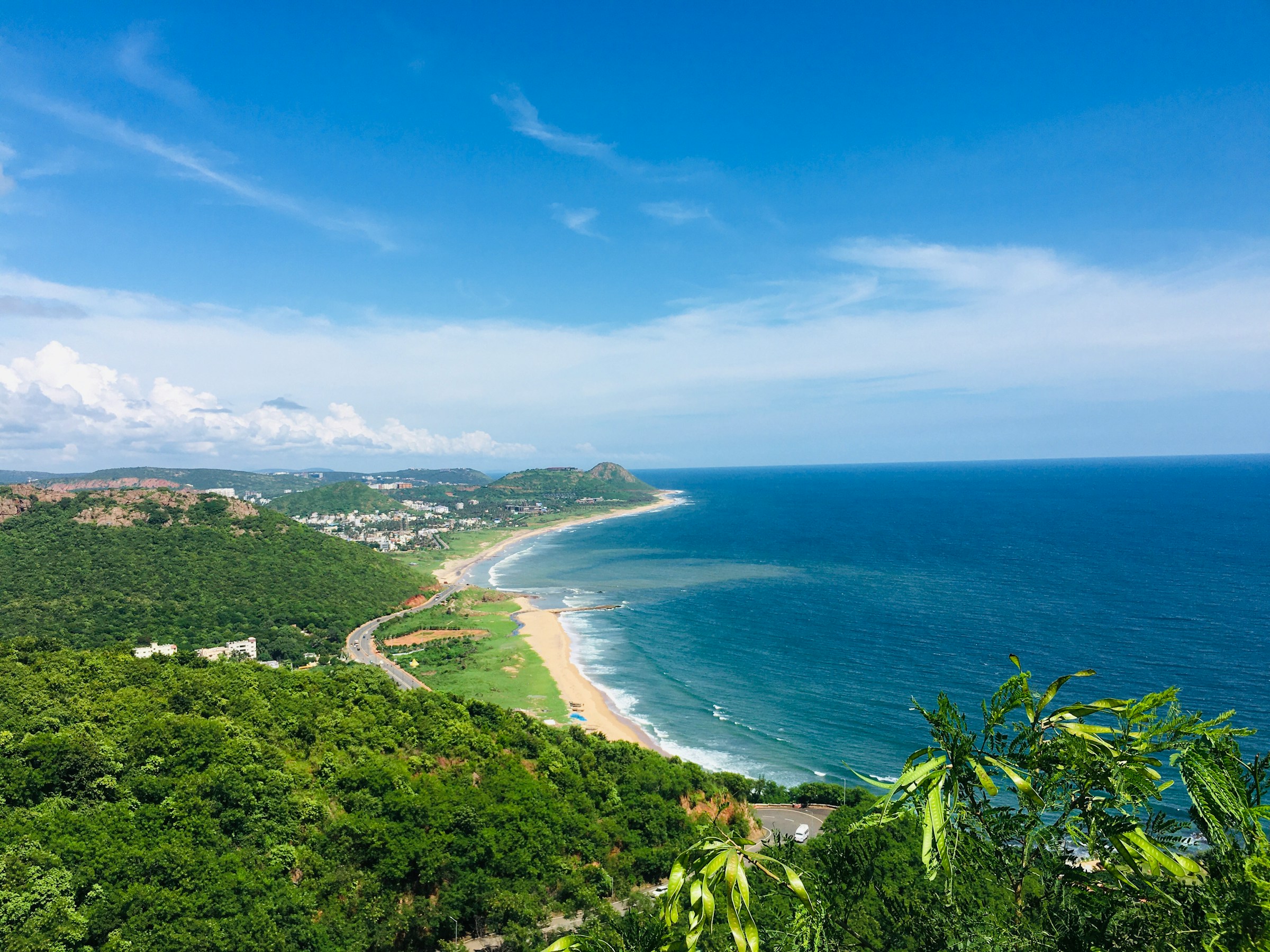
- Kailasagiri – A scenic hilltop destination known for panoramic city and sea views.
- Rishikonda Beach – Popular for its golden sands and water activities.
- Kambalakonda Wildlife Sanctuary – Ideal for trekking, birdwatching, and nature exploration.
These attractions add to the overall travel experience and make the area a rewarding destination for a full-day outing.
Maps And Location
FAQs
1. Where is Indira Gandhi Zoological Park located?
Indira Gandhi Zoological Park is located in Visakhapatnam, Andhra Pradesh, within the Kambalakonda Reserve Forest of the Eastern Ghats.
2. What are the zoo’s opening hours?
The zoo is open from 9:00 AM to 5:00 PM and remains closed on Mondays.
3. What is the entry fee for the zoo?
The entry fee is ₹70 per person, with an additional ₹50 charged for cameras.
4. Which animals can visitors see at the zoo?
Visitors can see tigers, lions, leopards, elephants, deer, monkeys, crocodiles, snakes, peacocks, parrots, hornbills, and many other species.
5. What is the best time to visit the zoo?
October to March is considered the best season to visit due to pleasant weather. Morning hours are recommended for better animal sightings.
6. What is the Adopt-an-Animal Program?
This program allows individuals and organizations to financially support the care and welfare of selected animals in the zoo.
7. How far is the zoo from Visakhapatnam city center?
The zoo is approximately 9 km from Visakhapatnam Railway Station and about 15 km from Visakhapatnam Airport.
8. Are there attractions near the zoo?
Yes, visitors can also explore Kailasagiri, Rishikonda Beach, and Kambalakonda Wildlife Sanctuary nearby.