Image Source: Srichakra Pranav
About Kambalakonda Wildlife Sanctuary
Nestled on the outskirts of Visakhapatnam in Andhra Pradesh, Kambalakonda Wildlife Sanctuary is one of the most important green zones in the Eastern Ghats region. Spread across nearly 70 square kilometers, the sanctuary is known for its rolling hills, dry deciduous forests, rocky terrain, and peaceful natural surroundings. Unlike many remote wildlife reserves, Kambalakonda enjoys the advantage of being close to the bustling city of Visakhapatnam, making it a convenient destination for nature lovers, trekkers, birdwatchers, and weekend travelers.
The sanctuary derives its name from the local hill called “Kambalakonda,” and over the years it has become an ecological lifeline for the region. The area acts as a natural lung space for Visakhapatnam city and supports a wide variety of plant and animal life. During the monsoon and winter months, the sanctuary turns especially scenic, with fresh greenery covering the hills and seasonal streams flowing through the forests.
Landscape and Natural Environment
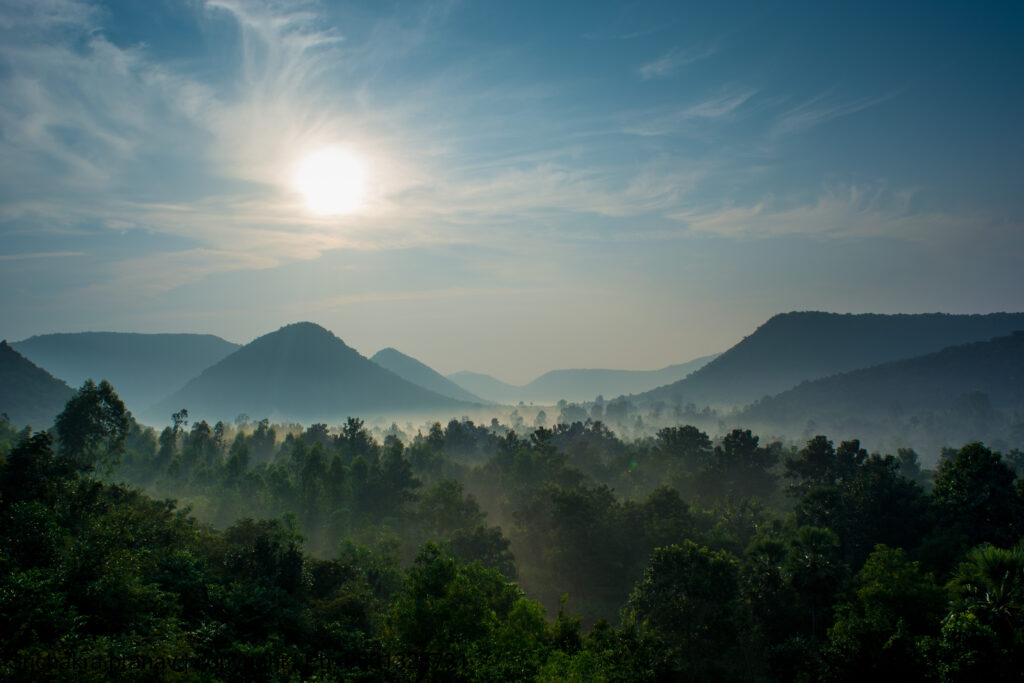
Kambalakonda lies within the Eastern Ghats, a mountain chain known for its ancient geological formations and biodiversity. The terrain here is a mix of undulating hills, forest patches, valleys, and rocky outcrops. The sanctuary experiences a tropical climate, with hot summers, moderate winters, and seasonal rainfall brought by the monsoon.
One of the unique aspects of Kambalakonda is that despite being close to an urban center, it still preserves a relatively undisturbed natural ecosystem. Early mornings in the sanctuary are filled with birdsong, cool breezes, and mist-covered hill slopes, creating a refreshing contrast to the nearby city atmosphere.
Several small streams and water channels also flow through the sanctuary during the rainy season, supporting wildlife and enhancing the beauty of the forest trails.
Flora of Kambalakonda
The sanctuary is covered mainly with dry deciduous forests and scrub vegetation, both of which are typical of the Eastern Ghats region. A large number of native tree species thrive here, helping maintain ecological balance and preventing soil erosion across the hilly terrain.
Commonly found trees include teak, Terminalia species, bamboo, neem, and Pterocarpus marsupium, also known as Indian Kino. Medicinal plants and shrubs are also found in different parts of the sanctuary, many of which are traditionally used by local communities.
During certain seasons, the forest floor becomes colorful with flowering plants and fresh foliage, attracting insects, butterflies, and birds. The dense vegetation provides shelter and food for several wildlife species living within the sanctuary boundaries.
Wildlife and Birdlife
Kambalakonda Wildlife Sanctuary supports a healthy population of small and medium-sized mammals, reptiles, amphibians, and birds. Though it may not have large predators like tigers or leopards commonly associated with bigger national parks, the sanctuary remains ecologically significant because of its rich biodiversity.
Animals such as spotted deer, wild boars, jackals, mongooses, and Indian pangolins are known to inhabit the forest. Pangolins are especially important because they are considered threatened species and require strong conservation protection.
Birdwatching is one of the major attractions here. Visitors can commonly spot peafowl, Indian rollers, parakeets, drongos, kingfishers, and seasonal migratory birds. The sanctuary is also home to several butterflies and reptiles, making it a rewarding destination for wildlife photographers and nature researchers.
The quieter forest zones are ideal for observing birds in their natural habitat, especially during the early morning hours.
Trekking and Eco-Tourism Activities
Kambalakonda has become increasingly popular among trekking groups, students, photographers, and eco-tourism enthusiasts. The sanctuary offers nature trails that pass through forested hills and scenic viewpoints. These trails provide visitors with an opportunity to experience the Eastern Ghats landscape up close.
The Andhra Pradesh Forest Department occasionally organizes guided nature walks and awareness programs for school groups and tourists. These activities help educate visitors about biodiversity conservation and the importance of protecting natural habitats.
Wildlife photography, birdwatching, cycling, and short forest hikes are among the most popular activities here. Many residents of Visakhapatnam visit the sanctuary for weekend outings because of its peaceful environment and clean air.
Camping activities may be permitted in selected zones with prior approval from forest authorities. Visitors are encouraged to avoid littering and maintain silence while exploring the sanctuary.
Nearby Attractions
One of the advantages of visiting Kambalakonda Wildlife Sanctuary is its proximity to several famous tourist spots in and around Visakhapatnam.
The beautiful beaches of Rushikonda and Yarada are located within driving distance, allowing travelers to combine wildlife exploration with coastal sightseeing. Kailasagiri Hill Park, known for its panoramic city views, is another nearby attraction. Nature lovers also visit Indira Gandhi Zoological Park, which lies close to the sanctuary area and shares part of the surrounding green belt.
Adventure enthusiasts often include Kambalakonda in larger Eastern Ghats travel itineraries that cover Araku Valley, Borra Caves, and nearby hill regions.
Importance of Conservation
Kambalakonda Wildlife Sanctuary plays a major role in protecting the fragile ecosystem of the Eastern Ghats. As urban development around Visakhapatnam continues to expand, the sanctuary acts as a critical buffer zone that helps regulate air quality, conserve groundwater, and preserve native biodiversity.
Forest officials and conservation authorities continue to work toward controlling illegal activities such as poaching, deforestation, and habitat destruction. Awareness campaigns and eco-tourism initiatives are also helping local communities understand the long-term value of environmental conservation.
Protecting sanctuaries like Kambalakonda is essential not only for wildlife but also for maintaining ecological balance in rapidly growing urban regions.
How to Reach
By Air
The nearest airport is the Visakhapatnam International Airport, located around 25 kilometers from the sanctuary. Taxis and app-based cab services are easily available from the airport, and the journey usually takes around 45 minutes depending on traffic conditions.
By Rail
Visakhapatnam Railway Station is the nearest major railhead, situated approximately 30 kilometers away. The station is well connected to major Indian cities such as Hyderabad, Chennai, Kolkata, and Bengaluru. From the station, visitors can hire taxis, auto-rickshaws, or local buses to reach the sanctuary.
By Road
Kambalakonda Wildlife Sanctuary is well connected by road and can be reached conveniently from different parts of Visakhapatnam. The sanctuary lies close to National Highway 16, making travel smooth for visitors arriving by private vehicle or bus.
Local APSRTC buses, taxis, and rental bikes are commonly used by tourists. The roads leading to the sanctuary pass through scenic stretches of greenery and hills, adding to the travel experience.
Best Time to Visit
The best time to visit Kambalakonda Wildlife Sanctuary is between October and February, when the weather remains cooler and more comfortable for trekking and wildlife observation. The monsoon season also brings lush greenery to the forest, though some trails may become slippery after heavy rainfall.
Summers can be quite hot, especially during the afternoon, so early morning visits are recommended during that period.
Google Maps
FAQs
1. Why is Kambalakonda Wildlife Sanctuary famous?
Kambalakonda is famous for its rich biodiversity, scenic Eastern Ghats landscape, trekking trails, and proximity to Visakhapatnam city. It is also known for birdwatching and eco-tourism activities.
2. What animals can be seen in Kambalakonda Wildlife Sanctuary?
Visitors may spot spotted deer, wild boars, jackals, mongooses, Indian pangolins, reptiles, butterflies, and several species of birds within the sanctuary.
3. Is trekking allowed inside Kambalakonda Wildlife Sanctuary?
Yes, trekking and nature walks are among the most popular activities in the sanctuary. Some routes may require permission from forest authorities.
4. What is the best season to visit the sanctuary?
Winter and post-monsoon months from October to February are considered the best time to visit because the weather remains pleasant and the forest looks greener.
5. How far is Kambalakonda Wildlife Sanctuary from Visakhapatnam city?
The sanctuary is located roughly 20–30 kilometers from the main city areas of Visakhapatnam, depending on the route taken.
6. Are there entry fees for visitors?
Yes, nominal entry charges may apply for visitors, cameras, or guided activities. Fees can vary depending on tourism regulations and forest department policies.
7. Can families and children visit the sanctuary?
Yes, Kambalakonda is suitable for families, students, and nature enthusiasts. It offers a peaceful outdoor experience and educational value for children interested in wildlife and nature.