Image Source: Travel Rogi
About Alchi Monastery
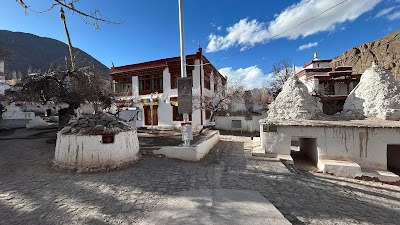
Far removed from the touristic gompas of Leh, Alchi monastery is nestled along the tranquil banks of the Indus river, Ladakh. The monastery is a perfect place for a traveller to explore the rugged beauty and ancient culture of the Himalayan region.
Alchi is not just a monastery but a blend of history, architecture and peaceful ambiance. It is a living museum of Himalayan art and a window into the thousand-year-old Buddhist culture of the region. Another unique aspect is that Alchi is not an active monastery. It is maintained by monks from the Likir Monastery, and no daily rituals are performed here. This adds to its museum-like atmosphere, making it a quiet place to study and admire Buddhist heritage.
History of Alchi Monastery
Alchi monastery, also known as Alchi Choskhor, is believed to have been founded by Rinchen Zanpo in the late 10th or early 11th century. He was a revered Buddhist scholar and translator who played a pivotal role in the second spreading of Buddhism in the region.
Zangpo brought artisans from Kashmir to build the complex, whose influence is still vividly seen in the paintings and sculptures inside the temples. What sets Alchi apart from other monasteries in Ladakh is that it has remained untouched by time and modern renovations. Its wall paintings and clay statues are original and well-preserved, making it one of the oldest surviving monastic complexes in the region.
Geographic Setting: A Monastery on Flat Land
Unlike other monasteries of Ladakh, Alchi monastery is uniquely located on flat terrain. Around 70 kilometres west of Leh, the monastery is situated in the Alchi village near the bank of the Indus River. Surrounded by Poplar and apricot trees, it’s more like a retreat than a fortress, adding to the appeal for slow travellers and spiritual seekers.
Architectural and Artistic Marvel
Alchi Monastery is actually a complex of several temples and chortens. The most prominent structures include
* Du-khang (Assembly Hall): It’s a main prayer hall that contains exquisite wall paintings depicting the life of Buddha, cosmological diagrams, and various deities. The hall’s wooden architecture and aged murals evoke a deep sense of reverence.
* Sumtsek Temple : Built in a unique three-storey format, this temple features three massive clay statues of Avalokiteshvara, Maitreya, and Manjushri. The statues are richly decorated with crowns and jewellery in Kashmiri style.
* Manjushri Lhakhang and Lotsabha Temple: These smaller shrines contain intricately painted murals and statues that showcase a blend of Indian, Tibetan, and Central Asian art styles.
Unlike the stark, bold colours seen in other Ladakhi monasteries, the murals at Alchi are subtler, more detailed, and surprisingly well. The use of natural mineral pigments has helped them retain their vibrancy for over a millennium.
For the Traveler: What to Expect
Alchi village is an uncommercialised and peaceful place for travellers. unlike other popular destinations in Ladakh, Alchi doesn’t have large hotels or bustling markets. Instead, it offers homestays and guesthouses run by local families, allowing visitors to experience authentic Ladakhi hospitality.
The lack of crowds makes it ideal for photographers, artists, or anyone looking to immerse themselves in history and spirituality.
Walking through the narrow alleys, exploring the ancient temples, and sitting beside the Indus River, one can feel transported back in time. Many travellers also enjoy exploring the nearby Alchi bridge, local cafes, and surrounding apricot orchards. The village is especially charming during the summer and early autumn months when the apricots are in bloom and the fields are green.
How to Reach Alchi Monastery
From Leh:
Alchi is around 66–70 kilometres from Leh and can be reached by road in about 2 to 2.5 hours. Taxis are available for hire, and many travellers include Alchi in their itinerary when visiting nearby spots like Basgo or Lamayuru.
By Bus:
The JKSRTC (Jammu and Kashmir State Road Transport Corporation) operates occasional buses between Leh and Alchi, though timings may be irregular. Shared cabs are a more reliable option.
By Bike or Self-Drive:
For adventurous travelers, renting a bike or car in Leh offers the freedom to explore at your own pace. The roads are generally in good condition, and the ride along the Indus River is stunningly scenic.
Best Time to Visit:
May to September is the ideal time to visit Alchi. The weather is pleasant, the roads are open, and the village is in full bloom. Avoid winter months, as the region becomes extremely cold and remote.
Nearby Attractions of Alchi Monastery
Nestled on the banks of the Indus River in western Ladakh, Alchi Monastery is one of the oldest and most artistically significant Buddhist monasteries in the Himalayas. While the monastery itself is famous for its 11th-century murals and Kashmiri-influenced architecture, several fascinating attractions lie within easy reach.
Likir Monastery
Located about 20 km from Alchi, Likir Monastery is known for its giant golden statue of Maitreya Buddha overlooking the village. The monastery offers beautiful views of the surrounding mountains and houses an impressive collection of Buddhist relics and thangkas.
Basgo Monastery
Approximately 15 km from Alchi, Basgo is a historic settlement famous for its ancient mud-brick fort and temples. The ruins provide insight into Ladakh’s medieval history and offer stunning panoramic views of the Indus Valley.
Rizong Monastery
Often called the “Paradise for Meditation,” Rizong Monastery is situated in a secluded valley about 35 km from Alchi. Its peaceful atmosphere and dramatic location make it a favorite among spiritual seekers and nature lovers.
Mangyu Monastery
Just a short drive from Alchi, Mangyu Monastery is another ancient Buddhist site believed to date back to the same period as Alchi. It features remarkable wall paintings and a tranquil village setting.
Saspol Caves
These historic caves contain centuries-old Buddhist murals hidden within rocky cliffs. The short trek to the caves rewards visitors with unique artwork and beautiful views of the Indus Valley.
Magnetic Hill
Located on the Leh–Kargil highway, Magnetic Hill is a popular stop where vehicles appear to roll uphill due to an optical illusion created by the surrounding landscape.
Gurudwara Pathar Sahib
This revered Sikh shrine is situated near Magnetic Hill and commemorates the visit of Guru Nanak Dev Ji to Ladakh. It attracts pilgrims and tourists alike.
Lamayuru Monastery
About 60 km west of Alchi, Lamayuru is one of Ladakh’s oldest monasteries. The surrounding “Moonland” landscape, with its unusual eroded formations, is among the region’s most photographed sights.
Google Maps
FAQs
1. Why is Alchi Monastery famous?
Alchi Monastery is renowned for its ancient murals, intricate wood carvings, and unique Indo-Tibetan artistic style dating back to the 11th century.
2. Who founded Alchi Monastery?
The monastery is traditionally associated with the great Buddhist translator and scholar Rinchen Zangpo, who played a major role in spreading Buddhism across the Himalayan region.
3. What is the best time to visit Alchi Monastery?
The ideal time is from May to September when the weather is pleasant and roads throughout Ladakh remain accessible.
4. How far is Alchi Monastery from Leh?
Alchi Monastery is located approximately 65 kilometers west of Leh and can be reached in about 1.5 to 2 hours by road.
5. Is there an entry fee for Alchi Monastery?
Yes, a nominal entry fee is usually charged for visitors. Fees may vary, so it is advisable to check locally before visiting.
6. Can photography be done inside the monastery?
Photography is generally restricted inside prayer halls and rooms containing ancient murals. Visitors should follow the monastery’s guidelines.
7. How much time is needed to explore Alchi Monastery?
Most visitors spend 1–2 hours exploring the monastery complex, its temples, courtyards, and surrounding village.
8. Is Alchi Monastery active as a monastic institution?
Unlike many other monasteries in Ladakh, Alchi primarily functions as a religious and cultural heritage site rather than a large residential monastery.
9. Are accommodation facilities available near Alchi?
Yes, Alchi village offers guesthouses, homestays, and small hotels suitable for travelers exploring the region.
10. What makes Alchi Monastery different from other Ladakhi monasteries?
Its unique Kashmiri-influenced artwork, ancient murals, low-altitude location, and exceptional preservation make Alchi Monastery distinct from other monasteries in Ladakh.