Image Source: Tanmoy Ghosh
About Mamleshwar Temple
Nestled in the beautiful valley town of Pahalgam, the Mamleshwar Temple is one of the oldest and most spiritually significant temples in the region. Located in the Anantnag district, this ancient shrine is dedicated to Lord Shiva and attracts devotees, pilgrims, and travellers seeking a peaceful spiritual experience amid the stunning landscapes of Kashmir. Though smaller and less crowded than many famous temples in India, Mamleshwar Temple carries immense religious and historical importance.
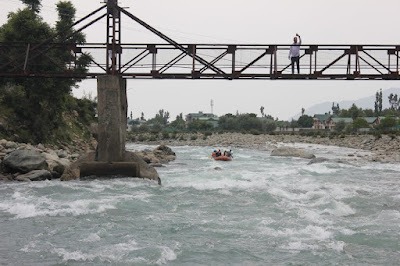
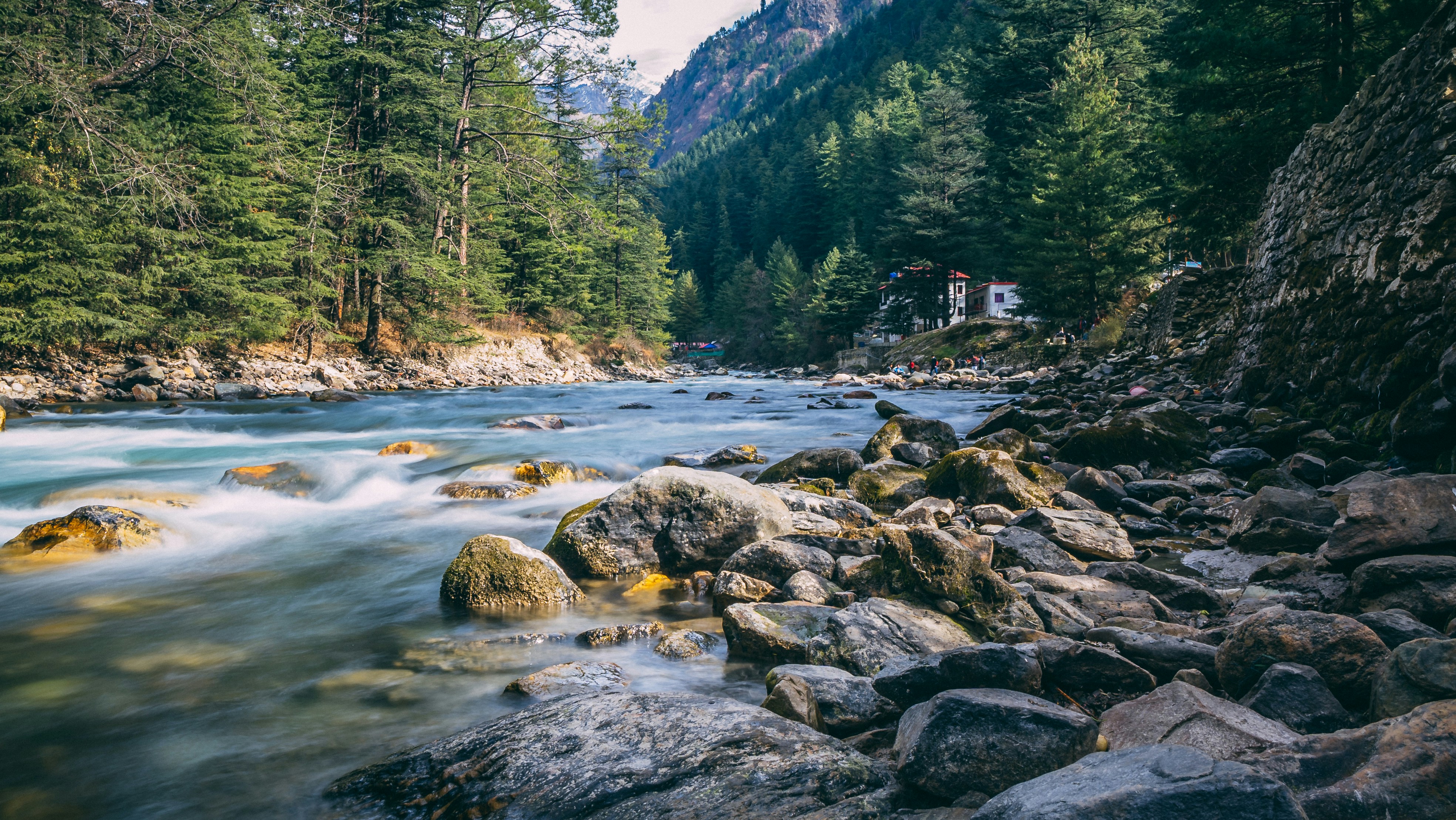
Surrounded by pine-covered hills and the soothing sounds of the Lidder River, the temple offers a calm and meditative atmosphere. Visitors often combine their trip to the temple with sightseeing around Pahalgam, making it both a spiritual and cultural stop in the valley. The temple’s age-old stone structure, mythological connections, and scenic surroundings make it a fascinating destination for history lovers and pilgrims alike.
History of Mamleshwar Temple
Mamleshwar Temple is believed to date back to the 8th century and is often associated with King Jayasimha, who is said to have commissioned the structure. However, some historians believe the temple may be even older, with roots tracing back to the early medieval period of Kashmir. Over the centuries, the temple has remained an important centre of worship for Shaivism in the valley.
According to local legends, the name “Mamleshwar” comes from the phrase “Mam Mal,” which roughly translates to “don’t go.” Folklore says that Lord Shiva asked Goddess Parvati to stay at this sacred place while he continued his journey toward the holy Amarnath Cave. Because of this association, the temple is deeply linked with the spiritual traditions surrounding the Amarnath Yatra.
The temple also holds importance in Hindu mythology because Pahalgam itself is believed to be one of the stops made by Lord Shiva on his journey to Amarnath. It is said that Shiva left behind his sacred bull Nandi here before moving ahead toward the cave shrine. This belief has turned the temple into a revered stop for many pilgrims travelling to Amarnath Cave.
Despite the political unrest and destruction faced by several ancient temples in Kashmir through different historical periods, Mamleshwar Temple has survived the passage of time. Even today, it stands as a symbol of faith, resilience, and Kashmir’s rich spiritual heritage.
Architectural Features of Mamleshwar Temple
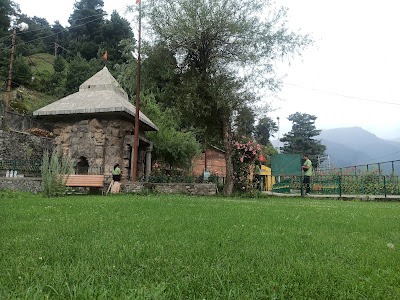
Mamleshwar Temple is an excellent example of early medieval Kashmiri stone architecture. Built using carefully carved grey stone blocks, the temple stands on an elevated platform near the banks of the Lidder River. Though not very large in size, the temple possesses a timeless elegance that reflects the craftsmanship of ancient Kashmir.
The temple’s structure features a pyramidal-style shikhara, or spire, which is characteristic of old Kashmiri temple architecture. The stone walls display intricate carvings, including floral patterns and depictions of deities. The simplicity of the temple adds to its spiritual charm rather than diminishing its beauty.
Inside the sanctum lies the sacred Shiva Lingam, which remains the central object of worship. One of the most fascinating aspects of the shrine is the continuous flow of water over the lingam, symbolising purity and divine energy. Outside the temple, a statue of Nandi, Lord Shiva’s sacred bull, sits facing the shrine as a guardian figure.
Another notable feature of the temple complex is the holy spring known as Sheshnag Naga. Local beliefs connect this spring with mythological serpent spirits, and many devotees consider its waters sacred. Combined with the surrounding mountains, flowing river, and peaceful environment, the temple creates a deeply spiritual atmosphere.
Spiritual Significance and Festivals
Mamleshwar Temple holds great significance for devotees of Lord Shiva, especially during the annual Amarnath pilgrimage season. Thousands of pilgrims passing through Pahalgam often stop here to seek blessings before continuing their journey toward the Amarnath Cave Shrine.
The temple becomes especially lively during festivals such as Maha Shivaratri, when special prayers, rituals, and devotional gatherings take place. During these occasions, the atmosphere fills with chants, bells, and traditional rituals, offering visitors an authentic glimpse into Kashmir’s ancient Hindu traditions.
Apart from its religious role, the temple also serves as a reminder of Kashmir’s multicultural and spiritual history, where centuries-old traditions continue to survive amid changing times.
Best Time to Visit Mamleshwar Temple
The best time to visit Mamleshwar Temple is between April and October, when the weather in Pahalgam remains pleasant and the valley is covered in lush greenery. Summer offers comfortable temperatures for sightseeing, while autumn paints the surrounding landscape in beautiful shades of gold and orange.
Winter visits are also possible, but heavy snowfall may affect travel conditions. However, during winter, the snow-covered temple surroundings create a magical and serene atmosphere for those who enjoy cold-weather travel.
How to Reach Mamleshwar Temple
Mamleshwar Temple is located around 1 kilometre from the main market area of Pahalgam and can easily be reached on foot or by local transport.
By Air
The nearest airport is Srinagar International Airport, situated approximately 90 kilometres away. From the airport, taxis and private cabs are readily available for Pahalgam.
By Road
Pahalgam is well connected by road to Srinagar and other major towns of Jammu and Kashmir. Regular buses, taxis, and shared cabs operate between Srinagar, Anantnag, and Pahalgam.
By Rail
The nearest railway station is Jammu Tawi Railway Station, located several hours away by road. From there, travellers can hire taxis or take buses toward Pahalgam.
Nearby Attractions
Visitors to Mamleshwar Temple can also explore several nearby attractions in and around Pahalgam:
- Betaab Valley — Known for its breathtaking meadows and mountain scenery.
- Aru Valley — A peaceful valley famous for trekking and nature views.
- Chandanwari — An important base point for the Amarnath Yatra.
- Lidder River — Popular for trout fishing, riverside walks, and photography.
Google Maps
FAQs
1. Where is Mamleshwar Temple located?
Mamleshwar Temple is located in Pahalgam in the Anantnag district of Jammu and Kashmir, India.
2. Which deity is worshipped at Mamleshwar Temple?
The temple is dedicated to Lord Shiva and is considered an important Shaivite shrine in Kashmir.
3. How old is Mamleshwar Temple?
The temple is believed to have been built during the 8th century, although some accounts suggest it may be older.
4. Why is Mamleshwar Temple important in Hindu mythology?
The temple is associated with Lord Shiva’s journey to Amarnath and is believed to be the place where he left his sacred bull Nandi.
5. What is the best time to visit Mamleshwar Temple?
The ideal time to visit is from April to October, when the weather in Pahalgam is pleasant and suitable for sightseeing.
6. Is Mamleshwar Temple connected to the Amarnath Yatra?
Yes, many pilgrims visiting the Amarnath Cave Shrine stop at Mamleshwar Temple to seek blessings during the yatra season.
7. Can tourists visit Mamleshwar Temple easily from Pahalgam?
Yes, the temple is located very close to Pahalgam town and can easily be reached by walking or local transport.
8. What makes the architecture of Mamleshwar Temple unique?
The temple showcases traditional Kashmiri stone architecture with a pyramidal spire, carved stone walls, and ancient structural design.