Image Source: Decem
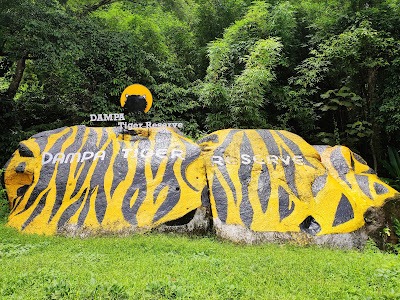
About Dampa Tiger Reserve
Hidden deep within the misty hills of western Mizoram, Dampa Tiger Reserve is one of Northeast India’s most fascinating yet lesser-explored wildlife destinations. Stretching along the Indo–Bangladesh border, this vast protected forest is known for its rich biodiversity, thick tropical forests, and rugged mountain landscapes. Far from crowded tourist circuits, Dampa offers a raw and untouched wilderness experience where dense bamboo groves, evergreen forests, winding rivers, and rare wildlife come together to create an extraordinary natural sanctuary.
For wildlife lovers, birdwatchers, photographers, and travellers seeking solitude in nature, Dampa Tiger Reserve is a hidden gem of the Lushai Hills. The reserve is not only important for tiger conservation but also serves as a refuge for many endangered and elusive species that thrive in its remote forests.
Location and Accessibility
Dampa Tiger Reserve is located in the Mamit district of Mizoram, around 127 kilometres from Aizawl, the state capital. Covering nearly 500 square kilometres, it is the largest wildlife sanctuary in Mizoram and one of the most ecologically significant protected areas in the region.
The reserve lies within the scenic Lushai Hills, an area characterized by rolling mountains, deep valleys, and dense vegetation. Because of its remote setting, reaching Dampa feels like entering a completely different world — one where forests dominate the landscape and modern development fades into the background.
The journey to the reserve itself is memorable, passing through winding mountain roads, bamboo forests, and traditional Mizo villages perched on hilltops.
History and Conservation Importance
Dampa was first declared a wildlife sanctuary in 1985 and later became a Tiger Reserve in 1994 under Project Tiger, India’s flagship tiger conservation programme. The reserve takes its name from a local legend associated with a lonely hunter called “Dampa,” which roughly translates to “lonely bachelor.”
Over the years, Dampa has grown into a critical conservation landscape for Northeast India. Managed under the National Tiger Conservation Authority (NTCA), the reserve protects a unique mix of tropical and subtropical ecosystems that support an incredible variety of flora and fauna.
Although tiger sightings are rare due to the dense forest cover and challenging terrain, the reserve remains an important habitat for the endangered Bengal tiger. Conservation efforts here also focus on protecting lesser-known predators such as the clouded leopard and Asiatic golden cat, both of which are rarely seen in the wild.
Dampa’s forests also play an important environmental role by preserving watersheds, preventing soil erosion, and supporting local biodiversity across the Indo-Myanmar biodiversity hotspot.
Geography and Natural Landscape
The landscape of Dampa Tiger Reserve is both dramatic and beautiful. Nestled within the Lushai Hills, the reserve features steep mountain slopes, forested ridges, hidden valleys, and countless streams flowing through thick vegetation.
The forests here are dominated by tropical evergreen and semi-evergreen vegetation, with towering Dipterocarp trees rising above dense undergrowth. Large stretches of bamboo forest are another defining feature of the reserve, especially during the famous Mautam cycle — a periodic bamboo flowering event unique to the region that significantly influences local ecology.
Several rivers and streams flow through the reserve, including the Khawthlang Tuipui River, creating fertile riparian habitats that support birds, amphibians, reptiles, and mammals.
The climate is humid and tropical throughout the year. Heavy monsoon rains between May and September transform the reserve into a lush green wilderness, while the cooler and drier winter months offer more comfortable conditions for visitors.
Wildlife Diversity in Dampa Tiger Reserve
Dampa Tiger Reserve is regarded as one of the richest biodiversity zones in Mizoram. Its thick forests provide shelter to numerous rare and endangered animals, making it a paradise for wildlife enthusiasts and researchers.
Mammals of Dampa
The reserve is home to several fascinating mammals, including:
- Bengal Tiger.
- Clouded Leopard.
- Asiatic Black Bear.
- Gaur.
- Serow.
- Malayan Giant Squirrel.
- Leopards.
- Wild boars.
- Barking deer.
- Civets and jungle cats.
Because of the dense vegetation, spotting animals often requires patience and luck. However, the experience of walking through untouched forests filled with animal calls and bird songs is rewarding in itself.
Birdwatching Paradise
Dampa Tiger Reserve is also recognized as an Important Bird Area (IBA), attracting birdwatchers from across India. More than 250 bird species have been recorded here, many of them rare to the Indian mainland.
Some notable birds found in the reserve include:
- Great Hornbill.
- Wreathed Hornbill.
- Pied Falconet.
- Mountain bamboo partridge.
- Drongos and barbets.
- Hill mynas and sunbirds.
The dense canopy and quiet forest environment make Dampa a dream destination for bird photography and nature observation.
Reptiles and Amphibians
The humid forests of Dampa support a variety of reptiles and amphibians as well. Visitors may encounter species such as:
- King Cobra.
- Green pit vipers.
- Tree frogs.
- Forest lizards.
- Skinks and geckos.
The reserve’s rivers, streams, and moist forest floor create ideal microhabitats for amphibians and reptiles that are often difficult to find elsewhere.
Tribal Villages and Mizo Culture
The forests surrounding Dampa are dotted with traditional Mizo villages such as West Phaileng and Teirei. These settlements offer visitors a glimpse into the rich cultural traditions of the Mizo people.
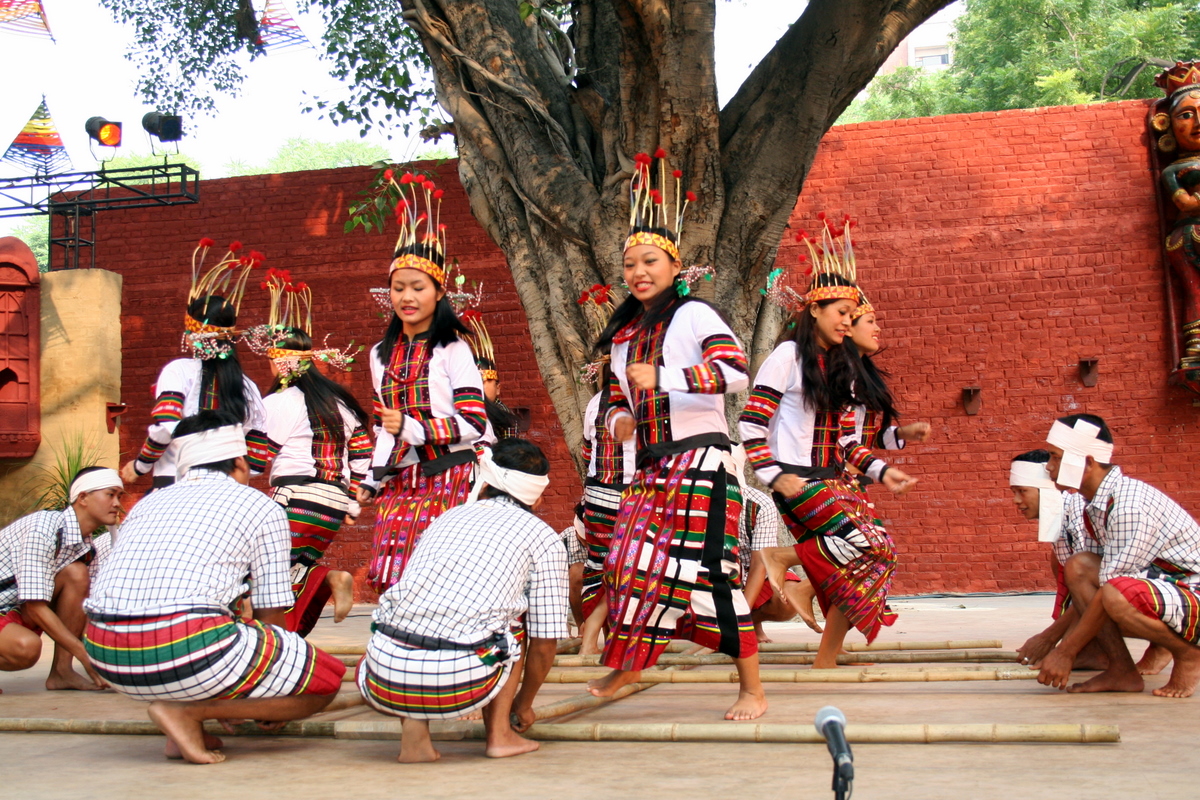
Mizo culture is deeply connected to nature and community life. Visitors may witness traditional bamboo dance performances known as Cheraw, admire colourful woven textiles, and enjoy authentic local cuisine. Popular dishes often include smoked meats, bamboo shoot preparations, sticky rice, and Bai — a traditional Mizo vegetable stew.
Historically, forests around Dampa were associated with hunting traditions and folklore. Today, eco-tourism and conservation awareness programs are gradually encouraging sustainable coexistence between local communities and wildlife.
Best Time to Visit Dampa Tiger Reserve
The best time to explore Dampa Tiger Reserve is between November and February. During these months, the weather remains cool and pleasant, and forest visibility improves significantly.
Winter also offers better opportunities for wildlife tracking, birdwatching, and trekking through forest trails. Early mornings are especially beautiful, with mist-covered hills and the sounds of birds echoing through the valley.
The monsoon season, from May to September, transforms the reserve into a lush green paradise, but travel can become difficult because of slippery roads, heavy rainfall, and leech-infested trails.
How to Reach Dampa Tiger Reserve
By Air
The nearest airport is Lengpui Airport, located around 115 kilometres from the reserve. The airport has regular flights connecting Mizoram with cities such as Kolkata, Guwahati, and Imphal.
By Road
Road travel is the most common way to reach the reserve. Shared taxis and buses operate between Aizawl and West Phaileng, which serves as the main gateway to Dampa Tiger Reserve. The scenic drive through the hills is one of the highlights of the journey.
By Rail
The nearest major railway station is Silchar Railway Station, approximately 180 kilometres away. From Silchar, travellers can continue by road into Mizoram.
Nearby Attractions to Dampa Tiger Reserve
1. Ngengpui Wildlife Sanctuary
Another important protected area in southern Mizoram, this sanctuary is known for its rich biodiversity, evergreen forests, and wildlife such as elephants, leopards, and rare bird species. It is a great destination for wildlife enthusiasts seeking a less-explored experience.
2. Teirei River
Flowing through the reserve’s landscape, the Teirei River creates picturesque valleys and supports a wide variety of wildlife. Visitors often enjoy nature walks, birdwatching, and photography along the river corridors.
3. Mamit
The district headquarters nearest to Dampa Tiger Reserve serves as a convenient base for travelers. The surrounding hills offer beautiful viewpoints, traditional Mizo villages, and opportunities to experience local culture.
4. Reiek
One of Mizoram’s most famous mountain destinations, Reiek offers panoramic views of the surrounding hills and valleys. The area is ideal for trekking, photography, and learning about traditional Mizo heritage.
5. Dârlung View
A scenic viewpoint offering spectacular vistas of Mizoram’s rolling hills and forested landscapes. It is especially beautiful during sunrise and sunset.
6. Infinite Ainawn Park
A family-friendly recreational park featuring landscaped gardens and leisure facilities, making it a pleasant stop during a longer journey through western Mizoram.
7. Forest Trekking Trails within Dampa
Unlike many tiger reserves in India, Dampa is best explored on foot through guided forest trails. The reserve’s steep hills, valleys, streams, and salt licks provide an immersive wilderness experience.
8. Local Mizo Villages
Several villages around the reserve provide opportunities to experience traditional Mizo culture, handicrafts, local cuisine, and rural life. These visits complement wildlife exploration and offer cultural insights into the region.
Things to Do in Dampa Tiger Reserve
Wildlife Exploration
Guided forest safaris and nature walks allow visitors to explore the reserve’s biodiversity while learning about local ecology and conservation efforts.
Birdwatching
With hundreds of bird species inhabiting the forests, Dampa is ideal for bird photography and observation.
Nature Photography
The reserve’s misty hills, dense forests, rivers, and wildlife provide endless opportunities for landscape and wildlife photography.
Cultural Experiences
Exploring nearby Mizo villages offers a chance to experience local traditions, food, music, and crafts.
Trekking and Eco-Tourism
Several forest trails around the reserve are suitable for trekking and eco-tourism activities, especially during the winter season.
Google Maps
FAQs
Where is Dampa Tiger Reserve located?
Dampa Tiger Reserve is located in the Mamit district of Mizoram in Northeast India, near the Indo–Bangladesh border.
Why is Dampa Tiger Reserve famous?
The reserve is famous for its rich biodiversity, tiger conservation efforts, tropical evergreen forests, rare wildlife, and birdwatching opportunities.
Are tigers commonly seen in Dampa Tiger Reserve?
Tiger sightings are extremely rare because of the dense forest cover and difficult terrain, but the reserve remains an important tiger habitat.
What is the best time to visit Dampa Tiger Reserve?
The best time to visit is from November to February when the weather is cooler and forest visibility is better.
How far is Dampa Tiger Reserve from Aizawl?
The reserve is approximately 127 kilometres from Aizawl, the capital city of Mizoram.
Is Dampa Tiger Reserve suitable for birdwatching?
Yes, the reserve is an Important Bird Area (IBA) and home to more than 250 bird species, including hornbills and falconets.
Can visitors stay inside the reserve?
Basic forest rest houses and eco-tourism accommodations may be available near the reserve, though facilities are limited compared to mainstream wildlife destinations.
Which tribes live near Dampa Tiger Reserve?
The reserve is surrounded mainly by Mizo tribal communities who maintain strong cultural ties with the forests and hills of the region.