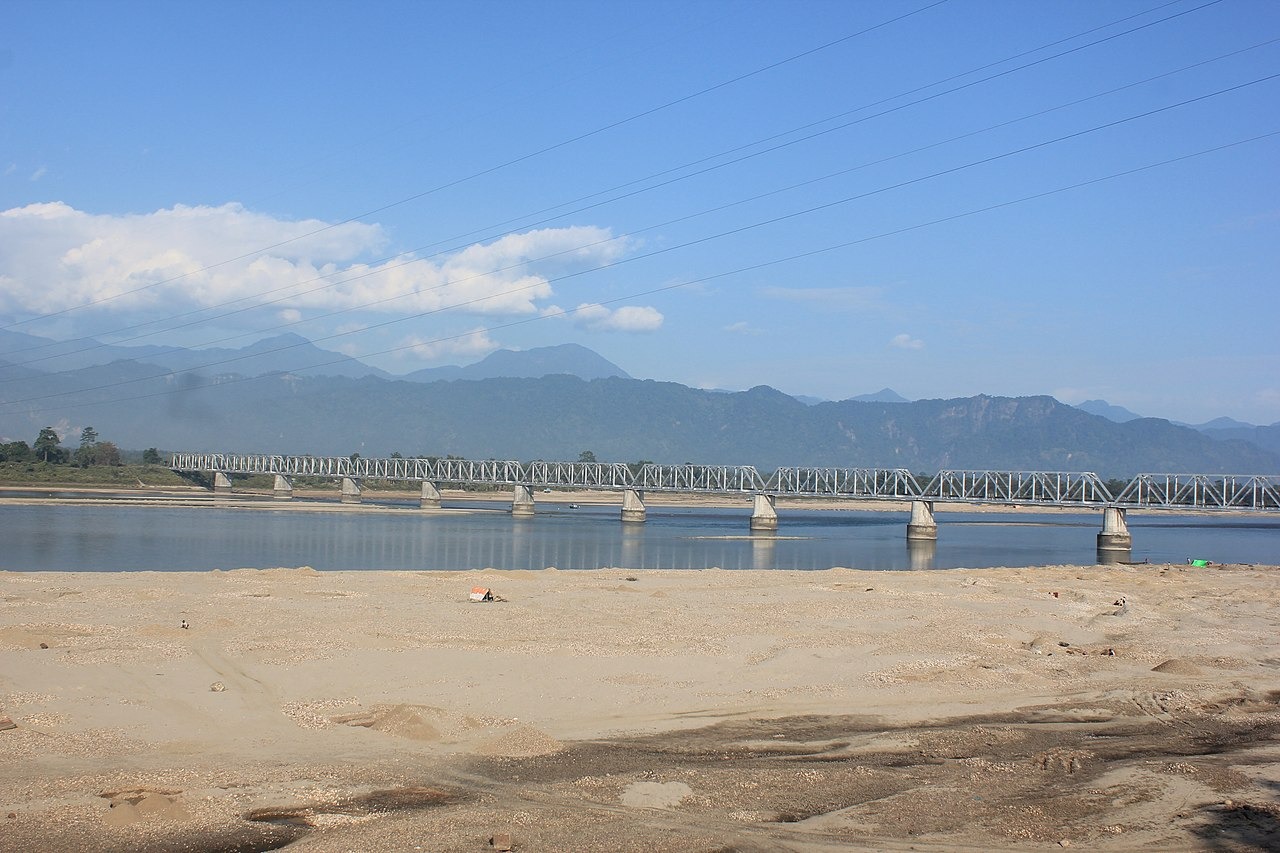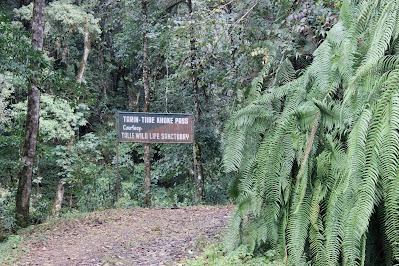
Image Source: Dibyendu Mahanty
About Talley Valley Wildlife Sanctuary
Hidden in the scenic Lower Subansiri district of Arunachal Pradesh, Talley Valley Wildlife Sanctuary is one of Northeast India’s most untouched natural treasures. Spread across nearly 337 square kilometres, this protected landscape is known for its dense forests, rolling alpine meadows, mist-covered hills, and remarkable biodiversity. Sitting at an elevation ranging from about 1,200 to 3,000 meters above sea level, Talley Valley forms an important ecological bridge connecting the Eastern Himalayas with the Mishmi Hills, creating a thriving habitat for countless plant and animal species.
Unlike many crowded wildlife destinations, Talley Valley offers something quieter and more immersive. Here, towering trees, drifting mountain fog, and untouched forest trails create an atmosphere that feels far removed from modern life. The sanctuary is not merely a wildlife reserve—it is a living ecosystem where nature and indigenous traditions continue to exist in harmony.
A Biodiversity Hotspot in the Eastern Himalayas
Talley Valley Wildlife Sanctuary is celebrated for its extraordinary ecological richness. Its landscape shifts dramatically with altitude, giving rise to several forest types, including subtropical broadleaf forests, temperate woodlands, and conifer-covered slopes. Thick cloud forests dominate much of the sanctuary, creating ideal conditions for rare flora and fauna to flourish.
The sanctuary is home to striking silver fir trees, ancient oaks draped in moss, and an astonishing variety of orchids and rhododendrons. Many of these plant species are endemic to the Himalayan region and hold ecological as well as medicinal value. Because of its relatively undisturbed environment, Talley Valley continues to attract botanists, researchers, and conservationists interested in studying its unique biodiversity.
Wildlife sightings in Talley Valley are equally rewarding. The sanctuary shelters elusive and endangered mammals such as the clouded leopard, red panda, Indian muntjac, and capped langur. One of the most fascinating residents is the Mishmi takin, a rare mountain ungulate that remains difficult to spot due to its secretive nature. Although sightings are never guaranteed, the possibility of encountering these species adds excitement to every journey through the forest.
A Sanctuary Interwoven with Apatani Culture
What truly distinguishes Talley Valley from many wildlife destinations is its close connection with the indigenous Apatani community. Located near the famous Ziro Valley, the sanctuary exists alongside villages where the Apatanis have lived sustainably for generations.
The Apatanis are widely admired for their environmentally conscious lifestyle and innovative agricultural methods. Their traditional paddy-cum-fish farming system, which combines rice cultivation with aquaculture, demonstrates a deep understanding of ecological balance and resource management. This sustainable approach has earned international recognition and strengthened the cultural significance of the region.
Visitors travelling toward Talley Valley often pass through Apatani villages such as Hong and Hari, where traditional bamboo homes, local handicrafts, and age-old customs continue to shape everyday life. Elder Apatani women are particularly known for their distinctive facial tattoos and nose plugs, cultural symbols that reflect a rich and complex heritage.
For many travellers, meeting local communities becomes just as memorable as exploring the forests themselves.
Unique Experiences and Things to Do
Trekking Through Untouched Wilderness
Trekking remains the most popular way to experience Talley Valley. The roughly 32-kilometre trail from Ziro to the sanctuary winds through dense evergreen forests, bamboo groves, and high-altitude landscapes covered in mist. Along the route, travellers cross streams, forest clearings, and moss-covered trails that reveal the valley’s dramatic beauty.
The trek is moderately challenging and especially rewarding for those who enjoy wilderness adventures away from commercial tourist routes.
Wildlife and Birdwatching Adventures
Talley Valley is a paradise for birdwatchers and wildlife enthusiasts. The sanctuary supports a rich avian population, including colourful and rare Himalayan birds. Species such as the Himalayan monal, scimitar babbler, and several varieties of pheasants and forest birds can often be observed in the early morning.
Because the forests remain largely undisturbed, patient visitors may also encounter signs of larger mammals, making every walk through the sanctuary feel like an exploration of hidden wilderness.
Exploring Botanical Diversity
The sanctuary’s plant life is just as captivating as its wildlife. Orchid enthusiasts and nature lovers are often drawn to Talley Valley for its remarkable floral diversity. Rhododendrons bloom seasonally across the hillsides, while medicinal herbs and rare mountain plants thrive in the sanctuary’s cool climate.
These forests provide an important natural laboratory for ecological studies and conservation research.
Eco-Camping and Forest Experiences
Camping inside or near Talley Valley offers an unforgettable experience for adventure seekers. Nights are often filled with the sounds of forest birds and mountain winds moving through conifer trees. Local guides frequently share Apatani folklore and stories around campfires, adding cultural depth to the outdoor experience.
The combination of star-filled skies, mountain silence, and traditional storytelling creates memories that stay with visitors long after the journey ends.
History and Conservation Significance
Talley Valley Wildlife Sanctuary was officially declared a protected area in 1995 to safeguard its fragile ecosystems and rare Himalayan wildlife. The sanctuary also holds spiritual importance for local communities, particularly the Apatanis, who consider certain forest patches sacred. These sacred groves have traditionally been protected through cultural taboos that prohibit hunting and tree cutting.
This indigenous conservation ethic played a crucial role in preserving the region long before formal environmental protection measures were introduced.
Despite increasing tourism interest, Talley Valley remains relatively pristine due to its remoteness and controlled visitor access. Conservation efforts today focus on balancing eco-tourism with habitat preservation so that future generations can continue to experience its natural beauty.
How to Reach Talley Valley Wildlife Sanctuary
Reaching Talley Valley requires a combination of road travel and trekking, which adds to its adventurous appeal.
Nearest Town: Ziro serves as the primary base for visiting the sanctuary.
By Air: The nearest airport is Lilabari Airport in Assam, located around 120 kilometres away. It connects with major cities such as Guwahati and Kolkata.
By Rail: Naharlagun Railway Station is the closest railway connection and lies roughly 100 kilometres from Ziro.
By Road: Travellers can reach Ziro via overnight buses, shared taxis, or private vehicles from Itanagar, North Lakhimpur, and Guwahati. From Ziro, the sanctuary is generally accessed through trekking routes or four-wheel-drive vehicles depending on weather and road conditions.
Best Time to Visit
The ideal season to explore Talley Valley is from October to April. During these months, the weather remains cool and dry, making trekking, camping, and birdwatching more comfortable.
Winter brings crisp mountain air and clear skies, while spring introduces blooming flowers and vibrant forest landscapes.
The monsoon season between July and September is generally less suitable for trekking. Heavy rainfall often makes trails muddy and slippery, although the rains transform the sanctuary into a lush green landscape with flowing streams and seasonal waterfalls.
Nearby Attractions
Talley Valley Wildlife Sanctuary is one of Arunachal Pradesh’s most pristine natural treasures, located in the Lower Subansiri district near Ziro Valley. Spread across dense subtropical and temperate forests, the sanctuary is known for its rich biodiversity, alpine meadows, bamboo groves, and scenic trekking routes. Home to clouded leopards, Himalayan black bears, barking deer, and numerous bird species, Talley Valley is a paradise for nature lovers, wildlife enthusiasts, and trekkers.
1. Ziro Valley
One of the most famous destinations in Arunachal Pradesh, Ziro Valley is known for its picturesque landscapes, terraced rice fields, pine-covered hills, and the unique culture of the Apatani tribe. It serves as the main gateway to Talley Valley Wildlife Sanctuary.
2. Hong Village
Recognized as one of the largest traditional Apatani villages, Hong Village offers visitors an opportunity to experience indigenous customs, traditional architecture, and the unique Apatani way of life.
3. Hari Village
A beautiful Apatani settlement surrounded by rice fields and hills, Hari Village provides insights into local culture and sustainable farming practices.
4. Kile Pakho Ridge
This scenic viewpoint offers breathtaking panoramic views of Ziro Valley, distant Himalayan peaks, and lush forests. It is one of the best photography spots in the region.
5. Pine Grove
A peaceful forest area filled with towering pine trees, Pine Grove is ideal for nature walks, birdwatching, and enjoying the serene beauty of Ziro Valley.
6. Meghna Cave Temple
Situated amidst forested hills, this naturally formed cave temple is an important religious site and a popular attraction for visitors exploring the Ziro region.
7. Tarin Fish Farm
Known for showcasing the traditional Apatani practice of integrating fish farming with paddy cultivation, Tarin Fish Farm is both an educational and scenic attraction.
8. Dolo Mando Viewpoint
A hilltop destination offering spectacular sunrise and sunset views over Ziro Valley, forests, and surrounding mountains.
9. Hapoli
The main commercial center of Ziro Valley, Hapoli features local markets, handicraft shops, restaurants, and accommodation facilities for tourists.
10. Pange Camp
Located near the sanctuary, Pange Camp serves as a base for trekkers and nature enthusiasts exploring Talley Valley’s wilderness and trekking trails.
Travel Tips for Visitors
A journey to Talley Valley requires thoughtful preparation, especially due to its remote location.
Visitors should carry waterproof trekking shoes, layered clothing for cold evenings, insect repellent, and binoculars for birdwatching. Mobile connectivity may be limited, so downloading maps and informing others about travel plans is advisable.
Indian tourists need an Inner Line Permit (ILP) to enter Arunachal Pradesh, while foreign travellers require a Protected Area Permit (PAP). Obtaining permits in advance helps avoid last-minute inconvenience.
Hiring local Apatani guides is highly recommended. Their familiarity with forest trails, wildlife behaviour, and cultural traditions enriches the overall experience while also supporting local livelihoods.
Accommodation options range from cosy homestays in Ziro to eco-lodges and guided camping experiences near the sanctuary.
Why Talley Valley Wildlife Sanctuary Deserves a Place on Your Travel List
Talley Valley is more than a destination—it is an experience shaped by wilderness, culture, and quiet discovery. Ancient forests, mountain mist, and thriving ecosystems combine with Apatani traditions to create a journey unlike anywhere else in India.
For trekkers, photographers, birdwatchers, and travellers seeking authentic cultural encounters, Talley Valley offers a rare opportunity to step into a landscape that still feels untouched. It is a place where biodiversity flourishes, indigenous wisdom remains deeply respected, and every trail tells a story of coexistence between people and nature.
Google Maps
FAQs
1. Is Talley Valley Wildlife Sanctuary suitable for beginner trekkers?
Yes, but moderate fitness is recommended. Some trails can be steep and slippery, particularly after rainfall, so beginners may find local guides helpful.
2. Do I need permission to visit Talley Valley?
Yes. Indian visitors require an Inner Line Permit (ILP), while foreign nationals need a Protected Area Permit (PAP) to enter Arunachal Pradesh.
3. Can wildlife be easily spotted in the sanctuary?
Wildlife sightings depend on timing, patience, and luck. Birds are more commonly seen, while animals such as clouded leopards and red pandas are elusive.
4. Are there hotels inside the sanctuary?
Accommodation inside the sanctuary is limited. Most travellers stay in Ziro homestays, eco-lodges, or choose organized camping experiences.
5. What should I pack for Talley Valley?
Warm clothing, waterproof footwear, rain protection, insect repellent, binoculars, a flashlight, and basic medicines are highly recommended.
6. Is Talley Valley safe for solo travellers?
Generally, yes. However, due to the remote terrain and limited connectivity, solo travellers should hire local guides and inform someone about their itinerary.
7. How many days are needed to explore Talley Valley?
A trip of 3–5 days is ideal to enjoy trekking, cultural visits, wildlife exploration, and relaxation without rushing.
8. What makes Talley Valley different from other wildlife sanctuaries in India?
Its combination of untouched Himalayan wilderness, rich biodiversity, and deep Apatani cultural heritage makes Talley Valley a uniquely immersive destination rather than just a wildlife-viewing spot.