Image Source: Bhaskaranaidu
About Archaeological Museum
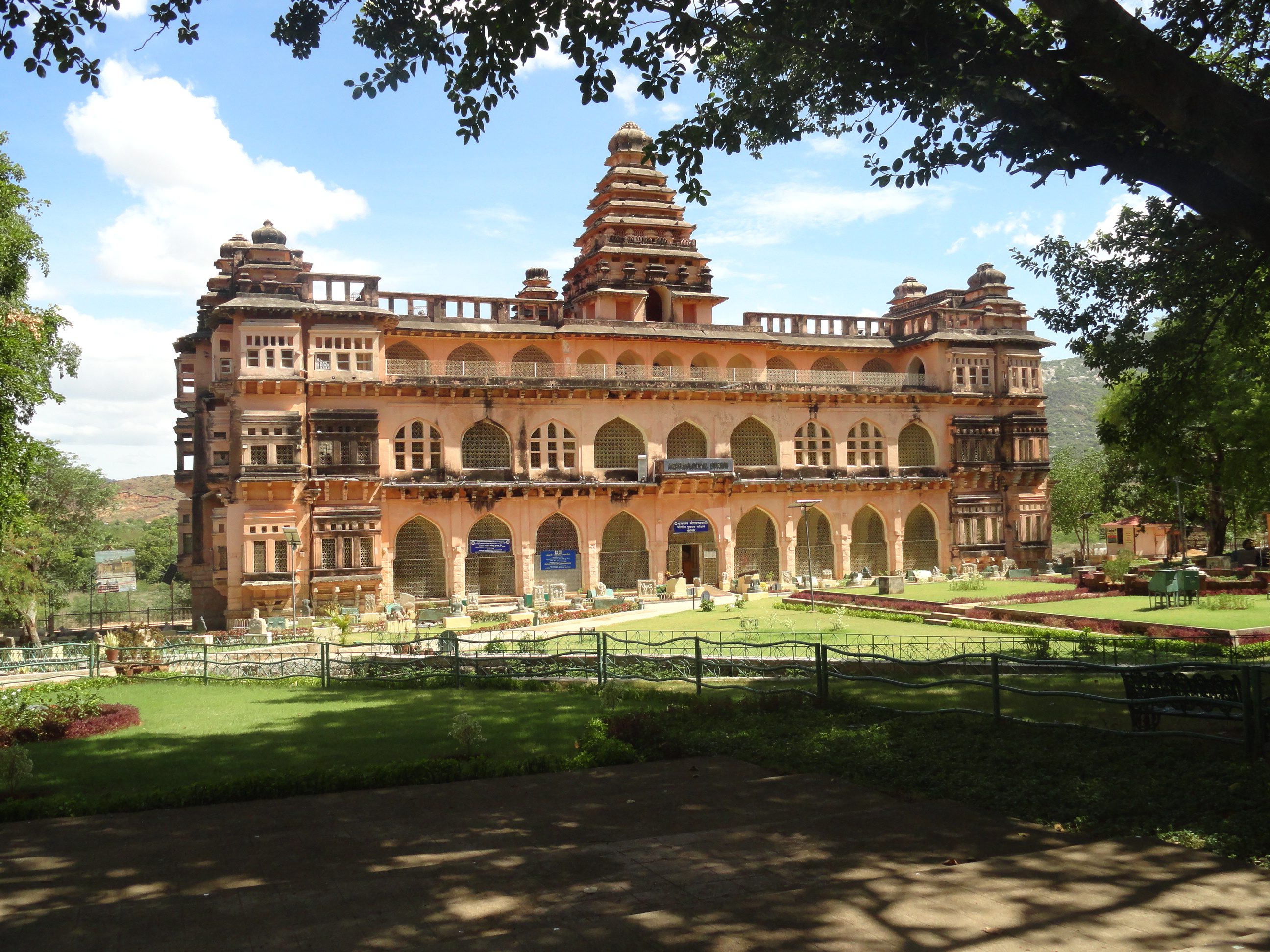
Nestled near the historic Chandragiri Fort in Tirupati, Andhra Pradesh, the Archaeological Museum at Chandragiri is a fascinating destination for anyone interested in South Indian history and culture. The museum is closely associated with the glorious legacy of the Vijayanagara Empire and offers visitors a chance to step back into a period known for its architectural brilliance, artistic achievements, and powerful rulers.
Surrounded by the majestic atmosphere of Chandragiri Fort, the museum serves as a gateway to understanding the political, cultural, and social life of the Vijayanagara period. Whether you are a history enthusiast, student, researcher, or casual traveller, the museum provides an enriching experience that combines education with exploration.
History
Chandragiri holds a special place in the history of South India. After the decline of Hampi in the 16th century, the Vijayanagara rulers shifted their administrative base to Chandragiri, transforming it into an important political and military center. The fort became the royal seat of the empire during its later years and played a significant role in preserving the authority of the dynasty.
The Archaeological Museum preserves many valuable artifacts recovered from Chandragiri Fort and nearby regions. These objects help visitors understand how the empire functioned, how people lived, and how art and architecture flourished during that era. The museum stands as a reminder of the empire’s grandeur and its lasting influence on South Indian culture.
Architecture and Setting
The museum itself is located within the historic surroundings of Chandragiri Fort, adding authenticity to the visitor experience. The fort complex features impressive Indo-Saracenic and Vijayanagara-style architecture, with structures such as Raja Mahal and Rani Mahal attracting tourists throughout the year.
Walking through the museum and the fort together creates a complete historical journey. The stone pathways, massive fort walls, royal halls, and scenic hill backdrop make the visit visually captivating as well as educational.
Major Collections and Exhibits
Sculptures and Stone Carvings
One of the highlights of the museum is its remarkable collection of sculptures and carved stone fragments. Visitors can see beautifully crafted statues of Hindu deities, guardian figures, and decorative temple carvings. These sculptures reflect the artistic excellence of Vijayanagara craftsmen, who were known for their intricate detailing and elegant designs.
Many stone panels display mythical creatures such as yali, floral patterns, dancers, and religious motifs that were common in temple architecture of the period.
Inscriptions and Copper Plates
The museum also houses ancient inscriptions and copper plates that provide valuable historical records. These inscriptions contain royal orders, land grants, tax details, and administrative information issued by kings and local rulers.
For historians and researchers, these records are extremely important because they help reconstruct the political and social history of the Vijayanagara Empire. Even ordinary visitors find these artifacts fascinating as they reveal how governance and administration worked centuries ago.
Weapons and Military Artifacts
A section of the museum is dedicated to medieval warfare and defense systems. Here, visitors can view old swords, shields, spears, armor, and other military equipment used by soldiers of the Vijayanagara period.
These exhibits provide insight into the strategic importance of Chandragiri Fort and the military preparedness of the empire. The collection also helps visitors understand the challenges rulers faced in protecting their territories during times of political conflict.
Coins, Pottery, and Everyday Objects
The museum displays several artifacts connected to daily life, including coins, pottery, jewelry, tools, and household items. These objects offer a glimpse into the economic activities, trade systems, craftsmanship, and lifestyles of the people who lived during the Vijayanagara era.
Ancient coins especially attract attention because they showcase the empire’s trade relations and economic prosperity. The pottery and tools reveal how ordinary people cooked, worked, and carried out everyday activities.
Architectural Fragments
Another interesting part of the museum includes fragments from ruined temples and palaces. Decorative pillars, carved door frames, ceiling panels, and ornamental stones highlight the distinctive Vijayanagara architectural style.
The craftsmanship seen in these fragments reflects a blend of strength and beauty, which became one of the defining characteristics of Vijayanagara architecture across South India.
Educational and Cultural Importance
The Archaeological Museum at Chandragiri is more than just a tourist attraction. It serves as an important educational center for students, historians, archaeologists, and researchers studying South Indian history.
The museum plays a crucial role in preserving cultural heritage and ensuring that future generations remain connected to the region’s historical roots. Through carefully preserved exhibits and informative displays, visitors gain a deeper appreciation for the achievements of the Vijayanagara Empire and its contribution to Indian art, architecture, and governance.
Schools and colleges often organize educational tours to the museum because it provides practical exposure to historical learning beyond textbooks.
Visitor Experience
A visit to the Archaeological Museum is usually combined with a tour of Chandragiri Fort, making it a complete heritage experience. Visitors can explore Raja Mahal, royal chambers, courtyards, watchtowers, and ancient fortifications while learning about the lives of Vijayanagara rulers.
The museum includes explanatory plaques and descriptions that make the exhibits easy to understand. Photography is generally allowed in many areas, and the peaceful environment makes it ideal for families, photographers, and history lovers.
The fort also offers beautiful panoramic views of the surrounding landscape, especially during sunrise and sunset, adding to the overall charm of the visit.
Best Time to Visit
The ideal time to visit the Archaeological Museum and Chandragiri Fort is between October and February, when the weather remains pleasant and suitable for sightseeing. Summers in Andhra Pradesh can be quite hot, so early morning or evening visits are more comfortable during that season.
Monsoon months bring greenery to the surroundings, making the fort area look especially scenic.
How to Reach
By Road
The museum is located around 10 km from Tirupati city center and is easily accessible by road. Visitors can hire taxis, take auto-rickshaws, or use local buses to reach Chandragiri Fort and the museum.
By Rail
The nearest railway station is the Tirupati Railway Station, located approximately 10 km away. It is well-connected to major Indian cities including Chennai, Hyderabad, Bengaluru, and Delhi.
By Air
The nearest airport is Tirupati Airport, situated around 15 km from Chandragiri. Regular domestic flights connect Tirupati with major metropolitan cities across India.
Nearby Attractions
While visiting the Archaeological Museum, travellers can also explore several nearby attractions:
Chandragiri Fort – A historic hill fort known for its royal palaces and Vijayanagara architecture.
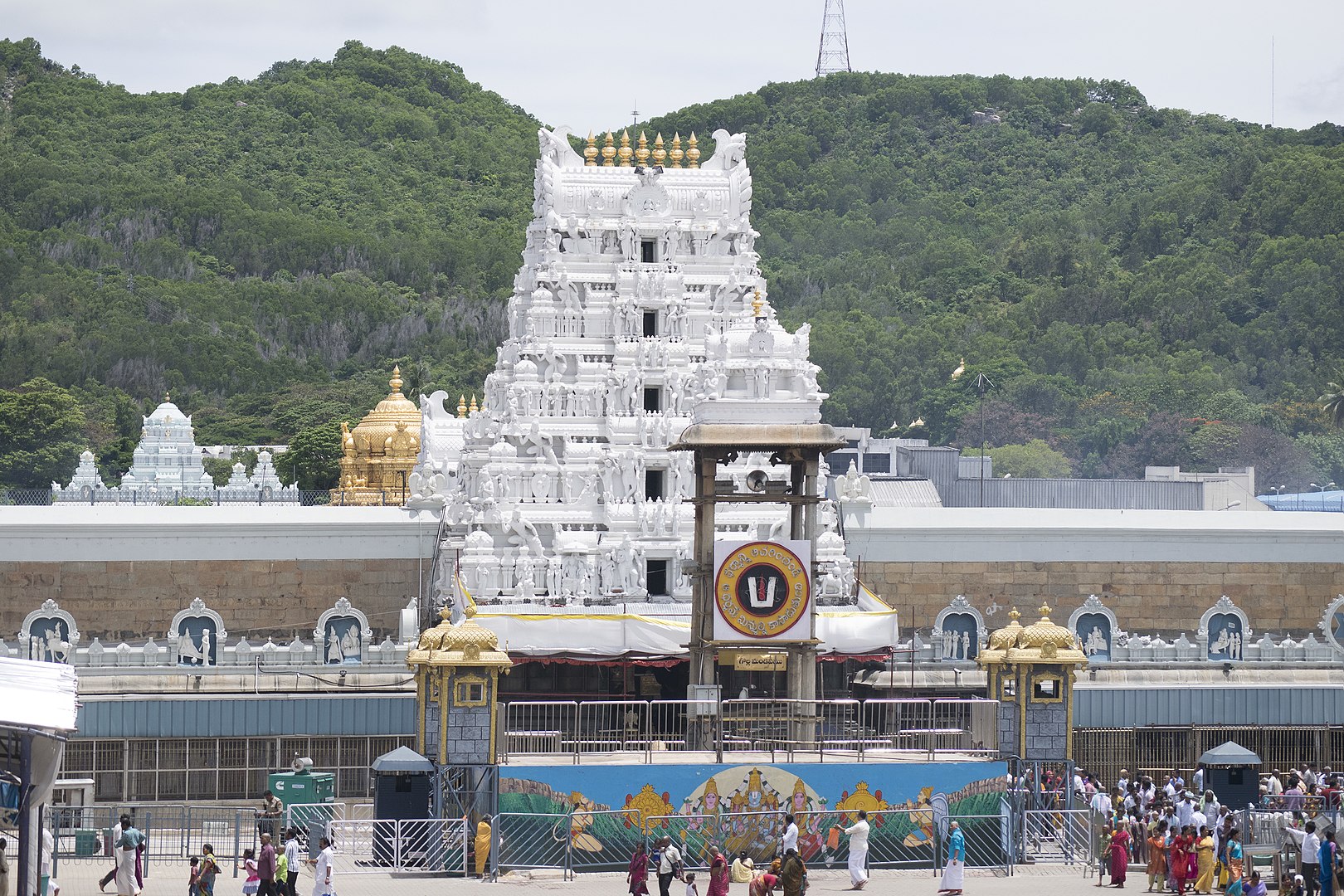
Sri Venkateswara Temple – One of the most famous and sacred Hindu temples in India.
Sri Venkateswara Zoological Park – A large zoological park featuring wildlife and natural landscapes.
Talakona Waterfalls – A scenic waterfall surrounded by forested hills.
Google Maps
FAQs
What is the Archaeological Museum at Chandragiri famous for?
The museum is famous for preserving artifacts related to the Vijayanagara Empire, including sculptures, inscriptions, weapons, coins, and architectural fragments.
Where is the Archaeological Museum located?
The museum is located near Chandragiri Fort, about 10 km from Tirupati in Andhra Pradesh.
What can visitors see inside the museum?
Visitors can explore stone sculptures, copper plates, ancient inscriptions, medieval weapons, pottery, coins, and remains of Vijayanagara-style architecture.
Is the museum suitable for students and researchers?
Yes, the museum is an excellent educational destination for students, historians, archaeologists, and researchers interested in South Indian history and heritage.
Can visitors explore Chandragiri Fort along with the museum?
Yes, most visitors combine the museum visit with a tour of Chandragiri Fort, including Raja Mahal and other historic structures.
What is the best time to visit Chandragiri Museum?
The best time to visit is from October to February when the weather is cool and comfortable for sightseeing.
How much time is needed to explore the museum?
Visitors generally spend around 1 to 2 hours exploring the museum and additional time touring Chandragiri Fort.
Is photography allowed inside the museum?
Photography rules may vary in certain sections, but photography is generally allowed in many parts of the fort complex and surrounding areas.